Thermostat Fan On or Auto in Winter: Which Setting Makes Sense for Your Home?
On a cold winter night, you may notice cool air coming from your vents even though the furnace is working. The reason could be your thermostat's fan setting. Should you choose ON or AUTO? Both settings move air through your home, but they affect comfort, electricity use, and filtration in different ways. This guide explains how each setting works, which is best for winter, and how fan mode affects battery runtime during a power outage.
Fan ON vs. Fan AUTO: what each setting does
Your thermostat's fan setting controls the blower inside your furnace or air handler. It does not control the heat itself. AUTO runs the blower during heating or cooling cycles. ON keeps it running even when the system is not actively heating or cooling. Some thermostats also offer Circulate, which runs the fan at set intervals.
Honeywell describes AUTO as running the fan with heating or cooling, while ON runs it continuously. On the Honeywell models covered by its manual, Circulate runs the fan about 33% of the time. Other brands may use different schedules. For example, some Trane thermostats run the fan for a minimum number of minutes each hour.
Fan ON vs. fan AUTO at a glance
Factor | Fan AUTO | Fan ON |
When the blower runs | Only during heating or cooling cycles | All the time |
Electricity use | Blower runs only during cycles | Blower draws power around the clock; EPA notes longer run times increase electricity costs |
Air filtration | Filter cleans air only while the system runs, which EPA says is usually less than 25% of the time in heating and cooling seasons | More hours of air passing through the filter |
Winter comfort | Warm air arrives in bursts during heating cycles | More even mixing between rooms; air from vents between cycles is not heated and can feel cool |
Summer humidity | Lets the system manage moisture as designed | EPA says longer run times may make humidity control less reliable in cooling season |
Filter checks | Normal schedule | Filter loads up sooner; check it more often |
Good fit for | Most homes as a default (Trane lists Auto as the default) | Smoke events, allergy concerns, or rooms that run hot and cold, if the manual allows continuous fan |
The U.S. Environmental Protection Agency (EPA) notes that longer HVAC fan runtimes increase electricity use. More runtime can also improve filtration because more air passes through the filter. However, the filter only cleans air while the system is operating.
ENERGY STAR recommends checking your HVAC filter every month and changing it at least every three months, or as needed. A dirty filter can restrict airflow and affect system performance.
Thermostats with smart scheduling and geofencing features can switch heating setpoints automatically, but the fan setting usually stays wherever you leave it, so check it separately.
The table shows the general tradeoffs; heating season changes how much each one matters, because the blower is moving warm air in short bursts and room air in between.
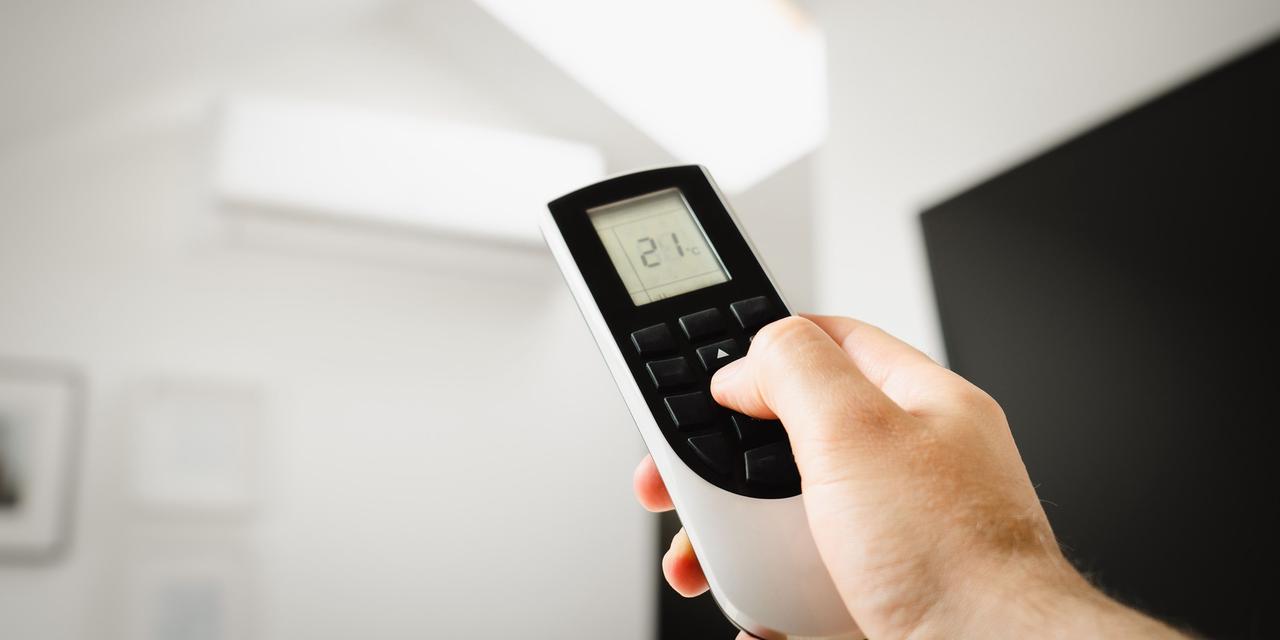
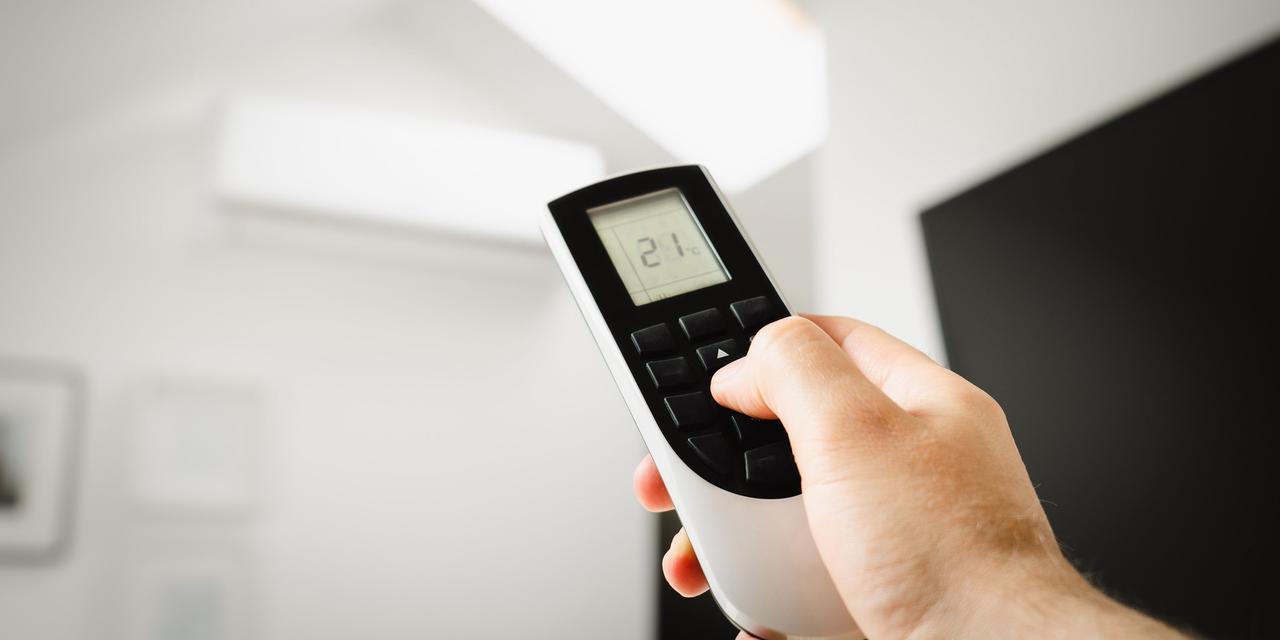
Thermostat fan On or Auto in winter: how to decide?
For most homes, AUTO is the sensible winter default. It runs the blower only when the system needs to deliver heat, which helps limit electricity use. ON may help mix air between rooms or increase filtration. However, the best choice depends on your equipment, comfort needs, and HVAC manual.
Why does the air feel cool with the fan ON?
When the furnace stops heating, a blower set to ON continues moving air through the ducts. Since the system is no longer adding heat, air from the vents may feel cool against your skin. This does not always mean the furnace is faulty.
Ducts that pass through an unheated attic or crawlspace can also lose heat. If the air feels unusually cold or your home heats unevenly, check the ductwork and ask an HVAC technician to inspect the system.
How much electricity the blower uses
The U.S. Department of Energy (DOE) modeled a baseline blower in a 3-ton gas furnace at 382 watts during heating and continuous fan operation. This is an example of a specific furnace, not a figure that applies to every home.
At 382 watts, running the blower continuously for 24 hours would use about 9.2 kWh of electricity. On AUTO, the blower runs only during heating cycles, so its daily energy use is usually lower.
Newer furnace fans built to DOE standards that took effect in 2019 generally meet more demanding efficiency requirements than older models. Actual power use still varies by motor type, airflow, and duct resistance. A clogged filter or restrictive ductwork can increase the power some blower motors need.
Check your furnace specifications or ask a technician to measure its actual power draw before estimating operating costs.
Filtration in winter
Your HVAC filter only cleans air while air passes through it. Setting the fan to ON increases the time air moves through the filter, which may help when dust, allergens, or smoke are a concern. The tradeoff is higher electricity use.
The EPA recommends a MERV 13 filter, or the highest rating your system can handle. Check with an HVAC technician before upgrading because a filter that restricts airflow can affect performance. During wildfire smoke events, the EPA advises switching from AUTO to ON when the HVAC system can support it.
Quick decision guide
Choose AUTO if your rooms heat evenly, you want to limit blower electricity use, or your manual does not allow continuous fan operation.
Consider ON or Circulate if rooms have uneven temperatures or you need more air filtration, provided your equipment supports the setting.
Check your manual first. Furnace, heat pump, and air handler requirements can differ.
Choosing AUTO is one of several ways to cut winter heating costs, along with sealing drafts and keeping the furnace filter clean.
Blower electricity is a small line on a normal bill, but during a winter outage it becomes the number that decides how long a battery can keep a gas furnace running.
Fan mode during a winter outage: battery runtime with EcoFlow TITAN Classic
A gas furnace needs electricity to run its controls, igniter, and blower. When grid power fails, the furnace stops unless a suitable backup source supplies power. If you use a home battery, fan mode affects how long the blower can run. ON uses power continuously, while AUTO runs the blower during heating cycles.
Why does a compatible 120V connection matter?
Many gas furnaces use standard household voltage. For example, Goodman lists a 115V, single-phase electrical supply for its GM9S80 and GC9S80 furnace series. Check your own furnace's rating plate before choosing backup equipment.
EcoFlow TITAN Classic can support a compatible 120V furnace blower, its controls, and selected essential circuits. These may include lights and a Wi-Fi router. Connecting the furnace requires suitable distribution equipment, such as the 120V version of Smart Home Panel 10, installed by a licensed electrician.
Measure the blower's actual power use
A furnace specification sheet may list horsepower, circuit ampacity, and breaker requirements. These figures do not tell you the blower's actual running wattage.
For example, one Goodman GM9S80 model lists a 0.75 HP blower, a minimum circuit ampacity of 12.45A, and a 15A maximum overcurrent device. Do not multiply the amp rating by voltage to estimate normal blower consumption. Ask an HVAC technician or electrician to measure its power draw during heating and continuous fan operation.
Estimated battery runtime by fan mode
The following example uses a 5,000Wh battery capacity and a planning assumption of 85% usable energy after conversion losses. It uses the DOE's modeled 382W blower as a reference, not a measured value for your furnace.
Fan mode | Average blower draw | Calculation | Estimated blower-only runtime |
ON (continuous) | 382W | 5,000Wh × 0.85 ÷ 382W | About 11 hours |
AUTO, assumed 40% duty cycle | About 153W average | 5,000Wh × 0.85 ÷ 153W | About 28 hours |
ON, with expansion to 30kWh | 382W | 30,000Wh × 0.85 ÷ 382W | About 67 hours |
These estimates cover the blower only. The 40% heating duty cycle is an assumption for illustration, and actual runtime depends on the weather, insulation, and thermostat setting. Furnace controls, the igniter, the inducer motor, and other connected appliances will reduce total runtime.
AUTO lasts longer in this example because the blower runs fewer hours. It does not increase the battery's stored energy. Replace the example wattage with your furnace's measured draw for a more useful estimate.
For safety, install and test carbon monoxide (CO) and smoke alarms regularly. If you use a portable generator during an outage, operate it outdoors at least 20 feet from the house, following CPSC guidance. Never run a faulty furnace on backup power.
Where EcoFlow TITAN Classic fits
EcoFlow TITAN Classic offers 5kWh of base capacity, expandable to 30kWh with additional batteries sold separately. It provides 4kW of 120V output for compatible essential loads, such as a refrigerator, lights, and a Wi-Fi router. Its 3.2kW single-MPPT solar input supports solar recharging.
The system is intended for selected 120V circuits. It is not designed to power 240V loads such as central air conditioning, an electric dryer, or a well pump.
This setup may suit a home with a compatible 120V gas furnace that needs backup for its blower and essential circuits. Fan mode, furnace cycling, and other loads affect runtime, so no single runtime estimate applies to every home. Have a licensed electrician confirm compatibility and install the required equipment.
Knowing why a gas furnace stops without electricity helps you decide which circuits belong on backup before the next winter storm.
Winter isn't the only season the fan switch matters. In summer, the same choice affects how well your AC pulls moisture out of the air.
Air conditioner Fan On or Auto: the summer answer
For most homes with central air conditioning, AUTO is the better choice, especially in humid climates. When the compressor stops, a blower that keeps running may return moisture from the cooling coil to the air. This can make humidity control less effective.
ON may still help circulate air through a suitable filter on mild, dry days. Circulate is another option if your thermostat supports it. Check your equipment manual before changing the setting.
A quick guide:
Humid summer climate: Choose AUTO to support moisture removal.
Mild, dry weather: Consider ON or Circulate if your system allows it.
Wildfire smoke: The EPA advises running the fan more with a suitable MERV 13 or higher filter, provided your system can handle it.
Pairing AUTO with the best AC temperature for energy savings keeps summer cooling costs and indoor humidity in check.
Part of the confusion around this setting is that many thermostats have two different switches labeled "Auto," and they don't do the same thing.


What does "Auto" mean on a thermostat? Fan Auto vs. System Auto
The word Auto can refer to two different thermostat settings. Fan Auto controls when the blower runs. System Auto lets the thermostat switch between heating and cooling based on indoor temperature. Knowing the difference helps you avoid changing the wrong setting.
Setting | What it controls | What it does |
Fan Auto | Blower | Runs with heating or cooling |
Fan On | Blower | Runs continuously |
Fan Circulate | Blower | Runs at intervals set by the thermostat |
System Auto | Heating and cooling | Selects heating or cooling based on indoor temperature |
System Em Heat | Heat pump backup heat | Uses emergency heat and locks out the compressor on systems designed to operate this way |
Exact labels and behavior vary by thermostat model. Check the manufacturer's manual before changing settings. If you own a heat pump, use Em Heat only for emergencies or as directed by your installer.
Before making changes, check the furnace or air handler manual for guidance on continuous fan operation. Inspect your filter monthly and replace it at least every three months, or sooner if needed. Before installing a MERV 13 filter, confirm that your system can support it.
Homes weighing a heat pump versus a gas furnace will find the thermostat modes differ too, since heat pumps add emergency heat settings.
Conclusion
AUTO is usually the best thermostat fan setting for winter because the blower runs only during heating cycles. ON or Circulate may help with uneven room temperatures or air filtration, but both should be used according to your HVAC manual.
Keep the filter clean and check your system's power requirements. If you plan to use battery backup during an outage, have a technician measure the furnace blower's actual wattage before estimating runtime. For compatible 120V gas furnaces, EcoFlow TITAN Classic can support selected essential circuits through a properly installed Smart Home Panel 10.
FAQs
Should my thermostat fan be on or auto in winter?
AUTO is the usual winter choice because the blower runs only when heat is needed. ON or Circulate may help with uneven rooms or filtration if your equipment supports it.
Does leaving the fan ON use a lot of electricity?
It can. A continuously running blower uses more electricity than one that runs only during heating cycles. Actual consumption depends on the blower motor and operating conditions.
Why does air from my vents feel cold with the fan ON?
Between heating cycles, the blower moves air without adding heat. This air may feel cool against your skin, even when the furnace is working normally.
What does Auto mean on a thermostat?
Fan Auto controls blower operation. System Auto allows the thermostat to switch between heating and cooling based on indoor temperature.
Does fan mode matter when my furnace runs on battery backup?
Yes. ON keeps the blower running continuously, while AUTO runs it during heating cycles. AUTO can extend battery runtime, depending on how often the furnace needs heat.
For press requests or interview opportunities, reach out to our media team
media.na@ecoflow.com