How to Achieve Sustainable Energy at Home: A Practical Strategy
Hundreds of millions of people worldwide still lack reliable access to electricity. That makes it easy to overlook how much control American households have over energy. In the U.S., homes account for roughly 20% of the country's greenhouse gas emissions. Renewable sources already provide more than 20% of U.S. electricity, and that share continues to grow.
For homeowners, sustainable energy doesn't have to mean one massive project. It can start with a few practical changes around the house. The most useful approach has three parts: generate clean power, use energy efficiently, and store power for later. Here's how those three pillars work together.
What "Sustainable Energy" Actually Means for a Household
Sustainable energy often sounds like a vague corporate talking point. At the household level, it simply means taking charge of the power you draw and consume. A reliable sustainable energy plan doesn't hinge on a single magic fix. It rests on three connected pillars that work together.
Clean generation: Producing power with rooftop solar, small wind setups, or utility green power programs.
Energy conservation: Cutting household waste through smart habits, modern insulation, and efficient appliances.
Smart storage: Capturing energy in home batteries so you can use it whenever you need it.
Real progress usually means working on more than one pillar at once. Treating them as separate, one-off projects tends to slow things down.
The most visible pillar, and often the one people start with, is generating clean power in the first place.
Pillar One: Generate Your Own Clean Energy
The Department of Energy reports America holds vast renewable power potential. In fact, our domestic resources could generate over 100 times our annual electricity demand. Natural resources are not the limiting factor here. The real challenge comes down to everyday household access to sustainable energy.
Most homeowners can tap into clean generation through a few proven paths.
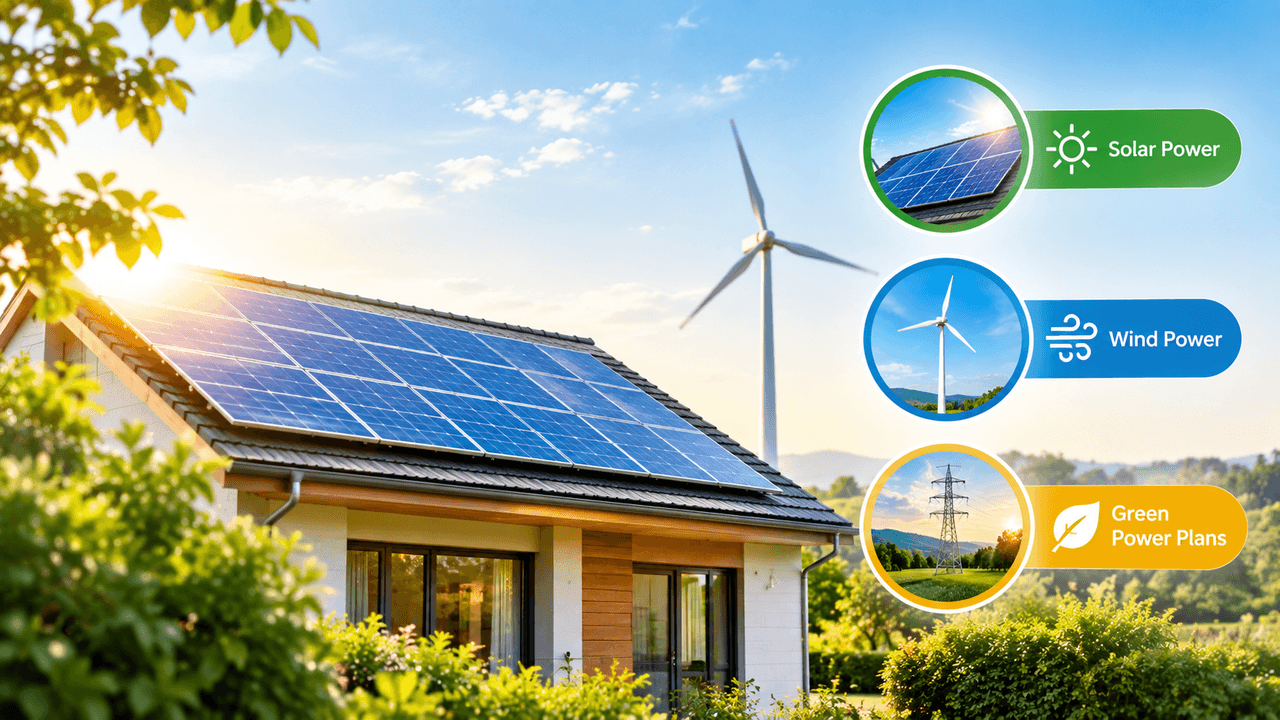
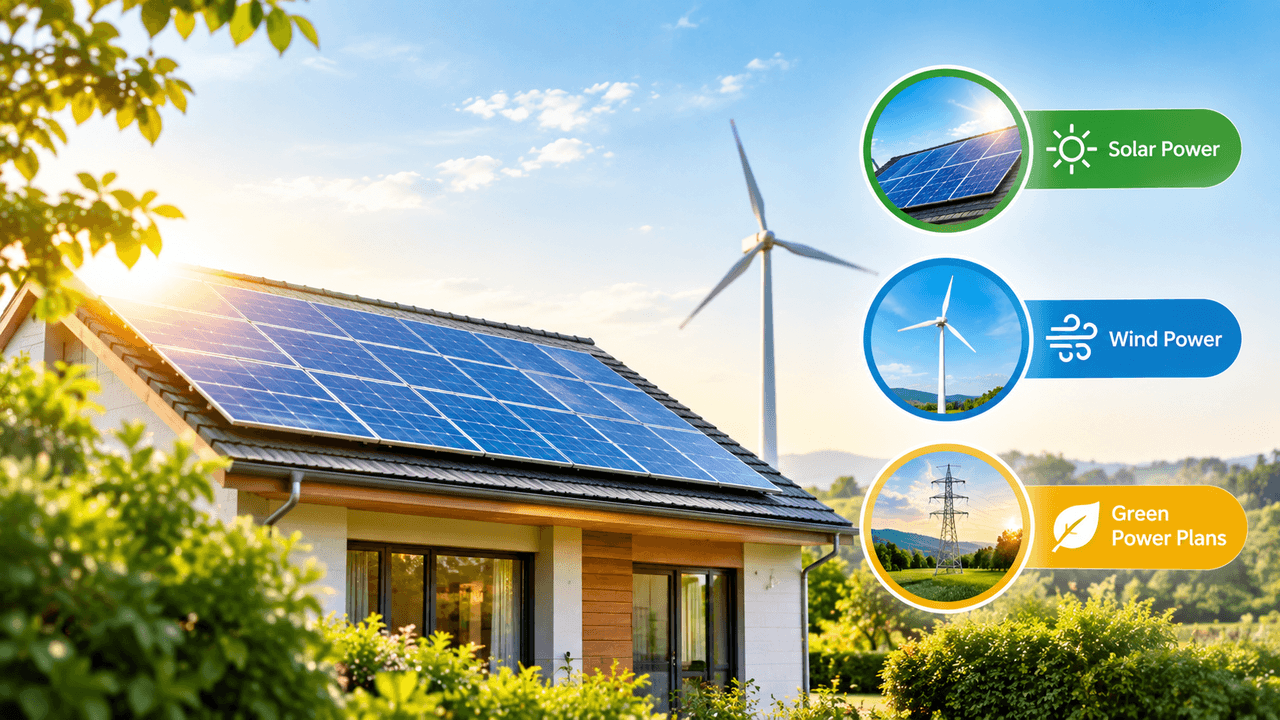
Ways to Generate Clean Power at Home
Rooftop solar panels remain the most common way homeowners generate their own power. They convert sunlight into electricity you can use right away. You can also store that power in a battery or send it back to the grid for credit.
Green power plans let you buy renewable electricity directly through your utility. You don't have to install any panels. The DOE notes at least half of US customers already have this option today.
Small-scale systems like a wind turbine or geothermal heat pump can work well too. They tend to suit rural properties or larger lots. Check that local codes and zoning rules allow them first.
State and Utility Incentives to Check
Upfront equipment costs make many homeowners hesitate, and one major incentive is no longer available. The federal Residential Clean Energy Credit (IRC Section 25D) covered 30% of qualified solar and battery storage costs, but the IRS states it is not available for property placed in service after December 31, 2025. For a new system, state rebates, municipal incentives, and utility net-metering credits are what can lower out-of-pocket costs, and what's offered varies by state and utility. The IRS page has the current federal rules.
Always check the Database of State Incentives for Renewables and Efficiency (DSIRE) database first. It tracks active solar and clean energy programs across every US zip code.
Generating your own clean electricity is a great start. Still, producing power matters far less if your home constantly wastes it.
Pillar Two: Use Energy More Efficiently
Efficiency is the cheapest pillar to act on. It multiplies the value of whatever clean power a home already generates or buys. A simple sequence works for most households.


Start with a home energy audit
A home energy audit can show where energy is escaping or getting wasted. You can perform a basic audit yourself. You can also hire a professional for a more detailed assessment.
Look for issues involving:
Drafty doors and windows
Poor attic insulation
Inefficient appliances
Older lighting
Heating and cooling losses
Air leaks around penetrations and access points
Fixing the biggest problems first usually gives you the best return.
Upgrade appliances and lighting
When older appliances need replacing, choose ENERGY STAR-certified models when appropriate. LED bulbs are another simple upgrade. They use less electricity than traditional incandescent bulbs and can last much longer. You don't need to replace every appliance today. Upgrade equipment as it reaches the end of its useful life.
Seal air leaks
Air leaks can make your heating and cooling system work harder. Check around doors, windows, attic access points, and other obvious gaps. Sealing these areas can be relatively inexpensive. It can also improve comfort throughout the house.
Use a smart thermostat
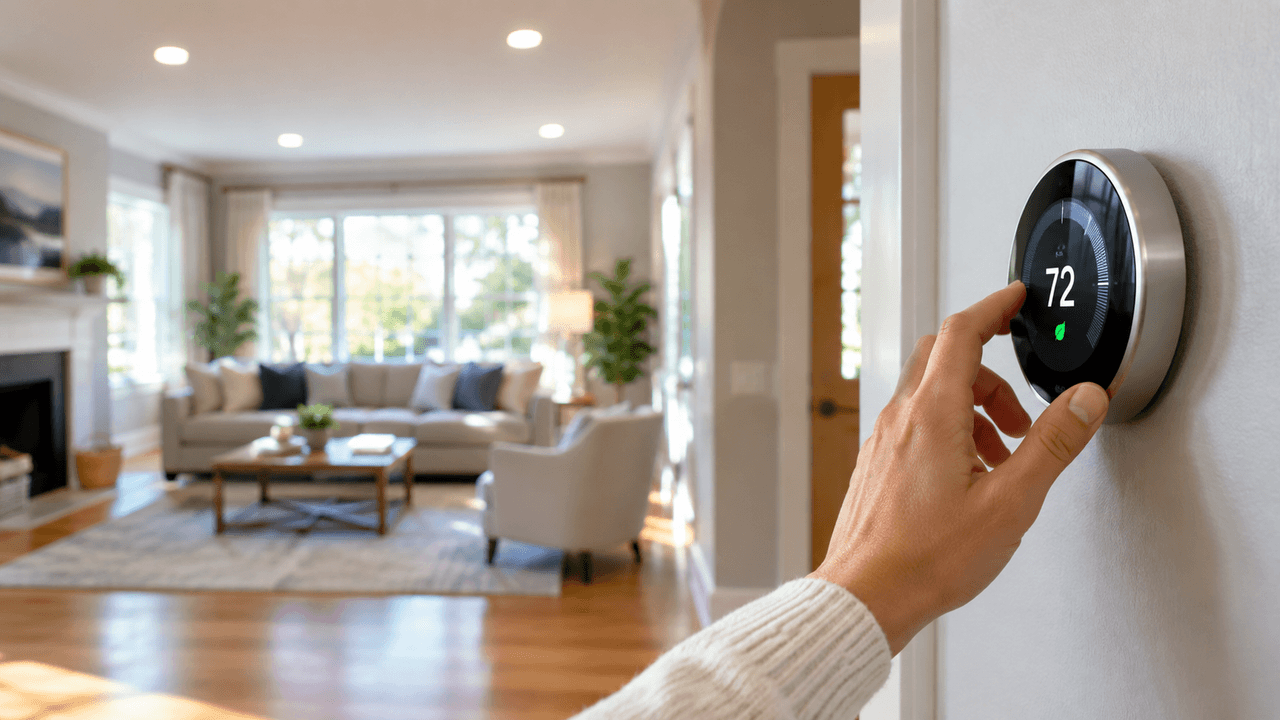
Heating and cooling can account for a major share of household energy use. A programmable or smart thermostat can reduce unnecessary heating and cooling. It can automatically adjust temperatures based on your schedule. That means less energy gets used when nobody needs it.

Consider a heat pump
Heat pumps can provide an efficient option for space or water heating. They also work well with renewable electricity. A gas furnace or gas water heater can't run directly on electricity from your solar panels. Electrifying these systems can therefore make more sense as your home moves toward cleaner energy.
Generating and conserving energy both matter. But neither guarantees power when you need it. That's where storage becomes important.
Pillar Three: Store and Manage the Power You Generate
Solar panels only produce electricity when the sun is available. Your home still needs power after sunset. The grid can also go down during storms, equipment failures, and other emergencies. Battery storage helps bridge that gap. A home battery can store surplus solar power for later use. It can also store off-peak grid electricity, depending on the system. That stored power can become useful during evening demand or an outage.
The three EcoFlow TITAN systems below cover a range of household sizes and budgets for exactly that purpose.
For larger homes with higher power demands, battery capacity and output matter. The EcoFlow TITAN Plus delivers strong output and expandable storage. That gives homeowners more flexibility for daily energy use and outage backup.
If you want a flexible home battery, you don't have to choose the largest setup. The EcoFlow TITAN offers solid output and expandable capacity. It can fit naturally into a growing sustainable energy plan.
For homeowners focused on essential loads, the EcoFlow TITAN Classic offers a simpler storage option. Its expandable capacity gives you more flexibility. It can help keep important household circuits running when grid power isn't available.
The TITAN Plus and TITAN both work with the grid to combine solar, battery, and utility power intelligently; TITAN Classic covers essential-circuit backup without that grid-interactive functionality.
With all three pillars laid out individually, here's how they typically come together in practice.
Putting the Three Pillars Together: A Simple Household Roadmap
Building a complete sustainable energy strategy doesn't have to happen all in one weekend. You can roll out each phase as your household budget and priorities allow.
Pillar | Typical First Step | What It Achieves |
Generate | Install rooftop solar or switch to a green power plan | Reduces reliance on fossil-fuel-generated electricity |
Use Efficiently | Run a home energy audit, then upgrade appliances and insulation | Lowers overall demand, making the other two pillars more effective |
Store and Manage | Add a home battery like TITAN, TITAN Plus, or TITAN Classic | Makes generated or off-peak power available on demand, including during outages |
The best starting point depends on your situation. A high electric bill might point you toward efficiency upgrades. An aging roof could make solar worth considering. Frequent outages could make battery storage the more urgent priority. Start with the issue that's costing you the most money or causing the biggest headaches.
Conclusion
Achieving sustainable energy at home doesn't come down to one big upgrade. It takes three connected steps: generating clean power, using energy efficiently, and storing it for later. Start with a home energy audit. Find where your home uses or wastes the most energy. Then explore local solar and green power options that fit your home. Battery storage can help make that clean power available when you need it most. For the storage side of your plan, consider the EcoFlow TITAN Plus, EcoFlow TITAN, or EcoFlow TITAN Classic. Each offers a flexible way to store energy and keep essential power available when the grid goes down.
FAQs
What are the three main components of a sustainable energy strategy?
A sustainable energy strategy has three parts: generate clean power, use energy efficiently, and store or manage that power. Together, they create a practical household energy plan.
How much US electricity currently comes from renewable sources?
Renewable sources currently provide more than 20% of U.S. electricity. That share includes sources such as solar, wind, hydropower, geothermal energy, and other renewable resources nationwide.
Do I need solar panels to use renewable energy at home?
No, you don't need solar panels. You can choose a green power plan through your utility. Other renewable systems may also fit your property and local requirements.
What's the cheapest way to start making my home more energy sustainable?
Air sealing drafts around exterior doors, drafty windows, and attic hatches is the most affordable step. It costs very little upfront, delivers fast paybacks, and prevents conditioned air from escaping.
Why does battery storage matter for a sustainable energy plan?
Solar panels only generate power during daylight hours. Home batteries, like EcoFlow TITAN systems, can store that surplus clean electricity for later. Your family can use it overnight or during severe weather blackouts.
For press requests or interview opportunities, reach out to our media team
media.na@ecoflow.com