Heat Pump vs Furnace: Cost, Efficiency, and Performance Compared
- What Is the Difference Between a Heat Pump and a Furnace?
- How Do Heat Pumps and Furnaces Work?
- How Do Installation Costs Compare?
- Which Is More Energy Efficient?
- How Do Heating Performance and Climate Suitability Compare?
- What Are the Long-Term Operating Costs?
- Which Option Is Better for Your Home?
- Frequently Asked Questions
- Save Money, Stay Comfortable, Gain Resilience
When replacing an old or inefficient furnace, you might wonder, which is better, a heat pump or a furnace? The choice comes down to more than just comparing upfront costs.
You also need to factor in efficiency, performance in different climates, and long-term operating costs. Understanding these factors will help you choose a system for your home that keeps costs down and maintains comfortable heating and cooling all year round.
What Is the Difference Between a Heat Pump and a Furnace?
Put simply, a heat pump transfers thermal energy around, while a furnace generates it. This means a furnace can only be used for heating, but a heat pump can be used for heating, cooling, and even in heat pump water heaters to generate hot water with less energy.
How Do Heat Pumps and Furnaces Work?
A furnace generates warmth by burning oil or gas to create hot air. Then a blower forces that heated air through your ducting while combustion emissions are directed outside your home through a vent.
Electric furnaces are similar but use resistance and coils to warm the air that’s forced through the ducting. Since they produce no emissions, no additional venting is needed.
Heat pumps use a refrigerant that’s cooler than the outside air, allowing it to draw in thermal energy from the air. It compresses that energy, warming it further, then moves it throughout your home’s ducting like a furnace. But unlike a furnace, it can be set to reverse in summer, extracting thermal energy from inside and moving it outdoors to cool your home.
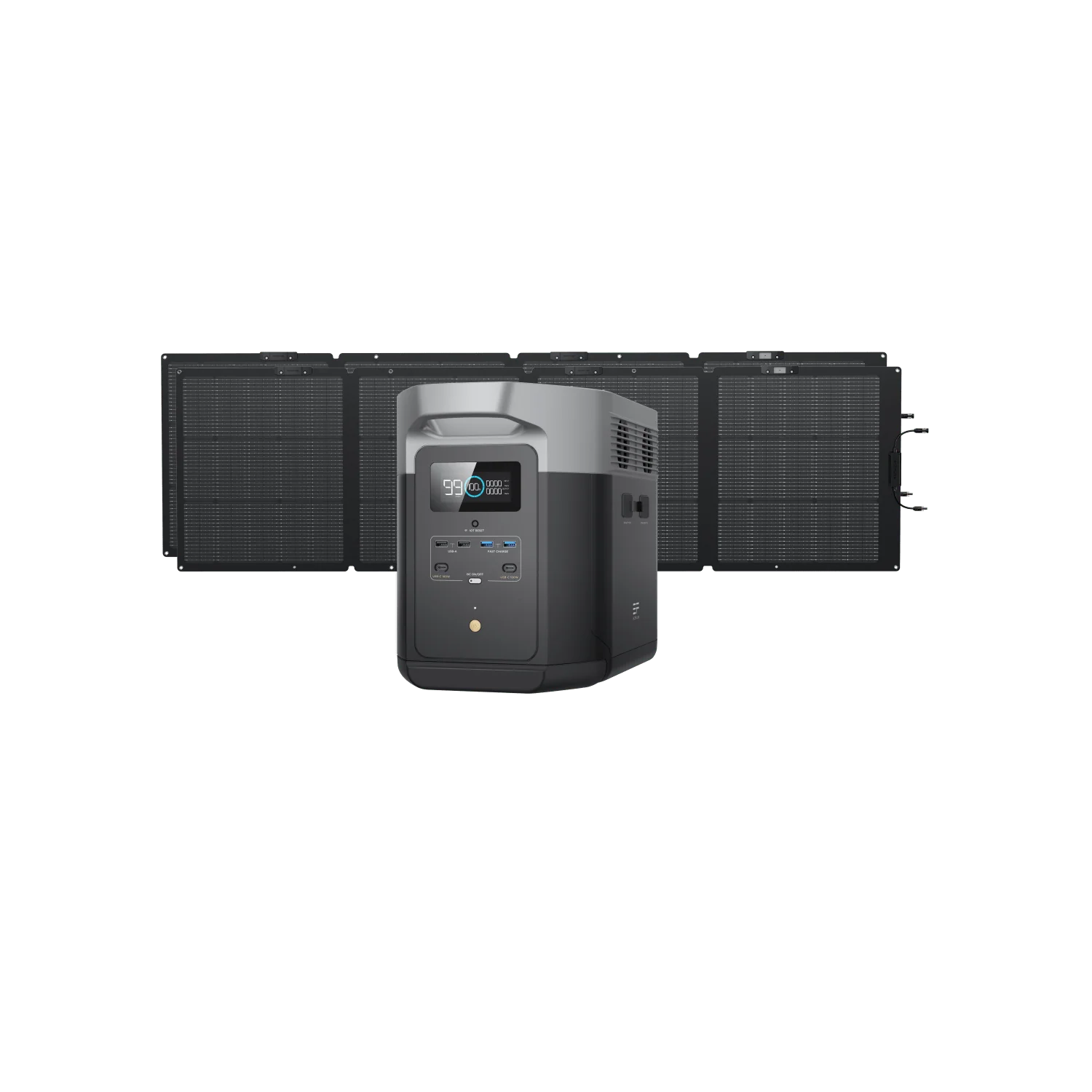
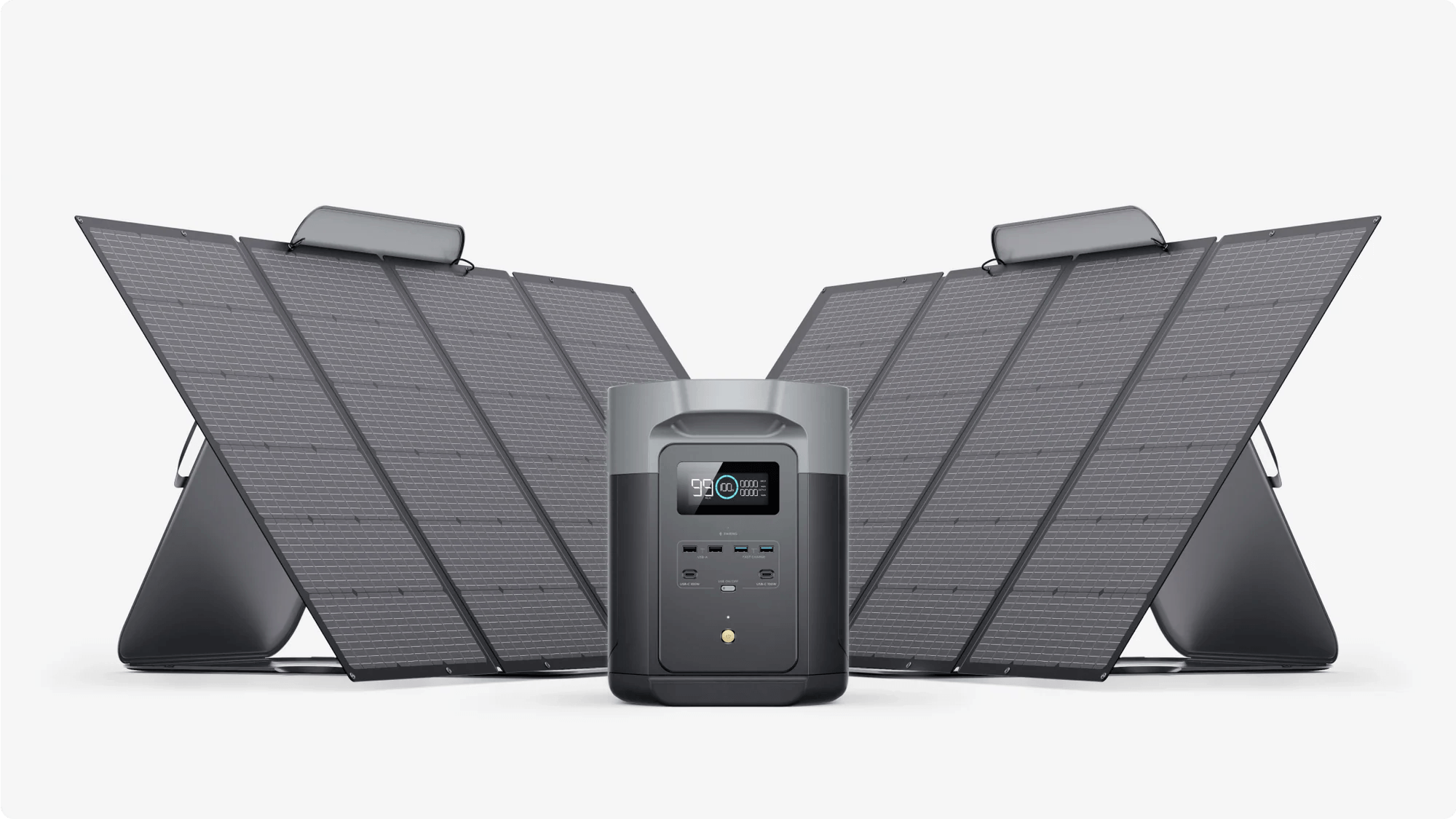
You can make your system even more efficient with the EcoFlow DELTA 2 Max + 220W Solar Panel bundle, using free, clean energy from the sun to warm and cool your home.
However, if yours requires a 240V plug, you’ll need a higher-capacity whole-home generator that supports a 240V plug.
How Do Installation Costs Compare?
Furnaces are typically cheaper upfront, between $4,000 and $10,000 installed, while heat pumps cost between $5,500 and $12,000.
The price varies with brand, efficiency, capacity, and what existing gas lines or ductwork you have. Ductless mini-split heat pumps are also available, which are helpful for keeping costs down in retrofits.
However, upfront costs shouldn’t drive your decision; your climate should. A furnace cannot cool your home, so you still need an air conditioner.
In contrast, heat pumps provide both warm and cool air, so you won’t need an air conditioner. However, if you have long frigid winters, you may still need a furnace to stay comfortable.
Which Is More Energy Efficient?
Heat pumps are usually more efficient because they have a higher coefficient of performance, delivering 2–5 units of heat for every unit of electricity used.
If you live in a mild climate, heat pump energy savings can be significant since they use less energy than furnaces and air conditioners, reducing both heating and cooling costs.
However, in frigid climates, the situation is more complicated.
Here, heat pumps still greatly improve efficiency, but since they only transfer and compress thermal energy from outside, your home may not be comfortably warm. In this case, a furnace is more effective at maintaining high indoor temperatures in extreme cold.
How Do Heating Performance and Climate Suitability Compare?
Heat pumps work in winter, with modern cold-climate systems now working well down to -15°F to -22°F (-26°C to -30°C), making them suitable for most climates. However, in areas with long, frigid winters, you might find it a bit chilly.
This is why many homes in cold climates are now installing hybrid systems using both, because the pump moderates the temperature so the furnace doesn’t have to work so hard.
When it comes to warm and hot climates, a heat pump should be all you need. But if you have a furnace, you’ll still need an air conditioner, and those both use far more energy than a heat pump.
What Are the Long-Term Operating Costs?
Long-term operating costs for heat pumps are always the lowest. Electric furnaces cost about 2.5 times more than an electric heat pump.
The long-term operating costs for gas furnaces can be very high, however, because of increasingly expensive fuels and more maintenance that must be done to keep them working efficiently and safely.
If you want to save more money, consider installing whole-home backup power solutions recharged with solar power. Unlike fossil fuels or grid power, the price of solar never changes. Once you’ve paid for the initial purchase, solar is free for the next 20 years.
Which Option Is Better for Your Home?
Which option is better for your home depends on your climate, your home, and your heating and cooling goals.
In mild and hot climates, heat pumps are usually the clear winner because you won’t need anything else. But in areas with freezing winters, having both is best, since the furnace will provide extra warmth when needed, while the pump keeps operating costs down.
Frequently Asked Questions
How Do Heat Pumps Perform in Cold Weather?
Modern heat pumps work very well in cold weather. And if yours doesn’t provide enough warmth to remain comfortable, having one still significantly reduces your furnace’s operating costs.
Can a Heat Pump Replace My Furnace in Mixed Climates?
Yes, heat pumps can replace both furnaces and air conditioners in mixed climates. The only exception is areas with very frigid winters, where also having a furnace to ensure comfort may be a wise choice.
Save Money, Stay Comfortable, Gain Resilience
Heat pumps and furnaces both have their strength, and ultimately it depends on where and how you live. For many homeowners, the choice is clear: heat pumps usually win. However, if you have frigid winters, the question isn’t really an either/or; the most efficient choice is both. You can improve your efficiency even further when you run your heat pump with the EcoFlow DELTA 2 Max + 220W Solar Panel bundle.
For press requests or interview opportunities, reach out to our media team
media.na@ecoflow.com