How to Lower Your Electric Bill While Keeping Your House Warm in Cold Weather?
The porch is accumulating snow, and the heating unit struggles to keep the home comfortable. Many families notice that the price of heating the home increases when the temperature is below freezing. Having a warm and cozy living room and low heating bills seems like a difficult thing to achieve. There are tips that can help you keep the costs of heating low without turning the bedroom into an ice box.
Why Your Electric Bill Is So High in the Winter
Many factors contribute to rising costs during the colder months. You may often wonder why is my electric bill so high in the winter when your daily habits seem to stay the same.
Heating systems that are over a decade old often lack the efficiency of modern technology and consume more power.
Heat naturally escapes through walls and attics that do not have enough insulation to block thermal transfer.
Small gaps around windows and doors allow cold air to enter while warm air leaks out of the living space.
Setting the thermostat too high causes the furnace to run in frequent, taxing cycles.
Water heaters work much harder to maintain temperatures when the incoming pipes are cold.
Leaving exhaust fans in the kitchen or bathroom running too long pulls warm air out of the house.
Identifying these issues is the first step toward a more affordable home and a lower monthly bill.
How to Lower Your Electric Bill in Winter
Taking immediate action is possible by following expert advice, such as tips provided by the U.S. Department of Energy (DOE). These strategies focus on simple adjustments that produce results without requiring professional help or expensive equipment.
Optimize Your Thermostat for Maximum Savings
Setting your thermostat to a lower temperature while you are asleep or away is highly effective. Aiming for a steady temperature when you are home, such as sixty eight degrees Fahrenheit, helps keep costs manageable. Every degree you lower the setting can reduce your total energy usage. This simple habit is one of the easiest ways how to lower your electric bill without spending a cent on new equipment. You may find that wearing a sweater allows you to drop the temperature even further.
Seal Drafts with Weatherstripping and Caulk
Weatherstripping refers to the rubber or foam strips used to seal the moving parts of doors and windows. Caulk is a flexible sealant used for stationary gaps. Applying these materials prevents cold air from infiltrating your living space.
Check for gaps around electrical outlets on exterior walls.
Apply door sweeps to the bottom of all entry doors.
Use temporary plastic film to cover old windows with only one layer of glass.
Harness Solar Heat and Use Heavy Curtains
The sun also offers free heating even during the most frigid months. Make sure that the curtains in the south-facing windows are left open during the day to harness the sun's warmth. As soon as the sun goes down, close the heavy-lined curtains to double the insulation effect of the windows. This technique naturally insulates the house by preventing the warmth inside the house from escaping. This technique requires no electricity.
Perform Basic Maintenance on Heating Equipment
Small maintenance tasks can go a long way in influencing the amount of energy your house consumes. When you replace the dirty air filters, the air may be able to move more easily through the system. When filters become dirty, the engine will be working much harder to blow air into the rooms. Looking at your vents to ensure that your furniture and carpets are not obstructing them also ensures that everything works well. These small steps help the heat reach areas where it is most required.
Use Smart Technology and Habits to Boost Efficiency
Modern tools and better daily routines provide more control over your energy budget. Integrating technology can simplify the process of managing a household.
Transition to Smart Thermostat Technology
A smart thermostat changes the temperature in your home based on your schedule. These devices understand how you live and turn down the heat when no one is home. These tools give you a straight answer to the question of how to cut your power costs in the winter by stopping wasteful heating. You can also keep an eye on how much you use many of these devices with a smartphone app.
Focus on Water Heating Efficiency
The water heater is often the second largest energy consumer in a typical home. Lowering the maximum temperature on the tank to one hundred twenty degrees Fahrenheit prevents the system from overheating the water. This adjustment reduces the energy required to maintain the tank temperature throughout the day. Taking shorter showers also contributes to a lower monthly statement. Using less hot water means your heater does not have to run as frequently.
Strategize Your Energy Usage with Home Battery Systems
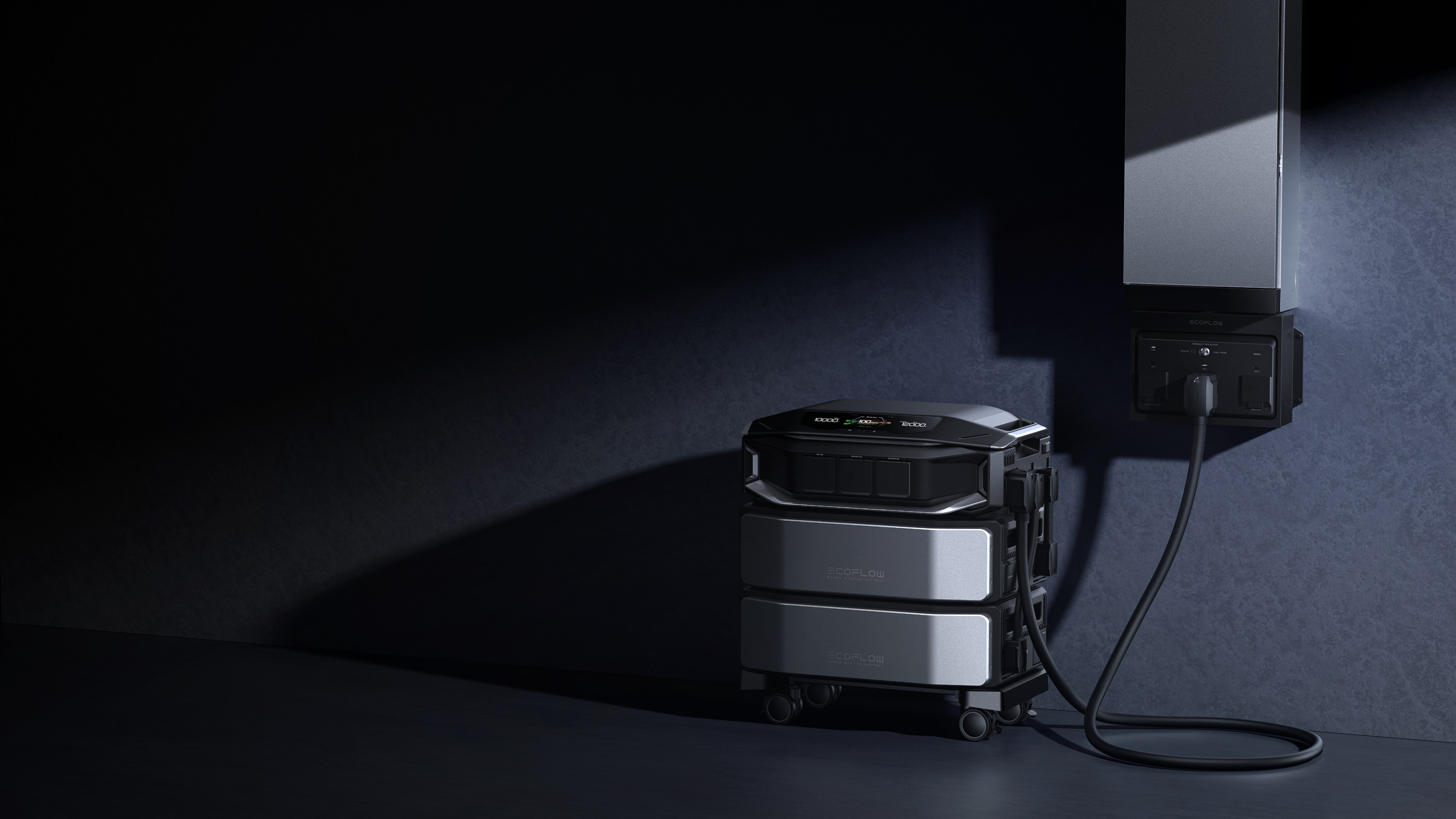
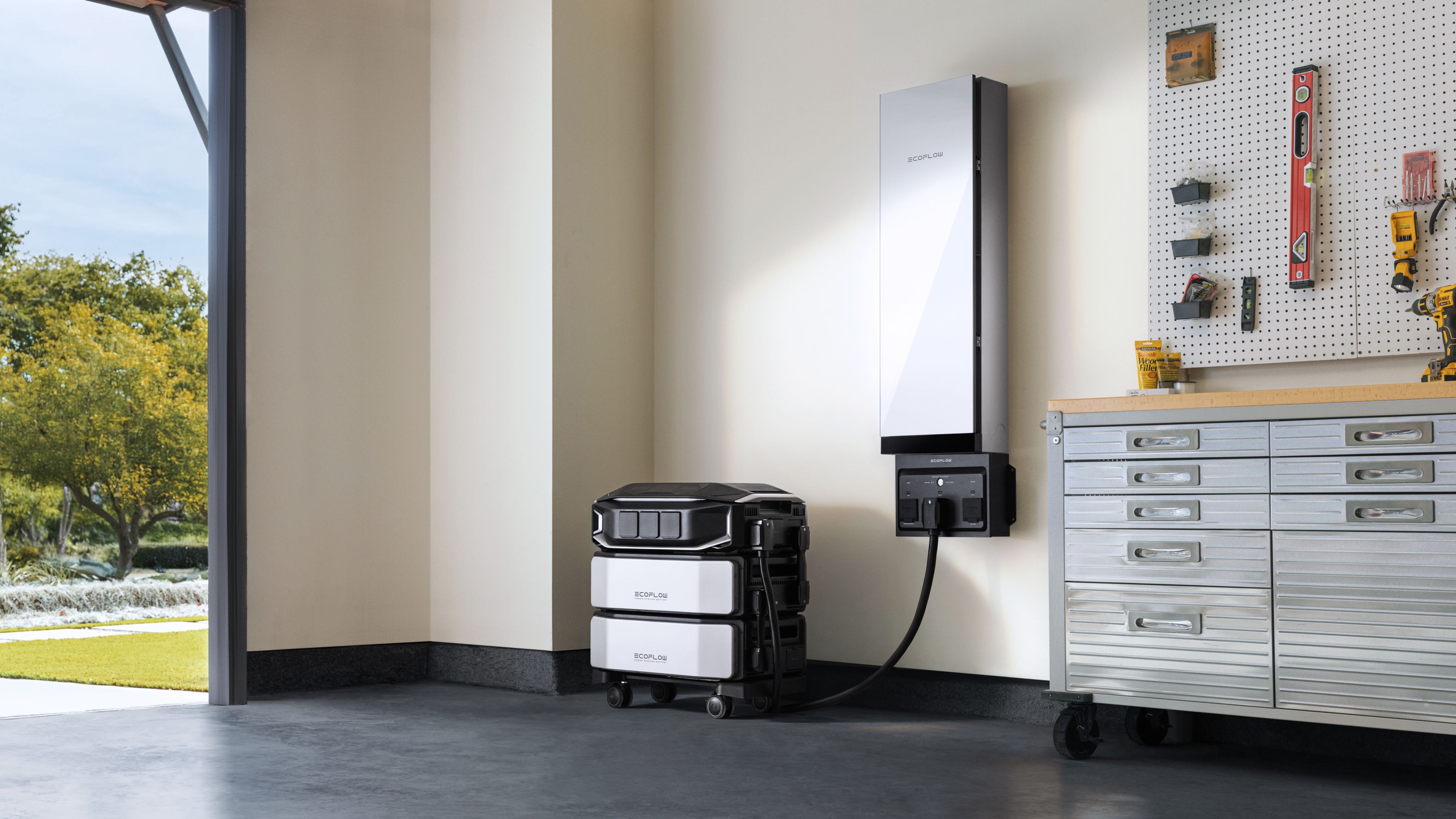
When individual habits are not enough to combat high peak hour rates, managing the source of your power becomes essential. A robust system like the EcoFlow DELTA Pro Ultra X allows you to store energy when electricity prices are low and discharge it to run your home during expensive peak demand times. This high capacity backup solution handles heavy appliances with ease, ensuring your heating stays on even during grid outages. Utilizing this type of smart energy storage is a powerful way to gain long term control over your utility expenses.
Reverse Your Ceiling Fans to Push Warm Air Down
Fans are generally considered to be devices which help cool the body, but they can be of use in the winter as well. This is because the fan produces an updraft when the motor is turned in such a way as to make the fan blades turn in a clockwise direction. This helps the heated air rising to the top of the room to be blown back to the floor.
The following table shows how various habits at home will impact the amount of energy used.
| Habit or Upgrade | Impact on Efficiency | Difficulty Level |
| Lowering Thermostat | High | Very Easy |
| Reversing Ceiling Fans | Medium | Very Easy |
| Sealing Air Leaks | High | Moderate |
| Using Smart Plugs | Low | Easy |
Monitoring these small changes helps you identify which actions provide the most significant financial relief.
Invest in Long Term Home Improvements for Energy Efficiency
Permanent upgrades to your property can provide savings for many years to come. While these require more effort, the results are often permanent.
Enhance the R-Value of Your Insulation
The R-value is the measure of a material's resistance to heat flow. A higher R-value means the insulation is more effective. Adding more fiberglass or cellulose insulation to your attic can drastically change the comfort level of your home. This investment ensures that the heat generated by your furnace stays inside the living areas for a longer duration. It is one of the most effective ways to solve the problem of how to lower your electric bill over the long term.
Maintain Your HVAC System Regularly
HVAC stands for Heating, Ventilation, and Air Conditioning. Scheduling a professional inspection ensures that your system operates at high levels of efficiency. Clean filters and lubricated parts allow the motor to run smoothly without using excessive electricity. A well-maintained system is much more reliable and efficient during extreme cold snaps. Regular service visits can also prevent expensive repairs that often happen during the middle of winter.
Take Action to Reduce Your Energy Costs
Winter utility bills can be managed in the short term by making repairs and using smart technology. Sealing leaks, optimizing your thermostat, and using energy storage systems are great ways to cut your utility bills without giving up any of the comfort that you need. These tips are great ways to protect your home and your pocketbook from the chill of winter. Take a look at your current practices for using energy and find out where you can improve.
FAQs
Q1. Is It Cheaper to Leave the Heat All Day?
No, it is generally not more affordable to keep the heat at a high temperature all day long. Homes lose heat faster when the difference between indoor and outdoor temperatures is large. Lowering the temperature when you are away reduces the total energy lost to the environment.
Q2. Should I Close the Vents in Unused Rooms?
No. Closing vents can lead to serious issues with your heating system. There is a certain air pressure needed in the ducts of an HVAC system. Closing the vents increases the air pressure in the ducts. This may lead to air leaks and even damage the blower motor of the HVAC system. To maintain system efficiency and longevity, it is best to keep vents open and allow the air to circulate freely.
Q3. Will Using a Space Heater Save Money?
Yes, but only if you are using it for zone heating. Zone heating is a process whereby you heat one room while keeping the other part of the house cool. Using a space heater while keeping the main furnace high may increase your electric bill.
Q4. Do Power Strips Help Reduce Winter Electric Bills?
Yes, by using power strips, you can prevent "phantom energy" from being lost. This is because even when devices are turned off, some devices consume a small amount of energy. Using a power strip and turning the strip off at night is a great way to ensure that you pay for the energy you are using.
For press requests or interview opportunities, reach out to our media team
media.na@ecoflow.com