Milwaukee Flooding: Why This City Has Flooded Twice in Under a Year
Milwaukee recorded a staggering 14.55 inches of rainfall in just 24 hours during the August 2025 "1,000-year storm," only to face severe flooding again eight months later in April 2026. An aging sewer network continues to lose ground against back-to-back historic downpours, putting local properties at repeated risk. When these storms hit, losing power to your sump pump creates an immediate basement disaster. Understanding what is driving these recurring floods and knowing how to secure your basement before the next storm makes all the difference.
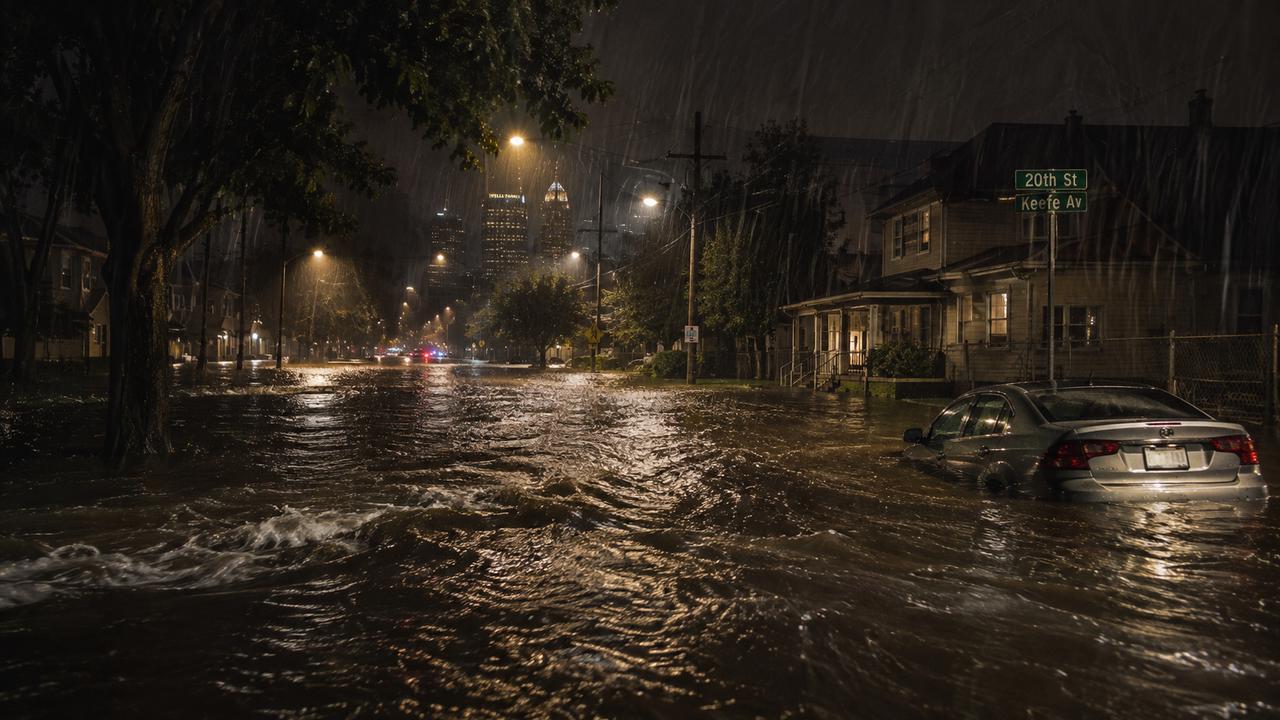
A City Built for Rain, Overwhelmed Twice in Eight Months
During the August 2025 storm, James Madison High School recorded 14.55 inches of rain within a 24-hour window, shattering the city's previous high mark of 11.72 inches, while several surrounding areas saw upwards of 15 inches. The rainfall was so extreme that Milwaukee's Public Works commissioner called it beyond what any municipal sewer system could physically handle.
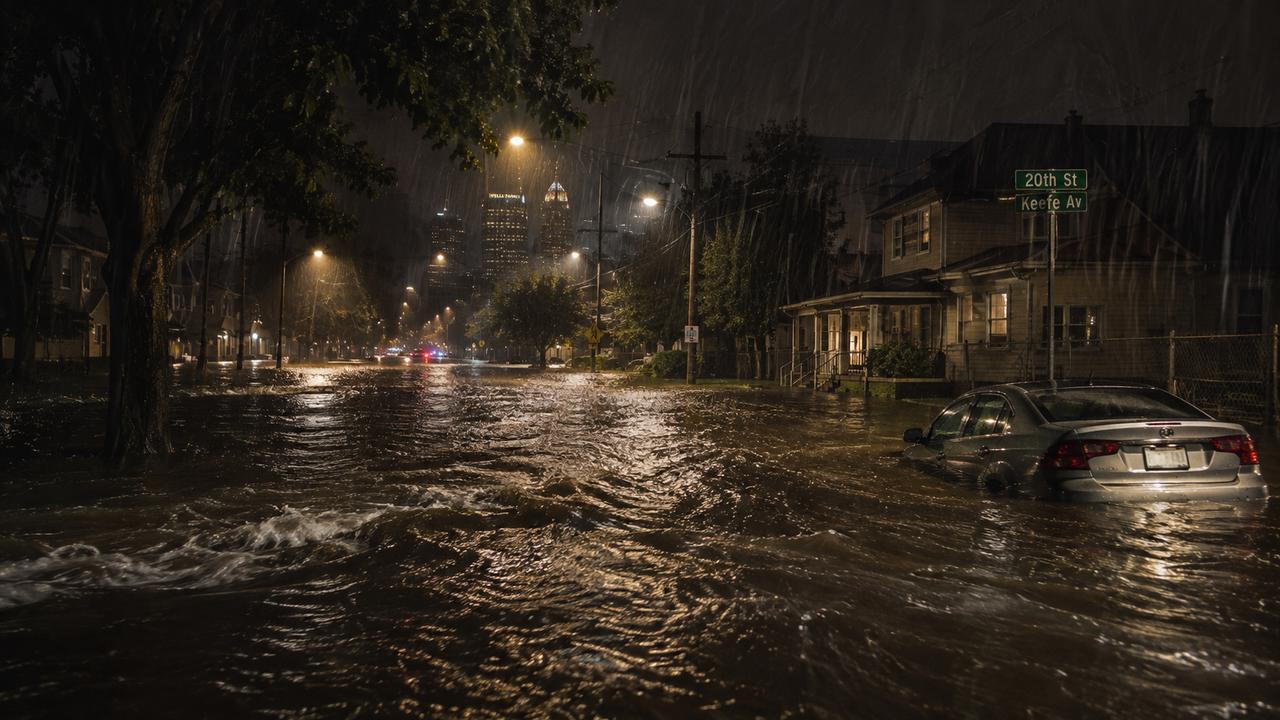
Eight months later, in April 2026, intense storms swept across Milwaukee once more, flooding basements and city streets. Multiple neighborhoods endured what local officials described as a full month's worth of rain compressed into one or two hours. A downed line from an isolated thunderstorm can cut power to one block while a few streets over stay dry, and that's the exact kind of localized burst behind Milwaukee's mid-storm outages.
While the Deep Tunnel and regional stormwater basins are designed for severe weather, the joint city-county task force formed after the 2025 disaster acknowledged that civil engineering alone cannot outpace extreme rainfall. Diverting, storing, and managing storm runoff on individual properties is just as vital as city-wide drainage.
The Real Danger: Losing Sump Pump Power Mid-Storm
Most Milwaukee basement flooding happens because a sump pump either can't keep up with the volume of water or loses power during the storm. Severe weather that causes flooding is often the same weather that knocks out electricity.
A sump pump that stops running for even 20 to 30 minutes during a heavy downpour can be the difference between a damp basement and one flooded knee-deep, since incoming water doesn't pause while the power is out. Most sump pump battery backups are sized for a quick blip, not the hours a storm like this can run.
Standard 12V battery backup systems are typically engineered for brief disruptions rather than sustained outages. In contrast, a comprehensive whole-home battery system supplies continuous power to your sump pump alongside sewer backflow valves, communication devices, and critical appliances for as long as the storm and its aftermath last.
EcoFlow DELTA Pro Ultra X
EcoFlow DELTA Pro 3
With power planning covered, here's what's actually happened on the ground in recent Milwaukee flooding.
What Recent Flooding Has Actually Looked Like
The August 2025 Milwaukee flooding left behind more flooded streets and temporary closures. In Wauwatosa, homeowner James Moore watched water rise from his basement to waist-deep before reaching the first floor of his home along the Menomonee River. The scale of the damage meant that for many residents, recovery continued long after the floodwaters receded.
The flooding was also deadly. Rising water along the Kinnickinnic River contributed to at least two drowning deaths during the August 2025 storm, prompting Wisconsin's governor to declare a state of emergency as communities across the region dealt with widespread damage and dangerous conditions.
Milwaukee faced another round of flooding in April 2026. Streets including South 43rd Street near Jackson Park were affected, while vehicles became stranded beneath the West Burleigh Street railroad crossing. Flooded roads also made it harder for community groups and emergency responders to reach residents who needed assistance, showing how quickly a heavy downpour can become a broader access and safety problem.


Why the Flooding Keeps Coming Back to the Same Places
Milwaukee's repeated flooding has prompted city and county officials to form a joint task force after the 2025 flood specifically to identify recurring flood hot spots and figure out what can be done differently in those areas. The task force's job is narrow on purpose: find the streets and neighborhoods that flood every time, not just the ones hit by a single record storm, and start testing fixes at that scale instead of waiting for another citywide overhaul.
Local officials have pushed back on the idea that flooding should be an expected outcome of heavy rainfall. Several have called for an open public discussion of specific neighborhoods that flood repeatedly, treating repeat flooding as a fixable pattern tied to drainage, elevation, and aging infrastructure rather than bad luck that happens to hit the same blocks twice.
There is also a broader climate concern. Climate projections cited by Wisconsin emergency-management officials indicate that heavier rainfall events are expected to become more frequent, putting additional pressure on communities and infrastructure. That means Milwaukee's flooding challenge may be more than a one-time infrastructure problem; homeowners in flood-prone areas may need to plan for increasingly intense rainfall. It also makes understanding what your homeowners policy actually covers important, since flood damage may be treated differently from other types of water damage. Flood insurance coverage and its limitations can help homeowners understand that distinction before the next major storm.
Understanding why your specific street floods is step one. The next step is protecting your own basement before the next storm arrives.
Protecting Your Basement Before the Next Storm
A few practical steps taken before the next heavy rain can keep most basements dry even when Milwaukee's sewers and power grid fail at the same time.

Inspect for a backflow valve: Have your sewer lateral checked for a backflow valve, which stops the city system from backing up into your basement once it's overwhelmed. That's a separate risk from surface flooding, so a sump pump alone won't cover it.
Keep drains clear: Clear debris from basement drains on a regular schedule, and skip flushing wipes or other non-flushable material that can clog pipes during high-flow events.
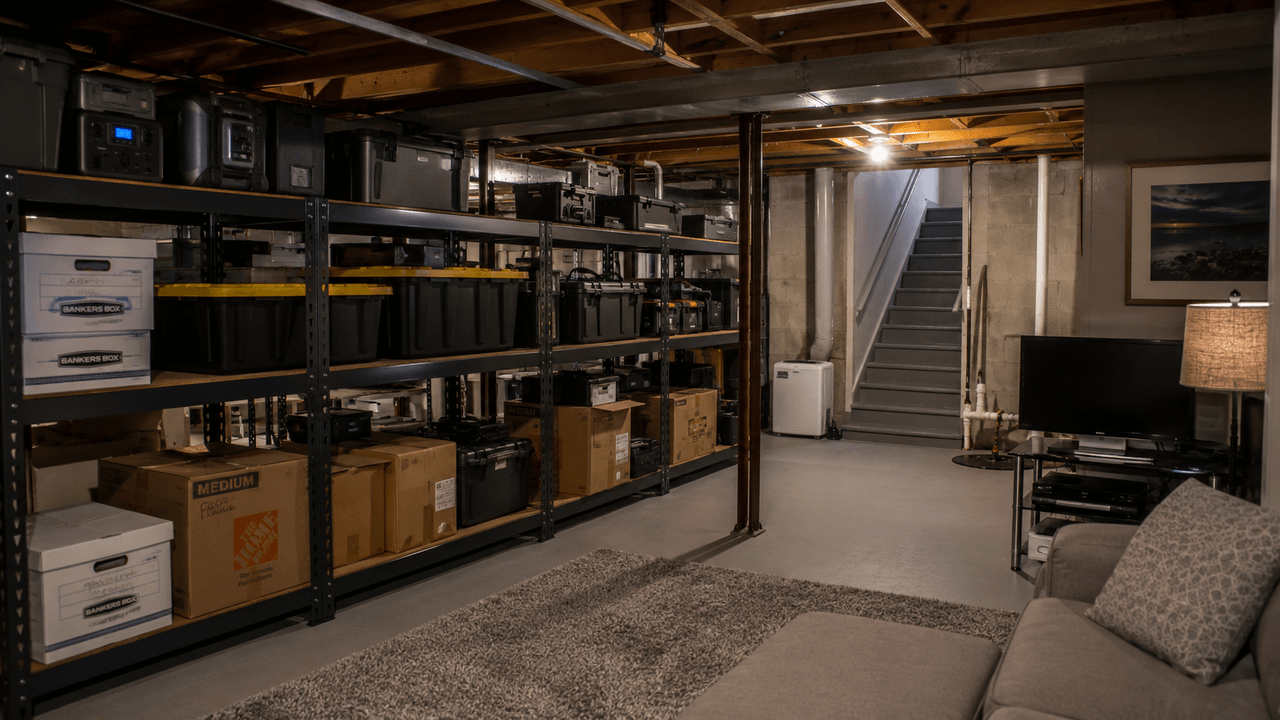
Move valuables off the floor: Shift electronics, documents, and anything irreplaceable onto shelving. Even a well-maintained sump pump can lose the fight against a record-setting storm.
Prepare for outages in advance: Severe rainstorms frequently knock out power across the grid, leaving electric drainage equipment inoperable; learning how to stay prepared for power outages gives you the broader context on outage causes and the practical steps needed to keep essential basement systems running.
Conclusion
Two floods in under a year point to the same weak spot: Milwaukee's sewer system can't absorb rainfall at this intensity, and the risk of a mid-storm power outage compounds it right when a sump pump matters most. Homeowners can act on both fronts now. Have a sewer lateral checked for a backflow valve, keep the sump pump maintained and tested, and line up backup power before the storm hits rather than during it. That last step decides whether an outage stays a manageable basement issue or turns into a total loss. For whole-home coverage or a faster-charging portable option, the DELTA Pro Ultra X, DELTA 3 Ultra Plus, and DELTA Pro 3 solutions cover the range for either need.
FAQs
Why does Milwaukee keep flooding so severely?
Intense, short-duration rainfall repeatedly exceeds the capacity of local sewers and the Deep Tunnel. Climate trends point to heavier rain becoming more common, and certain neighborhoods sit in known hot spots that the new task force is prioritizing.
What happened during Milwaukee's August 2025 and April 2026 floods?
August 2025 produced a state-record 14.55 inches in 24 hours at James Madison High School, filled the Deep Tunnel, caused record river crests, and damaged thousands of properties. April 2026 brought another round of street and basement flooding plus a multi-day combined-sewer overflow of roughly 2.7 billion gallons.
Why is losing power during a storm so dangerous for basement flooding?
Sump pumps need continuous power to keep pace with incoming water. Storms severe enough to flood basements often knock out electricity too, and a 20 to 30 minute outage during heavy rain can be enough to flood the basement completely.
Does a sewer backflow valve prevent all types of basement flooding?
No. It blocks reverse flow from the municipal system. Surface water, foundation seepage, and sump-pit overflow still require grading, clear drains, and a reliable sump pump with backup power.
Can a battery backup system keep a sump pump running during a power outage?
Yes, if the unit supplies enough continuous and surge wattage and switches automatically. EcoFlow whole-home and high-capacity portable stations keep the pump running through the full storm rather than only the first half-hour.
For press requests or interview opportunities, reach out to our media team
media.na@ecoflow.com