California's Weather Whiplash: From Historic Drought to the Wettest Season in Decades
In January 2025, California was deep in one of its driest wet seasons on record, and that parched landscape helped fuel the devastating Los Angeles-area wildfires. One year later, downtown Los Angeles logged its fourth-wettest start to a water year since 1877, while Southern California broadly experienced its wettest start in more than 20 years. That dramatic swing from fire to flood defines what meteorologists call California weather: flooding whiplash. Here is what is driving it, why burn scars raise the stakes, and how to stay prepared.
What an Atmospheric River Actually Is
Have you ever heard a weather forecaster mention an "atmospheric river" and wondered what it means? Understanding these systems is the first step toward knowing why California faces such intense flooding risks every winter.
Put it simply, an atmospheric river is a long, narrow band of concentrated water vapor moving through the sky. When it makes landfall, it can dump enormous rainfall in a short window. For a deeper dive, our guide on atmospheric rivers and their climate impact on the West Coast explains the mechanism in more detail.
California's geography makes it especially exposed. Repeated atmospheric rivers can deliver five to ten inches of rain within 72 hours. According to NOAA's overview of atmospheric rivers, these moisture corridors supply 30 to 50 percent of the West Coast's annual precipitation.
These systems drive most of California's largest flood events, including the 2022 to 2023 floods that caused more than 22 deaths and $4.6 billion in damage, which helps explain why California flash flood warnings recur every winter.
Why Last Year's Burn Scars Are This Year's Flood Risk
Wildfires and flooding might seem like separate disasters, but in California, they are directly connected. If you lived through the January 2025 wildfires, the danger is not over.
Those fires stripped hillsides of vegetation and root systems that normally absorb rainfall, and the slopes now shed water fast, triggering debris flows. For households still dealing with fire damage, this LA wildfire power outage survival guide covers what to prepare.
Debris flows carry rock, mud, and burned vegetation at speeds that can overwhelm structures with little warning. That is why burn-scar areas are flagged for evacuation well before flatter terrain. The USGS water science resource on floods explains how flood risk is assessed across terrain types. This vulnerability typically persists for two to five years.
Powering Through Wind-Driven Outages, Not Just Flooding
Losing power during a storm can be just as disruptive as the flooding itself. Are you prepared for an outage that lasts more than a few hours?
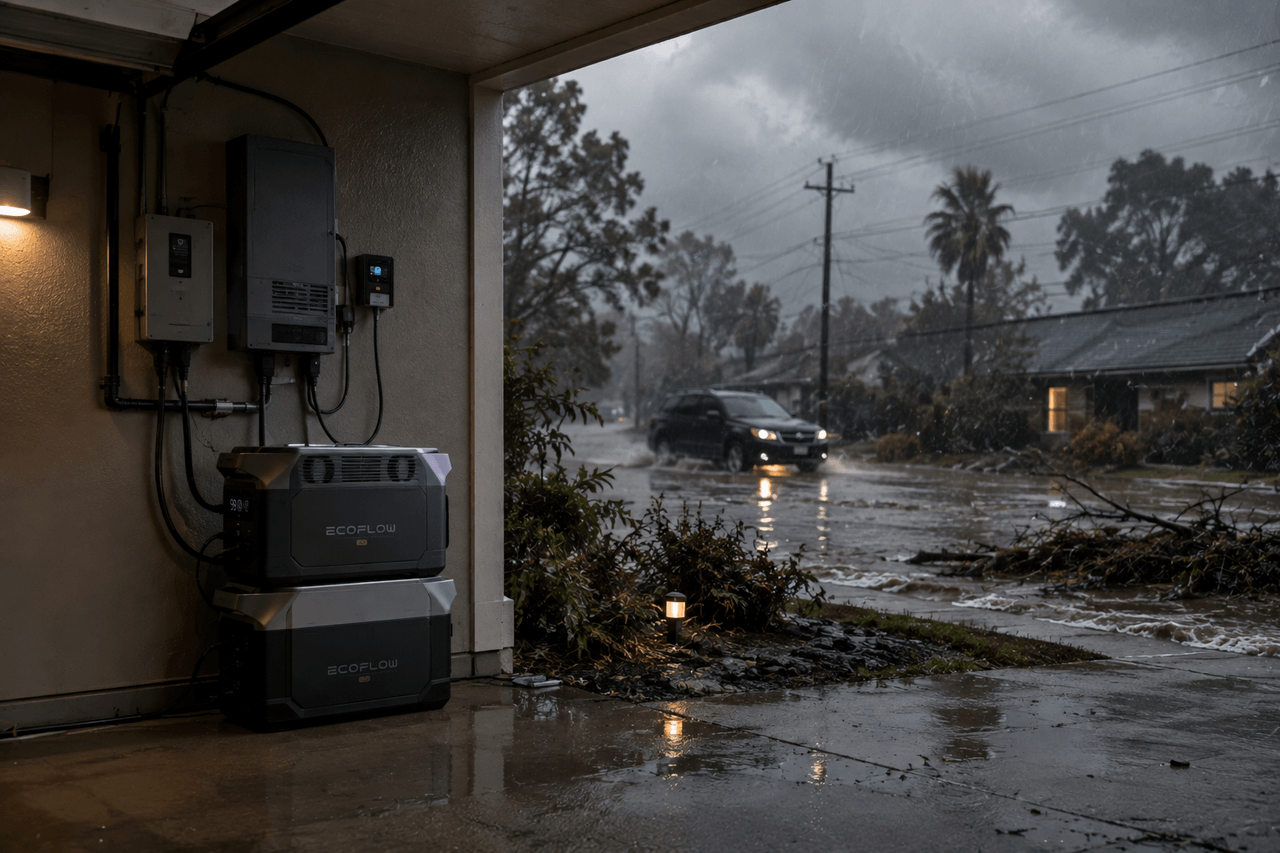
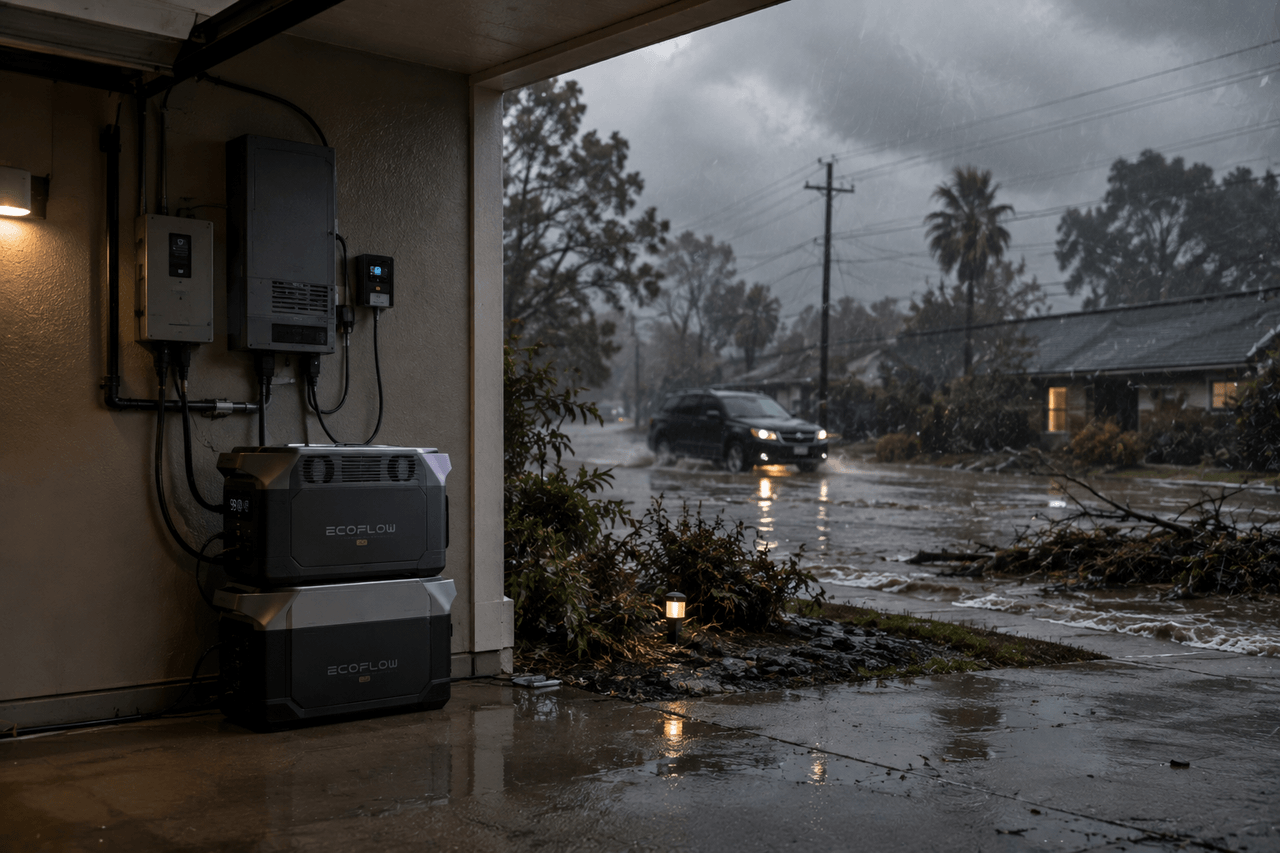
When most people think of storm damage, flooding comes to mind first. But atmospheric river storms bring damaging wind alongside the rain. Past events have produced hurricane-force gusts in San Francisco, and wind speeds over 100 mph in Sierra Nevada, knocking out power before any water reaches a home. This winter storm power outage survival guide covers what to do when the lights go out. Planning ahead is worth it even if your home sits outside any flood-prone zone.
One safety note: never run a fuel-powered generator indoors. Carbon monoxide from gasoline generators is a leading cause of storm-related deaths, according to FEMA's flood preparedness guidance. Battery-based systems are a safer alternative.
For something more portable, the EcoFlow DELTA 3 Ultra Plus is built for fast recharging and evacuations.
For essential-circuit needs, the EcoFlow DELTA Pro 3 offers a compact alternative.
With power planning covered, it helps to know that Northern and Southern California do not experience this pattern in the same way.
Northern vs. Southern California: Different Timing, Same Storms
If you are tracking storm forecasts, one common mistake is treating California as a single weather zone. The same atmospheric river hits each half of the state differently, and knowing the differences can shape how you prepare.
Factor | Southern California | Northern California |
Storm timing | Often sees the first wave as the atmospheric river makes landfall. A flash flood alert in California may go out to San Diego or Los Angeles hours before the north is affected. | Frequently takes a stronger, more sustained hit after the storm pushes inland. Flooding in northern California communities often exceeds what the south saw from the same system. |
Rainfall intensity | Early, concentrated bursts along the coast | Heavier, prolonged rain in the Coast Ranges and Sierra Nevada |
Flood type | Flash flooding and debris flows near burn scars, typical of floods in Southern California | Widespread river and creek flooding, characteristic of northern California floods |
Alert sequencing | A flash flood warning California issued for Los Angeles tells you nothing about conditions further north. | Northern regions may still be building toward peak flooding after the south has cleared. |
Always check region-specific outlooks, not statewide headlines.
With both halves of the state affected differently, staying on top of real-time alerts is essential.
Where to Check Current California Flooding and Alerts
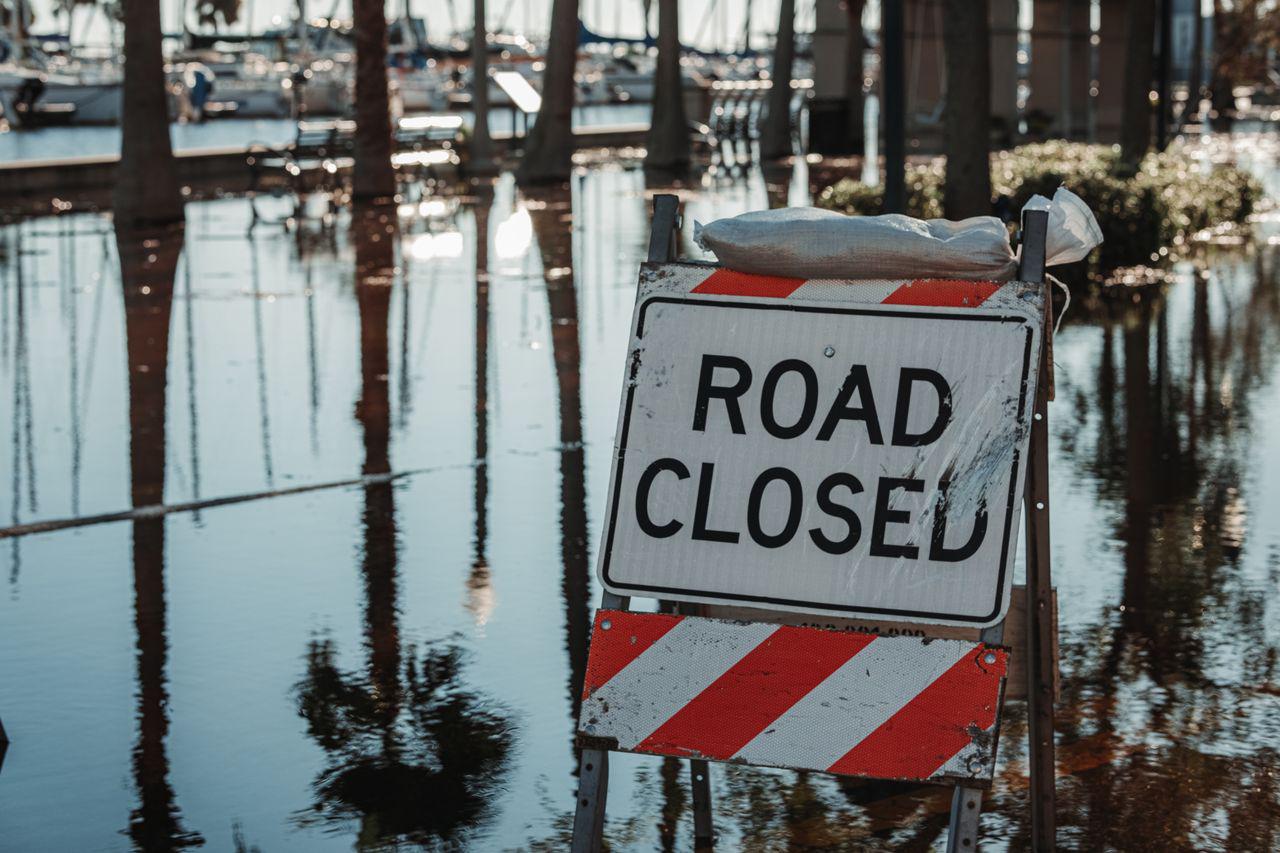
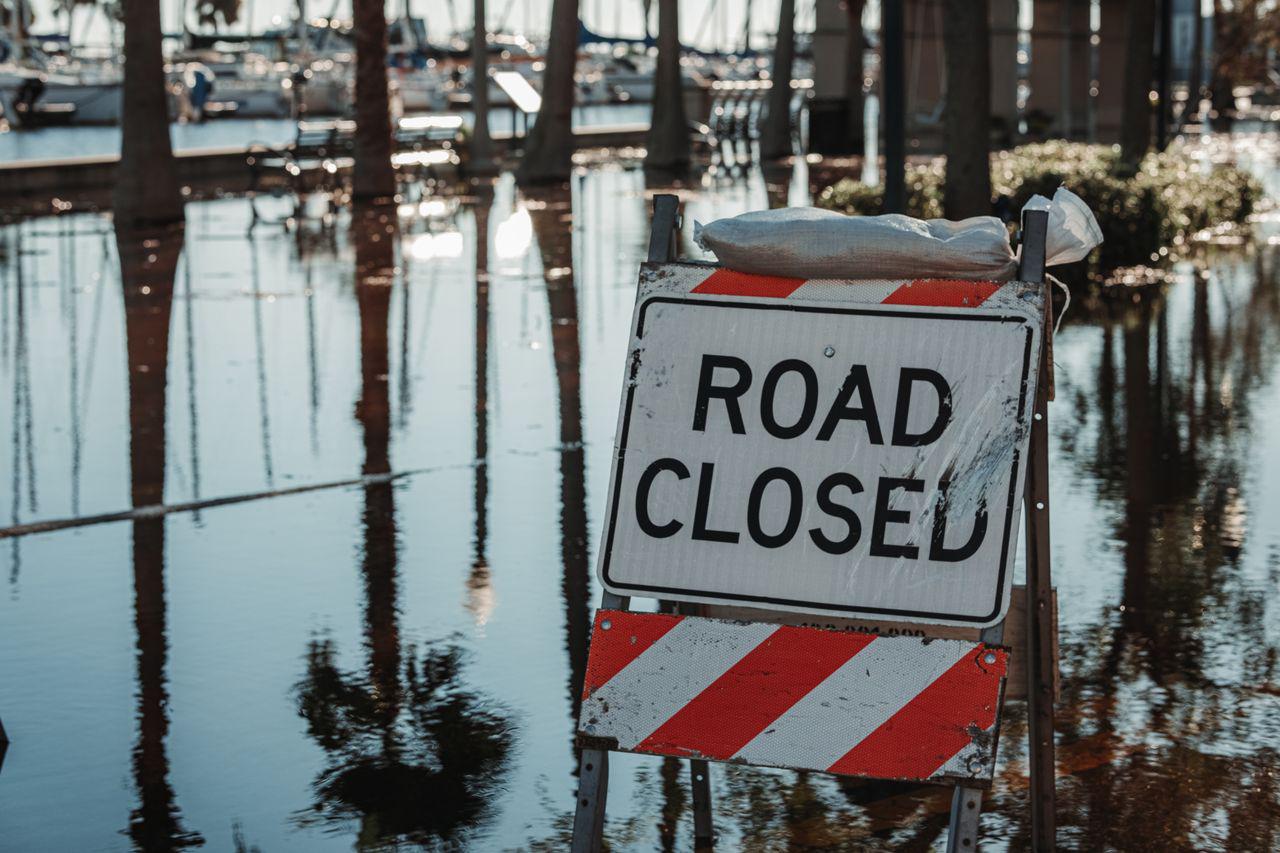
When a storm is approaching, knowing where flooding is in California can make the difference between a safe evacuation and a dangerous delay. Here is where to look.
The best starting point is the National Weather Service flood safety page. The NWS runs region-specific forecast offices across California. For Southern California, the Los Angeles/Oxnard office covers the greater LA area, while separate offices handle northern California flooding zones like the Bay Area and Sacramento.
Here is how to read the alert levels:
Flash Flood Watch: Conditions are favorable for flash flooding. Stay alert and know your evacuation route.
Flash Flood Warning: Flash flooding is imminent or occurring. Move to higher ground immediately.
Note: Alerts and affected counties change quickly during an atmospheric river event. Confirm current status at weather.gov before relying on specific dates or locations.
Conclusion
California has swung from one of its driest wet seasons on record to one of its wettest starts in decades, and burn scars from the January 2025 wildfires now face debris-flow risk from repeated atmospheric rivers. Understanding that Northern California flooding and Southern California storms follow different timing, checking region-specific NWS alerts, and keeping backup power ready for wind-driven and flood-driven outages are the most practical steps you can take. If you are exploring battery backup options, EcoFlow's whole-home backup solutions offer silent, fume-free coverage for exactly these conditions.
FAQs
What is an atmospheric river, and why does California get so many?
An atmospheric river is a narrow corridor of concentrated water vapor, often originating in the tropical Pacific. California gets more than most states because its coastline faces the Pacific and its mountain ranges force moisture upward, driving most of the state's major flood events.
Where is the flooding happening in California right now?
Conditions change rapidly during storm season. The National Weather Service issues California flash flood warnings through region-specific offices. Check weather.gov/lox for Southern California and corresponding offices for Northern California.
Why do burn scars from last year's wildfires increase flood risk this year?
Wildfire destroys vegetation and root systems that normally anchor soil. Without that protection, burned hillsides shed water quickly, triggering fast-moving debris flows. This risk typically lasts two to five years after a fire.
What's the difference between Northern and Southern California flooding during the same storm?
Southern California usually catches the first wave, with early and intense rainfall. As the storm moves northward, Northern and Central California often receive heavier, more sustained precipitation. A storm winding down in the south may still be intensifying further north.
Can a battery backup system keep my home powered during a storm-related outage?
It depends on the system's capacity and your household's needs. A battery backup can keep essential appliances running for hours or days, and it produces no carbon monoxide, making it safer indoors than fuel-powered generators.
For press requests or interview opportunities, reach out to our media team
media.na@ecoflow.com