New Mexico Flooding: Why This State's Floods Come Fast and Hit Hard
Ninety-three percent of New Mexico's flood events are flash floods, not the slower-rising floods that build over days in other parts of the country. Monsoon rainfall, steep terrain, and recent wildfire burn scars combine to turn dry ground into fast-moving water in minutes. This guide covers why burn scars make flooding worse, what's flooding right now, how to read flood alert terminology, driving safety, and how to protect your home in flood-prone terrain.
Why New Mexico Floods Differently: Burn Scars and Arroyos
New Mexico's terrain channels water through arroyos, normally dry channels that can fill with a wall of fast-moving water in minutes, often with no visible rain overhead where flooding occurs.
Recent wildfire burn scars, including areas around Ruidoso and Lincoln County, dramatically worsen flash flood risk. Scorched ground can't absorb rainfall the way healthy soil does, so runoff moves faster and carries more debris. This means that wildfire evacuation planning and home preparation remain important even after the immediate fire threat has passed, because the same burned landscape can become a flash-flood hazard when monsoon rains arrive months later.
The combination of monsoon rainfall from June through September, steep terrain, and expanding burn-scar acreage from recent fire seasons is why flash floods account for the vast majority of the state's flood events rather than slow-rising river floods.
Because flash floods give so little warning, having power ready before the storm, not scrambling for it during one, matters more here than in a slower-moving disaster.
Keeping Power Ready When Warnings Come With Minutes, Not Days
Flash flood warnings can arrive with little lead time, which means backup power needs to already be charged and accessible rather than something to figure out once water is rising.
.JPEG)
.JPEG)
Never run a fuel-powered generator indoors or in a garage during flood conditions. Beyond the carbon monoxide risk that gas generators carry in any enclosed space, floodwater and fuel-powered equipment are a dangerous combination on their own, since wet fuel lines and submerged extension cords add an electrocution risk on top of the poisoning risk.
For households preparing for flood-related outages, these EcoFlow options can provide different levels of backup power:
With power planning covered, the next question is where New Mexico floods have been occurring during this monsoon season and which areas remain especially vulnerable.
This Monsoon Season's Flooding So Far
Monsoon activity continues to produce severe flash flood events across vulnerable New Mexico corridors:


Ruidoso burn scars: Heavy monsoonal thunderstorms triggered swift flash flooding and multiple water rescues across Ruidoso burn scar zones, highlighting the severe ongoing vulnerability created by recent wildfires.
Otero County & Rio Peñasco: Torrential rains in central Otero County spurred flash flooding along the Rio Peñasco near Mayhill, with dangerous runoff persisting downstream along the US-82 and Highway 130 corridors long after overhead storms cleared.
Statewide flood watches: Widespread flood watches covered northern, central, and western regions as slow-moving cells dumped over 2 inches of rain per hour over saturated ground, urban drainages, and fire-damaged terrain.
Note: Flood alerts and active zones fluctuate constantly throughout the monsoon window. Always check real-time updates directly via weather.gov/abq before traveling or planning around specific dates.
When flooding in New Mexico develops this quickly, knowing what a watch or warning means can determine whether you prepare, move, or evacuate.
Reading New Mexico's Flood Alerts
Flood terminology can sound similar, but the difference between a watch and a warning is critical.
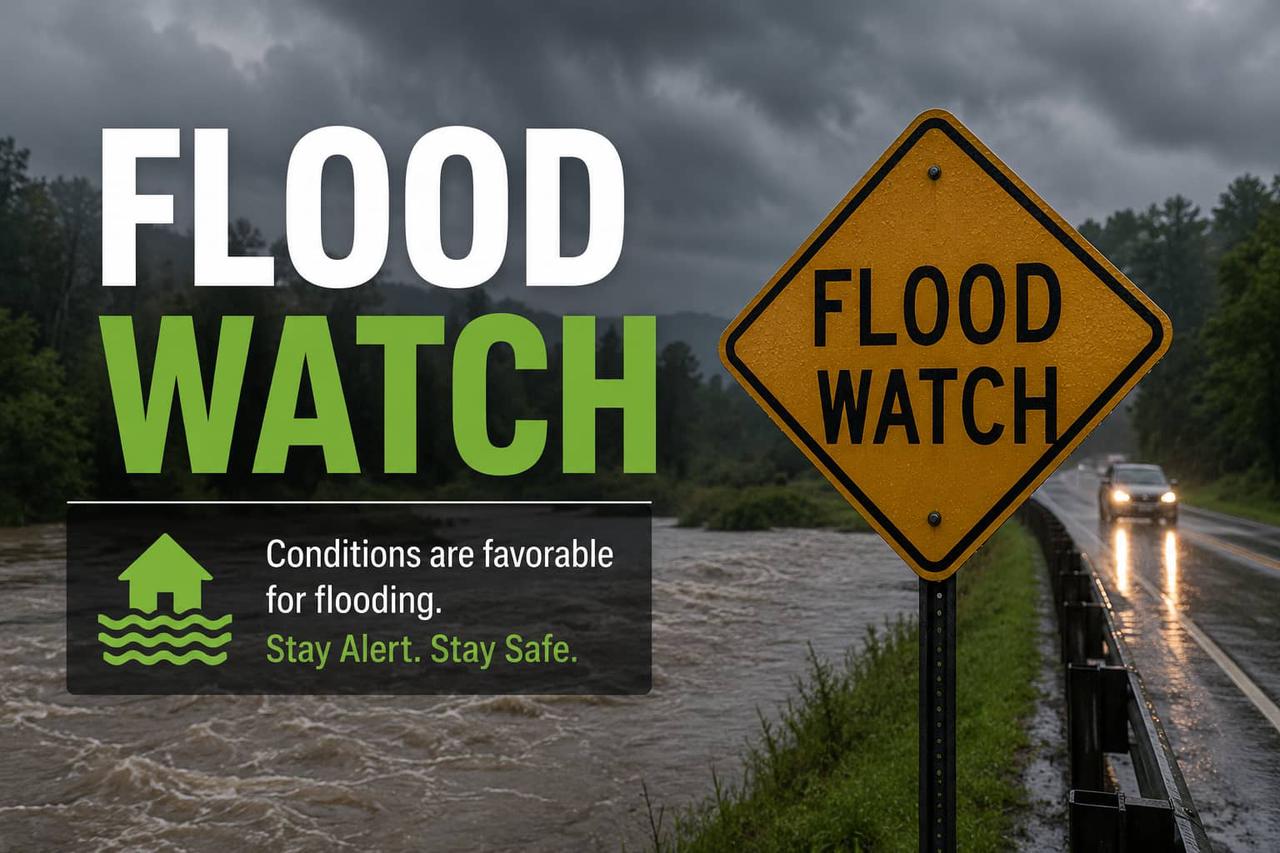
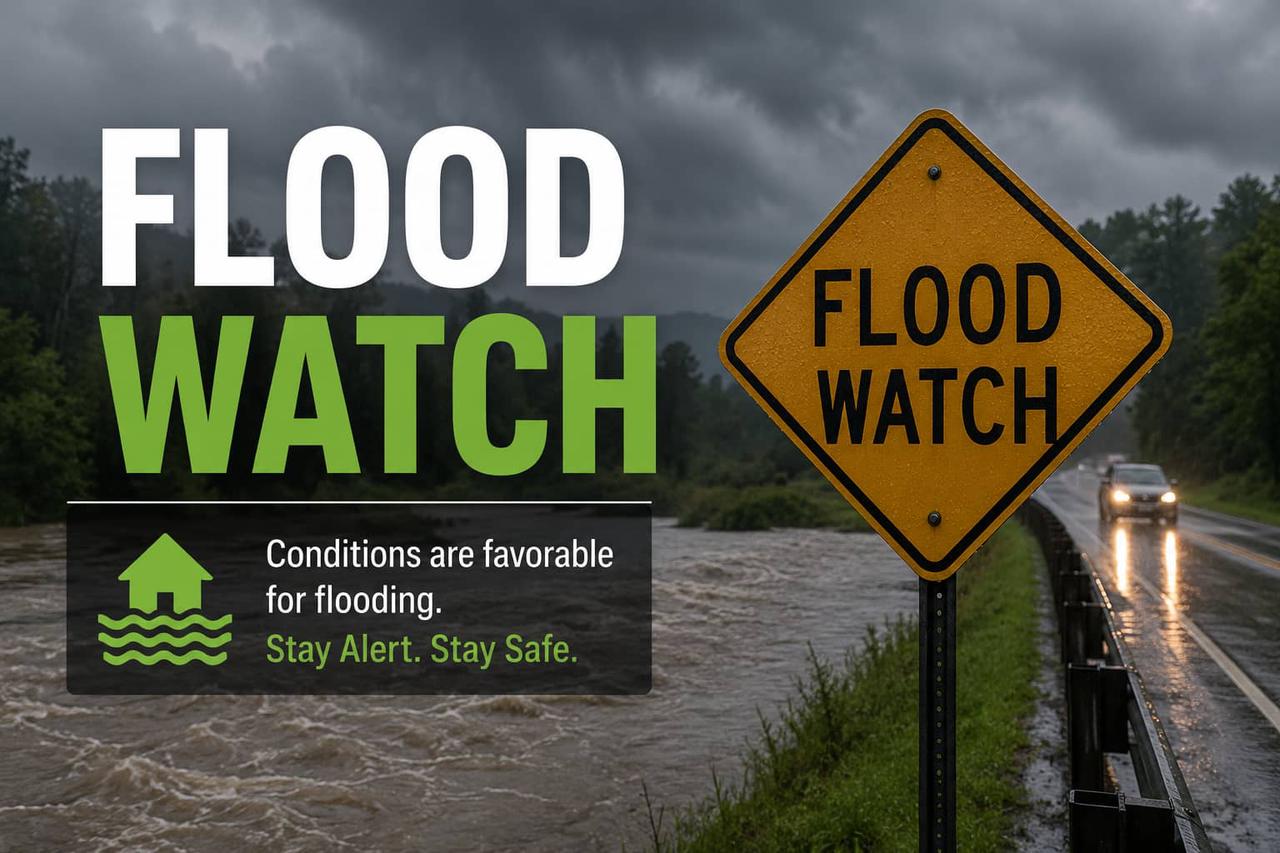
Flood Watch
A Flood Watch means conditions are favorable for flooding, but flooding is not necessarily occurring yet. Treat it as your preparation window.
During a watch:
Monitor official weather updates.
Charge phones and backup power stations.
Review evacuation routes.
Identify nearby higher ground.
Move important belongings away from potential floodwater.
Avoid unnecessary travel through flood-prone areas.
The National Weather Service describes a watch as a notification that flooding is possible and advises residents to remain alert and prepared to take action.
Flash Flood Watch
A Flash Flood Watch means conditions are favorable for rapid flooding. In New Mexico, take this particularly seriously if you live near an arroyo, drainage channel, mountainous area, or recent burn scar.
Use the time before flooding begins to get yourself, your family, pets, vehicles, and essential supplies into safer positions.
Flood Warning
A Flood Warning means flooding is occurring or is imminent. At this point, preparation should turn into action.
Move away from threatened areas, follow instructions from emergency officials, and avoid flooded roads and low-lying areas.
Flash Flood Warning
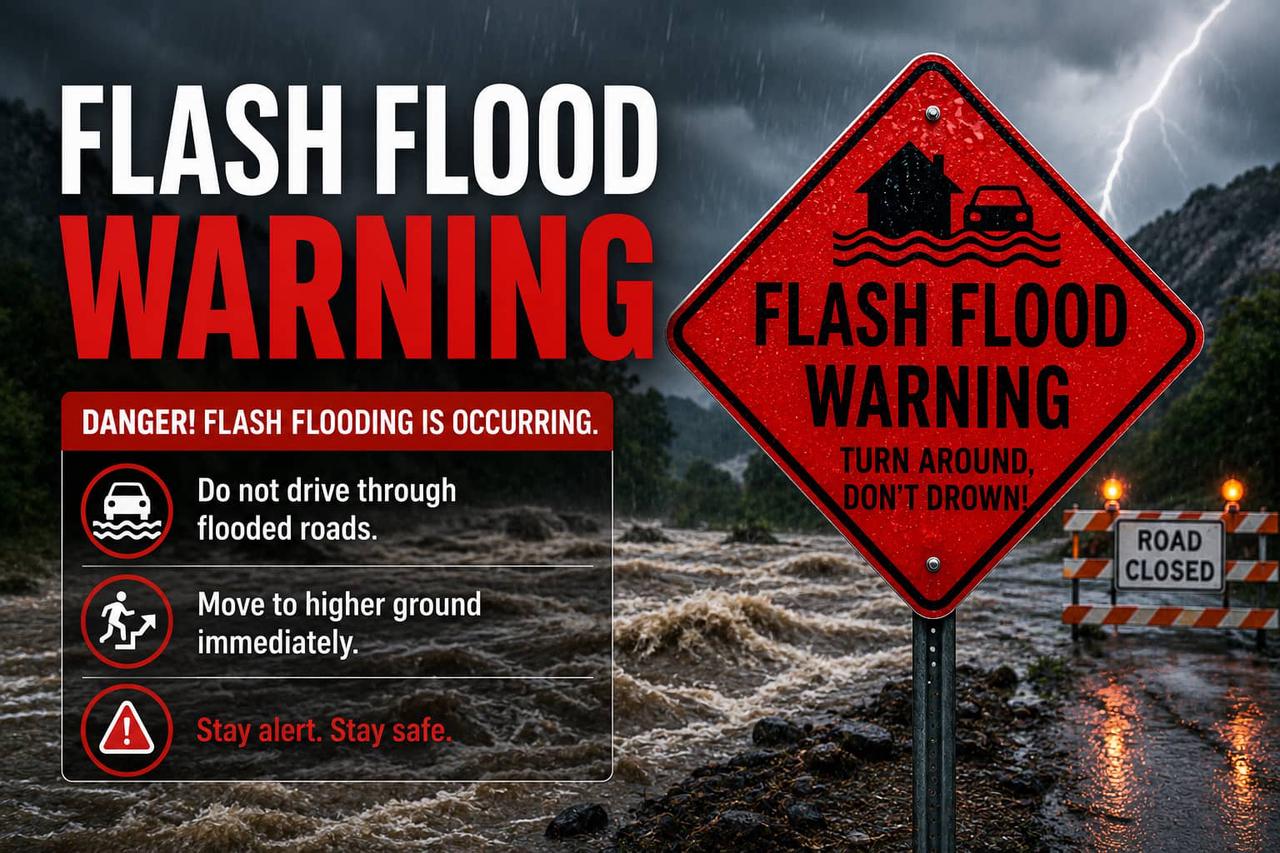
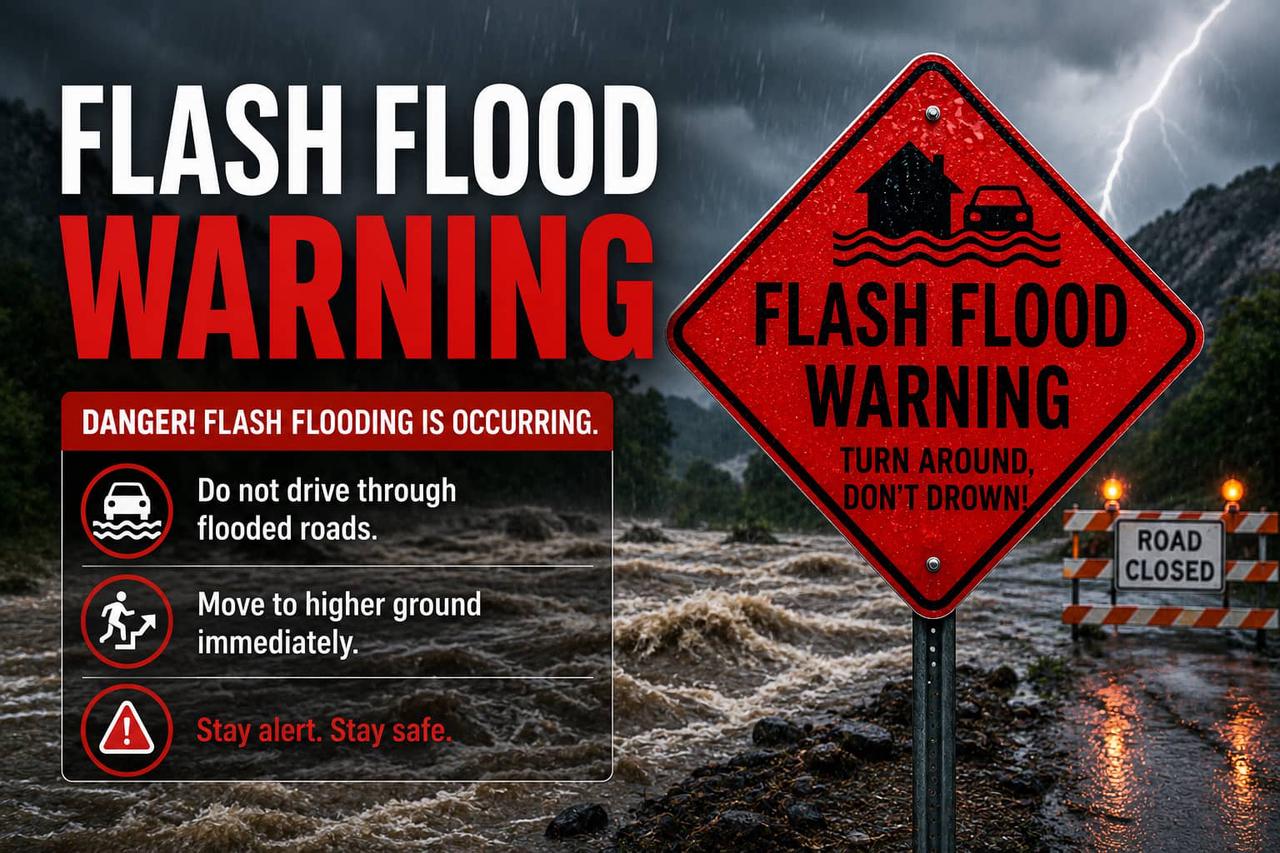
A Flash Flood Warning is an immediate-action alert. The National Weather Service says a Flash Flood Warning is issued when a flash flood is occurring or imminent and emphasizes that the margin of safety can be measured in seconds.
If a Flash Flood Warning affects your location:
Move to higher ground immediately.
Stay away from arroyos, washes, streams, and drainage channels.
Follow evacuation instructions.
Leave belongings behind if necessary to reach safety.
Knowing whether you should prepare or act immediately is critical, so understanding the difference between a flash flood warning and a watch can help you respond appropriately as conditions change.
Why "Turn Around, Don't Drown" Isn't an Exaggeration
Attempting to drive across flooded crossings is the leading cause of flood-related casualties in the Southwest:
Low water levels exert tremendous force: It takes only 12 inches of rushing water to float and sweep away a standard passenger car, while 18 to 24 inches can carry away large trucks, vans, and SUVs.
Obscured roadbed damage: Floodwater completely masks the structural integrity of the roadway underneath. What appears to be a shallow puddle of a few inches may actually conceal a collapsed culvert or asphalt that has washed out several feet deep.
Rapidly changing conditions: Never drive around barricades at a flooded crossing or assume a route remains passable just because it was dry earlier. Remote storms miles upstream can funnel a lethal wall of water into an arroyo wash with clear skies overhead.
Vehicle safety secures your evacuation route, but protecting your property starts with assessing your structural risks before the storm hits.
Protecting Your Home in Flood-Prone Terrain
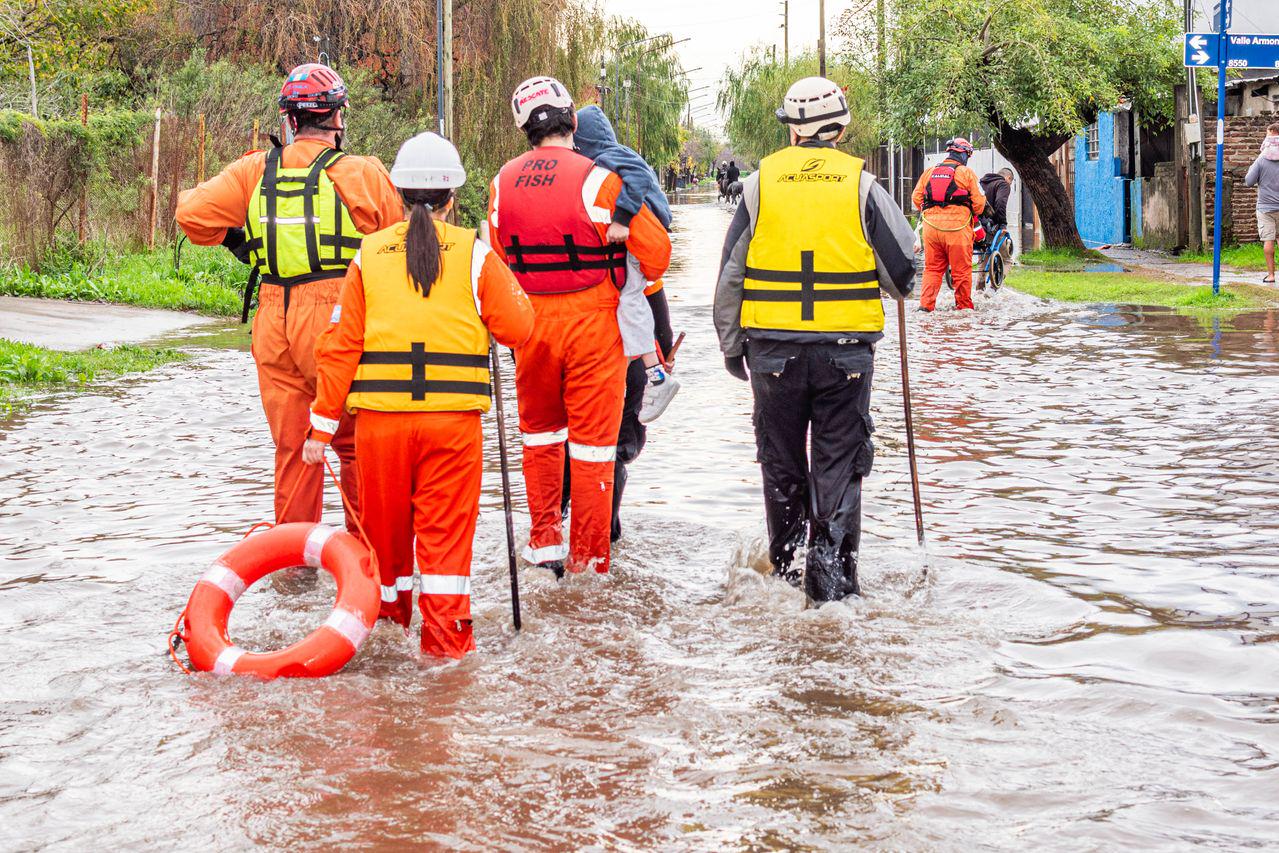
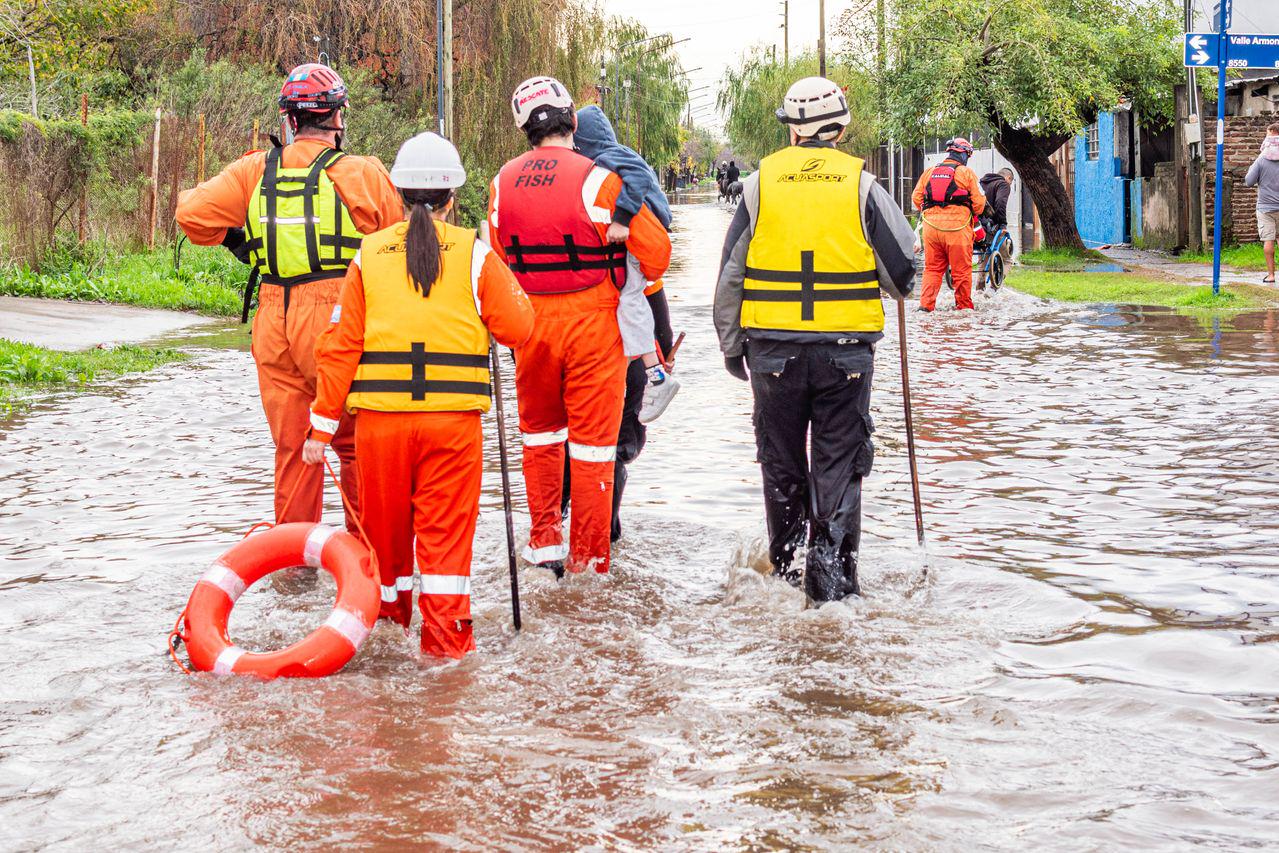
Map your own flood exposure
Staying safe on the road only covers one part of flood prep. The other is knowing your property's exposure. Start by identifying the pathways water could take toward your home: nearby arroyos and washes, drainage channels, low-water crossings, mountain slopes, and areas downstream from wildfire burn scars. Also watch for low-lying roads and driveways, streams, and normally dry creek beds.
Don't assume "it's never flooded here"
Your immediate neighborhood may have never flooded before. That doesn't make your property safe. Flash flooding can change drainage patterns, particularly after wildfire, erosion, road damage, or major landscape changes.
Watch heavy-rain forecasts if you're downstream of a burn scar
Wildfire-affected ground can generate rapid runoff and debris flows, raising the danger beyond what rainfall alone might suggest.
Review your flood insurance before monsoon season
The National Weather Service notes that flood losses are generally not covered under standard homeowners insurance and recommends discussing flood insurance with an agent. Arrange coverage well before an emergency — flood insurance can have a waiting period.
Plan for power outages, too
Flooding can damage electrical infrastructure and leave homes without electricity, so understanding power outages and how to stay prepared should be part of your broader monsoon-season emergency plan.
Conclusion
New Mexico's flooding is overwhelmingly flash flooding, driven by monsoon rainfall moving through arroyos and burn-scar terrain that can turn a dry wash into a dangerous wall of water in minutes. Know the difference between a watch and a warning, never drive into flowing water over a road, understand your property's flood exposure, and keep backup power charged before storms arrive, not after. The EcoFlow DELTA Pro Ultra X, DELTA 3 Ultra Plus, and DELTA Pro 3 provide whole-home and fast-charging portable backup options for exactly these conditions.
FAQs
Why does New Mexico get so much flash flooding compared to regular flooding?
New Mexico's combination of intense monsoon thunderstorms, steep and varied terrain, dry arroyos, and wildfire-affected landscapes creates conditions that favor rapid runoff. Water can also travel downstream from storms occurring away from the location where flooding eventually develops.
How do wildfire burn scars make flash flooding worse?
Wildfires remove vegetation and can alter the soil's ability to absorb rainfall. When heavy rain falls on a burn scar, more water can run off rapidly, carrying mud, rocks, trees, and other debris. This can produce both flash flooding and debris flows.
What's the difference between a Flood Watch and a Flash Flood Warning?
A Flood Watch means conditions favor flooding, so it's time to prepare. A Flash Flood Warning means flooding is happening or imminent, so you should move to higher ground immediately.
How much moving water does it take to sweep away a vehicle?
Just 12 inches of moving water can sweep away a small car. Water 18 to 24 inches deep can carry off large SUVs, trucks, and vans on a flooded road. Depth is often greater than it appears because of washed-out roadbeds.
Can a battery backup system keep my home powered during a flood-related outage?
Yes. Battery systems produce no carbon monoxide and can be used indoors. Whole-home options such as the DELTA Pro Ultra X and portable units such as the DELTA 3 Ultra Plus or DELTA Pro 3 keep essential circuits and devices running when the grid fails.
For press requests or interview opportunities, reach out to our media team
media.na@ecoflow.com