The Aspen Acres Fire and the Wildfires Still Burning Across Colorado
If you've got family in Colorado, you've probably been glued to the news this summer. The Aspen Acres Fire ripped through the Wet Mountains, leveling hundreds of homes and forcing whole communities out with barely any notice. It's one of the most destructive Colorado wildfires anyone can remember, and it's far from the only blaze still burning across the state. Whether you're refreshing fire maps from another time zone or packing a go-bag in your garage right now, here's what you need to know.
The Aspen Acres Fire: Colorado's Most Destructive Fire This Season
.JPEG)
.JPEG)
Rye, Beulah, Wetmore, San Isabel. For folks in these communities, the Aspen Acres Fire flipped everything upside down practically overnight. It's been burning along the Wet Mountains across Custer, Pueblo, and Huerfano counties, and this single fire in Colorado has wiped out more than 850 structures so far. At least 337 of those were homes. That kind of loss puts it among the most damaging wildfires Colorado has seen in years.
Investigators say it was human-caused, though they're still working out exactly what happened. The good news? All mandatory evacuation orders and pre-evacuation statuses within the fire perimeter have been lifted as of the latest updates. Containment sits at 72 percent, and crews are focused on holding lines and mopping up.
But don't let that number fool you. Containment doesn't mean it's over. Winds shift, dry conditions persist, and hot spots can flare back up fast. People heading home are still walking into hazards that stick around long after the flames die down.
What fire officials keep saying about this season is worth paying attention to. The conditions behind Aspen Acres and the other blazes aren't normal. Not even close.
Why This Season's Fire Behavior Has Been So Extreme
So why have this year's Colorado fires been so tough to knock down? Colorado's fire division director put it bluntly. He's never seen a season like this in his entire career. Here's what's going on:
The drought is severe. Vegetation across the state is bone-dry and ready to burn the moment a spark lands.
Wind patterns are all over the place. Flames jump direction without warning, blowing past containment lines that crews spent days digging.
Containment has been painfully slow. When you can't predict where a fire is heading next, holding the line gets a lot harder.
14 large air tankers are in the air. That's an unusually massive aerial response just to keep pace with what's happening on the ground.
Governor Polis authorized statewide deployment. That alone tells you how widespread the threat has been this season.
With all of that working against firefighters, it's worth thinking about what happens to your household when a fire or a preventive power shutoff knocks your electricity out.
Preparing for Wildfire-Related Power Outages
Losing power during a Colorado wildfire goes way beyond sitting in the dark. Think about what actually stops working:
Refrigerated medication can go badly within hours. If you depend on insulin or other temperature-sensitive drugs, that's a real emergency.
Air filtration shuts off at the exact moment wildfire smoke makes your indoor air dangerous to breathe.
Your phone dies when you need it most for evacuation alerts and emergency calls.
Well pumps quit, and some homes lose running water entirely.
If you've never been through a long blackout, knowing what to do when the power goes out ahead of time makes a huge difference.
.png)
.png)
Here's the tricky part. There are two ways you lose power during fire season, and they don't look the same:
PSPS events are when your utility company deliberately shuts off power to stop sparking a fire. They usually last about 48 hours, and you typically get some heads-up.
Fire-damage outages hit when the actual infrastructure burns. No warning, and you could be looking at a week or more without electricity.
That time difference matters. A two-day shutoff and a seven-day blackout need completely different backup plans. Learning how a scheduled power outage works can help you get ahead of PSPS events specifically.
One thing you absolutely cannot do: run a gas generator inside your house or garage. The U.S. Consumer Product Safety Commission says portable generators are behind most CO-related deaths during outages. With wildfire smoke already choking the air outside, adding carbon monoxide indoors is a recipe for disaster. Battery backup eliminates that risk completely.
If you want whole-home coverage that doesn't produce any exhaust, look for something with 240V split-phase output.
Whole-Home Backup Power with the EcoFlow DELTA Pro Ultra X
Don't need whole-home coverage? The EcoFlow DELTA Pro 3 takes up less space but still handles your most important circuits.
Essential Circuit Backup with the EcoFlow DELTA Pro 3
If evacuation becomes necessary, portability matters more than whole-home capacity.
For a full rundown of what to grab and what to power when you're heading out the door, EcoFlow's wildfire evacuation checklist lays it all out. Aspen Acres gets the headlines, but it's hardly the only fire crews are fighting right now.
Other Fires Burning Across Colorado
If you've been keeping tabs on the fires burning in Colorado this season, you already know the list is long.
If we take it in brief:
Elk Fire: Burning through remote wilderness in northern Hinsdale County. Getting crews in and out is dangerous, so crews are using indirect suppression instead of head-on attack. That complexity doesn't show up in daily acreage updates.
Gold Mountain, Snyder, Willow, Rio Blanco, and 310 fires: Each has its own containment challenges and access headaches.
Keystone Fire: The one piece of good news. It hit full containment on July 28.
Here's what's frustrating: a lot of this season's fires trace back to people. That makes prevention just as important as knowing when to leave.
Evacuation Readiness and Preventable Ignitions
Get out fast
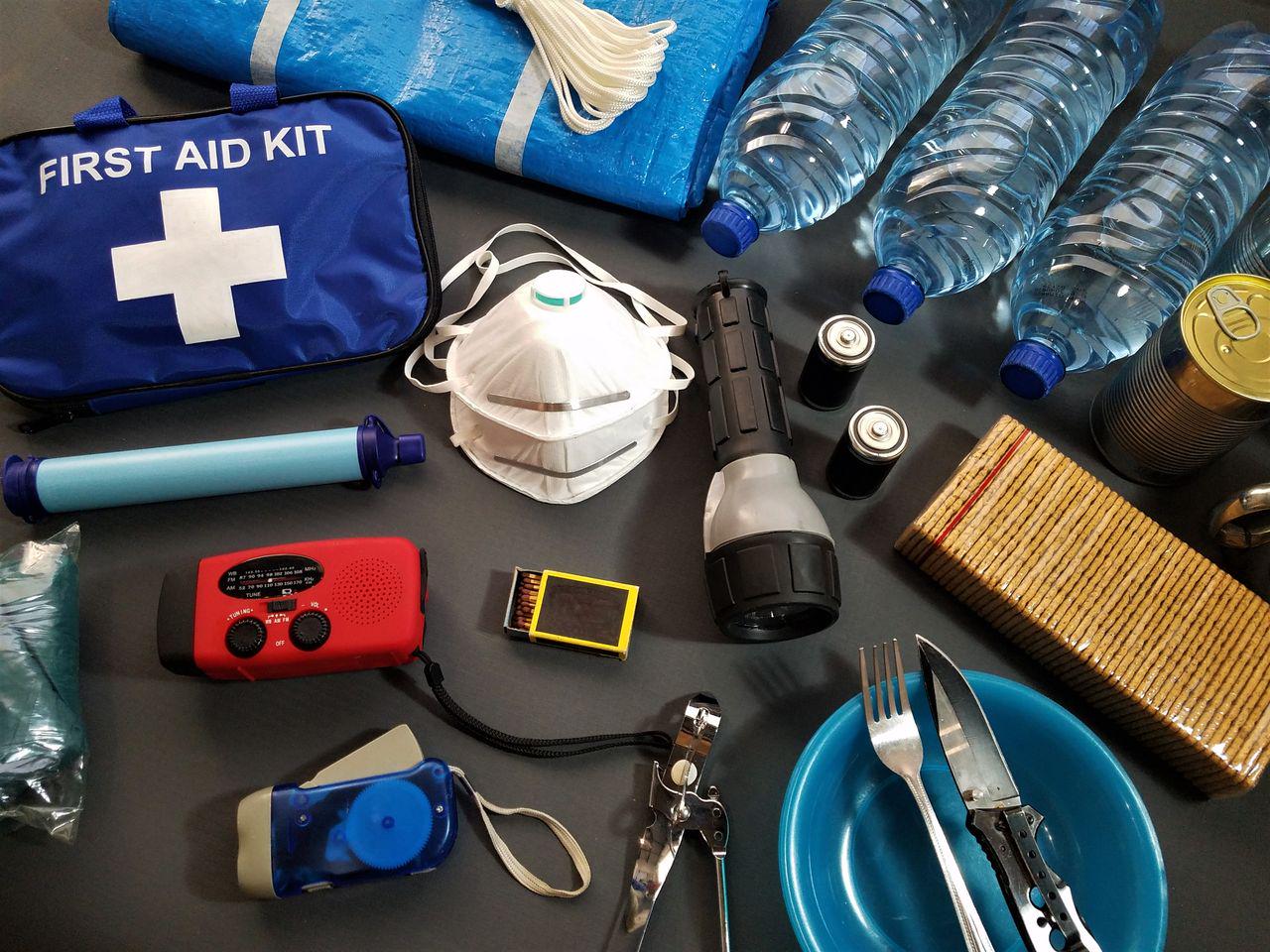
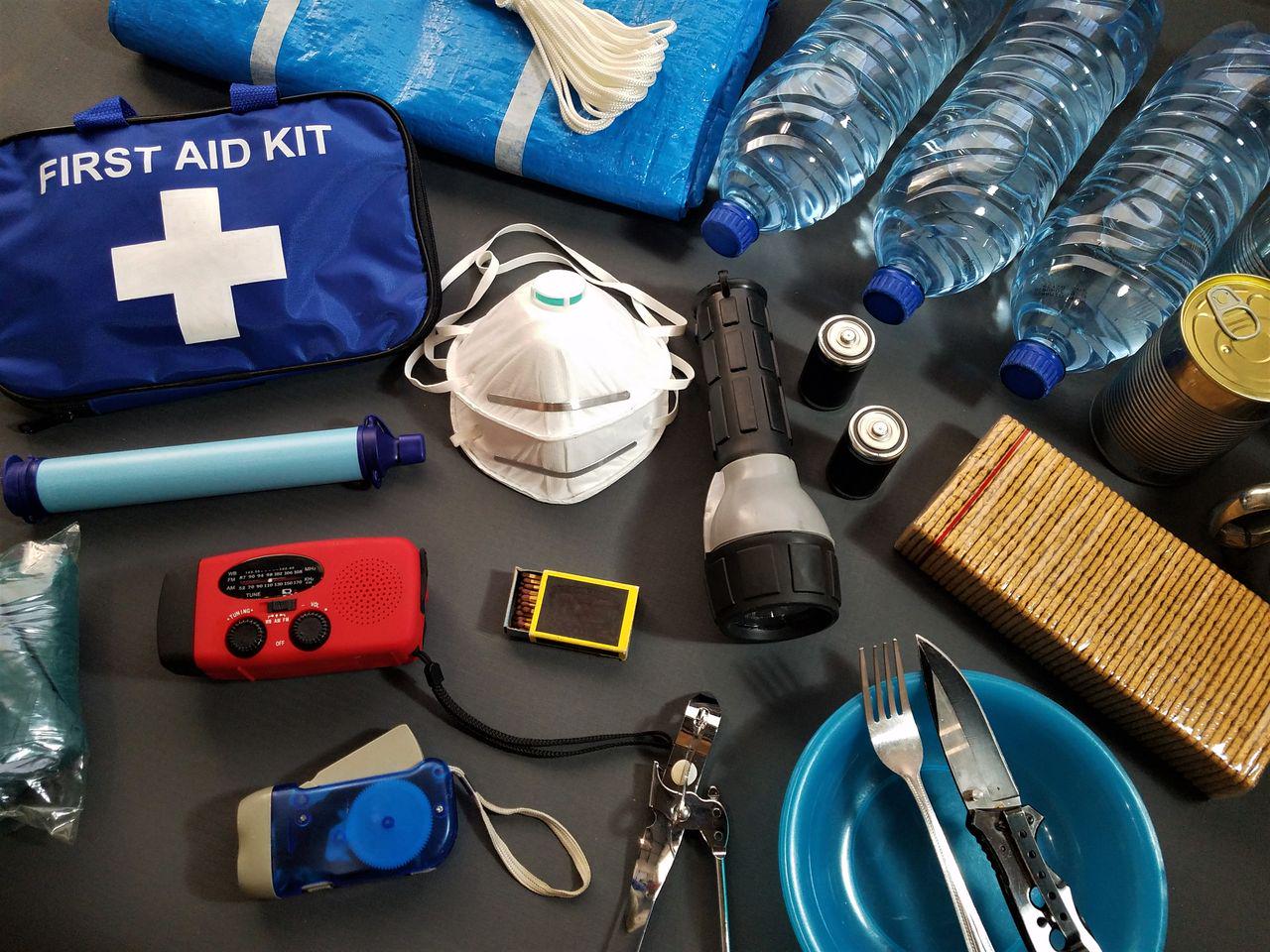
Real talk. Could you get your family out of the house in under 15 minutes if an evacuation order was dropped right now? Most people can't. There's a simple framework called the five Ps: People, Pets, Prescriptions, Papers, and Priceless items. Pack those ahead of time, not when the sheriff's deputy is at your door. Building a power outage emergency kit alongside your go-bag means you'll also have backup power, flashlights, and charging solutions ready to grab on the way out.
Respect the restrictions
Because human causes are behind so many of this season's worst fires, including Aspen Acres, fire restrictions aren't suggestions right now. They're essential. Skip the debris burning. Be careful with power tools and equipment near dry grass. And keep open flames out of restricted areas. FEMA's wildfire evacuation guidance has more detail on getting your household and property ready.
Build defensible space
Defensible space matters too. Clear dead brush and anything flammable within 30 feet of your home. Clean out gutters and roof valleys. None of this guarantees your house will make it through, but it significantly improves the odds.
When the immediate threat passes, a different set of risks takes over.
After a Wildfire: Staying Safe
Going home after a wildfire isn't as straightforward as people think. Don't head back until officials actually lift the evacuation order. Jumping the gun is one of the top causes of injuries after a fire rolls through, according to CDC's wildfire safety guidance.
Keep your eyes open for hot spots, trees that could come down, and downed power lines. Treat every downed line like it's live, because upstream repairs can re-energize it without any warning.
And check the air before you start spending time outside again. The EPA's AirNow wildfire page tracks particulate levels in real time, and honestly, those readings can stay in the unhealthy range well after you can't see flames anymore. Kids, older adults, and anyone with asthma or other respiratory conditions need to be especially careful. Colorado isn't the only state dealing with extreme weather right now, and many of the same preparedness steps hold whether you're facing wildfires, flooding, or monsoon storm safety concerns.
If you want a broader look at outage preparedness that goes beyond fire season, EcoFlow's complete guide to power outages covers everything from storms to grid failures.
Conclusion
The Aspen Acres Fire has turned 2026 into one of Colorado's most destructive wildfire seasons in recent memory, fueled by erratic winds that veteran fire officials say they've never seen before. With multiple fires still active statewide, staying informed and staying prepared aren't optional. Keep an eye on Colorado fires through the Colorado Sun and CSFS trackers, respect the burn restrictions this season especially, get your go-bag packed with the five Ps, and make sure you've got backup power squared away for both PSPS shutoffs and longer fire-damage outages. If you're weighing your options, the EcoFlow DELTA Pro Ultra X, DELTA Pro 3, and DELTA 3 Max Plus handle whole-home and portable backup without the carbon monoxide risks of gas generators.
FAQs
What caused the Aspen Acres Fire in Colorado?
It was human-caused, though investigators are still piecing together exactly what happened. The fire burned across Custer, Pueblo, and Huerfano counties, destroying more than 850 structures. At least 337 of those were homes.
What other fires are currently burning in Colorado?
Plenty. Beyond Aspen Acres, several other Colorado wildfires are still active, including the Elk Fire in Hinsdale County and the Gold Mountain, Snyder, Willow, Rio Blanco, and 310 fires. The Keystone Fire hit full containment on July 28, which is at least one bit of progress.
Why has Colorado's fire behavior been so unpredictable this season?
It comes down to a bad combination. The state is exceptionally dry, and wind patterns have been erratic and powerful. When you put those two together, fires become nearly impossible to predict, and containment slows to a crawl across multiple blazes at once.
How long do power outages from wildfires or PSPS events typically last?
PSPS shutoffs usually run about 48 hours. But when a fire in Colorado actually destroys power infrastructure, you're looking at a week or more without electricity. It depends on how bad the damage is and how quickly utility crews can safely get in to make repairs.
Can a battery backup system keep my home powered during a wildfire-related outage?
Absolutely. Battery-powered systems are a major plus over gas generators because they don’t produce carbon monoxide, so your critical appliances can continue to operate. If you have a 240V split-phase output, like the EcoFlow DELTA Pro Ultra X, then you can run larger loads like your HVAC and well pump together.
For press requests or interview opportunities, reach out to our media team
media.na@ecoflow.com