Montana Wildfires: What's Burning, and Why the Smoke Is Everywhere
Montana is seeing a fire season like no normal year. Much of western Montana is currently under a serious air quality alert, but much of that smoke is not even from local fires. Instead, heavy smoke is blowing north from the big wildfires in Oregon and Washington, adding to the impacts from the state’s own active fires in the Pioneer and Sapphire Mountains. As they prepare for power outages, residents will need to navigate the intersection of these two challenges and determine evacuation zones and home safety. This guide contains information on active fires, regional smoke transport, evacuation guidelines and how to keep your home powered and breathable.
A Two-Front Problem: Montana's Own Fires, Plus Someone Else's Smoke
This season, Montana's active fires, heavily concentrated in the Pioneer and Sapphire Mountains, tell only part of the story. The Montana Department of Environmental Quality (DEQ) has cited massive wildfire activity in Oregon and Washington on several days for heavy smoke accumulation statewide.
This distinction changes the way residents have to think about safety planning. A homeowner in Missoula, Bozeman or surrounding valleys can wake up to unhealthy air quality on a perfectly calm day with zero local fire activity just from regional upper-level smoke transport. Montana’s fire season typically runs from May to October, with a sharp peak from July to September.
Climate change is making it worse and worse. Warmer-than-average summers and ongoing drought conditions mean that timber and brush dry out much earlier in the year, outside the seasonal window. No matter what front is responsible for the problem on any given day, the practical response at home is the same: knowing how to keep the power on and the air inside clean.
Keeping the Power (and Air) On
Wildfire-related grid damage and precautionary Public Safety Power Shutoffs (PSPS) pose a significant threat to household continuity. PSPS events typically last around 48 hours, but fire-damage outages in remote or heavily impacted corridors can easily extend to a week or more. Whether you are sheltering in place or getting ready to go, a sound energy plan is critical through these extended interruptions. For instance, reviewing the Wildfire evacuation checklist can help you determine exactly what devices to power on the road and at evacuation shelters.
And having emergency electricity is as important as running indoor air purifiers and HVAC fan systems on heavy smoke days for respiratory health. But, never operate a traditional fuel powered generator indoors, in an enclosed patio or inside a garage. This can create deadly levels of carbon monoxide and make an already bad air quality day even worse.
Where Montana's Fires Are Burning Right Now
For active perimeters, stay informed by checking official sources such as the Montana DNRC Interactive Fire Map and Montana Fire Info. The Sand Creek Fire in Beaverhead County is one of the largest tracked incidents in the state right now, burning high on Maverick Mountain and prompting evacuation orders for Elkhorn Hot Springs and surrounding backcountry areas.
The state’s most aggressive active fronts are the Bobcat Lakes Fire near Wise River and the Moose and Black Bear fires in the Sapphire Mountains between Georgetown Lake and the Bitterroot Valley. Communities in close proximity to the Moose Fire remain under a Level 3 evacuation order. There are still dozens of smaller fires smouldering in about 19 counties across the state. Note: Acreage and containment numbers vary daily. Check with Montana DNRC or federal interagency tracking for current information prior to publication.
Decoding Montana's Evacuation Levels
Emergency management agencies have a clearly defined three-tier system for communicating threat levels to residents. With these definitions in mind, you won't hesitate when the seconds count:
Level 1 (Ready): Residents should be alert, be prepared. Get an emergency kit ready. Know evacuation routes. Stay informed through local alerts but do not evacuate yet.
Level 2 (Set): Means conditions are a serious threat. Pack cars, have things essential just outside the door and be ready to leave at a minute’s notice.
Level 3 (Go Now): Immediate evacuation required. This is an urgent safety order, in effect NOW, in Moose Fire zones.
If you have to evacuate quickly, remember the five P’s of packing: People, Pets, Prescriptions, Papers, and Priceless items. For a more detailed walk-through on home preparation and route planning, exploring a detailed wildfire season safety and home prep guide offers helpful readiness strategies. Evacuation is the reactive side of the wildfire season. The more proactive approach is to reduce the likelihood of a fire igniting close to your property first.
Montana's #1 Fire Cause Is Preventable: Safe Debris Burning
Surprisingly, burning escaped debris is the No. 1 human-caused wildfire trigger in Montana, beating out lightning strikes in many dry spells. That makes accidental ignition one of the few environmental fire dangers that residents can directly control.
Homeowners should check for county burn restrictions before igniting any outdoor flame. Many jurisdictions have strict limitations on open burning, campfires, and internal-combustion engines during periods of high fire danger (Stage I and Stage II). In addition to smart burn practices, standard defensible space principles protect structures: clear dry brush and accumulated debris within 30 feet of foundations, clean roof valleys of pine needles, and install fine metal ember-screening over all crawlspace and attic vents. For those interested in the variation of the incentives for structural hardening by region, it is worth exploring general programs such as California wildfire home hardening grants and eligibility for structural mitigation concepts.
Living Through Smoke-Alert Days
The Montana DEQ releases persistent county-level air quality advisories that often stay in effect for consecutive days. Before you head out for a workout, check the particulate matter, or PM2.5, levels in your zip code.
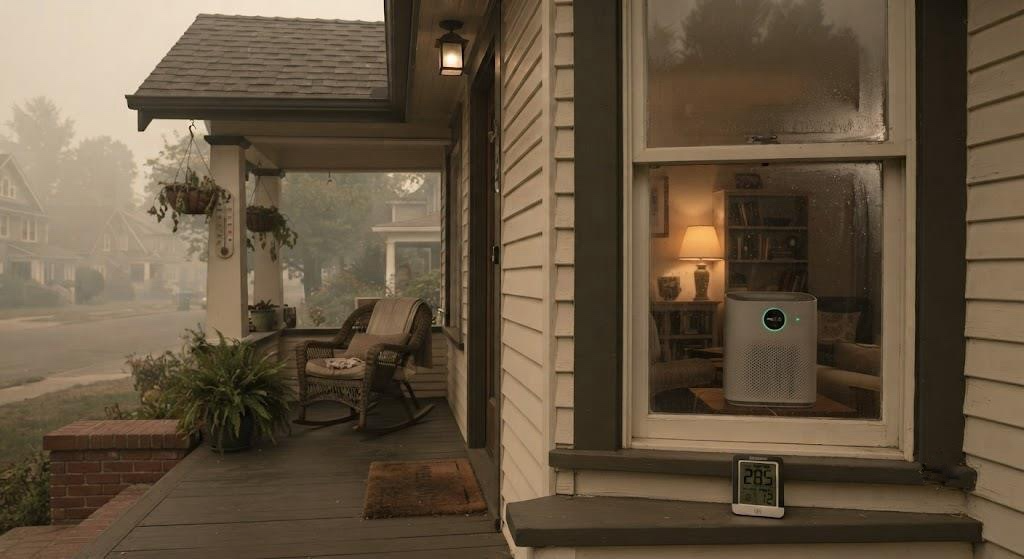
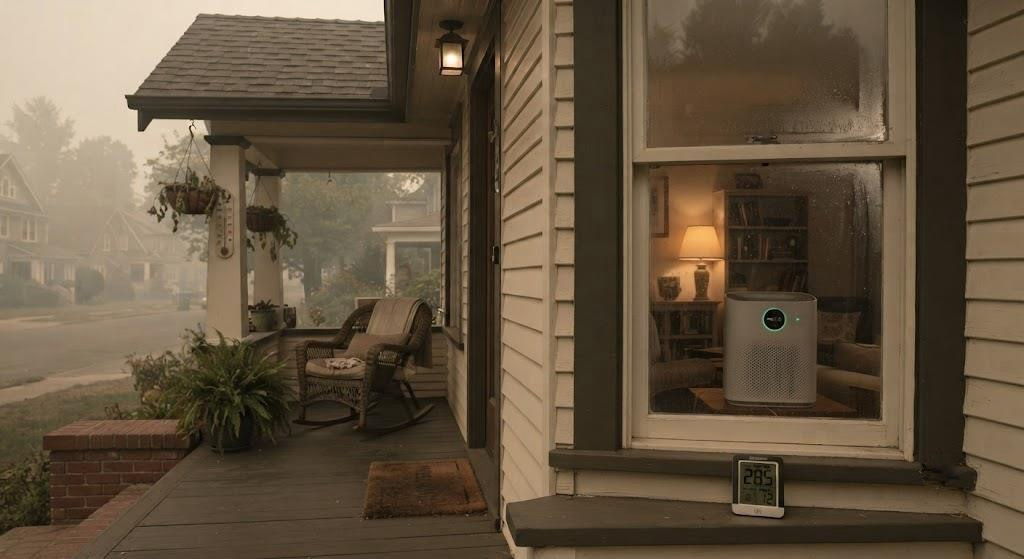
Homeowners should keep windows tightly closed, run HVAC systems on recirculate modes, and minimize strenuous outdoor physical exertion when local indices enter "Unhealthy" or "Unhealthy for Sensitive Groups" territory. This warning is particularly important for children, older adults and people with underlying respiratory or cardiovascular conditions. Pair a dependable indoor air purifier with clean emissions.
Conclusion
Montana has two fire-season challenges this year: its own active fires in the Pioneer and Sapphire Mountains, and heavy imported smoke from Oregon and Washington that hurts air quality even where there is no local fire burning. Get to know your county’s evacuation levels, follow local restrictions on burning debris, check the air quality daily, and have backup power ready for both PSPS events and outages from fire damage. EcoFlow’s whole home and portable solutions can help you with both.
FAQs
What wildfires are currently burning in Montana?
The Sand Creek Fire is the largest active fire in the state, burning in Beaverhead County near Maverick Mountain. The Bobcat Lakes Fire and other smaller fires are burning nearby in the Pioneer and Sapphire Mountains. There are dozens of other fires burning around the state and containment figures are updated daily, so check an official source before making travel or evacuation decisions.
Why is Montana's air quality bad even without a nearby fire?
Even when no fire is in the area, wildfire smoke traveling long distances can affect air quality in Montana. Thick smoke from large fires in nearby states like Oregon and Washington blows hundreds of miles into western Montana on prevailing winds. This influx often leads to widespread air quality alerts in local towns and communities, even when there are no local fires burning.
What do Montana's Level 1, 2, and 3 evacuation orders mean?
Montana uses a three-tiered system for evacuation orders to clearly communicate the urgency of the threat. Level 1 means residents should be prepared and alert. Level 2 is being prepared to leave at any time. Level 3 means no time to waste, immediate evacuation is necessary. Danger is imminent.
What's the leading cause of wildfires in Montana?
More wildfires in Montana are caused by people burning debris than by lightning. Most incidents are caused by human activities, so check with your local burn restrictions before you burn any more debris outside. Following these rules continues to be one of the best ways for residents to reduce wildfire risk and protect their communities.
Can a battery backup system keep my home powered during a wildfire-related outage?
Yes. For a wildfire driven outage or PSPS event, a whole home system like the EcoFlow DELTA Pro Ultra X can safely power essential circuits, air purifiers and HVAC systems indoors without the exhaust and carbon monoxide risk of a fuel generator.
For press requests or interview opportunities, reach out to our media team
media.na@ecoflow.com