Isolated Thunderstorms: Why Scattered Storms Still Cause Power Outages
- What Are Isolated Thunderstorms?
- How Are Isolated Thunderstorms Different From Widespread Storm Systems?
- Why Can Small Storms Still Cause Power Outages?
- What Weather Conditions Increase Outage Risk?
- What Should You Prepare Before Thunderstorm Season?
- What Backup Power Options Help During Storm Outages?
- Frequently Asked Questions
- Even Small Storms Can Cause Outages Without Reliable Backup Power
Thunderstorms come in many shapes and sizes, ranging from widespread storms that cover an entire city to more isolated thunderstorms that may only affect a small area for a short amount of time.
However, while they’re smaller and don’t last as long, even these isolated thunderstorms may be enough to cause power outages. As a result, even if you’re only facing isolated thunderstorms, it’s still important to prepare before these storms hit.
What Are Isolated Thunderstorms?
Isolated thunderstorms are smaller thunderstorms that generally cover a smaller patch of land than larger, widespread storms do. For example, there may be plenty of rain on your street, but a few streets over, conditions are clear and dry.
In addition to being smaller in size and only covering a tiny portion of a forecast region, isolated thunderstorms are generally weaker and don’t last as long, as well. However, while these storms are normally weaker, shorter, and smaller, they can still produce plenty of rain, lightning, thunder, and heavy rain, and be quite dangerous.
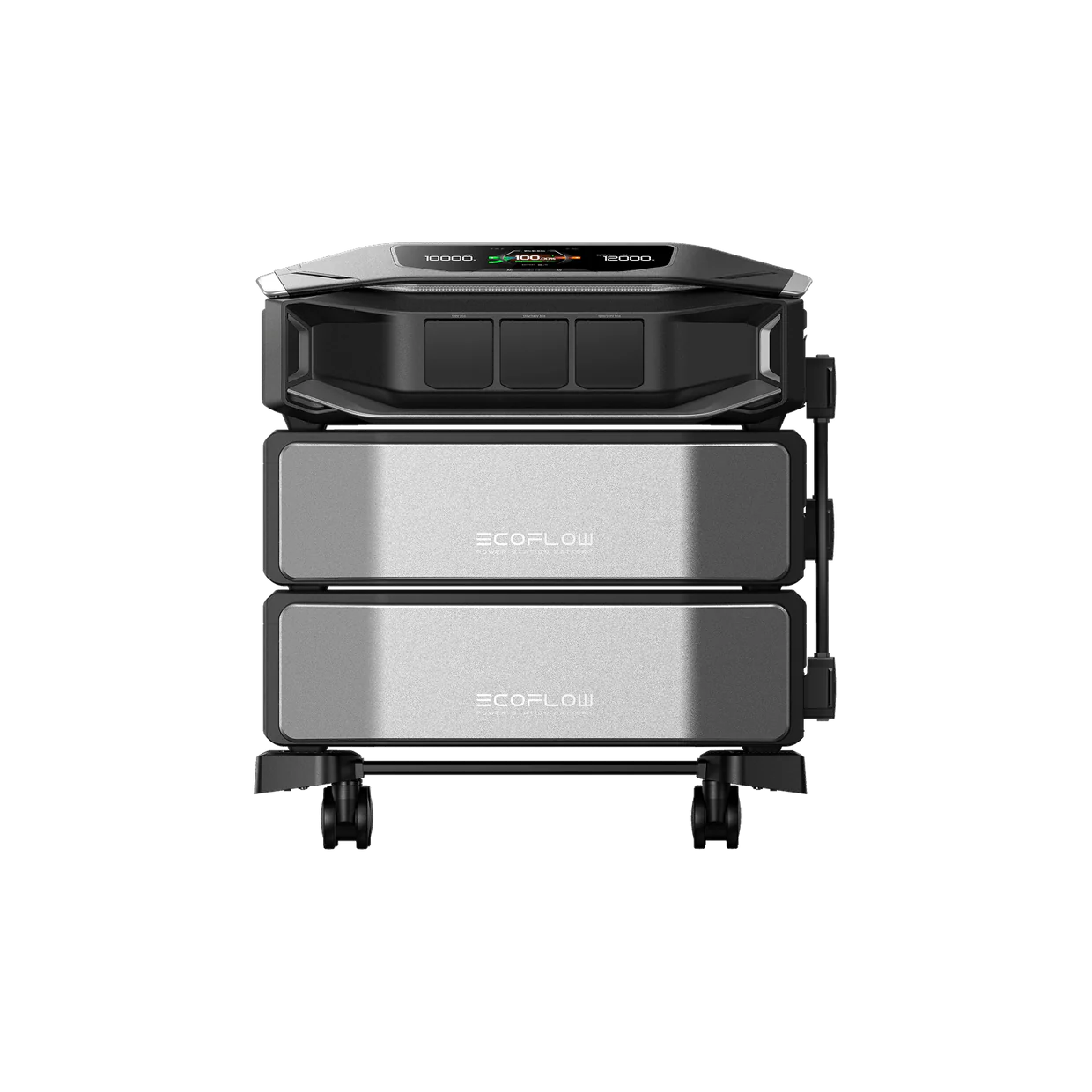
To avoid losing power during a thunderstorm, consider a whole-home power solution like EcoFlow DELTA Pro Ultra X. It’s powerful enough to keep entire homes operating as normal even when the power is out.
How Are Isolated Thunderstorms Different From Widespread Storm Systems?
While both are storms, isolated thunderstorms are quite different from widespread systems. While an isolated thunderstorm may only cover around 20% or less of a specific area or forecast region, widespread storm systems often cover 60% or more.
Also, isolated storms may only last around half an hour to an hour, while a widespread storm system can bring hours of consistent rain.
How these storms form is also different. Widespread storms often come from organized weather systems passing through an area, while isolated thunderstorms often develop during hot and humid afternoons, even when there isn’t a major weather front.
Why Can Small Storms Still Cause Power Outages?
However, even though isolated thunderstorms are often smaller than their widespread counterparts and may impact fewer people, they can still cause power outages. This is because they still feature lighting, heavy winds, and heavy rain that can knock down power poles or break trees, which can then fall on or damage power lines.
All it takes is a single lighting strike, major gust of wind, or car accident from reduced visibility to cause an outage, so the storm itself doesn’t need to be massive for damage and/or outages to occur.
What Weather Conditions Increase Outage Risk?
Not every storm carries the same risk to the power infrastructure, and there are certain conditions that may make outages more common. For example, heavy winds are among the biggest risks, as they can directly knock down power lines or break or knock down trees, which then fall onto power lines or damage transformers or electrical boxes.
In addition to that, heavy winds may also throw other types of debris into power lines or poles, which can damage them.
Also, lightning dramatically increases the risk, as direct lightning strikes on power equipment are likely to cause an outage. Freezing rain and/or graupel are also a concern, as ice accumulation on tree branches and power lines can weigh them down, eventually leading to them sag, snap, or break from the added weight of the ice.
Intense temperatures, such as extreme heat or cold, may also lead to outages by overloading the grid and placing significant strain on the power infrastructure as people attempt to stay cool or warm inside their homes.
What Should You Prepare Before Thunderstorm Season?
To ensure you’re prepared for severe weather in spring and ready for thunderstorm season, here are a few things to do.
Build an emergency kit, which should feature things like a flashlight, batteries, extra water, and non-perishable food. Also, make sure you have any medication you need, as allergies and asthma spike during storms.
Secure your home properly by trimming tree branches that may be prone to breaking, cleaning out your gutters to be able to handle the rain, and tying things down or bringing them inside to ensure heavy wind doesn’t blow them away.
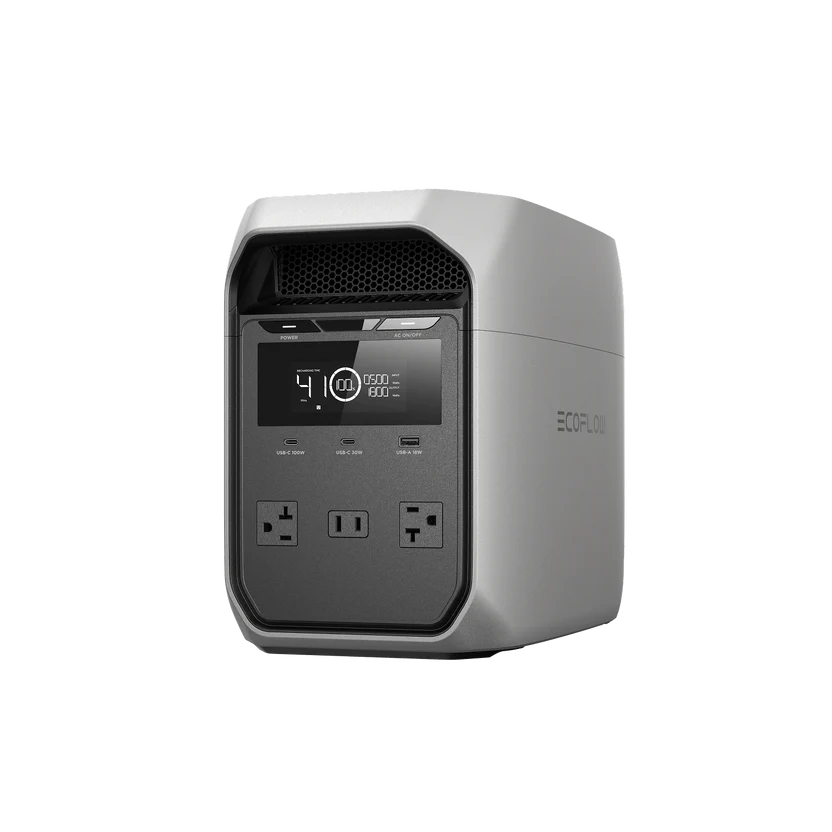
Have a backup power solution like EcoFlow DELTA 3 Classic, so you have peace of mind that even if an outage occurs, you can continue to use your electronics and appliances without an issue.
Create a safety plan for storms, which ensures your family knows where to go/meet during a storm, such as the basement or an interior room away from windows.
What Backup Power Options Help During Storm Outages?
An EcoFlow DELTA 3 Classic Portable Power Station (1024Wh)
Several types of backup power options can help prevent you from being caught in severe storm conditions without any power for prolonged periods. First, a simple portable charger can help you keep your phone and other small devices charged up so you can communicate with friends and family, while also keeping yourself updated about the storm.
Going beyond that, there are also portable power solutions that can not only charge devices, but also power crucial appliances and electronics like your fridge, lights, medical devices, and other equipment that you need to keep operational during a storm.
Frequently Asked Questions
How Long Do Isolated Thunderstorms Last?
Because of their smaller size and the fact that they’re weaker than widespread thunderstorms, isolated thunderstorms only last a short period of time, often between 30 and 60 minutes.Because of their smaller size and the fact that they’re weaker than widespread thunderstorms, isolated thunderstorms only last a short period of time, often between 30 and 60 minutes.
What Triggers Isolated Thunderstorms?
These types of thunderstorms are triggered by intense solar heating, high moisture levels at low and middle atmospheric levels, and light winds.
Even Small Storms Can Cause Outages Without Reliable Backup Power
Whether a thunderstorm is massive and impacts your entire city or is small and only occurs in a single neighborhood, it can potentially cause power outages. This is why it’s so important to prepare ahead of time to ensure you’re ready for whatever thunderstorm season brings you.
You should have a fully-stocked emergency kit, take care of your home and yard to prepare for the rain and wind, and consider picking up a backup battery or whole home backup power solution of some kind to keep you powered even during prolonged outages.
For press requests or interview opportunities, reach out to our media team
media.na@ecoflow.com