Hurricane Season in South Carolina: What to Know and How to Stay Ready
Because of South Carolina's location on the southeastern Atlantic coast, it is in the path of tropical weather patterns every year. The official Atlantic hurricane season runs from June 1 to Nov. 30, with peak storm time from mid-August through late October. Tropical forecast reading, evacuation awareness and keeping up home electrical systems are among important ways to stay safe when severe weather threatens Palmetto State.
Why South Carolina Is Vulnerable to Hurricanes
South Carolina has approximately 187 miles of direct coastline and over 2,800 miles of tidal shoreline. The low-lying geography makes the state particularly vulnerable to tropical systems moving inland from the warm waters of the Atlantic.
When a storm makes landfall or grazes the coast, the four principal hazards are:
Storm Surge: Ocean water pushed onto shore by strong winds, flooding coastal roads, barrier islands, and low-lying communities.
Damaging Winds: High sustained winds and severe gusts that can topple trees, rip off roof shingles, and destroy structural property
Inland Flooding: Heavy, prolonged rainfall that overflows rivers, streams, and storm drains far inland from the immediate coast.
Tornadoes: Brief, violent rotating columns of air often spawned by the outer rainbands of landfalling tropical systems.
Power infrastructure is often the first to go in a tropical storm. High winds can bring down tree branches onto overhead lines. Storm surges can inundate ground-level electrical substations. So typically, the power goes out in homes well in advance of the storm's eye arriving. Understanding these vulnerabilities helps to underscore why it's so important to secure home backup power before the fact.
Preparing for Power Outages Before the Storm
Hurricanes in South Carolina cause power outages that don't get fixed quickly. Blackouts can last from hours to weeks depending on the extent of damage to regional substations and transmission lines. One of the biggest mistakes is waiting for a tropical storm watch or warning to prepare. Shelves are empty quickly and large battery systems require time to charge. To avoid getting caught unprepared, use Essential Power Checklist for Hurricane Season Preparedness to gather everything you need. Ensure all backup power equipment is fully charged, tested and staged well before a storm enters the forecast.
.JPEG)
.JPEG)
Depending on your household's electrical needs, various battery storage solutions can keep your essential appliances up and running
Tropical Depression vs. Tropical Storm vs. Hurricane
Tropical systems are categorized by meteorologists according to their maximum sustained wind velocities. These terms enable you to assess the level of threat properly:
Tropical Depression: An organized system of clouds and thunderstorms with defined surface circulation and maximum sustained winds of 38 mph or less. It's not usually destructive, but it's in the early stages of formation and needs to be watched.
Tropical Storm: A well organized system of strong thunderstorms with sustained winds of 39 to 73 mph. At this threshold, the storm is assigned an official name and South Carolina coastal counties tend to experience coastal flooding and tropical force winds.
Hurricane: A tropical cyclone with maximum sustained winds of 74 mph or higher. Hurricanes are rated from Category 1 to Category 5 on the Saffir-Simpson Scale. The higher the category, the worse the potential for wind damage and storm surge, exponentially worse.
National Weather Service alerts also mean specific things:
Watch: A Tropical Storm or Hurricane Watch means conditions are possible within the watch area for a tropical storm or hurricane, generally within 48 hours.
Warning: Tropical storm or hurricane conditions are possible in the area indicated, generally issued 36 hours in advance. When a warning is given, always act immediately to protect yourself.
If you know the weather forecast, you can make timely decisions about whether to evacuate or stay.
Evacuation Zones and When to Leave
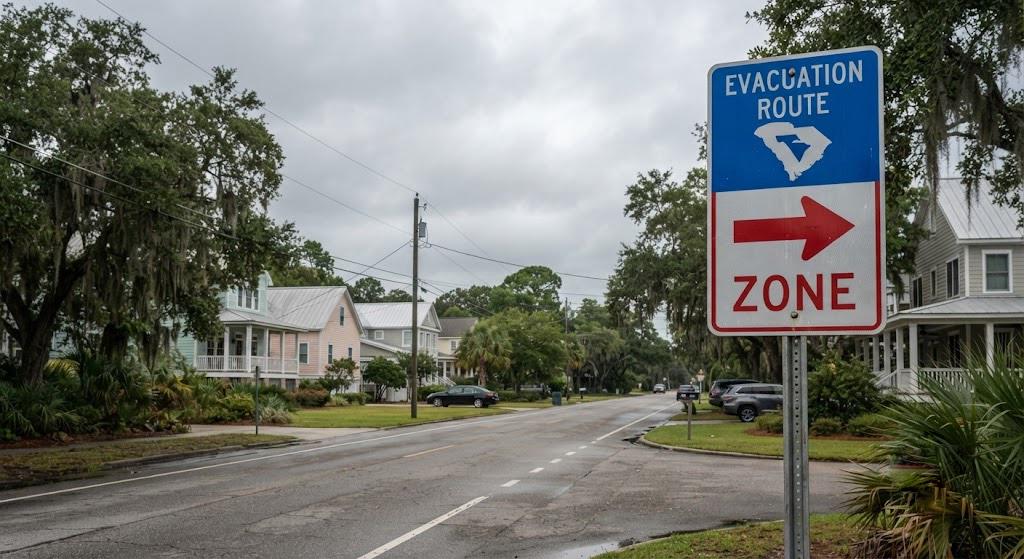
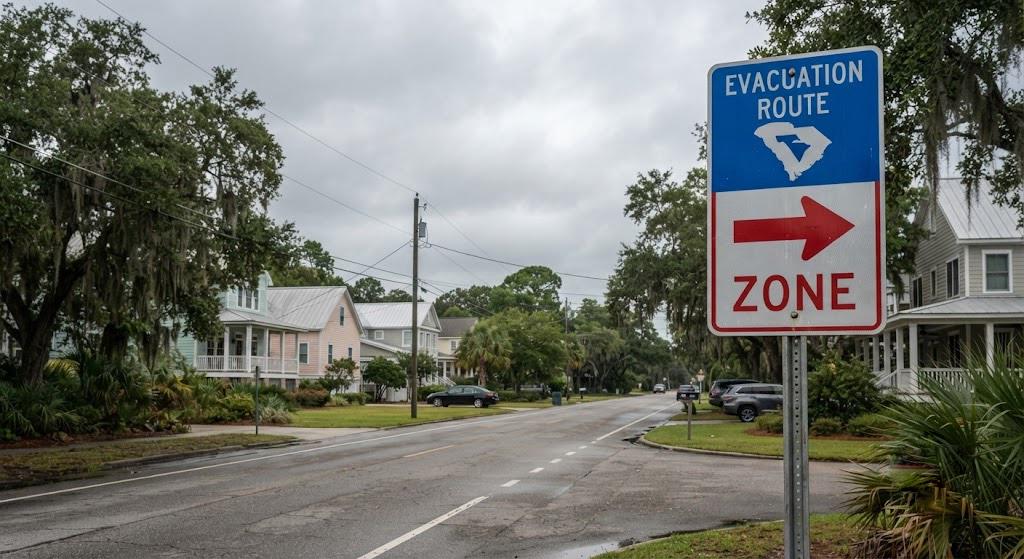
Preparing Your Home Before Landfall
Before an evacuation order is ever issued, map out your timeline using our 72-Hour Hurricane Power Plan: A Complete Guide to ensure your family and backup power systems are completely ready to go.
Clear Roofs and Gutters: Take away leaves and other stuff so that heavy rains can drain freely, lowering the chances of roof leaks.
Secure Loose Outdoor Items: Bring in outdoor furniture, lawn ornaments, grills, trash cans, and potted plants. Loose objects can become dangerous projectiles in high winds.
Trim Trees and Branches: Cut off any dead or hanging limbs on trees near your home, driveway, and power lines to prevent falling hazards.
Document Property: Take clear pictures and videos of the outside and inside contents of your home for insurance purposes. Before storm activity peaks, check your wind, hail, and flood insurance policies.
Once the eye of the storm passes, the focus immediately shifts to post-storm safety and recovery.
After the Storm: Staying Safe
Often, the greatest danger is when the storm is over. Your physical safety should come first:
Watch out for power lines: Beware of power lines. Assume that all downed lines are live and deadly.
Avoid floodwaters: They can conceal downed electrical currents, sharp debris, and harmful bacteria.
Check for gas leaks: If you smell gas or hear hissing, get out of the house immediately and call emergency services.
When it's safe to do so, protect your finances by taking clear photos and videos of all property damage before starting any cleanup. Be alert for scams after a disaster. Fraudulent contractors often target vulnerable survivors.
As you settle in for a potentially long recovery, understanding broader infrastructure vulnerabilities can help put things in perspective. Checking out Which States Lose Power Most? America's Blackout Hotspots highlights how regional power grids compare. Staying informed and cautious safeguards both your family and your future.
Conclusion
With miles of coastline, South Carolina is a hurricane-prone state, and hurricane preparedness is a way of life. Long-term power outages, coastal flooding, and structural damage can occur during severe weather. Be prepared for major weather events. Protect your property, learn forecast terms, know your evacuation zone, and have dependable home energy storage ready ahead of warnings to stay safe.
If you want to keep your home powered through multi-day blackouts without relying on gas, noise, or fumes, check out the EcoFlow DELTA Pro Ultra X and EcoFlow DELTA Pro 3 for clean, reliable home backup power.
FAQs
When is hurricane season in South Carolina?
The official Atlantic hurricane season runs from June 1 to November 30 each year, with the greatest risk in South Carolina between mid-August and late October.
What's the difference between a tropical depression and a tropical storm?
A tropical depression has maximum sustained winds of 38 mph or less. Once sustained winds reach 39 to 73 mph, the system is classified as a named tropical storm and brings greater coastal impacts.
How do I know if I'm in a mandatory evacuation zone in South Carolina?
Coastal South Carolina counties have established evacuation zones, A through E. Locate your designated zone on the South Carolina Emergency Management Division (SCEMD) website or local emergency management resources.
How long do power outages typically last after a South Carolina hurricane?
The outages can be a matter of hours for minor storms, or they can last for weeks after a major hurricane of Category 3 or higher damages regional transmission grids.
Can a battery backup system power my whole home during a multi-day hurricane outage?
Yes. With 12kW split-phase power and scalable battery capacity, systems like the EcoFlow DELTA Pro Ultra X provide enough output to run heavy household loads—such as central air conditioning and refrigerators—for days during an extended outage.
For press requests or interview opportunities, reach out to our media team
media.na@ecoflow.com