How Long Can a Generator Run Continuously?
- What Determines How Long a Generator Can Run Continuously?
- How Long Can a Portable Generator Run Continuously?
- How Long Can a Standby Generator Run Continuously?
- What Factors Limit Continuous Generator Runtime?
- Why Do Generators Need Scheduled Rest Periods?
- Frequently Asked Questions
- Solar Generators Provide Safe, Continuous Power Without Fuel or Maintenance Downtime
A generator's continuous runtime depends on its fuel source, engine design, maintenance schedule, and electrical load. While some generators can operate for only several hours before refueling, others are designed to run for days with proper maintenance.
Understanding these differences helps you choose the right backup power solution and avoid unnecessary wear or unexpected shutdowns.
What Determines How Long a Generator Can Run Continuously?
Several factors determine how long a generator can operate without interruption.
Fuel capacity is often the first limitation, especially for gasoline-powered portable models that require frequent refueling. Engine size and build quality also play an important role, as commercial-grade engines are designed for much longer operating periods than consumer-grade units.
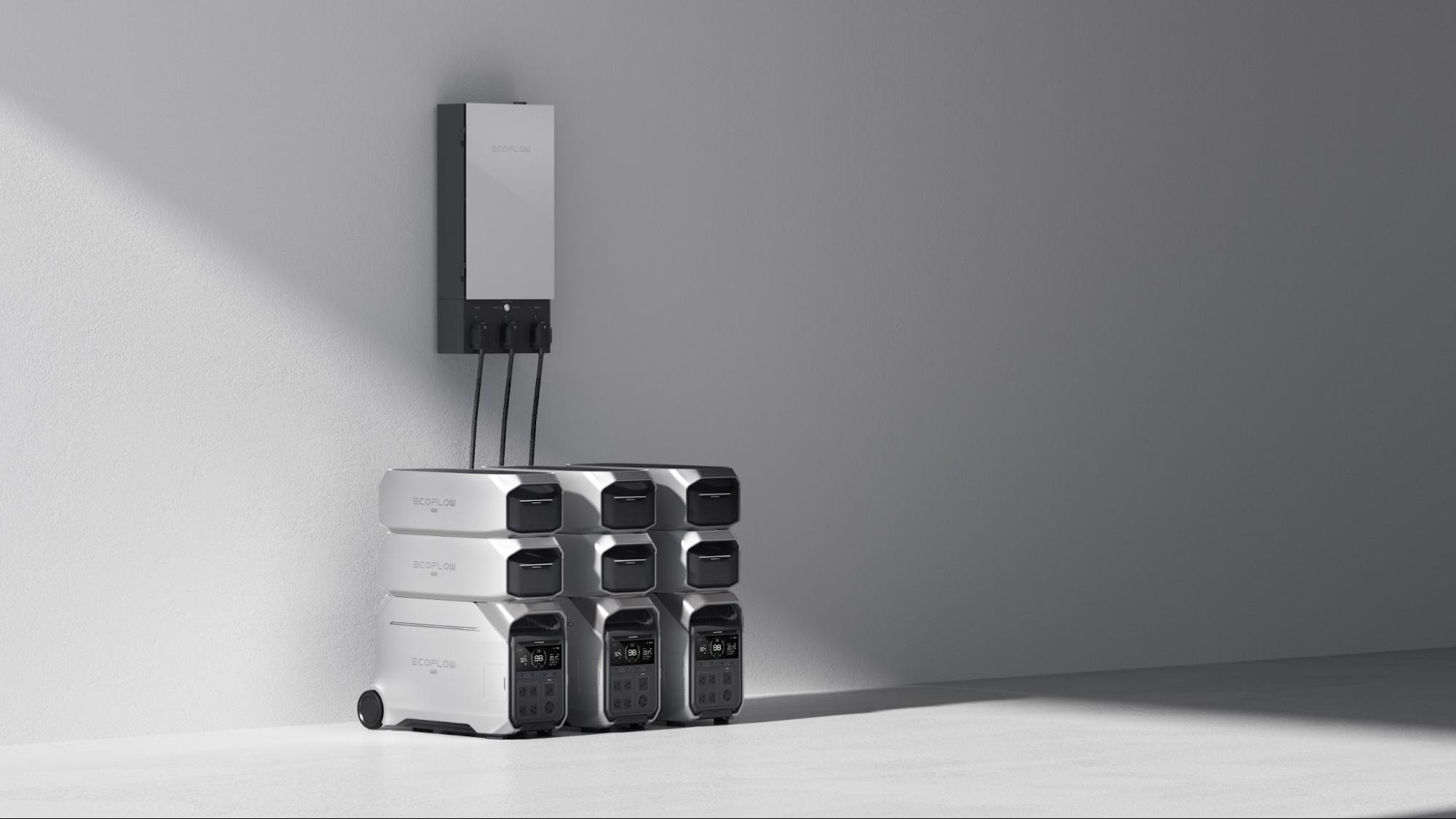
This fuel dependency is also why some homeowners look at battery-based alternatives like the EcoFlow DELTA Pro Portable Power Station, which stores energy rather than burning fuel, so runtime isn't tied to refueling at all.
The amount of power being drawn significantly affects runtime as well. A generator supplying only essential appliances consumes less fuel than one running near its maximum capacity.
Environmental conditions such as high temperatures, dust, humidity, and elevation can also reduce efficiency and place additional strain on the engine.
Routine maintenance is equally important. Oil changes, air filter inspections, and cooling system checks help prevent overheating and excessive engine wear during extended operation.
How Long Can a Portable Generator Run Continuously?
Most portable generators can run continuously for between 8 and 24 hours before requiring refueling, depending on the fuel tank size, load, and engine efficiency.
Gasoline-powered models typically provide the shortest runtime because their tanks are relatively small compared to larger stationary systems.
Even if fuel is continuously available, manufacturers often recommend stopping the generator after a full day of operation to inspect the oil level and perform basic maintenance. Ignoring these recommendations increases the risk of overheating and premature engine damage.
Many homeowners researching how long you can run an inverter generator discover that inverter models often deliver longer runtime per gallon of fuel because they automatically adjust engine speed to match power demand.
How Long Can a Standby Generator Run Continuously?
U.S. electricity customers experienced an average of 11 hours of power interruptions in 2024 due to hurricanes, nearly double the previous decade's average, largely due to major storm events. Standby generators are built for these sorts of extended outages and can operate for days or even weeks with a reliable fuel supply and routine maintenance.
Many homeowners choose a whole home generator because it automatically restores power within seconds of an outage.
Natural gas generators: Connected to a municipal gas line, these can run for days or weeks as long as gas service is uninterrupted. Most require an oil change every 100–200 operating hours.
Propane generators: Runtime depends on the size of the propane tank. Large residential tanks can power a generator for several days, which makes propane a reliable option where natural gas isn't available.
Diesel generators: Diesel generators are designed for long continuous operation with scheduled refueling and regular oil and filter maintenance.
What Factors Limit Continuous Generator Runtime?
Several factors can reduce how long a generator can run continuously, even when fuel is available.
Fuel supply: Portable generators stop running once the fuel tank is empty, while standby models depend on a continuous fuel source.
Engine oil: Oil degrades over time, which increases friction and engine wear if it isn't changed at the recommended intervals.
Cooling: Long operating periods and high temperatures can cause generators to overheat, especially if ventilation is poor.
Electrical load: Running near maximum capacity increases fuel consumption, operating temperatures, and stress on the engine.
Maintenance: Dirty air filters, worn spark plugs, contaminated fuel, and skipped maintenance can reduce efficiency and lead to unexpected shutdowns.
Generator sizing: Choosing the right size generator helps prevent overloading and improves efficiency during extended outages. Understanding what size generator for your house is an important step in selecting the right system.
Why Do Generators Need Scheduled Rest Periods?
Most engine-powered generators benefit from scheduled downtime because continuous operation generates heat, gradually degrades engine oil, and accelerates component wear. Short maintenance intervals allow operators to inspect fluid levels, replace oil when necessary, and identify potential problems before they become serious mechanical failures.
Portable generators typically require more frequent breaks than standby generators because their engines are smaller and often air-cooled rather than liquid-cooled. Standby systems are built for longer operating cycles, but they still require maintenance according to manufacturer recommendations after specific hourly intervals.
Ignoring these service schedules may void warranties while significantly shortening engine lifespan.
Frequently Asked Questions
Can You Run a Generator All Night?
Yes, many generators can safely run overnight if they are properly maintained, adequately fueled, and operated according to the manufacturer's recommendations. Portable generators should always remain outdoors in well-ventilated areas to prevent dangerous carbon monoxide buildup, while standby generators are specifically designed for unattended operation during power outages.
How Often Should You Change the Oil in a Generator?
Most new generators require their first oil change after approximately 20 to 30 hours of operation. After that, many portable generators need fresh oil every 50 to 100 operating hours, while larger standby generators may have longer service intervals depending on the engine design.
What Happens If a Generator Runs Out of Fuel While Running?
When a generator exhausts its fuel supply, the engine simply shuts down and stops producing electricity. Although this normally does not damage the generator itself, connected appliances immediately lose power. Repeatedly allowing diesel generators to run completely dry may introduce air into the fuel system.
Solar Generators Provide Safe, Continuous Power Without Fuel or Maintenance Downtime
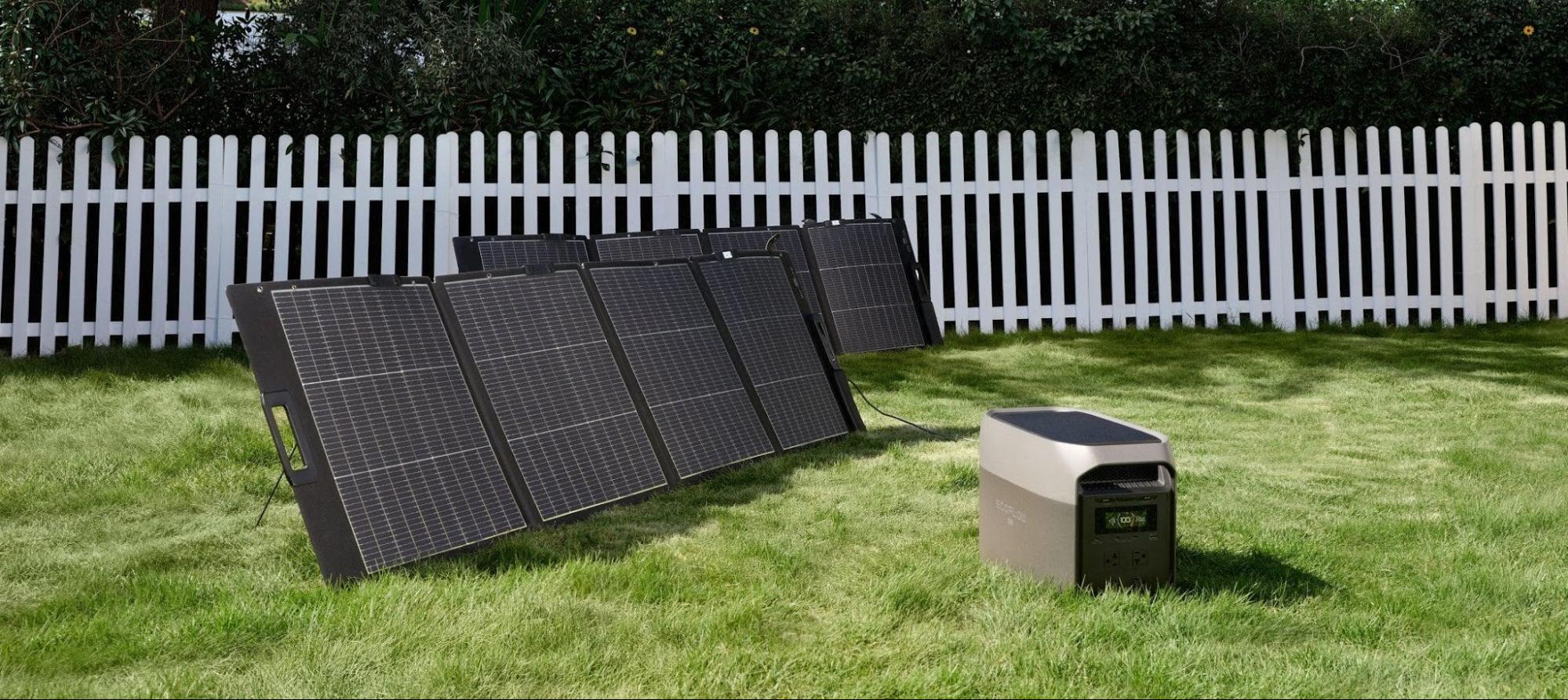
Battery-based power stations sidestep the runtime limits covered throughout this guide. With no combustion, engine oil, or exhaust involved, there's no refueling schedule or maintenance interval to plan around.
The EcoFlow DELTA Pro stores energy for reliable home backup on its own, and pairing a unit with solar panels, as with the EcoFlow DELTA 3 Max + 400W Solar Panel, turns it into a true solar generator, recharging continuously through daylight for extended off-grid use.
Either way, runtime depends on battery capacity and energy use rather than fuel supply. For homeowners weighing reliability against ongoing maintenance, going battery- or solar-powered removes the "how long can it run" question altogether; it runs as long as it's charged.
For press requests or interview opportunities, reach out to our media team
media.na@ecoflow.com