When Is It Gonna Start Getting Cold? Signs and Timing of Cooler Weather
In most parts of the U.S., cooler temperatures and winter weather start showing up between September and December depending on where you are. Some northern areas may get an early cold blast even before fall is fully underway. Parts of the South may see mild temperatures all the way until late November or even December. This guide breaks down when temperatures usually start dropping by region and some early cold-weather signs to watch for. It also recommends how to get your home ready before the first hard freeze.
When Does It Usually Start Getting Cold in the U.S.?
There is no single “cold season” start date for the whole country. Your region, elevation, and distance from the coast all affect when cooler weather arrives. Early preparation can help homeowners stay safer during sudden weather changes, and simple winter safety tips can help protect homes and families as temperatures drop.
Region | First Sustained Drops Below 50°F | Typical First Freeze (≤32°F) |
Mountain West & Northern Plains | Early to mid-September | Late September to early October |
Northeast & Midwest | Late September to early October | Mid-October to early November |
Pacific Northwest | Mid to late October | Mid-November |
South & Southwest | Mid-November to December | December (could be rare and isolated) |
For homeowners searching when is it gonna start getting cold, the timing depends largely on regional climate patterns, elevation, and proximity to major bodies of water.
Northeast and Midwest
Cool, crisp air usually comes across the Great Lakes and New England by late September. Sweaters and sweatshirts will be needed through October as afternoon temperatures dip into the 50s. Nighttime temperatures also fall and can usually get down to freezing before Halloween. For anyone asking when is it gonna start getting colder, this region is often among the first parts of the U.S. to experience noticeable seasonal cooling.
Mountain West and Northern Plains
The combination of higher elevations and more northern geography means winter weather can come early in the fall. High-altitude towns in Wyoming, Colorado, and Montana routinely experience overnight freezing temperatures before the end of September. Areas in the Dakotas and northern Minnesota, Wisconsin trail close behind.
Pacific Northwest
The beginning of autumn west of the Cascades comes with more dampness and overcast skies and usually sudden sub-zero freezes come later. Chilly 50-degree rain sets in during mid-October, and actual freezing temperatures are often delayed till November. The Pacific ocean helps to temper the cold fronts coming down from Canada.
South and Southwest
Locals in Florida, southern Texas, and the Arizona desert often wonder if autumn will arrive at all. Homeowners searching when is it gonna start getting cold in Texas should expect cooler temperatures to arrive later than in northern states, with timing varying by location and elevation. The northern areas of the South will experience some cool cold fronts in late October. However, the deep southern regions rarely feel a real chill until late November or December. They may still have alternating periods with pleasant 70-degree afternoons and brisk evenings.
Residents looking up when is it gonna start getting cold in Florida should expect mild temperatures to continue longer than in many other states, with cooler conditions often arriving later in the season.
Why Does Cooler Weather Arrive at Different Times?
Cooler weather arrives at different times because of sunlight, elevation, ocean effects, and regional weather patterns. These all change how quickly an area loses heat in the fall. Understanding how weather patterns change can also help homeowners prepare emergency equipment safely, including reviewing portable generator safety in cooler weather before winter storms arrive.
Latitude and Distance From the Equator
The distance from the equator remains the primary driver of temperature change. Locations farther north receive sunlight at increasingly shallow angles during the fall months. This means that solar energy is less intense and is spread more thinly over larger surface areas. Essentially, the sun loses its ability to warm the ground effectively.
Elevation and Local Geography
Every thousand-foot increase in altitude reduces ambient temperatures roughly 3.5°F to 5°F. Accordingly, mountain towns chill down weeks ahead of adjacent valleys. Also, massive bodies of water like the Great Lakes or the ocean will moderate temperatures in their coastal areas. The large bodies of water have a tempering effect, and delay the first bitter cold snaps.
Daylight and Seasonal Changes
As the Earth tilts away from the sun along its orbital path, the Northern Hemisphere loses minutes of direct solar radiation every day. The ground simply has fewer daytime hours to absorb heat and more overnight hours to radiate any warmth back into space.
Regional Weather Patterns
The behavior of the jet stream frequently impacts regional weather patterns. A dipping polar jet stream can push arctic air straight down through the central plains in early autumn. Conversely, a slow moving subtropical ridge can trap warm air over the eastern seaboard for weeks keeping temperatures higher than the seasonal average.
What Are the First Signs That Colder Weather Is Coming?
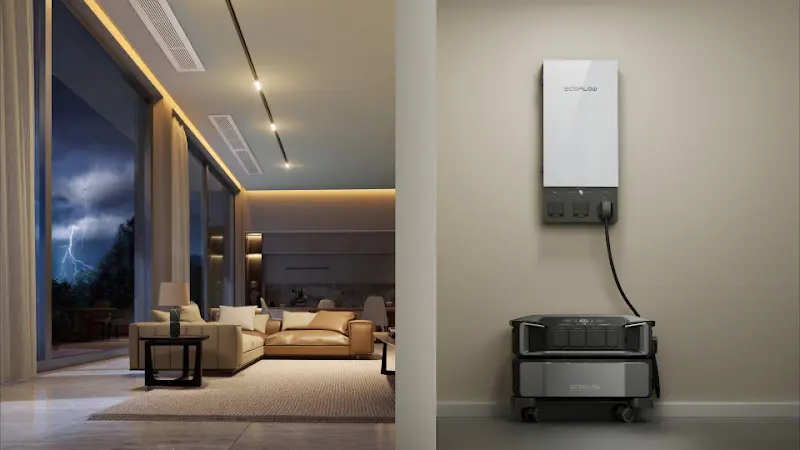
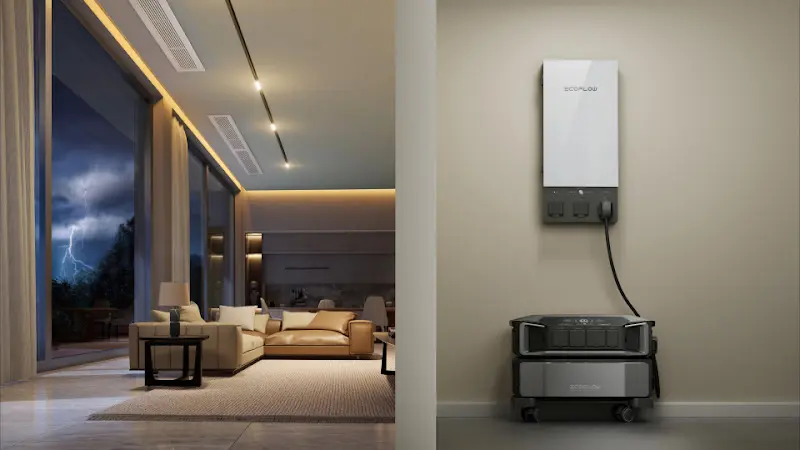
You usually get a few warning signs before truly cold weather settles in. First, you’ll have cooler nights, then mornings feel more brisk, and you might see some morning frost. These early signs give homeowners time to prepare important household systems and consider home backup power for unexpected outages during colder months.
Crisper Nights and Cooler Evening Temperatures
A noticeable drop in evening humidity is typically the earliest indication that the weather is starting to change. Without heavy, moisture-laden air to trap ambient heat, the temperature drops after sunset. Sometimes you can tell when the air has a bit more of a crispness in the evening.
Shorter Days and Earlier Sunsets
In the fall, commutes home from work seem to shift quickly to driving at dusk rather than in daylight. By late September, you will notice the sunsets starting earlier every week. There’ll be more shade earlier in the day causing outdoor venues to be more chilly for dinner.
Changing Foliage and Falling Leaves
Diminishing chlorophyll production brings out the underlying reds, oranges, and golds in deciduous trees. After enjoying the vibrant colors of fall, the trees lose their leaves, leaving only bare trees standing over a carpet of leaves. The trees then go dormant for winter to protect themselves against freezing conditions.
The First Morning Frost in Colder Regions
Waking up to shimmering white lawns and icy windshields can be thought of as a definitive boundary between lingering autumn and the start of winter. This happens on still, cloudless nights when ground temperatures drop to 32°F or below. This causes water vapor in the air to freeze directly onto any exposed surfaces.
How Can You Prepare When Temperatures Start to Drop?
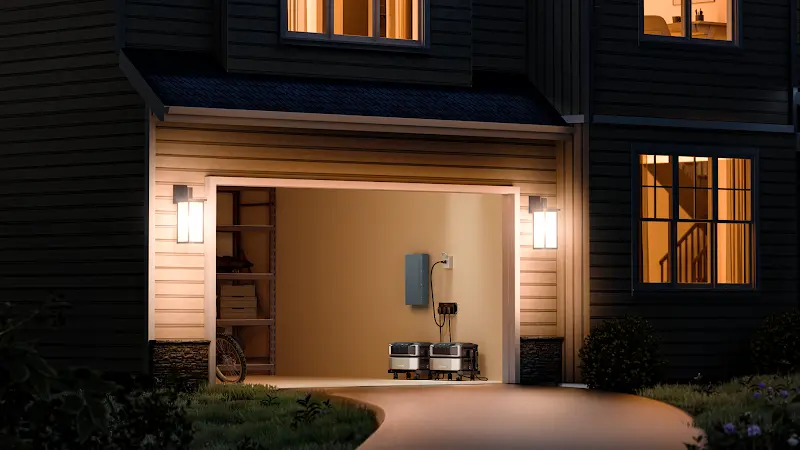
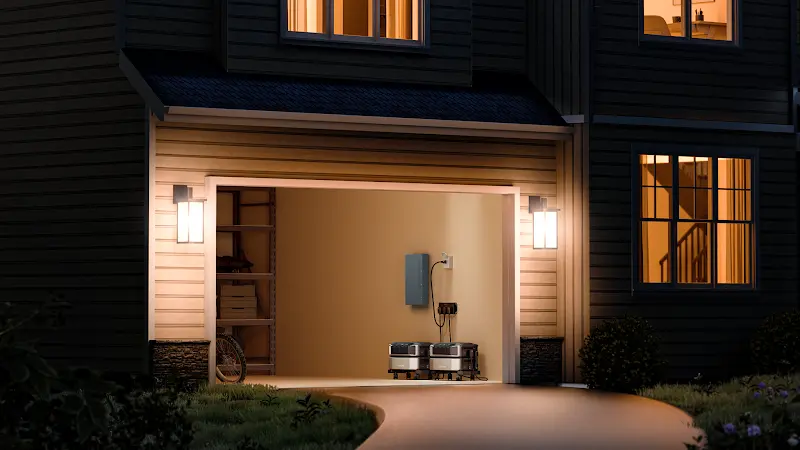
Once nights start dropping into the 40s or lower, it is a good time to prepare your home before the first hard freeze. A few simple checks now can help prevent heating problems, frozen pipes, and outage stress later.
Check Your Heating System
It’s good practice to inspect your heating system’s operating condition before temperatures drop significantly. Replace dirty air filters, and confirm that the furnace or heat pump starts and runs smoothly.
If you rely on your home’s central HVAC system or heat pump to stay warm, then you may need an emergency backup power system. For households needing power for high-demand equipment, consider the EcoFlow DELTA Pro Ultra Whole-Home Backup Power. This system provides up to 7.2kW of output and dual 120V/240V split-phase power. When you combine it with the Smart Home Panel 2, you can seamlessly transfer to whole-home backup during an outage.
Protect Outdoor Pipes and Plants
Exterior plumbing lines and delicate landscaping are vulnerable to early surprise freezes. Disconnect and drain garden hoses. Turn off interior valves feeding outside spigots and drain residual water from the outdoor faucets. Potted plants and sensitive perennials should be moved indoors or covered with an insulating burlap before the first hard frost arrives.
Seal Drafty Doors and Windows
Tiny gaps around entry doors and old window frames are the same as leaving a small window open all winter. To “close the window”, check your exterior door sweeps, replace worn weatherstripping, and apply fresh silicone caulk around window casings. These steps are needed to keep heated air indoors and to lower utility bills. For homeowners who also want to prepare for unexpected winter outages, a solar generator for power outage situations can provide backup electricity for essential devices when the grid goes down.
Prepare for Cold-Weather Power Outages
Winter storms, freezing rain, heavy snowfall, and gusty winds can easily knock out power across many regions. Thus, early preparations for outages are essential.
Take time to identify your household items that are essential to keep running in case of an emergency. These might include keeping the refrigerator running, powering lighting circuits, and maintaining Wi-Fi routers and phones. For these, you’ll need power. If you’re looking for an alternative to noisy gas generators, the EcoFlow DELTA 3 Max Portable Power Station (2048Wh) delivers dependable power backup for critical household devices. Unlike traditional gas generators, this battery-powered backup requires zero fuel storage and operates quietly indoors with zero harmful exhaust emissions.
Conclusion
The arrival of cooler weather across America is gradual. It’s a rolling transition that sweeps from the northern states down to the southern coasts between September and December. You know it’s coming by recognizing nature’s warning signs such as shorter days or morning frost. These give homeowners a clear head start on winter preparation. Do maintenance on your heating equipment and insulate exposed outdoor pipes. Prepare for an outage by using a reliable, clean battery backup power solution. These will keep your essential items running so your household stays warm, secure, and fully operational no matter how severe the cold snaps get.
FAQ
Will 2026 Be a Cold Winter?
Winter 2026 temperatures will largely be determined by prevailing ENSO (El Niño-Southern Oscillation) patterns and polar vortex fluctuations that meteorological agencies track heading into autumn. Regional variations will still dictate local extremes, with the northern tier generally bearing the brunt of the coldest anomalies.
What Temperature Is Considered Cold?
Most people begin feeling genuinely cold once ambient air temperatures fall below 50°F, especially when wind or rain is present. For public health and infrastructure purposes, temperatures below freezing (32°F) represent the threshold where structural freeze protection and heavy winter layers become necessary.
What Month Does It Usually Start Getting Cold?
In northern parts of the U.S., cooler weather often starts in September or October. In the South, regular cold weather is more common from November into December. Local elevation, wind patterns, and distance from the coast can shift that timing by several weeks.
What Are the 3 Coldest States in the U.S.?
Alaska, North Dakota, and Minnesota consistently rank among the coldest states in the U.S., especially when looking at winter extremes and sustained sub-zero temperatures. While Alaska takes the top spot overall, North Dakota and Minnesota regularly endure the most punishing winter cold in the contiguous 48 states (with high-elevation states like Wyoming also competing for lowest annual averages).
What Defines a Cold Snap?
A cold snap is a sudden, brief period of unusually cold weather, often brought on when an arctic air mass sweeps into a region. These sudden temperature plunges regularly break seasonal averages and present elevated risks for burst pipes, damaged crops, and electrical grid strain.
For press requests or interview opportunities, reach out to our media team
media.na@ecoflow.com