Utah Freeze Warnings: What to Know Before Temperatures Drop
Utah’s first freeze rarely waits for the yard to look ready for winter. People may eat outside in the afternoon, then find stiff garden leaves and a glazed windshield the next morning. Along the Wasatch Front, a small elevation change can decide who gets frost.
The warning may bring tomatoes and flowers to mind first. Elsewhere, a hose could still be attached, sprinkler hardware may hold water, and the evaporative cooler may need draining. Indoors, the furnace is about to get its first serious workout in months.
Fall chores and the weather do not keep the same calendar. A little work before sunset can prevent a worse job after the fittings spend the night below freezing.
What Does a Freeze Warning Mean in Utah?
A Freeze Warning is tied to the growing season. It flags cold that could damage crops and gardens rather than every subfreezing night. Utah residents may see one in October or late spring but not during a routine January cold spell.
After a widespread freeze ends the growing season, the National Weather Service may stop these alerts until spring. Later cold still appears in the regular forecast.
For useful detail, search your address at weather.gov and open the hourly view. Does it briefly touch 31°F before sunrise, or stay below freezing from midnight onward? Note the wind too, particularly around exposed plumbing.
What Is a Freeze Warning?
In practical terms, the forecast calls for 32°F or colder across enough of the area to threaten unprotected plants. The warning usually leaves time to pick produce, move pots, and deal with hoses or sprinkler parts.
Pipes are not automatically doomed at 32°F. A line in an insulated wall faces a different night from one in an open crawl space. Duration, insulation, and exposure to cold drafts all affect the risk.
What Temperatures Trigger a Freeze Warning?
32°F or below is the key temperature threshold, but one thermometer does not decide the alert. Forecasters consider the area affected, duration, and whether plants are actively growing.
Around 28°F or colder for several hours is generally considered a hard freeze and can cause severe damage to many unprotected plants.
Freeze Warning vs. Frost Advisory: What’s the Difference?
Frost and a freeze are related, but they are not identical. Frost can settle on leaves even when the official air temperature remains a few degrees above 32°F. Read the full alert because exact criteria and the locally defined growing season can vary by forecast office.
Alert Type | Typical Conditions | Primary Risk | Action Needed |
Frost Advisory | Temperatures may remain above 32°F | Tender leaves and flowers may be damaged | Cover sensitive plants or move pots inside |
Freeze Warning | Widespread readings of 32°F or lower | Serious damage to unprotected vegetation | Harvest produce and finish basic winterizing |
Grass, car roofs, and leaves may cool faster than the official thermometer above the ground. The station can report 35°F while frost is visible in the yard.
What Can Freezing Temperatures Affect Around Your Home?
Water is where most of the headaches begin. It hides in narrow fittings, small pumps, and sections of pipe that are easy to forget. The first cold night also happens to be when many people discover that the heating system needs service.
Frozen Pipes and Plumbing Damage
Water expands roughly 9% as it freezes. In a pipe, pressure building beside an ice blockage often causes the break. Ice may plug the crack until the line thaws, so the leak can appear hours after the coldest weather passes.
Start with plumbing in exterior walls, garages, crawl spaces, unfinished basements, and cabinets along outside walls. Vacant homes need extra care if the thermostat is turned down.
Then look outside. A hose left on a frost-free faucet can keep the faucet from draining through its long barrel. The damage may occur behind the siding, not at the handle where it is easy to see.
Frost Damage to Plants and Irrigation Systems
Tomatoes, peppers, squash, basil, and flowering annuals can wilt after a light frost. Leaves may look fine before sunrise and turn dark as they thaw. Do not rush to prune before another cold night.
Backflow preventers, manifolds, valves, and aboveground pipe sections can hold enough water to crack when frozen. Buried lines have some protection, but shallow sections and low spots may not drain.
Some Utah systems use manual or automatic drain valves. Others call for a compressed-air blowout. Those methods are not interchangeable. If you do not know the correct pressure or sequence, bring in an irrigation professional rather than experimenting with a large compressor.
Heating and Power System Impacts
The furnace often tells on itself during the first cold snap: weak airflow, short cycles, or a heat pump that never catches up. Check the filter first. Ignition faults, blocked vents, and repeated shutdowns need a technician.
Cold alone rarely knocks out electricity. Canyon winds, wet snow, or ice dropping a limb onto a line are more likely causes. Most gas furnaces still need power for controls and a blower, while boilers may need circulation pumps. A home battery can support selected compatible heating controls and circulation equipment during an outage, provided the connection method follows the equipment requirements.
Damage to Outdoor Equipment
Drain pressure washers, spray nozzles, pump housings, patio fountains, and coiled hoses. Even a small pocket of water can split a fitting.
Utah’s evaporative coolers also need more than an off switch. Close and disconnect the water supply, drain the reservoir and line, and follow the model’s winterizing procedure. If the manufacturer calls for a cover, wait until the unit is dry before fitting it.
Not sure whether a tool or fixture still contains water? Check its manual before storing it for winter. Pumps and valves often hold more than they appear to from the outside.


What Should You Do Before Temperatures Drop in Utah?
If time is short, deal with water first. Disconnect hoses, protect faucets, and drain exposed equipment. Move vulnerable plants next, then check the furnace and outage supplies.
Protect Pipes and Outdoor Faucets From Freezing
Take every hose off the house, drain it, and put it away. Where a faucet has a separate indoor shutoff, close the valve and empty the exterior run. An insulated cover adds useful protection after the water has drained; it should not be the only step when a shutoff is available.
Inside, inspect the garage, basement, crawl space, and cabinets on outside walls. Refasten loose insulation and seal gaps that blow cold air across a line.
Open the cabinet beneath an exposed sink so room air can reach the pipes, moving chemicals first if children or pets are present. A slight drip may help during unusual cold, but it cannot replace insulation or heat.
Finally, uncover the main water shutoff. Everyone old enough to use it should know where it is. A stuck valve is a repair for a normal day, not something to force while a broken pipe is spraying water.
Protect Plants and Irrigation Systems From Frost
Pick what is ready while there is daylight, then move the pots. Containers lose warmth on every side, so they often cool sooner than garden soil. A garage or enclosed porch is usually enough for the night.
For anything too large to move, make a loose tent with frost cloth, burlap, or a cotton sheet. Use stakes around delicate stems and let the bottom reach the soil to hold some ground warmth.
Put covers on before sunset and secure the edges. Keep ordinary plastic off the foliage, then remove or vent the material when the next day warms.
For irrigation, follow the design of the system. Close the proper supply valve, drain exposed components, and protect the backflow assembly as directed. If a blowout is required, stay within the specified pressure. More air pressure will not make the job safer or better.
Check Your Heating System and Home Emergency Supplies
Give the heat a trial run before evening. Let it start, warm the rooms, and shut off normally. Weak airflow may mean a dirty filter or blocked return. Rattling, failed ignition, repeated restarts, or a heat pump that never catches up deserves service.
While the house warms, gather a working flashlight, blankets, medication, first-aid items, water, easy food, and pet supplies. Include extra blankets and other supplies you may need to stay warm during a power outage if the furnace stops working. Test the smoke and carbon monoxide alarms instead of trusting old batteries.
Prepare for Possible Power Outages
Charge the phones, lanterns, power banks, and power stations in one round. Then check the utility account; outdated contact details could mean a missed outage notice.
Choose a room where everyone could gather if the furnace stopped and put the blankets there. A kitchen range, charcoal grill, camp stove, or outdoor propane heater is never safe for indoor heat.
Keep engine-driven generators outside, at least 20 feet from doors, windows, and vents. An open garage is not safe. Battery stations avoid engine exhaust, but must remain dry and within their operating limits.
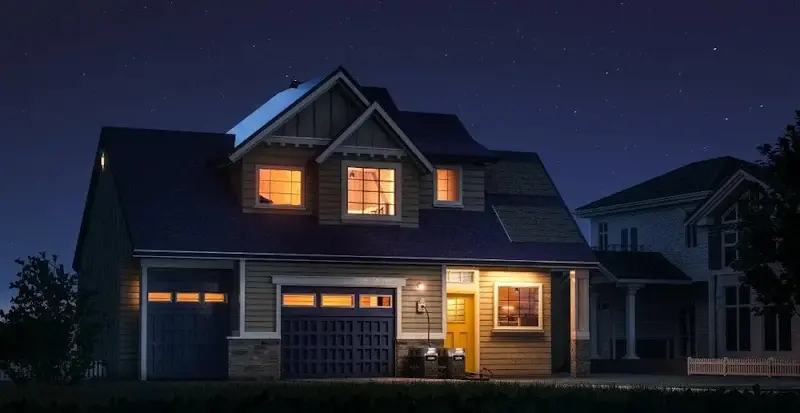
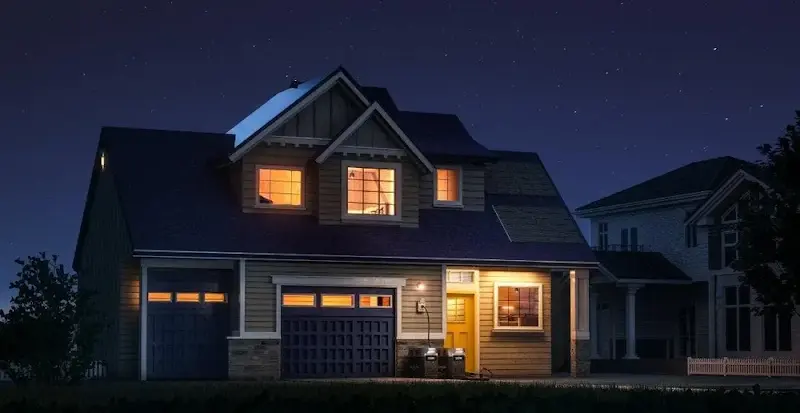
How Can You Prepare for a Power Outage During Freezing Weather?
During a winter outage, the indoor temperature matters as much as the lights. Pipes, pets, medication, and people sensitive to cold change the priorities. Decide what must remain available instead of trying to recreate normal life from a battery.
Identify the Essential Devices You Need to Keep Running
Start with medical equipment, then phones, a modem and router, several LED lights, and refrigeration if food or medicine is involved.
Read the labels. A refrigerator compressor cycles rather than drawing the same wattage all day, and it may pull extra power for a moment when it starts. Pumps, furnace blowers, and some medical equipment have similar startup demand.
Space heaters, kettles, microwaves, and coffee makers drain stored energy quickly. A heated throw uses far less electricity than a room heater, and blankets use none.
For households that need more output, the EcoFlow DELTA Pro Portable Power Station has a 3.6kWh battery capacity and 3,600W AC output. It can support several compatible essentials, but the actual runtime depends on what is connected and how often appliances cycle. Powering fixed home circuits requires compatible transfer equipment and proper installation.
Prepare Enough Backup Power for Longer Outages
Two numbers matter when comparing a power station. Output, listed in watts, tells you what can run at one time. Capacity, listed in watt-hours, helps estimate how long the stored energy will last.
It helps to write the planned loads on a note and keep it with the unit. During an outage, that is easier than rebuilding the calculation while the house is dark and everyone wants to plug something in.
The EcoFlow DELTA 3 Max Portable Power Station has 2,048Wh of capacity and a 2,400W rated AC output. In a sensible outage setup, that may cover a refrigerator plus selected lights, phones, and network equipment. Plug in several high-wattage appliances, however, and the available runtime falls quickly even though the unit can handle the load.
Use power in shifts. Charge phones and unplug them, leave the refrigerator doors closed, and turn off spare screens and idle chargers. Those choices matter if the outage lasts into the morning.
Charge and Test Your Backup Power Before Freezing Weather Arrives
Charge the unit when the warning is posted, then test the equipment you plan to use. A short pre-winter blackout drill can reveal a startup problem, missing adapter, or short cord before the power fails.
For a CPAP machine or other medical device, verify compatibility with the manufacturer and know where the user can go if the outage outlasts the battery.
Store the power station indoors within its stated operating range. Lithium batteries may provide less usable performance in a freezing garage. Never plug a portable power station into a wall outlet to energize household wiring. Fixed circuits need approved connection equipment.
Conclusion
A Freeze Warning does not guarantee icy roads or broken pipes. It means the cold is close enough that unfinished fall chores should move to the top of the list.
Remove the hoses, drain the right irrigation parts, cover the plants, and make sure the furnace works. Charge the outage equipment before bed. An afternoon spent on those jobs beats searching for the water shutoff after midnight.
FAQ
Do You Need to Run Hot Water to Keep Pipes from Freezing?
You don’t need hot water alone, but you should run both cold and hot lines. For single-handle faucets, adjust the handle to the center so that a slight, steady drip comes from both supplies. Leaving the hot line closed still risks having stagnant water freeze in uninsulated exterior pipes.
What Is the Average Last Frost Date in Utah?
“Utah’s last frost date” is misleading because the state has no single growing-season calendar. Utah State University Extension lists averages near April 26 at Salt Lake City International Airport, May 1 at the University of Utah, May 1 at BYU in Provo, and May 21 at Provo Airport. Mountain valleys may see frost into late May or June. Use a nearby station and the current forecast before setting out warm-season plants.
Does a Freeze Warning Mean Roads Will Have Black Ice?
No. A Freeze Warning can occur on a clear, dry night and does not by itself mean roads will become icy. Without moisture on the pavement, black ice cannot form. Black ice becomes possible when wet pavement from rain, melting snow, irrigation, or runoff drops below freezing. Check transportation updates and any Winter Weather Advisory or Ice Storm Warning when travel is the concern. Shaded bridges, ramps, and neighborhood low spots may cool first, so local road reports matter more than the Freeze Warning by itself.
What Appliances Can a Portable Power Station Run?
It depends on continuous output, startup or surge demand, battery capacity, and which outlets the unit provides. Refrigerators, CPAP machines, routers, laptops, televisions, LED lights, and certain cooking appliances may all be compatible, but not necessarily at the same time. Add the wattage of everything that will run together. Leave room for compressors and motors to start, and remember that a device can fit within the output limit while still using the battery very quickly.
How Long Will a Portable Power Station Run a Refrigerator?
There is no reliable answer without knowing the refrigerator. Size, age, room temperature, insulation, compressor efficiency, and door use all change the result. Many full-size units draw roughly 100W to 200W while the compressor is running, with a brief increase at startup.
A power station in the 2,000Wh range may keep an efficient refrigerator operating for roughly 10 to 15 hours under ordinary household conditions. Treat that as a planning range, not a promise. Test your own appliance and keep the doors closed during an outage.
For press requests or interview opportunities, reach out to our media team
media.na@ecoflow.com