RG&E Outage Map Guide: Reporting Steps and Restoration Tips
When the lights go out in Rochester, the first question is usually simple. Is it just this house, or the whole street?
RG&E (Rochester Gas and Electric) serves the Rochester area and several surrounding counties. During a storm, knowing how to check its outage map and report a problem saves real time. Plenty of locals drop the ampersand and just search for an RGE outage online, so the tools are easy to find.
This piece covers how to read the outage map, the fastest ways to report an outage, backup power for winter storm season, and basic outage safety.
How to Check the RG&E Outage Map
RG&E's outage map, at outagemap.rge.com, displays active power losses broken down by county and specific operating zones throughout the region. It draws on reports from customers and field crews. That means it reflects what the utility knows at that moment, not every home that has lost power.
What the Map Shows
The map is simple to read once the main features make sense:
Outage locations: Colored markers or shaded zones show where customers are without power. Zooming in narrows the view down to a town or neighborhood.
Customers affected: Each outage lists how many accounts are out. This helps show whether a problem is a single street or a wider event.
Restoration estimates: Some outages include an estimated restoration time. These times can shift as crews assess the damage in person.
Reading the Map by Division
To efficiently manage the local grid, the provider splits its service territory into targeted operational zones like the Sodus, Fillmore, Central, and Canandaigua regions.
Division totals help put local numbers in context. During a May 2026 wind and rain event, for example, RG&E reported that the remaining outages sat in its Central Division, which includes Monroe and Orleans counties.
Map View vs. List View
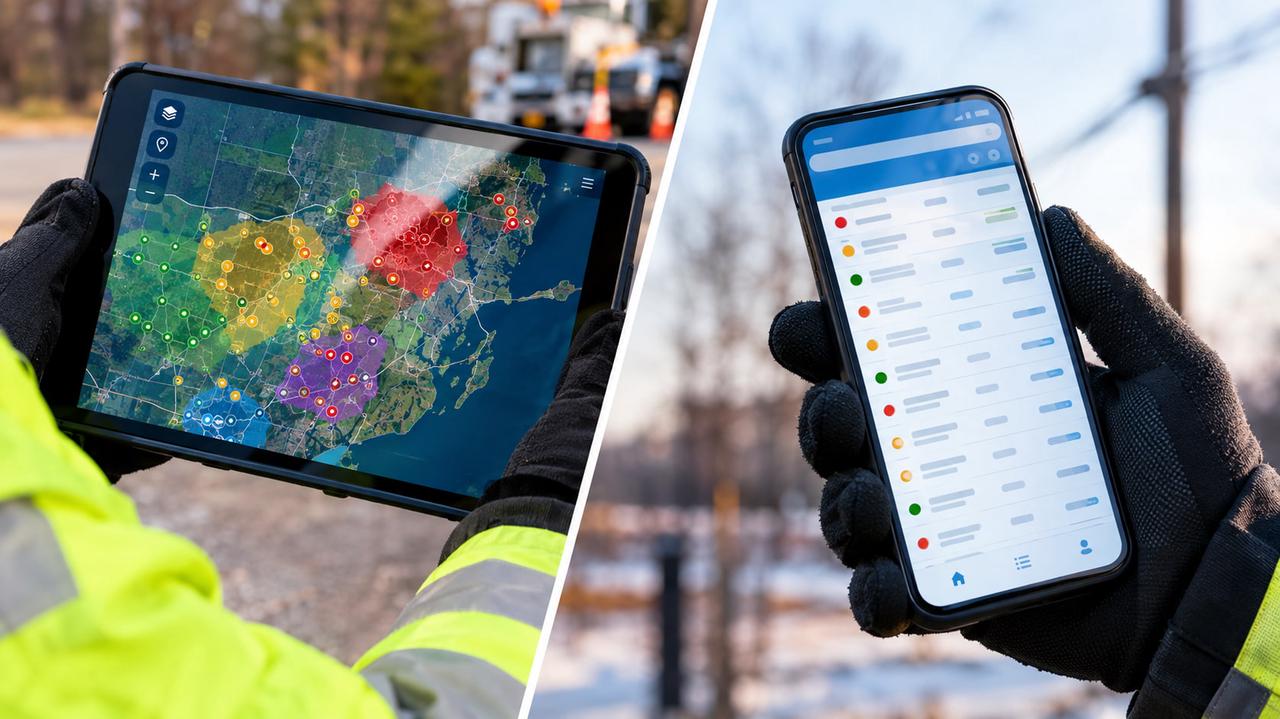
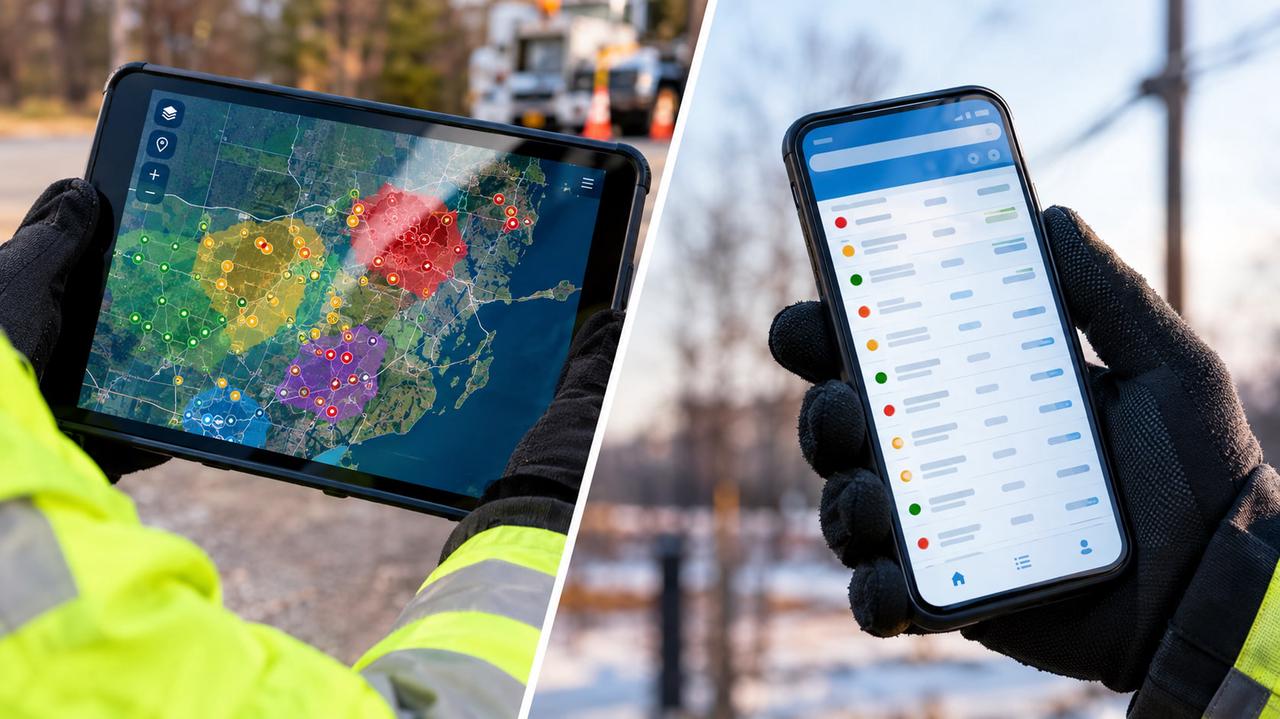
The RGE outage map works in a standard phone or computer browser, with no login needed to view it. Some people prefer text over a map, though.
As an alternative, customers can access a text-based format directly on the utility's outage tracking webpage. The RGE outage list breaks totals down in rows, which makes it easier to compare areas at a glance. On a small phone screen, the RGE power outage list can also be quicker to scan than a zoomed-out map.
Neighboring power providers operate comparable trackers. For instance, checking the National Grid dashboard provides broader context for disruptions affecting other parts of upstate New York. The map shows what RG&E already knows about, but a specific address still needs to be reported directly.
How to Report an RG&E Outage
It is easy to assume a neighbor already called. Still, each new report helps crews pin down where the damage is. A few minutes of effort can help the utility build a clearer picture of the problem.
Report by Phone
Call 1-800-743-1701 to report a power outage, downed line, or other hazardous situation. This line stays open around the clock. During large storms, hold times can grow as call volume climbs.
Report Online or Through the App
Logging an RG&E outage directly via the official mobile application or website (rge.com) generally yields a much faster reporting process than waiting on hold to speak with an agent. The app is free. It is listed under "Avangrid" in the Apple and Android app stores, where users then select RG&E.
The app also lets customers check the status of an RGE outage after filing a report. RG&E offers outage alerts by phone, text, or email as well, so updates can arrive without repeated checking.
Rule Out a Home Problem First
Before assuming a utility-side outage, contact neighbors to see if their power is off. A dark house on a lit street often points to a blown fuse or tripped breaker.
A quick look at the breaker panel can settle it. If a breaker has flipped, resetting it may restore power in seconds. If the whole street is dark, it is time to report.
Downed Lines Need 911 First
Always call 911 first for a downed power line. Then report it to RG&E separately. Emergency responders can secure the area while the utility sends a crew.
Reporting Options at a Glance
Method | Best For | Notes |
Phone: 1-800-743-1701 | Outages, downed lines, hazards | Wait times can rise during big storms |
Quick reports from any browser | Account details speed up the process | |
RG&E mobile app | Reporting and tracking status | Free; listed under Avangrid |
911 | Downed lines, fire, danger to life | Call before contacting RG&E |
With the outage reported, backup power matters most during RG&E's larger winter storm events.
Backup Power While Waiting on RG&E
The provider routinely notes that extreme winter weather, particularly high winds mixed with ice, often creates complex RG&E power outages that demand multi-day restoration efforts. During Winter Storm Elliott in December 2022, about 7,911 customers were without power at one point. Outages reached all four divisions, and Monroe County alone had more than 6,000 customers in the dark.
Weather also limits crews. RG&E notes that bucket trucks cannot operate when winds top 40 mph. So even after a report goes in, repair work may have to wait until the wind drops.
Essentials Worth Planning For
A longer RGE outage in January is a different problem than a short one in July. These loads usually matter most:
Refrigerator and freezer: RG&E notes that most food lasts about 24 hours if the doors stay closed. Power for the fridge can stretch that window.
Heat: Many gas furnaces still need electricity for the blower and controls. Without it, a home can cool down fast in a Rochester winter.
Communication: Phones, a Wi-Fi router, and a weather radio keep a household connected to updates and emergency alerts.
A charged power station bridges that gap. It can help keep a fridge, heat, and communication running while crews work through the queue.
Whole-Home Coverage
Some households want the entire electrical panel covered, not just a few outlets. That matters most for homes with well pumps, electric heat, or medical devices. A whole-home battery system can switch over when the grid drops and support major circuits during a longer outage.
Portable Backup for Smaller Needs
Not every home needs full panel coverage. Renters, apartment dwellers, and smaller households often just need to run a fridge, a few lights, and chargers. A portable power station fits that role. It can also move from room to room as needs change through the day.
RG&E's Service Area and Common Outage Causes
RG&E provides power to the greater Rochester region, encompassing a total of nine different counties:
Monroe, Ontario, and Wayne
Livingston, Cayuga, and Orleans
Allegany, Genesee, and Wyoming
The territory mixes dense city blocks with farmland, lakeshore towns, and long wooded roads. That mix shapes where and how outages happen.
High Winds and Heavy Rain
High winds and heavy rain account for a large share of RG&E's significant outages. The usual culprit is a tree or large limb falling onto a line. Rain-soaked soil loosens roots, so trees topple more easily when gusts hit.
The May 2026 wind and rain event shows the pattern. Utility reports indicate that a single weekend storm recently left more than 11,000 local homes and businesses dealing with an RG&E outage. Many RGE power outages in spring and fall start this way, with one fallen limb taking out service for a whole street.
Winter Storms and Ice
Winter storms and ice accumulation cause a separate wave of outages. Rural, heavily wooded stretches of the territory tend to feel it most, since more trees stand close to the lines.
Even a thin coat of ice adds real weight to wires and branches. The science behind ice accumulation explains the specific mechanics behind RG&E's biggest winter events.
Cause | Peak Season | What Happens |
High winds and heavy rain | Spring through fall | Trees and limbs fall onto lines |
Ice and winter storms | December through March | Ice weighs down lines and snaps branches |
Staying Safe During an RG&E Outage
Power outages bring immediate safety risks. Follow these essential guidelines to protect yourself and your family both indoors and outside until service is restored.
Around Downed Power Lines
A downed line can look harmless and still carry current. Officials advise residents to strictly follow these life-saving procedures when navigating an active RG&E outage:


Keep your distance: Stay at least 30 feet from any downed power line. Treat every fallen wire as live, even if it is not sparking.
Stay in the vehicle: If a line contacts a vehicle, the people inside should stay put until help arrives. The ground around the car may be energized.
Exit only in an emergency: If fire or other danger forces an exit, jump clear without touching the vehicle and the ground at the same time. Then land with feet together and shuffle or hop away rather than running.
Inside the Home
Keep cold storage closed: Opening the fridge and freezer less often helps food stay cold longer.
Run generators outdoors only: Gas generators give off carbon monoxide. They belong outside, well away from doors, windows, and vents.
Charge devices early: Phones and battery banks should be topped off before a storm arrives, not after the power drops.
Planning for the Wait
After a report goes in, most people want to know when the power will return. A look at typical power outage timelines helps set realistic expectations after reporting one. Homes that rely on oxygen concentrators, CPAP machines, or other powered devices face higher stakes. A medical equipment backup plan is worth setting up before a storm, not during one.
Conclusion
Whether utilizing the mobile app, placing a phone call, or viewing the digital map, staying engaged with the reporting tools is highly beneficial. That is especially true during Rochester-area winter wind and ice events, which can affect entire counties at once.
A simple step now makes the next RGE outage easier to handle. Save 1-800-743-1701 in a phone today. When the lights go out, check with neighbors first to rule out a simple blown fuse before assuming a utility-side problem.
For longer outages, backup power can make the wait more manageable. EcoFlow DELTA Pro Ultra X and EcoFlow DELTA 3 Max can both help keep a Rochester-area household running through RG&E's winter storm-related outages.
FAQs
How do I report an RG&E outage?
Customers can notify the provider of an RG&E outage by dialing 1-800-743-1701, online at rge.com, or through the RG&E mobile app. For downed power lines, call 911 first and then contact RG&E.
What's the phone number for RG&E outages?
The number is 1-800-743-1701. It handles power outages, downed lines, and other hazardous situations.
What counties does RG&E serve?
RG&E serves Monroe, Ontario, Wayne, Livingston, Cayuga, Orleans, Allegany, Genesee, and Wyoming counties. Rochester is the largest city in its territory.
Is RG&E the same company as NYSEG?
No, they are separate utilities. Both are part of Avangrid, so they share a similar app, website layout, and safety guidance. Each serves its own territory.
How long do RG&E outages typically last in winter?
It depends on the storm. Small outages may be fixed within hours. Major wind and ice events, such as Winter Storm Elliott, have typically resulted in prolonged restoration timelines, as hazardous conditions and fallen debris hinder repair teams.
For press requests or interview opportunities, reach out to our media team
media.na@ecoflow.com