Starlink vs. 5G Home Internet: Best Options for Rural Remote Work
- Overview: Satellite Internet (Starlink) vs. 5G Home Internet for Rural Remote Work
- Starlink Performance: Speeds, Latency, and Reliability
- 5G Home Internet Performance: Speed and Latency
- Availability and Coverage: Where Each Option Works Best
- Cost, Reliability, and Practical Considerations
- Choosing the Best Internet for Your Rural Remote Work Setup
- Frequently Asked Questions
- Stay Powered and Connected with EcoFlow
Finding a reliable home internet connection with fast speeds in rural locations can be tricky. If you work from home, you’ll know just how important it is to have a connection you can truly rely on. After all, there’s only so many times your boss will allow your call to drop off mid-meeting before they start asking questions.
If you’re on the hunt for the best internet connection, you’ve come to the right place. We’re breaking down Starlink vs. 5G home internet to find out which one is best for remote work, including factors such as performance, costs, and mobility.
Overview: Satellite Internet (Starlink) vs. 5G Home Internet for Rural Remote Work
High-speed, reliable internet is a necessity for remote work, and for most people, finding a reliable provider isn’t an issue in this day and age. But those in rural communities still struggle to find an internet provider that can supply reliable connectivity, whether you’re taking video calls or running remote working tools. If you’re lucky enough to live in an area that’s close to a 5G tower, you’re probably a good candidate for 5G internet. However, if you’re not in close proximity, Starlink may be your next best bet.
Starlink Performance: Speeds, Latency, and Reliability
Starlink internet can deliver almost anywhere. It relies on its satellite network to provide coverage, using a constellation of low-orbit satellites to bring internet connection straight into your home. The dish needs a clear view of the sky to work efficiently, away from any obstructions such as trees, buildings, or heavy snow.
Starlink promises faster speeds and lower latency compared to traditional wired connections. Its download speeds range from 50-200Mbps, making it a suitable candidate for all your remote working needs. Average latency ranges from around 25-50ms, which is slightly higher than a fiber or strong 5G connection, but an improvement over traditional wired internet.
5G Home Internet Performance: Speed and Latency
5G home internet is a great option, provided you’re within range of a cell tower. If the proper infrastructure has been installed, you can take advantage of speeds that rival those of wired internet, ranging from 100-500Mbps in strong coverage areas. Latency typically ranges from 10 to 30ms, but 5G can be unreliable, and performance may drop during peak times or due to high demand or adverse weather conditions.
Availability and Coverage: Where Each Option Works Best
Starlink is available in most countries, including in challenging rural regions. All you need is a location with clear sky views and a clear line of sight, preferably away from any trees or buildings. That said, Starlink can sometimes experience dips in performance during satellite handoffs, which may result in interruptions during important work calls or while streaming.
Starlink is an excellent option for those who work in remote areas, campers, RV enthusiasts, and digital nomads alike. 5G is better suited to those who are living in close proximity to cell towers. 5G is more likely to drop off during peak usage times, such as in the evenings, so it’s something to be aware of.
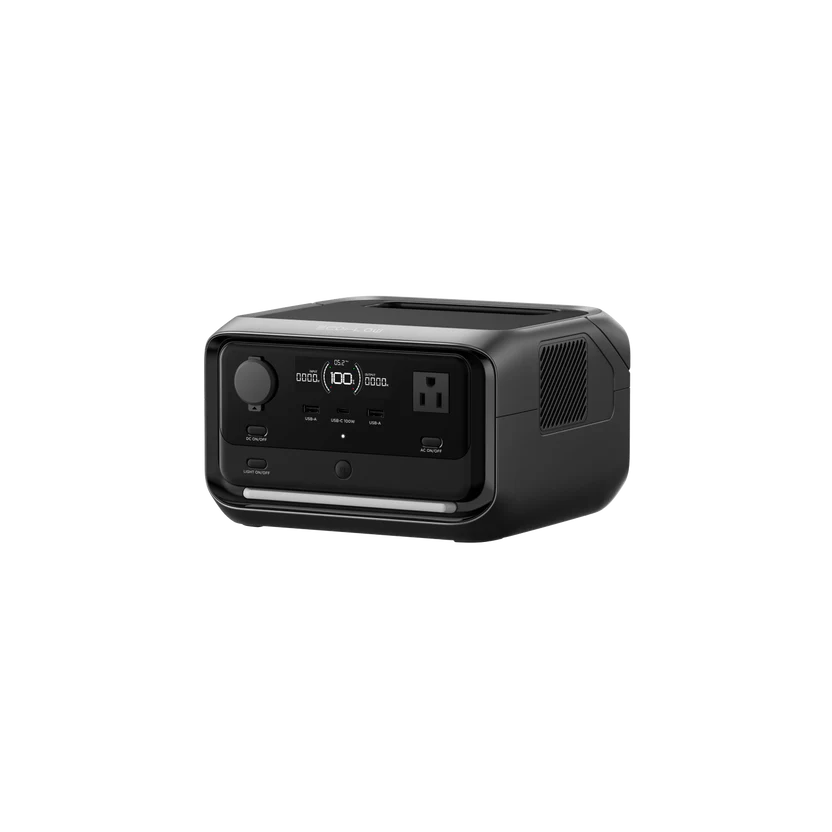
For complete protection against coverage drop-offs, consider using a portable power station like the EcoFlow RIVER 3 Plus. You can power your entire work-from-home setup—including your phone, laptop, monitor, and router—with <10 ms switchover, so your devices stay connected even when the power goes out. Even better, you can say goodbye to mid-meeting Zoom crashes.
Cost, Reliability, and Practical Considerations
Pricing & Equipment
Starlink usually has a higher upfront cost; you pay for the Starlink hardware, and then you pay a monthly subscription fee. It’s more pricey compared to traditional internet costs, with equipment costs starting at around $300, and monthly subscriptions starting from $80 per month. With 5G, equipment is usually included, and plans can range from as little as $30 all the way up to $80+, depending on your speed requirements.
Weather & Reliability
Starlink, for the most part, isn’t affected too much by poor weather conditions. If the satellite dish is covered in heavy snow or being battered by heavy rain, it can temporarily impact performance. 5G can also be impacted in this way, but usually it’s more affected by the distance it is from cellular towers and congestion, making it somewhat unreliable.
Mobility
Starlink can be used almost anywhere, and it also offers flexible plans, including some that allow you to pause your subscription. This is ideal for remote workers who may only need it for certain times of the year, or those who move around with their work. 5G is usually tied to a location, and you may need a separate data plan if you intend to move.
Choosing the Best Internet for Your Rural Remote Work Setup
Starlink: Best for very remote locations where 5G infrastructure is lacking and wired connections aren’t an option. It’s a great solution for mobile setups, such as RVs, individuals who frequently travel for work, or those with a seasonal work schedule. If you have a clear, unobstructed view for your satellite dish and are not prone to frequent extreme weather, Starlink is a suitable choice.
5G: If you’re located near cellular towers, 5G is a great option. As long as you’re near where strong, consistent coverage exists, there’s no reason why 5G won’t suffice for your remote working setup. It generally has faster speeds than Starlink and lower setup costs; however, it’s important to check your coverage maps to ensure you’re within range for reliable speeds.
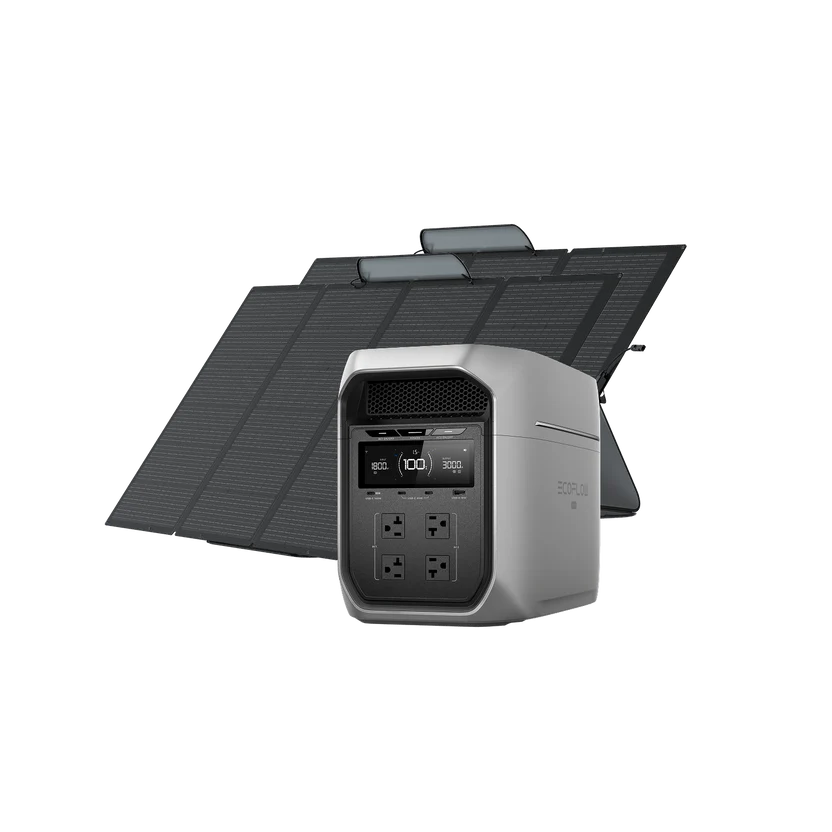
For optimal setup, we recommend backing up your internet connection using a portable power station. The EcoFlow DELTA 3 Max Series Portable Power Station provides consistent power in the event of outages, allowing you to work uninterrupted and avoid dropped calls or missed meetings. Since it’s compact and portable, you can easily take it with you wherever your work life takes you.
Frequently Asked Questions
Is 5G Home Internet Better Than Starlink?
It depends on your situation. If you live in a rural area with limited 5G coverage, Starlink is widely available and can provide a reliable internet connection, even in the most remote areas. If you live near a 5G tower, you may be able to get speeds that rival the likes of wired connections.
Is Starlink Reliable for Remote Work?
Yes, Starlink is generally very reliable for remote work. For day-to-day work procedures like taking Zoom calls and using remote working tools, Starlink will do the job. For ultimate protection against drops in connection, use a backup battery system.
Can Starlink Signal Go Through Walls?
Yes, Starlink signals from the router can go through walls to reach all areas of the house. The dish, however, cannot penetrate walls. It’ll need to be mounted with a clear, unobstructed view of the sky. In some cases, the connection may weaken if the house walls are built from particularly thick concrete.
Stay Powered and Connected with EcoFlow
When choosing between Starlink and 5G home internet for your rural or remote work setup, there are several factors to consider, including setup, costs, speeds, and latency. Which one you choose will depend on your work needs and your location. If you’re near network towers, a 5G setup can provide reliable speeds at a cheaper cost.
Starlink can provide great speeds almost anywhere in the world, provided your satellite has a clear, unobstructed view of the sky. It’s a great option if you can’t get 5G and are in a very secluded location. Pair either of your internet providers with the EcoFlow RIVER 3 Plus Portable Power Station for complete peace of mind, or shop the full range of whole-home backup solutions to find one to suit your lifestyle.
For press requests or interview opportunities, reach out to our media team
media.na@ecoflow.com