How Many Watts Does a Camera Use?
If you’re conscious about your energy consumption, you may wonder how much 24/7 CCTV affects your electricity usage.
In most cases, security cameras use relatively little power, but understanding their energy needs can help you plan for long-term use and backup during outages.
This article examines the energy demands of security cameras, how to calculate wattage requirements, and the best way to power a camera system during an outage.
What Camera Wattage Really Means
Power is how fast electricity flows and is measured in watts. Wattage (W) describes the amount of electricity a device needs to function properly. Wattage is comprised of a combination of voltage (volts) and current (amperes or amps).
Understanding wattage is an important element of managing how much energy you use and how to protect and deliver power sources during outages or in off-grid locations.
Camera wattage means the amount of power a camera consumes to work. Actual wattage will depend on the type and size of the camera and how it is used. Most security cameras have relatively low requirements.
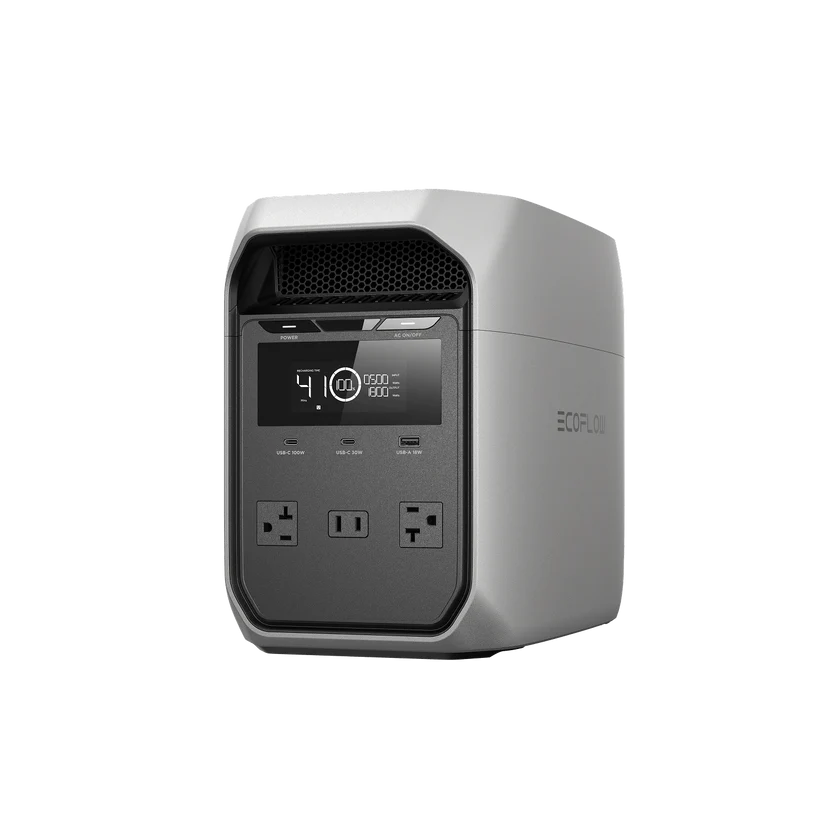
Understanding these power requirements also makes it easier to choose an appropriate backup solution, such as a portable power station, which can support multiple low-watt devices like security cameras during outages.
What Makes Camera Power Use Go Up or Down
Device power fluctuates depending on a camera’s features.
Night vision, motion sensors, and high-resolution cameras use more power.
Security cameras with onboard AI and processing abilities to detect threats will have a higher requirement than a more basic model.
Cameras that are only activated by motion will use much less power compared to those that continuously record, such as wildlife devices, especially if they work wirelessly.
DVR (Digital Video Recording) CCTV systems convert footage into digital format in the camera and can use 40-60 watts on average.
The type of supply also impacts wattage. PoE (Power over Ethernet) cameras take power directly from the Ethernet cable and require less consumption wattage, averaging 12W for most models.
How to Calculate the Total Power for Your Camera Setup
Always start by checking the user manual for the device, as it might tell you and save you a calculation.
Failing that, you’ll need to calculate the wattage using amps and volts to come up with a reliable answer.
The formula is simple:
Watts (or power) = Volts x Amps
Remember, this sum is per camera.
Once you’ve calculated the wattage, you’ll need to multiply by the number of cameras in your system to calculate the energy requirement of the entire system.
It’s also possible to work out a daily usage if your system monitors continuously. The formula is:
Total camera system wattage x operation hours per day / 1,000 = Total Energy Consumption (kWh).
A daily rate allows you to then work out monthly and annual usage.
Choosing a Reliable Way to Power Cameras Anywhere
Being able to power cameras reliably in any location is important for maintaining security at home or a place of business, particularly during an outage.
Government data demonstrates a significant crime reduction in residential areas with the use of CCTV surveillance cameras.
PoE security cameras use a single cable for both power and data, creating a stable and efficient connection that reduces the need for additional wiring.
USB power banks can support devices such as action cameras or individual wireless cameras, but larger systems typically require a higher-capacity solution.
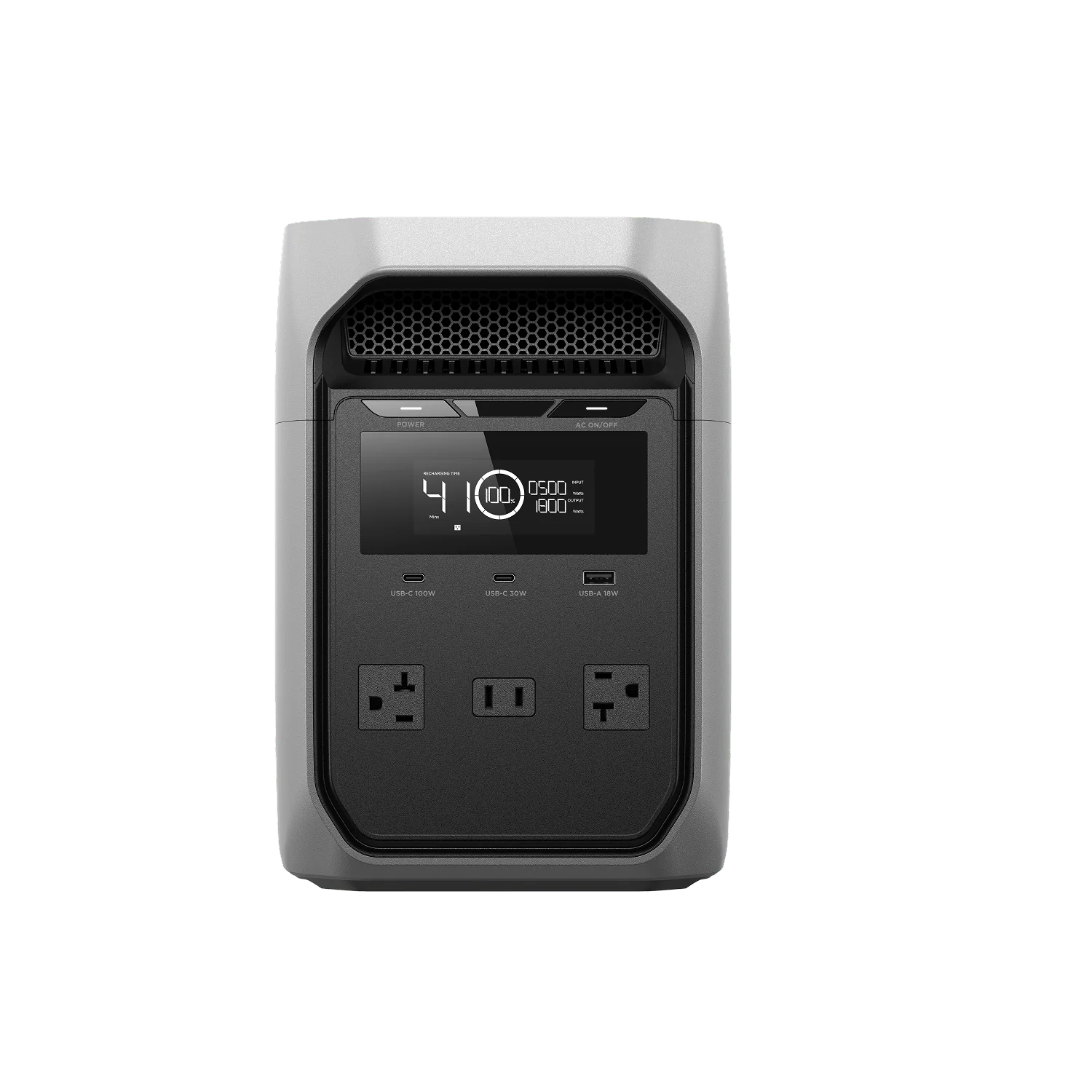
For extended backup or multi-device systems, higher-capacity options like the EcoFlow DELTA 3 Classic can provide longer runtime for multiple cameras and supporting equipment.
For large-scale outages, whole-home backup systems can provide continuous power to security systems and other critical devices. They’re also more economical and reliable, and can provide power for several days in extreme weather outages.
Frequently Asked Questions
How Many Watts Does a Security Camera Use Per Hour?
The wattage of security cameras ultimately depends on their features and how you use them. A basic analog CCTV camera typically consumes 2-5 watts hourly. Compare this with an IP (Internet Protocol) camera, which is a surveillance device receiving footage over a network for remote monitoring. These use 5-12 watts per hour on average.
Do Security Cameras Use a Lot of Electricity If They Run 24 7?
Security cameras will use more energy if they run continuously, but their actual energy requirement relates more to the type of camera and its features. A basic wired device uses 4-8 watts on average when recording full-time. Compare this with a more sophisticated model, which can use up to 15 watts during the same run period.
How Much Power Does an NVR or DVR Add to a Camera System?
A Network Video Recorder (NVR) or DVR (Digital Video Recorder) uses anywhere from 10 to 60 watts depending on the design and features. It’s important to understand the total power needed for a security system to ensure an efficient and reliable energy supply.
Can I Run a Camera System During a Power Outage?
Uninterrupted supply is an important component of effective home security. Portable power stations and backup systems can support security cameras during outages, with the required capacity depending on the size of your system and how long you need it to run.
Power Your Cameras with More Uptime and Less Guesswork
Understanding the energy requirements of your cameras will help you provide a consistent and reliable supply, so they work when you need them to.
For reliable backup power, systems like the EcoFlow DELTA 3 Classic can support security cameras alongside other essential devices during outages, offering extended runtime for home monitoring setups.
For press requests or interview opportunities, reach out to our media team
media.na@ecoflow.com