Top Energy Saving Appliances for Every Home in 2026: Cut Electricity Bills and Build a Smarter Home
- Why Energy Saving Appliances Matter More in 2026 (Rising Electricity Costs & Efficiency Trends)
- How Energy Efficient Appliances Reduce Power Consumption and Monthly Bills
- Top 7 Energy Saving Appliances for 2026 (Most Recommended Picks in the U.S.)
- Limits of Energy Efficient Appliances in Today’s Homes
- How to Choose the Best Energy Saving Appliances for Your Home (Buying Guide + Future Trends)
- Conclusion
- FAQ
Upgrading to energy-saving appliances is the single most effective way to slash your monthly utility bills and reduce the impact of 2026’s rising electricity costs. In this guide, we’ll break down the top-rated high-efficiency appliances from AI-driven refrigerators to heat pump dryers. Then this guide will show you how integrating smart storage solutions can turn your home into a truly energy-independent powerhouse.
Why Energy Saving Appliances Matter More in 2026 (Rising Electricity Costs & Efficiency Trends)
Many people are surprised by how much their electricity bills have gone up recently. Most electric utilities are facing major market issues, especially fuel costs, and these are pushing rates up.
Increasing Utility Bills in American Households
Across the country, residential electricity prices have continued to climb. Integrating a solar generator into your home setup is becoming a popular way to offset these rising costs by tapping into free renewable energy. This is due to many factors including upgrades to the aging infrastructure, the increased demand for electric vehicles (EVs) and power for new data centers. All together, most homes are paying much more than 5 years ago.
Energy Efficiency Standards and Environmental Pressure
Federal regulations are also driving higher efficiency standards. Newer, stricter federal efficiency standards show that the “standard” appliances of yesterday are well below today’s efficiency standards. When you choose high-efficiency appliances, it isn’t just about being eco-conscious, you can stay ahead of regulations and start saving money.
Long-Term Savings vs. Upfront Investment
The prices on premium energy-saving appliances are high, but when looking at the whole picture they’re more reasonable. You need to consider all the factors such as local utility rebates and the big savings on monthly operating costs. Considering these, the appliances usually pay for themselves faster than most homeowners realize.
Annual Energy Cost Comparison: 2016 vs. 2026 Models
| Appliance Type | Est. Annual Energy Cost (2016 Legacy Model) | Est. Annual Energy Cost (2026 High-Efficiency) | Estimated ROI (Payback Period) |
|---|---|---|---|
| Central HVAC (Heat Pump) | $1,200 | $650 | 4 - 6 Years |
| Heat Pump Clothes Dryer | $150 | $40 | 3 - 5 Years |
| AI Smart Refrigerator | $120 | $75 | 5 - 7 Years |
| Smart Dishwasher | $85 | $35 | 3 - 4 Years |
How Energy Efficient Appliances Reduce Power Consumption and Monthly Bills
Understanding how these machines are built and operate is the first step towards making a smart purchase. It’s not just magic; it’s better engineering.
Energy Star Ratings and Efficiency Benchmarks
The blue “Energy Star” label has been the best way to identify energy efficiency products. But now in 2026, we’re looking for the “Most Efficient” designation. These top-tier ratings ensure that the appliance uses the absolute minimum amount of power required.
Smart Sensors, Inverter Technology, And Automation
Modern appliances are smarter than ever, often featuring sleek interfaces that can be powered by solar panels during off-grid maintenance or testing. Instead of running at full blast, “inverter technology” allows motors to vary their speed, using only the power needed. Smart sensors can now detect how dirty your dishes are or how much moisture is left in your clothes. These features can automatically shorten cycle times to save energy.
Hidden Energy Waste from Standby Power
Many older appliances still consume electricity even when they are “off.” Now, the 2026 models are designed with ultra-low standby modes. These virtually eliminate that phantom power draw that unknowingly adds to your bill.
Upgrading to efficient appliances is a great start towards managing your electric power needs. American homeowners realize that efficiency alone won’t keep the AC running during a power outage. In regions prone to outages due wildfires, sudden rain freezes, or hurricanes, there’s a growing demand for “backup power + energy independence.” A lot of homeowners are realizing that lower power usage alone doesn’t solve all the problems, especially during outages or summer peak pricing hours.
.webp)
.webp)
Top 7 Energy Saving Appliances for 2026 (Most Recommended Picks in the U.S.)
Let’s look at the heavy hitters that will make the biggest savings in your utility bill this year. These are machines that go beyond simple cycle timers. These appliances use automation and adaptive controls to improve efficiency from the start of each cycle.
1. Best Energy Efficient Refrigerator: The AI Cooling Hub
The refrigerator is the only appliance that runs continuously, making it one of your biggest opportunities for savings. The latest 2026 French-door models have moved beyond basic foam insulation by integrating advanced Vacuum Insulation Panels (VIPs) into key areas. By combining VIP technology with high-efficiency thin-wall insulation, these units retain cold air more effectively. They also offer more internal storage space without increasing their footprint. More importantly, AI-driven compressors now learn your family’s “door-opening” habits. The system pre-cool the interior before the heavy-use dinner hour, and shift into deep-sleep mode overnight to shave 15-20% off its annual kWh consumption.
2. Best Smart Dishwasher: Precision Spray & Enzyme Tech
You can skip the pre-rinse on the 2026 dishwashers. These are designed to handle dried-on mess with less than 3 gallons of water. These dishwashers have soil-sensing cameras and enzyme-optimized heating. They only heat the water to the exact temperature needed to activate your detergent. For a standard American family running one load a day, this translates to hundreds of gallons of water saved annually.
3. Best Front-Load Washing Machine: The Cold-Water Specialist
Heating water accounts for 90% of a washing machine’s energy use. The top picks for 2026 feature specialized drum patterns and “Oxi-boost” cycles that achieve a deep clean using cold water. These combine to effectively remove the need for the energy-intensive hot water cycle. Plus, their high-speed spin cycles extract more water, which means your dryer won’t have to work as hard.
4. Best Heat Pump Dryer: The Game Changer for U.S. Laundry Rooms
If you’re still using a traditional vented dryer, you’re literally blowing expensive heated air out a hole in your wall. Heat pump dryers are the biggest efficiency leap this decade. They recycle the hot air within a closed-loop system. While they take slightly longer to dry a load, they use roughly 50% less energy. Plus, they are much gentler on your clothes, which extends their life.
5. Best Smart Thermostat: Grid-Aware Climate Control
The latest thermostats in 2026 don’t just “learn” that you like it 72°F at 6 PM. They now integrate with your local utility’s “Demand Response” programs. If the grid is under strain or prices are peaking, your thermostat can automatically pre-cool your home by 2 degrees an hour early when rates are low, then coast through the expensive peak window without you ever feeling the difference.
6. Best Energy Efficient HVAC System (Heat Pump)
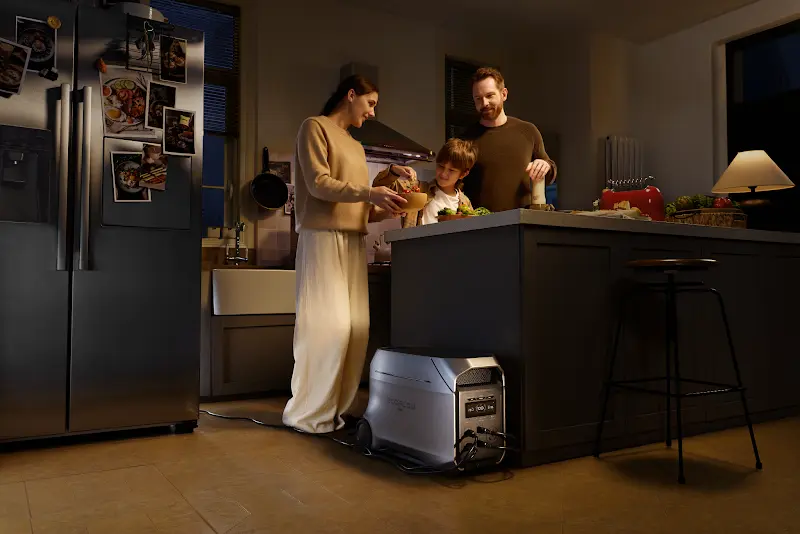
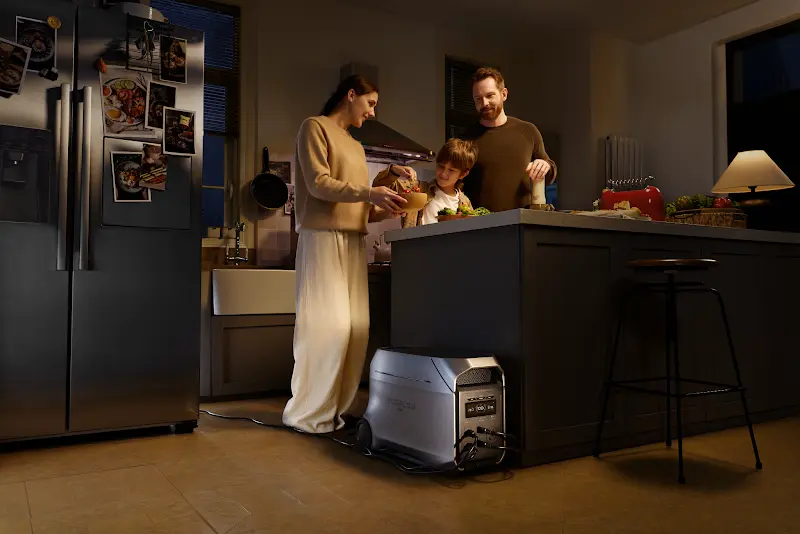
More homeowners are combining high-efficiency HVAC systems with home battery backups, especially in states where outages and peak electricity pricing are more common. Back up systems like the EcoFlow DELTA Pro Ultra X Whole-Home Backup Power are being used in these high-consumption systems. The DELTA Pro Ultra X is designed for larger homes and acts as the primary power backup, automatically taking over your HVAC, fridge, and router during a blackout. In scenarios like a Texas blizzard or a California grid strain, this system creates an energy closed-loop. It stores power during the day to run your home at night. It’s the ultimate upgrade from simply “saving power” to achieving “energy autonomy.”
7. Best Smart Home Energy Monitoring System
To truly master your power, you need a “mission control” unit in your home. These systems clamp onto your electrical panel and use machine learning to identify the “fingerprint” of every appliance. You’ll get an alert if your garage fridge is failing and sucking excess power, or a reminder that your dryer is running during a peak-rate window.
Limits of Energy Efficient Appliances in Today’s Homes
While swapping out an old dryer for a 2026 high-efficiency model feels great, it’s important to manage expectations. In many American households, appliances are just one piece of a much larger energy puzzle.
The “Drafty House” Dilemma: You can buy the most advanced Heat Pump HVAC system, but much of the efficiency benefit can be lost through poor insulation and air leakage. Efficiency works best when your home is fully sealed.
The Rebound Effect: It’s a classic habit—If you buy a high-efficiency washing machine you might start doing more small loads because you think “it’s cheap to run.” But, you’re losing most of the benefit. If your usage habits increase, you won’t allow the technology to live up to its potential, and your total bill might not budge.
Grid Dependency: Even the most efficient fridge still needs to pull power 24/7. In states with high peak rates, an energy-saving appliance reduces the amount of power used, but you may still get charged peak rates for the power you use. If you utilize a battery storage system you can trade low rate energy for energy used during peak times.
How to Choose the Best Energy Saving Appliances for Your Home (Buying Guide + Future Trends)
Before you start shopping and buying appliances, keep the following factors in mind for the best ROI.
Matching Appliances to Household Energy Usage
Don’t buy a bigger machine than you need. An extra large high-efficiency washer used for small loads is still less efficient than a smaller unit used for smaller loads. Understanding what appliances use the most electricity can help you prioritize which old units to replace first for the maximum impact on your bill.
Upfront Cost vs. Long-Term Roi Analysis
In 2026, the trend is moving toward “Energy System Integration.” These are practices of integrating your solar panels, your battery, and your appliances together in one system to minimize grid reliance. Pursuing a strategy of energy optimization across all your devices ensures that every watt is used as efficiently as possible.
Integration of Solar and Energy Storage Trends in 2026
The trend towards combining solar with battery storage has made the EcoFlow DELTA 3 Ultra Plus + 500W Solar Panel a go-to for middle-class families and RV enthusiasts. With this system, you capture the sun’s energy during the day to power laundry or kitchen appliances at night. This way, you can effectively bypass peak-hour electricity rates. For most U.S. homes or those on the road, this system is flexible and maximizes efficiency.
Conclusion
Saving energy and lowering utility costs are as important as always. But in 2026, more families are looking to do more to manage their power. They want a home where their power is more reliable, and less dependent on an increasingly expensive grid. Investing in high-efficiency appliances is a critical first step toward reducing monthly overhead. But true cost-efficiency is achieved by integrating these devices with smart power storage solutions like the DELTA series. First, invest in high ROI appliances, like refrigerators and HVAC, then combine them with independent energy storage. This way homeowners gain operational reliability while significantly decreasing their reliance on a volatile utility grid.
FAQ
What Is the Most Energy-Efficient Appliance to Upgrade First?
The HVAC system or the water heater should be your first priority. These two systems typically account for 50%-60% of a home’s total energy consumption. While a smart fridge is great, replacing an old central AC with a modern heat pump provides the fastest and most significant reduction in your monthly kilowatt-hour usage.
Do Energy-Efficient Appliances Really Lower Electricity Bills?
Modern Energy Star-certified appliances can reduce your appliance-related energy costs by 10% to 50% depending on the age of your previous unit. For example, moving from a 10-year-old dryer to a 2026 heat pump dryer model can noticeably reduce annual household electricity consumption.
Are Smart Appliances Worth It in 2026?
Smart appliances are definitely worth getting. They can now sync with “Time-of-Use” (TOU) utility plans to run automatically when electricity prices are at their lowest. Beyond simple remote control, these “grid-aware” devices can delay a dishwasher cycle by two hours to avoid expensive peak-pricing windows. This can save you money without impacting your daily routine.
How Long Does It Take to Recover the Cost of Energy-Saving Appliances?
Most homeowners see a full return on their investment through both energy savings and local tax rebates within 3 to 7 years. Some paybacks are even shorter if you include possible federal incentives (like those from the Inflation Reduction Act) and the increased resale value of a “green” home.
Which Appliances Consume the Most Electricity at Home?
The three biggest users of electricity are typically your HVAC system, water heater, and refrigerator, followed closely by clothes dryers used during peak hours. In a typical American household, climate control is the biggest consumer. The most effective way to manage high-cost energy spikes is to combine an efficient HVAC system with a backup storage system like the DELTA series.
For press requests or interview opportunities, reach out to our media team
media.na@ecoflow.com