Citizen Science: Using Your Phone to Track Biodiversity
- What Is Citizen Science, and How Does It Work?
- How Can Your Phone Be Used to Track Biodiversity?
- Why Is Biodiversity Tracking Important?
- What Apps and Tools Are Commonly Used for Biodiversity Tracking?
- How Can You Get Started with Citizen Science?
- Frequently Asked Questions
- Citizen Science Makes Environmental Monitoring Accessible to Everyone
Biodiversity is all around us, from the birds outside our windows and the insects in our gardens to the plants growing in city parks and the wildlife that passes through even the most urban environments. Yet despite its constant presence, much of this natural activity goes unnoticed and unrecorded in meaningful scientific ways.
Today, that gap is beginning to close thanks to citizen science and the power of modern smartphones.
With built-in cameras, GPS, and easy-to-use apps, nearly anyone can become a contributor to real scientific research.
What Is Citizen Science, and How Does It Work?
Citizen science is a collaborative approach to research that involves members of the public in collecting and sharing data for scientific studies.
Instead of relying solely on trained researchers, citizen science projects invite everyday people to contribute observations, thus helping to expand the scale and reach of scientific work.
In practice, it’s often as simple as using a smartphone app to record what you see in nature.
You might take a photo of a plant, bird, or insect, note its location using GPS, and submit it to a shared database. These submissions are then reviewed by scientists or verified through community feedback systems, depending on the platform.
Thousands or even millions of these small contributions build a large dataset that researchers can analyze. This helps them track changes in biodiversity, monitor endangered species, detect invasive species, and understand how ecosystems respond to environmental pressures like climate change and urban development.
How Can Your Phone Be Used to Track Biodiversity?
Your smartphone is one of the most accessible tools for participating in biodiversity tracking. With a camera, GPS, and access to citizen science apps, it can quickly turn everyday observations into valuable scientific data.
When you spot a plant, bird, insect, or other form of wildlife, you can take a photo, add a location tag, and submit your observation to a global database used by researchers and conservationists.
Many apps also include identification features that help you recognize species in real time using image recognition or community input. This makes it easier for beginners to participate, even without advanced knowledge of biology or ecology.
Beyond simply recording what you see, your phone also helps track patterns across time and space.
Regular submissions from your neighborhood, local parks, or even roadside areas can reveal how biodiversity changes throughout the year or in response to human activity. This becomes especially powerful when combined with small environmental efforts like rewilding your yard, where even minor habitat improvements can lead to noticeable increases in local wildlife activity that you can document and share.
Why Is Biodiversity Tracking Important?
Biodiversity tracking helps scientists understand the health of ecosystems and detect changes caused by climate change, habitat loss, pollution, and invasive species. Without consistent monitoring, many declines in wildlife can go unnoticed until they become serious or irreversible.
By collecting data over time, researchers can spot trends, protect vulnerable species, and make more informed conservation decisions. Citizen science also plays a key role by filling in data gaps from areas that are hard to study.
Environmental sustainability is everybody’s responsibility, which is why all of us should do our part.
What Apps and Tools Are Commonly Used for Biodiversity Tracking?
Biodiversity tracking relies on a combination of mobile apps, mapping software, and data platforms to help researchers record and analyze species in different environments.
Popular tools include:
iNaturalist, which allows users to identify plants and animals through photos
eBird, which is widely used for monitoring bird populations and migration patterns
For spatial analysis, tools like ArcGIS help scientists map habitats and track environmental changes over time.
In addition to software, field equipment plays an important role in data collection. GPS devices, camera traps, and environmental sensors are commonly used to gather real-time information in remote areas.
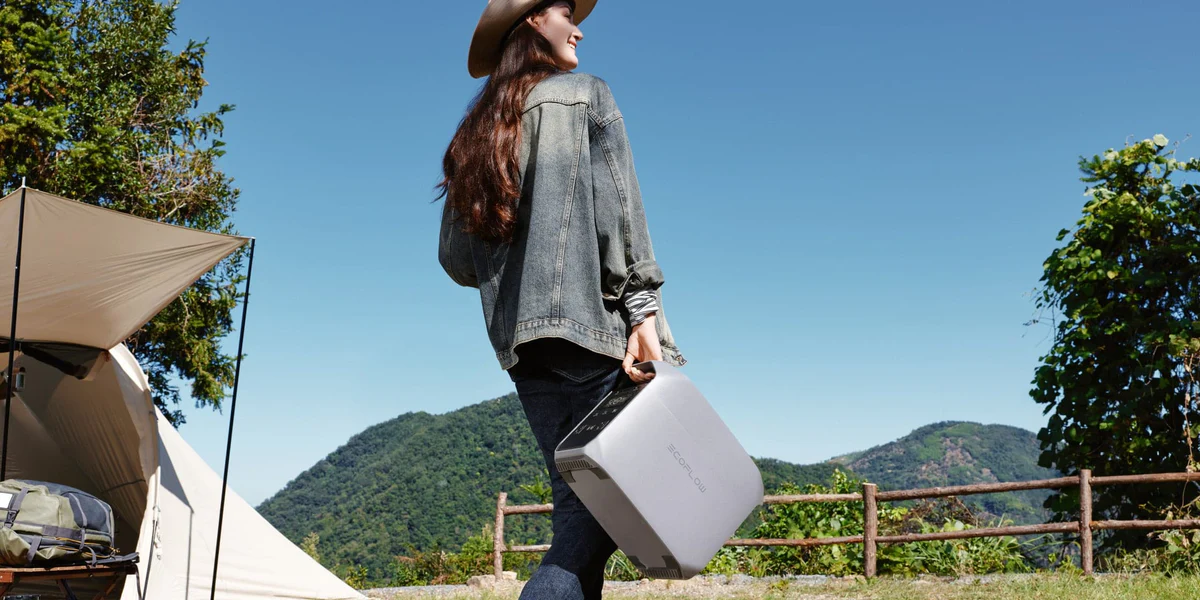
Reliable power is also essential during fieldwork, especially in off-grid locations. Portable power systems such as the EcoFlow DELTA 2 Max are often used to charge laptops, cameras, and monitoring devices in the field. For extended fieldwork, solar-compatible setups such as the EcoFlow DELTA 3 Plus + 220W Solar Panel help maintain power throughout multi-day use.
For larger-scale or fixed monitoring setups, solutions like whole-home battery generators can provide continuous, reliable energy to support long-term data collection and research infrastructure.
How Can You Get Started with Citizen Science?
Getting involved in citizen science is easy and only requires a few simple steps to begin contributing to real scientific research.
Choose a project: Start with platforms like iNaturalist or eBird to find local or global projects that interest you.
Download an app: Install a citizen science app to record observations directly from your phone.
Make observations: Take photos, notes, or recordings of plants, animals, or environmental conditions around you.
Submit your data: Upload your findings to help researchers analyze biodiversity patterns.
Stay consistent: Keep contributing over time to improve the quality and value of your data.
Frequently Asked Questions
What Is Biodiversity Tracking?
Biodiversity tracking is the process of observing, recording, and analyzing different species of plants, animals, and ecosystems over time. It helps scientists understand how environments are changing, monitor endangered species, and measure the health of ecosystems.
How Accurate Is Citizen Science Data?
Citizen science data can be highly accurate, especially when large numbers of observations are collected and verified by experts or communities. Platforms like iNaturalist and eBird use validation systems to improve reliability, which makes the data useful for real scientific research when properly reviewed.
Do You Need Special Equipment to Participate?
No special equipment is required to get started. Most people only need a smartphone to take photos and record observations using apps like iNaturalist. However, more advanced participants may use tools like GPS devices, binoculars, or environmental sensors for more detailed data collection.
Citizen Science Makes Environmental Monitoring Accessible to Everyone
Citizen science allows anyone to contribute to environmental research by collecting and sharing observations of wildlife, plants, and ecosystems using simple tools like smartphones and free apps. As a result, communities around the world can help scientists track environmental changes, protect endangered species, and improve conservation efforts.
Reliable power can be especially important for those doing extended outdoor monitoring or supporting remote data collection setups.
If you’re planning longer outdoor sessions or remote monitoring, explore EcoFlow portable power solutions designed to keep your devices and field equipment running wherever your research takes you.
For press requests or interview opportunities, reach out to our media team
media.na@ecoflow.com