Canon Camera Charging Guide: Batteries, Chargers, and Tips
- What Types of Canon Camera Batteries Are There?
- How Do You Charge Canon Camera Batteries?
- What Chargers Can You Use with Canon Cameras?
- How Long Does It Take to Charge a Canon Battery?
- What Are Common Canon Charging Issues and Fixes?
- Frequently Asked Questions
- Charge Smarter, Shoot Longer, Stay Ready
Keeping your Canon camera charged is essential whether you’re shooting at home, work, or on the road. Different cameras use different battery models and charging methods, from traditional wall chargers to in-camera USB-C PD charging.
This guide explains Canon battery types, how to charge, charging options, how long it takes, and some common issues and fixes to keep you charged up and ready for your next great shot.
What Types of Canon Camera Batteries Are There?
The most common battery models used in Canon cameras are lithium-ion batteries, like the LP models. The LP-E6 series is the most common for mid-to-high-end DSLRs and mirrorless cameras, including the LP-E6, LP-E6N, LP-E6NH, and LP-E6P.
Some other LP models include the LP-E17 used in consumer and mid-range compact mirrorless models, the LP-E12 used in entry-level mirrorless cameras, the LP-E10 in budget-friendly models, and the LP-E19 in professional cameras.
The other batteries you might see are compact lithium-ion models designed for the PowerShot cameras. These start with “NB” and include the NB-13L, NB-11LH, and NB-10L.
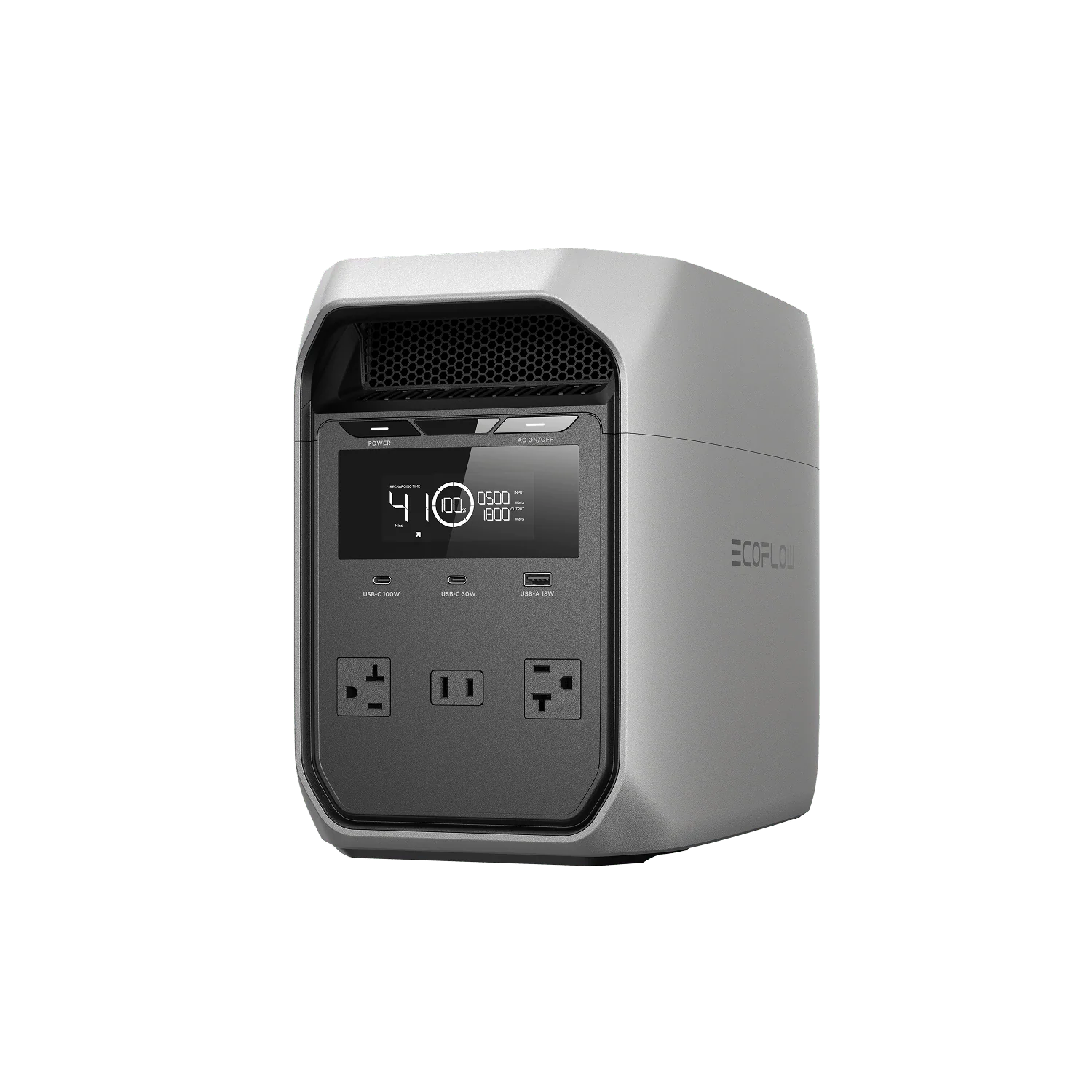
If your power goes out or you're on the road doing a shoot, a portable power station like the EcoFlow DELTA 3 Classic with 1024Wh of capacity will recharge your battery several dozen times. You can also use it for running essential appliances at home during outages or for powering trips off the grid.
How Do You Charge Canon Camera Batteries?
Turn the camera off.
Open the battery compartment and remove the battery.
Insert the battery into the Canon charger that came with your camera, being sure to properly align the marks and contacts.
Plug the charger into a standard AC wall plug.
The indicator light will typically turn from orange to green when fully charged.
Unplug the charger from the wall.
Reinstall the battery in your camera and close the battery door.
What Chargers Can You Use with Canon Cameras?
Here are a few different methods you can use to get your camera back in action.
Use the official charger that came with the camera, plugged into an AC wall plug.
Using a portable power station for charging is a great alternative when traveling or at work or home during an outage. You can use a small portable one for travel or a large whole home generator that runs your entire home.
Charging from a car outlet with a 12V car inverter with sufficient output to run the official charger, generally 30 to 60W. Alternatively, a car-specific battery charger can be used if the voltage and polarity exactly match the battery.
Newer cameras that support USB-C PD can charge directly via USB from the camera.
A dedicated portable power source like the EcoFlow DC Trail Series and a USB charger are ideal for nature and travel photographers. It’s DC-only, so it weighs less because it doesn’t need an inverter, and it’s more efficient than using AC charging.
A high-powered power bank can also be used for a charge or two on the go. These use a USB-C cord and are small enough to fit in your pocket, making them perfect for day or overnight trips.
How Long Does It Take to Charge a Canon Battery?
It takes approximately 2 to 2 ½ hours to completely recharge a dead battery at normal room temperature (~73°F or 23°C), depending on the battery and the charging method. However, Canon reports that for safety reasons, charging in cold temperatures of 41–50°F (5–10°C) will take longer, up to about 4 hours.
What Are Common Canon Charging Issues and Fixes?
If the charger light doesn’t turn on, plug the charger into another outlet to see if it’s your power source. If not, check the battery terminals and charger contacts for dirt and corrosion, then ensure it’s fully seated in its charger. Finally, try a different battery.
If the charger light blinks continuously, it may indicate an error or a damaged battery. Consult your user manual.
If the battery drains rapidly, check power-hungry features like Wi-Fi and image stabilization that may be draining it, and remove the battery between uses to avoid phantom drain. Otherwise, it may be damaged or nearing the end of its lifespan.
Charging while hiking, camping, or other outdoor adventures can be challenging without power. However, you can create a photography energy backpack for extended trips with a small portable power station and portable solar panels.
Another often overlooked charging issue is lack of power during an outage. Fortunately, whole home backup power solutions can not only keep your camera charged but also keep your entire home running.

Frequently Asked Questions
Can You Charge a Canon Camera via USB?
Yes, if your Canon camera is a newer model that supports USB-C PD in-camera charging, you can use a USB charging cord to charge with an adapter and wall plug, or using a computer, power bank, power station, or other method.
What Is The Best Way To Charge A Canon Battery?
The best way to charge your Canon battery is using the official charger that came with your camera and plugging it into a wall outlet, power bank, or portable power station. If yours supports in-camera charging with a USB-C PD cable, that works well too.
How Long Do LP‑E6NH Batteries Typically Last Per Charge?
On a single charge, you generally get 450–750+ shots. But how long your LP-E6NH battery lasts in real-world conditions depends on if you use the viewfinder or LCD screen, your shooting speed, and the age of the battery.
Charge Smarter, Shoot Longer, Stay Ready
Keeping your Canon batteries charged starts with using the right charger for your battery. The official Canon chargers are the safest option for everyday charging, but USB-PD in-camera charging, power banks, and portable power stations offer flexibility for power outages, travel, and outdoor photography.
If you regularly shoot off-grid or live in an area prone to power outages, portable power stations like the EcoFlow DELTA 3 Classic can help you keep your camera powered up and ready whenever inspiration strikes.
For press requests or interview opportunities, reach out to our media team
media.na@ecoflow.com