PSPS Meaning: What Public Safety Power Shutoffs Are and How to Prepare
A phone buzzes with a message from the local utility. Power may be shut off tonight because of high winds. For many households in fire-prone regions, this kind of alert has become a normal part of dry season. PSPS stands for Public Safety Power Shutoff, a term that shows up often in wildfire coverage but isn't always explained clearly. This article covers what PSPS means, why utilities use it, how a shutoff event actually unfolds, and what steps help a household get through one. It also covers basic safety habits during and after the outage.
PSPS Meaning: What Is a Public Safety Power Shutoff?
A PSPS is a planned outage that a utility company uses to lower wildfire risk. Rather than waiting for a spark, the utility cuts power to lines in high-risk areas before dangerous weather arrives.
The goal is straightforward: keep energized lines from igniting dry vegetation during conditions where a fire could spread fast. This approach has become one part of a broader set of guidelines the California Public Utilities Commission has developed to govern how and when utilities can de-energize their systems.
Why Utilities Shut Off Power
Several conditions, often occurring together, push a utility toward a shutoff decision:
Strong, sustained winds combined with dry gusts
Very low humidity levels
Dry vegetation that can ignite easily
Active red flag warnings from the National Weather Service
On-the-ground observations of fire risk near power infrastructure
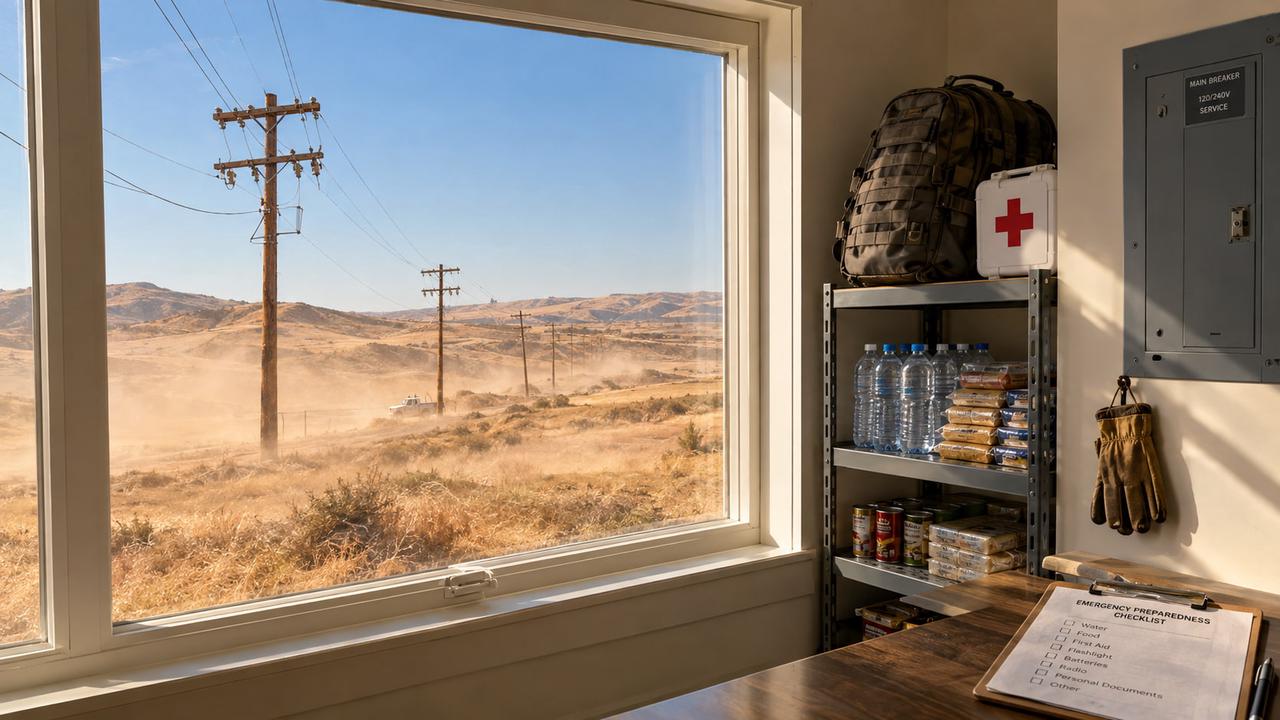
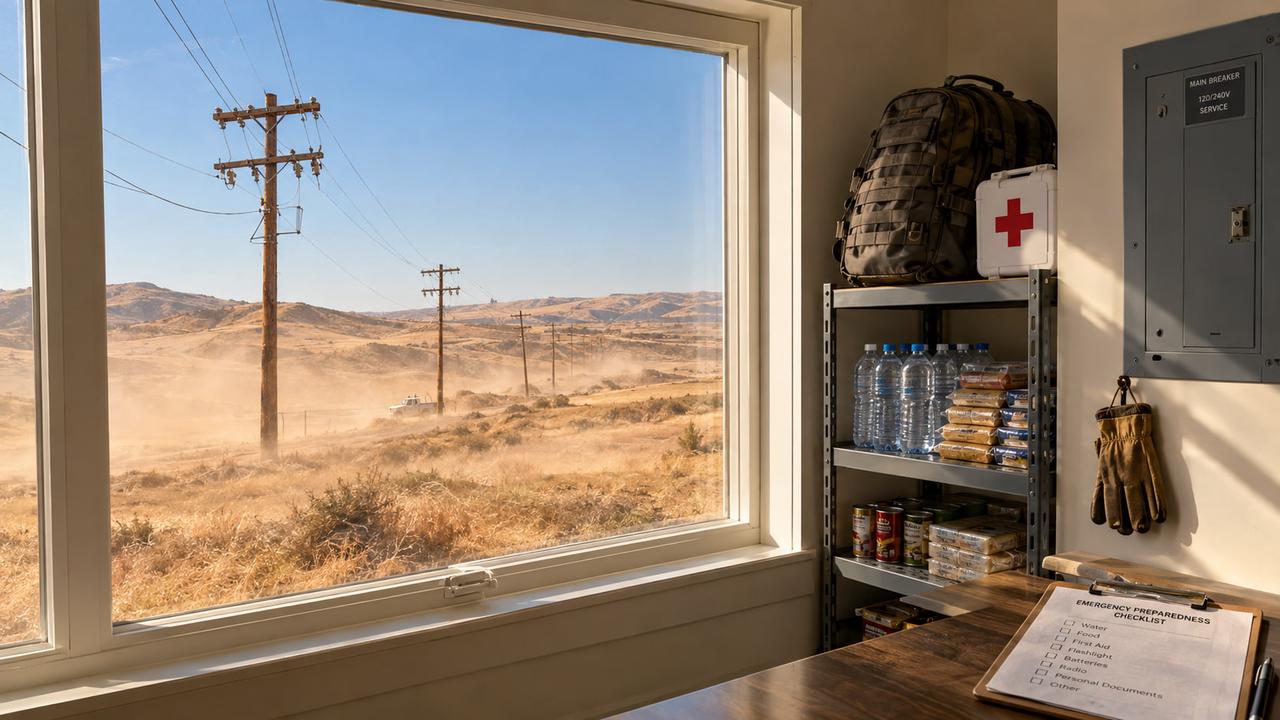
None of these triggers work in isolation. Utilities weigh the odds of a fire starting against the disruption an outage causes, then make a judgment call for each affected circuit. It's a tradeoff, not an exact science, which is part of what causes wildfires to spread so quickly once conditions align.
How a PSPS Event Works
Every PSPS event tends to follow a similar sequence, even though the length and severity vary. Utilities try to give advance notice when weather forecasts allow it, though fast-moving storms can shorten that window considerably.
Stage | What Happens |
Watch and notice | The utility sends alerts by text, call, or email, often with a few days' lead time when conditions permit |
Shutoff | Power turns off in the circuits identified as high risk |
Inspection | Crews patrol de-energized lines for damage once the weather clears |
Restoration | Power comes back on, sometimes after a day or longer depending on inspection results |
Who Experiences PSPS Outages?
California's three largest investor-owned utilities, PG&E, Southern California Edison, and San Diego Gas & Electric, use PSPS most frequently, since much of their service territory overlaps with high fire-threat zones. The practice isn't limited to California. Utilities in other western states have used similar measures, including Xcel Energy in Colorado during periods of extreme fire weather.
A few programs are worth knowing about ahead of time:
Medical baseline or medical certificate programs, which flag accounts that rely on powered medical equipment for priority notice
Community resource centers, which utilities open during extended outages to offer charging stations, water, and basic supplies
These programs matter most in regions that see repeated outages tied to wildfire risk, where the same neighborhoods may lose power more than once in a season.
How to Prepare for a PSPS Outage
A PSPS outage can last anywhere from several hours to multiple days, so a basic plan matters more than last-minute scrambling once an alert arrives. A few habits go a long way:
Keep contact information current with the utility so alerts reach the right number or inbox.
Sign up for text, call, or email notifications directly through the utility's website.
Charge phones, laptops, and power banks whenever a watch notice comes in.
Plan ahead for any medical devices that depend on continuous power.
Keep cash, bottled water, and shelf-stable food on hand, since ATMs and some payment systems may be affected too.


Backup Power for PSPS Events
For a whole-home outage that stretches past a day, a battery backup system that switches on automatically can keep essential circuits running without anyone flipping a breaker in the dark.
A whole-home system like this covers every circuit in the house, which fits homeowners who want the fridge, HVAC, and medical equipment all running without interruption. Renters, or households that only need to keep a fridge, a CPAP machine, and a few devices going, may find a smaller, portable option a better fit for the space and budget.
Staying Safe During and After a PSPS Event
Shutoffs usually happen during the same dangerous fire weather that puts homes at risk in the first place, so it helps to stay alert to wildfire conditions for the full duration of the outage, not just the power itself. Basic wildfire safety guidance from Ready.gov covers steps that apply well beyond a PSPS event:


Heed Evacuation Alerts Immediately
Evacuate as soon as local authorities instruct you to do so. Review Ready.gov's evacuation guidelines ahead of time.
If trapped inside, call 9-1-1 and turn on the lights so emergency responders can find you.
Protect Indoor Air Quality
Designate a clean room and set up a portable air cleaner to filter out wildfire smoke. The EPA provides instructions on building a safe clean room.
Set your central air system to “recirculate” so outdoor smoke is not pulled inside.
Wait for Official Clearance
Do not return home or to your neighborhood until authorities announce it is safe.
Avoid hot ash, charred trees, and smoldering debris, which can hide dangerous heat pockets.
Prioritize Safety During Cleanup
Wear protective clothing like long sleeves, work gloves, and thick-soled shoes while cleaning. The CDC recommends using a NIOSH-approved N95 respirator.
Wet down debris to avoid breathing in harmful dust and ash.
Keep Phone Lines Open
Use text messages or social media to check in with family and friends after an emergency.
Save voice calls for life-threatening emergencies so you do not overwhelm busy networks.
Shutting Off Power at Home Safely
There are moments when switching off the main breaker makes sense on its own, separate from the utility's shutoff. Evacuation is one. Preventing a power surge when service returns is another, since a sudden restoration can spike voltage to appliances that were left plugged in.
Once power comes back, bring large appliances back online one at a time rather than all at once. This reduces strain on the circuit and lowers the odds of tripping a breaker right after restoration. For households in fire-prone areas, pairing this habit with broader wildfire season safety planning rounds out a more complete approach heading into fire season.
Conclusion
A PSPS is a planned outage used by utilities to stop wildfires during severe weather. It is not an equipment failure or sudden emergency. The best way to manage these events is to prepare early. Get on your utility's alert list today. Understand how the notification process works and how they turn power back on. Make sure you are ready for outages that might stretch over several days. If you seek backup power, you have excellent options. The EcoFlow DELTA Pro Ultra X is a whole-home solution. The EcoFlow DELTA 3 Max is a portable way to power a single room.
FAQs
What does PSPS mean?
PSPS stands for Public Safety Power Shutoff, a planned outage utilities use to reduce the chance of wildfire ignition during high-risk weather.
Why do utilities shut off power during high winds?
Strong wind combined with dry vegetation raises the odds that a downed or damaged line could spark a fire, so cutting power removes that ignition source until conditions ease.
How long does a PSPS outage last?
Duration varies by event. Some last a few hours, while others stretch several days depending on how long the weather threat persists and how long inspections take once it clears.
How will I know if a PSPS event is coming?
Utilities typically send alerts by text, phone call, or email once conditions raise the likelihood of a shutoff, though the lead time depends on how quickly the weather is moving in.
What is the difference between a PSPS and a regular outage?
A regular outage usually results from equipment failure, an accident, or storm damage. A PSPS is intentional and planned, aimed at preventing a fire before one starts.
How can I keep medical devices running during a PSPS?
Registering with a utility's medical baseline program can provide earlier notice and priority restoration, and having a backup power source rated for the device's wattage adds an extra layer of security.
For press requests or interview opportunities, reach out to our media team
media.na@ecoflow.com