PSEG Long Island Outage Map: How to Report and Track Restoration
When a storm rolls across Long Island, the lights can go out in seconds. Getting answers usually takes longer.
PSEG Long Island is the largest energy provider on the Island, serving about 1.1 million customers. Its online tools are the fastest way to learn what's happening on a given street, and knowing how to use them saves real time during a nor'easter or hurricane.
This article covers how to read the PSEG outage map, the quickest ways to report an outage, backup power for coastal storm season, and basic safety steps while the power is out.
How to Check the PSEG Long Island Outage Map
PSEG Long Island's outage map lives at outagemap.psegliny.com. It opens in any web browser, on a laptop or a phone, and it doesn't require an account login. Bookmarking the PSEG outage map Long Island residents rely on during storms saves a search later, when the phone battery may already be running low.
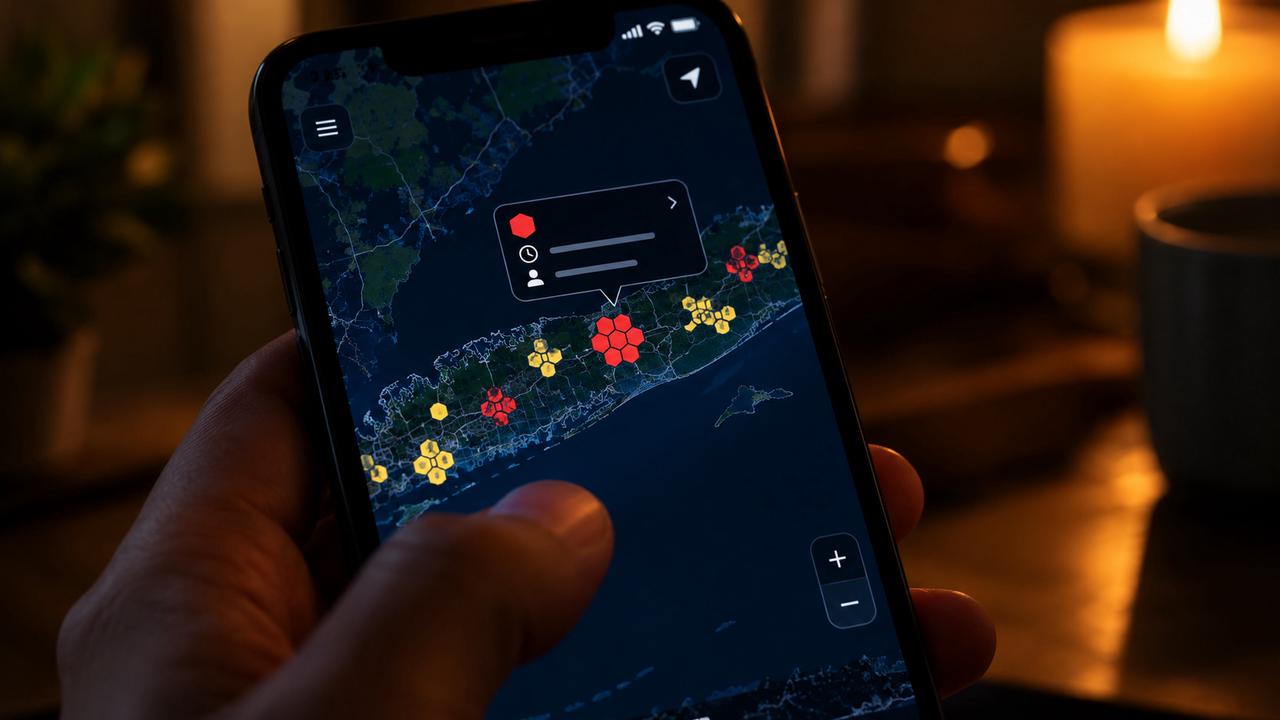
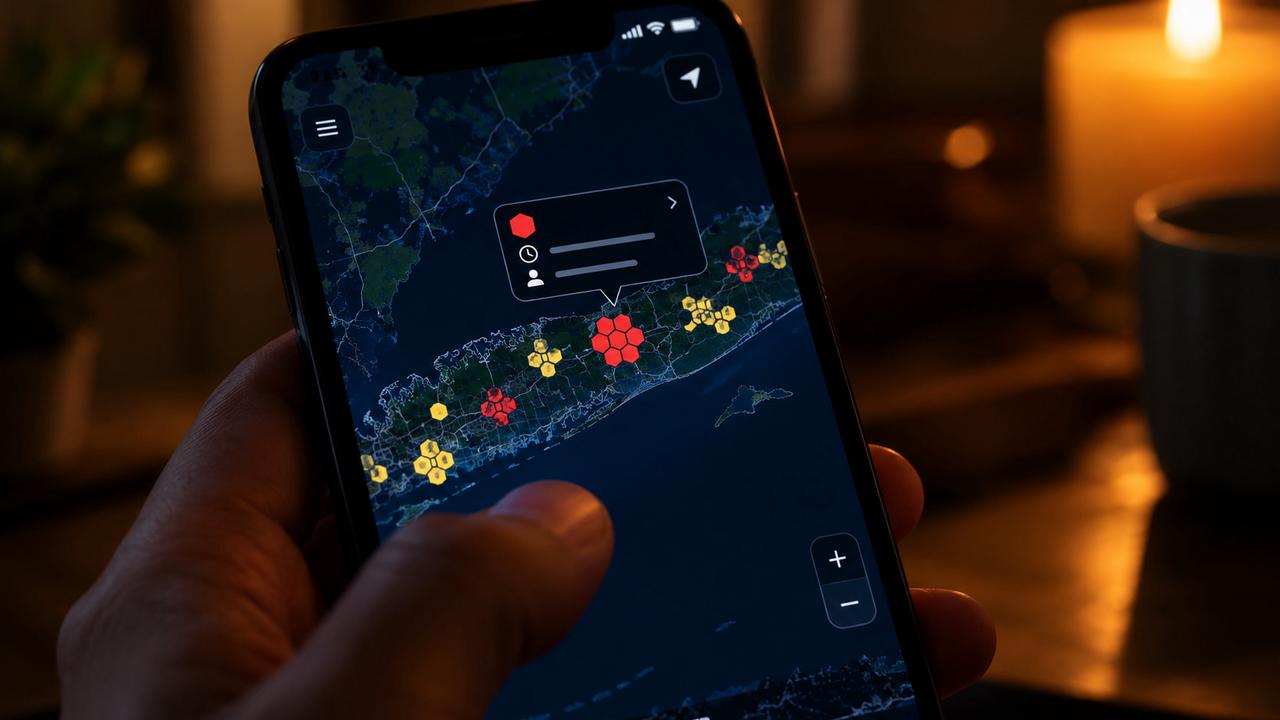
What the Map Shows
The map packs a lot of detail into one screen. Here's what each part means:
Outage locations: Colored shapes or icons mark areas with active outages. Zooming in narrows the view down to a single town or neighborhood.
Customers affected: Each outage lists roughly how many customers are without service. This number helps show whether a problem is a single street or a whole community.
Estimated restoration time: Crews post a target time once they assess the damage. Early in a major storm, this field may stay blank or read "assessing" for several hours.
Cause, when known: Some entries note what caused the outage, such as a tree on a line or failed equipment.
The PSEG power outage map also offers a summary view. It breaks down outage totals by county and town, which helps during large events when the main map looks crowded.
Reading Restoration Estimates
An estimated restoration time is a target, not a promise. It can move earlier or later as crews find more damage or clear repairs faster than planned.
Most utilities handle these estimates in a similar way. The National Grid outage map follows the same pattern, with times that update as field reports come in. Checking back every few hours tends to give a clearer picture than refreshing every few minutes.
Using the PSEG Long Island Mobile App
The PSEG Long Island mobile app shows the same map, plus a few extras. Users can see where crews are working, get restoration updates, and report problems from one screen.
The app and the website pull from the same data. That means the PSEGLI outage maps on both should match, so switching between a phone and a laptop won't cause confusion.
The map shows what's already been reported. Even so, PSEG still needs each address reported directly, since a nearby outage on the map may not include every home on the block.
How to Report a PSEG Long Island Outage
Many neighbors assume someone else already called. A direct report adds the address to the utility's records and helps crews understand the true size of the problem. Reporting a PSEG Long Island outage takes only a minute or two, and there are several ways to do it.
Method | How It Works | Best For |
Phone | Call 1-800-490-0075 | Downed wires or situations that need explaining |
Text | Text REG to PSEGLI (773454) to register, then text OUT to report | Quick reports without waiting on hold |
Online or App | Report at psegliny.com/app | Filing and tracking a report from one place |
Reporting by Phone
The customer service line at 1-800-490-0075 handles both outages and downed wires. Phone lines get busy during big storms, so hold times can stretch. The phone still makes sense for anything unusual, like sparking equipment or a damaged meter.
Reporting by Text With MyAlerts
Text reporting is one of the fastest options, but it needs a quick setup first:
Register for MyAlerts: Text REG to PSEGLI (773454) and follow the prompts to link the phone number to the account. Doing this before storm season avoids delays later.
Report the outage: Once registered, text OUT to PSEGLI (773454). The system logs the outage for the linked address.
Watch for updates: Status messages and restoration estimates arrive by text as crews make progress.
Reporting Online or in the App
The website and app at psegliny.com/app let customers file a report without waiting on hold. After filing, the same screen shows the outage status, which makes it easy to follow along.
Downed Power Lines Come First
A downed line is an emergency. Always call 911 first, then report it to PSEG separately. Emergency responders can secure the area while the utility sends a crew.
With the outage reported, the next question is how to get through the wait. That matters most during Long Island's coastal storm season.
Backup Power While Waiting on PSEG Long Island
Long Island sits right in the path of nor'easters and the remnants of Atlantic hurricanes. Because of that, storm-related outages can affect tens of thousands of PSEG customers at once. Superstorm Sandy in 2012 and Tropical Storm Isaias in 2020 each left hundreds of thousands of Island customers without power, some for more than a week.
A charged power station helps bridge that gap. Most households focus on three priorities:
Refrigerator and freezer: According to the USDA, a closed fridge keeps food safe for about 4 hours, and a full freezer holds for about 48 hours. Backup power can stretch that window during longer outages.
Medical equipment: CPAP machines, oxygen concentrators, and similar devices often can't wait for restoration. A steady power source helps keep them running.
Communication: Phones, radios, and internet routers keep families in touch and let them track restoration updates.
Some Long Island homes need more than a few essentials covered, especially where storms can knock out power for days. For these households, a whole-home battery system is one option. It connects to the home's electrical setup and switches over automatically when the grid drops, so lights, appliances, and heating or cooling can stay on.
Not every household needs whole-home coverage, though. Renters, apartment dwellers, and families who mainly want to protect a fridge and a few devices often prefer something portable. A unit that rolls from the kitchen to the bedroom can cover the essentials without any installation.
Knowing what typically causes these outages helps set realistic expectations during a storm.
PSEG Long Island's Service Area and Common Outage Causes
PSEG Long Island operates the electric grid across Long Island, covering Nassau and Suffolk counties along with the Rockaway Peninsula in Queens. The Long Island Power Authority (LIPA) owns the system, while PSEG Long Island runs daily operations under contract.
The territory is long and narrow, with miles of shoreline and plenty of mature trees. Both of those details shape how and where outages happen. Most PSEG power outages on Long Island, NY trace back to weather in some form.
Cause | What Happens | When It's Most Common |
Coastal storms and hurricanes | High winds and storm surge damage poles, lines, and substations | Atlantic hurricane season, June 1 to November 30 |
Nor'easters | Strong winds, heavy rain, or wet snow bring down lines | Late fall through early spring |
Downed trees and limbs | Branches fall onto lines and snap wires | Year-round, especially after storms |
Heavy rain | Soaked soil loosens roots, so trees topple more easily | Spring and after long rain events |
Equipment strain | Transformers can fail under heavy load | Summer heat waves |
Trees deserve a special mention. Even on a calm day, a single weak limb can knock out power to a whole street. That's why tree trimming near lines is a regular part of PSEG's maintenance work.
Storms still drive the biggest events. Many households plan for food safety during hurricanes well before the season starts, since spoiled food is one of the most common storm losses.
Whatever the cause, the same basic safety steps apply while the power is still out.
Staying Safe During a PSEG Long Island Outage
Outages bring hazards that don't exist on a normal day. A few simple habits lower the risk for everyone at home.
Treat Every Downed Line as Live: There's no way to tell by looking whether a fallen wire carries current. Stay well away from it, keep kids and pets back, and report it to 911 right away. Avoid touching anything the wire rests on, including fences, cars, or puddles.
Keep Generators Outdoors: Never run a generator indoors or in an attached garage. Generators release carbon monoxide, a gas with no color or smell that can build up fast. The CDC advises placing generators at least 20 feet from windows, doors, and vents. The Ready.gov outage safety tips cover this and other federal recommendations.
Protect Food and Medicine: Keep the fridge and freezer doors closed as much as possible. Medicines that need refrigeration may require a cooler with ice if the outage runs long. When in doubt about food safety, throw it out.
Stay Connected: Phones drain quickly when people check updates all day. For anyone working from home, keeping Wi-Fi running during a longer event mostly comes down to powering the modem and router.


Prepare Before the Next Storm
A little planning makes the next outage easier to handle:
Build a kit: An emergency supply kit with flashlights, water, batteries, and first aid basics covers most short outages.
Charge devices early: Top off phones, power banks, and backup batteries when a storm appears in the forecast.
Save key numbers: Store the PSEG outage line and local emergency contacts somewhere easy to find.
Conclusion
Checking the PSEG outage map and reporting an outage by phone, text, or app both play a role in getting power back. That's especially true during hurricane and nor'easter season, when thousands of homes can go dark at once.
One simple step helps right away: save 1-800-490-0075 in the phone now, and register for MyAlerts text updates before a storm rather than during one.
For households that want to stay powered through the wait, the EcoFlow DELTA Pro Ultra X and EcoFlow DELTA 3 Max can help keep a Long Island home running through coastal storm-related outages.
FAQs
How do I report a PSEG Long Island outage?
Customers can report an outage by calling 1-800-490-0075, texting OUT to PSEGLI (773454) after registering for MyAlerts, or filing a report online or in the app at psegliny.com/app. Downed wires should always go to 911 first.
What's the phone number for PSEG Long Island outages?
The outage and downed wire line is 1-800-490-0075. Saving it in a phone ahead of storm season makes it easy to reach when the power goes out.
How do I sign up for PSEG Long Island text alerts?
Text REG to PSEGLI (773454) and follow the prompts to link the phone number to the account. Once registered, customers can report outages and receive restoration updates by text.
What areas does PSEG Long Island serve?
PSEG Long Island serves Nassau and Suffolk counties, along with the Rockaway Peninsula in Queens. The grid is owned by LIPA and operated by PSEG Long Island.
How long do PSEG Long Island outages typically last?
It depends on the cause. Small, local problems are often fixed within a few hours, while major storms can leave some customers without power for several days or longer. The PSEG outage map shows the latest estimated restoration time for each area.
For press requests or interview opportunities, reach out to our media team
media.na@ecoflow.com