We Energies Outage Map Guide: How to Report, Track, and Stay Safe
When the lights go out in Milwaukee or Marquette, the first question is usually simple. How big is this, and how long will it last?
We Energies serves roughly 1.17 million electric customers across Wisconsin and Michigan's Upper Peninsula. With a service area that large, a few minutes on the We Energies outage map can answer a lot of questions quickly.
The map is only one piece, though. Reporting the outage, planning backup power for storm season, and following basic safety steps all matter just as much. This article covers each one in plain terms.
How to Check the We Energies Outage Map
We Energies runs an online outage map that updates in real time. It shows where outages are happening, how many customers are affected, and the cause when crews have confirmed one. For a household sitting in a dark kitchen, that information turns guesswork into a plan.
What the Map Shows
Outage locations: Markers or shaded zones mark active outages. Selecting one usually opens details like the start time and estimated restoration time.
Customer counts: Each outage lists how many customers lost service. A count of 12 often points to a local problem, such as a failed transformer. A count of 12,000 signals a major event.
Cause of the outage: When crews find the source, the map may list it. Common causes include weather, equipment failure, or a vehicle hitting a pole.
Municipality and county totals: The map breaks outages down by town and county. This view helps confirm whether an outage is isolated or part of a wider event.
Steps to Check an Address
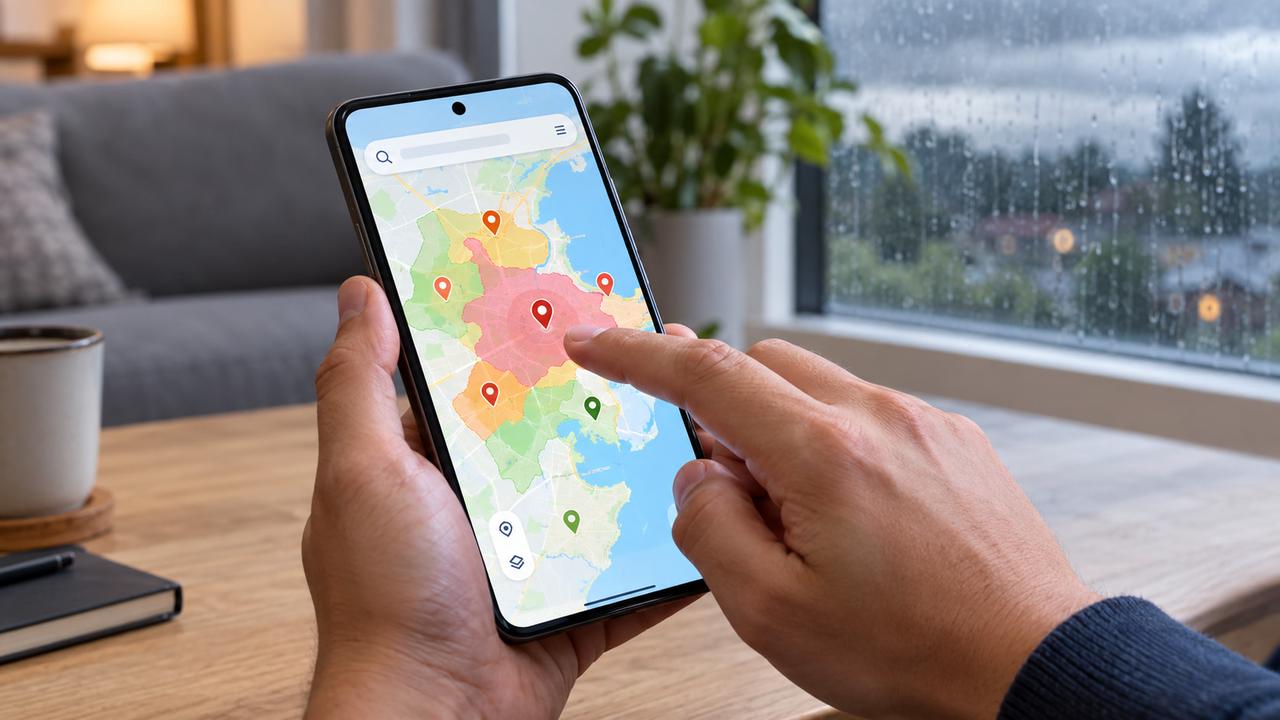
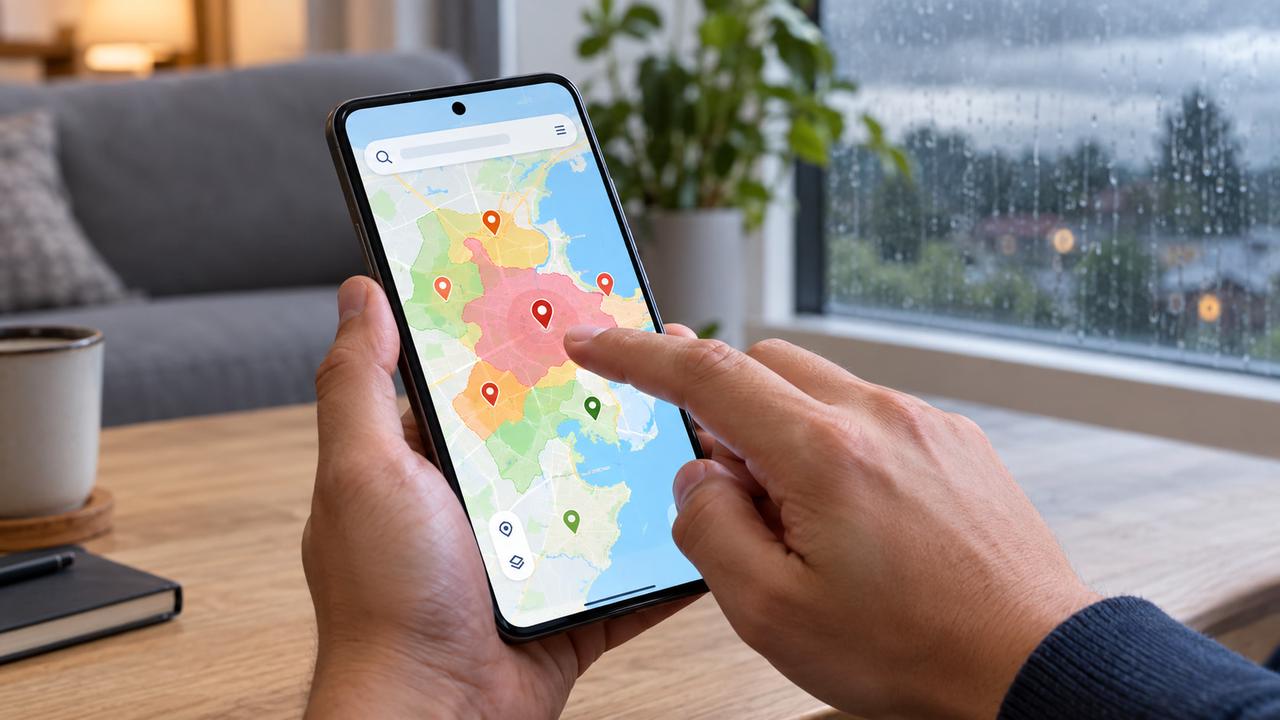
Open the outage map on the We Energies website or in the We Energies app.
Enter an address or zoom in on the neighborhood.
Select the nearest outage marker to see customer counts and the estimated restoration time.
Switch to the county or municipality view to see the full scope of the event.
Check back every hour or so. Estimates often shift as crews assess the damage.
The We Energies power outage map on the website and the version in the app pull from the same system. Both show matching data, but the app tends to load faster on a phone with a weak signal.
Confirm the Right Utility
This step trips up a lot of people. We Energies and Wisconsin Public Service (WPS) are separate companies, even though both fall under WEC Energy Group. They use different outage maps and different phone lines. A recent bill confirms which utility serves a given address.
The company name causes some mix-ups too. Many residents shorten it to "We Energy," so a We Energy power outage mentioned by a neighbor or on a local Facebook group still points to the same utility.
Upper Peninsula homes deal with lake-effect snow and long rural lines. That makes Michigan power outage prep worth sorting out well before the first big storm.
The map shows what We Energies already knows about. A specific address still needs to be reported directly.
How to Report a We Energies Outage
It's easy to assume the utility already knows about an outage. That isn't always the case. Smart meters help, but they don't catch every problem. A single home can lose power while the rest of the street stays lit.
Customer reports help crews pinpoint the fault and set priorities. We Energies offers three main ways to report.
Method | How It Works | Best For |
Phone | Call 800-662-4797 (Wisconsin and Michigan customers) | Downed lines, emergencies, or no internet access |
Online | Submit a report on the We Energies website | Quick reports from a laptop or phone |
We Energies app | Report and track updates from a mobile device | Status alerts during longer outages, with no hold time |
Why Every Household Should Report
We Energies encourages every affected customer to report separately. A neighbor's call doesn't always cover the whole block. Individual reports help in several ways:
Better fault mapping: Several reports from one area help crews narrow down the problem. A blown fuse and a broken line call for very different repairs.
Catching isolated problems: One home may sit on a different transformer than the house next door. Without its own report, that outage could go unnoticed for hours.
Accurate updates: Each report ties an address to the outage record. This helps restoration alerts reach the right households.
Reporting a Downed Line
A downed line calls for a phone call, not an online form. Call 800-662-4797 or 911 right away.
Stay at least 25 feet away from the line and anything it touches, such as a fence, a puddle, or a car. Treat every downed line as energized. A line can look dead and still carry a deadly current.
With the outage reported, backup power matters most during We Energies' larger storm events.
Backup Power While Waiting on We Energies
Severe thunderstorms, high winds, and winter ice have each knocked out power to tens of thousands of We Energies customers at once in recent years. After storms like these, restoration can stretch into a multi-day effort.
Crews work in order of priority. Hospitals, substations, and main lines usually come first, followed by smaller lines and individual streets. A charged power station bridges that gap, keeping a fridge, heat, and communication running while crews work through the queue.
What to Power First
Refrigerator and freezer: According to the USDA, a closed refrigerator keeps food safe for about 4 hours. A full freezer holds its temperature for about 48 hours. Backup power helps stretch those windows.
Heating equipment: Most gas furnaces still need electricity to run the blower fan and controls. During a Wisconsin January, that makes heat a top priority.
Medical devices: CPAP machines, oxygen concentrators, and similar equipment belong at the top of the list for households that depend on them.
Communication: Phones, a Wi-Fi router, and a weather radio keep a household connected to restoration updates and storm warnings.
Covering all of these at once is where whole-home backup makes sense. A system tied into the home's electrical panel can switch over on its own when grid power drops. That means no extension cords to run in the dark, and the furnace, fridge, and well pump can keep working through a long outage.
Not every household needs a whole-home setup, though. Apartments, smaller homes, and renters often do fine with a portable unit that covers the basics. A We Energies power outage in July, for example, mostly calls for a cold fridge, a couple of fans, and charged phones. A portable power station handles that kind of load with no installation and can move from room to room as needs change.
We Energies' Service Area and Common Outage Causes
We Energies covers a wide stretch of the Upper Midwest. It provides electric service across Wisconsin and Michigan's Upper Peninsula. It also supplies natural gas in Wisconsin and steam service in downtown Milwaukee. That footprint includes city blocks, suburbs, farmland, and heavily wooded rural areas. Each setting faces its own outage risks.
Main Outage Causes by Season
Cause | Peak Season | How It Affects Power |
Thunderstorms | Late spring through summer | Wind, lightning, and heavy rain damage lines and equipment |
High winds | Year-round | Falling trees and limbs bring down overhead lines |
Lightning | Summer | Strikes can damage transformers and trip protective devices |
Ice storms | Late fall through early spring | Ice adds weight to branches and lines until they break |
Heavy snow | Winter | Wet snow loads trees and slows crew access on rural roads |
Storms Drive Most Major Outages
Thunderstorms, high winds, lightning, and heavy rain account for a large share of significant outages across the service area. Summer storm lines can move fast. One strong system can leave damage across several counties in a single afternoon.
Winter storms bring their own risk. Ice and heavy snow add weight that can snap branches and pull down lines. Cold weather also makes repairs slower and harder for crews working outdoors.
Rural Areas Often Wait Longer
Rural lines stretch for miles through forests and fields, with fewer customers per mile. After a big storm, crews restore the lines that serve the most people first. A WE power outage in a remote part of the Upper Peninsula may take longer to fix than one on a busy Milwaukee street.
Utilities across the Midwest follow a similar approach after large storms. The restoration process seen with Dayton Power and Light outages in Ohio looks much like what We Energies crews go through.
Whatever the cause, the same basic safety steps apply while power is still out.
Staying Safe During a We Energies Outage
Most outages end without any trouble. Still, the risks during a long one are real, especially in winter. A few simple habits help keep a household safe.
Downed Lines and Electrical Hazards


Keep your distance: Stay at least 25 feet away from any downed power line. Assume it's energized until a crew confirms otherwise.
Unplug sensitive electronics: Computers, TVs, and gaming systems can be damaged by a surge when power returns. Leaving one lamp switched on signals when service is back.
Use generators outdoors only: Gas generators give off carbon monoxide. They should never run inside a home, garage, or basement, even with a door open.
Light, Heat, and Food
Flashlights over candles: Candles raise the risk of house fires, especially when people fall asleep or leave a room. Battery lanterns and flashlights are a safer choice.
Keep cold storage closed: Opening the refrigerator or freezer lets cold air escape. Keeping the doors shut helps food stay safe longer.
Layer up for warmth: Closing off unused rooms and hanging blankets over drafty windows helps hold heat in the main living space.
Wisconsin's coldest months call for extra planning. A solid winter outage prep plan covers heat, water, and supplies before temperatures drop. The federal outage safety tips from Ready.gov also cover food, medicine, and carbon monoxide risks.
Checking on Others
Neighbors and relatives: A quick call or knock on the door can make a big difference. Seniors and people who live alone may need help with heat or supplies.
People with medical needs: Anyone who relies on powered medical equipment needs a backup plan. During long outages, local officials often open warming centers, and Wisconsin residents can call 211 to find one nearby.
Storms get most of the attention, but equipment failure, animals, and grid strain play a role too. These common outage causes round out the bigger picture.
Conclusion
Checking the We Energies outage map and reporting an outage both matter. The map shows the size of an event and estimated restoration times. Reports by phone, app, or online help the utility confirm problems and set repair priorities.
A little prep now saves stress later. Save 800-662-4797 in a phone contact list today. It also helps to confirm the household is a We Energies customer, not a Wisconsin Public Service customer, before a storm hits.
For longer storm-related outages, backup power makes waiting on crews far easier. The EcoFlow DELTA Pro Ultra X and EcoFlow DELTA 3 Max both help keep a Wisconsin or Michigan household running while repairs are underway.
FAQs
How do I report a We Energies outage?
Customers can report an outage by calling 800-662-4797, through the We Energies website, or in the We Energies app. The app and website are often faster during large events. Downed lines should always be reported by phone.
What's the phone number for We Energies outages?
The outage number is 800-662-4797. It works for customers in both Wisconsin and Michigan's Upper Peninsula. For downed lines that pose immediate danger, calling 911 is also appropriate.
Is We Energies the same as Wisconsin Public Service?
No. Both companies belong to WEC Energy Group, but they operate as separate utilities. Each has its own outage map and phone line, so it's worth checking a bill to confirm which one serves an address.
What areas does We Energies serve?
We Energies provides electric service across Wisconsin and Michigan's Upper Peninsula. It also offers natural gas service in Wisconsin and steam service in downtown Milwaukee.
How long do We Energies outages typically last?
It depends on the cause. Small outages from a single failed part are often fixed within a few hours. Major storms that damage lines across several counties can take days to fully restore. The outage map lists estimated restoration times, which update as crews assess damage.
For press requests or interview opportunities, reach out to our media team
media.na@ecoflow.com