How Much Does It Cost to Upgrade to 200 Amp Service? A 2026 Price Guide
A family adds an EV charger in the garage. A few months later, a heat pump replaces the old furnace. Then, one evening, the breakers start tripping every time the dryer and the air conditioner run at once. The culprit is often a 100 amp panel that was fine for a smaller, gas-heated house decades ago, but can't keep up now. The typical cost to upgrade electrical panel to 200 amps for a panel-only swap runs about $1,500 to $3,000, while a full service upgrade costs more. This guide covers pricing, signs that point to an upgrade, battery backup as an alternative, permits, and available incentives.
How Much Does a 200 Amp Panel Upgrade Cost?
Prices vary quite a bit depending on the scope of the job. Replacing only the panel costs far less than replacing the entire electrical service, and location changes the total significantly. Utility fees, local permit costs, and the age of the home's wiring all factor into the final price for a 200 amp service upgrade cost.
Project | Typical Cost Range | What's Included |
Panel-only swap to 200 amps | $1,500 to $3,000 | New panel, main breaker, and labor |
Full 200 amp service upgrade | $2,500 to $5,000 or more | Panel, meter base, service entrance wires, and permits |
High-cost markets with added code items | $6,000 to $7,500 | Extra grounding, surge protection, or code corrections |
Utility service line replacement | Can double the total | Applies if the line must be dug up or replaced |
Always request a written quote that separates labor from materials to easily compare bids and spot inflated fees. Electricians also need to confirm your home's actual power draw to recommend the right panel size. Understanding amps, volts, and watts can help you confidently follow that conversation.
What a Quote Should Include
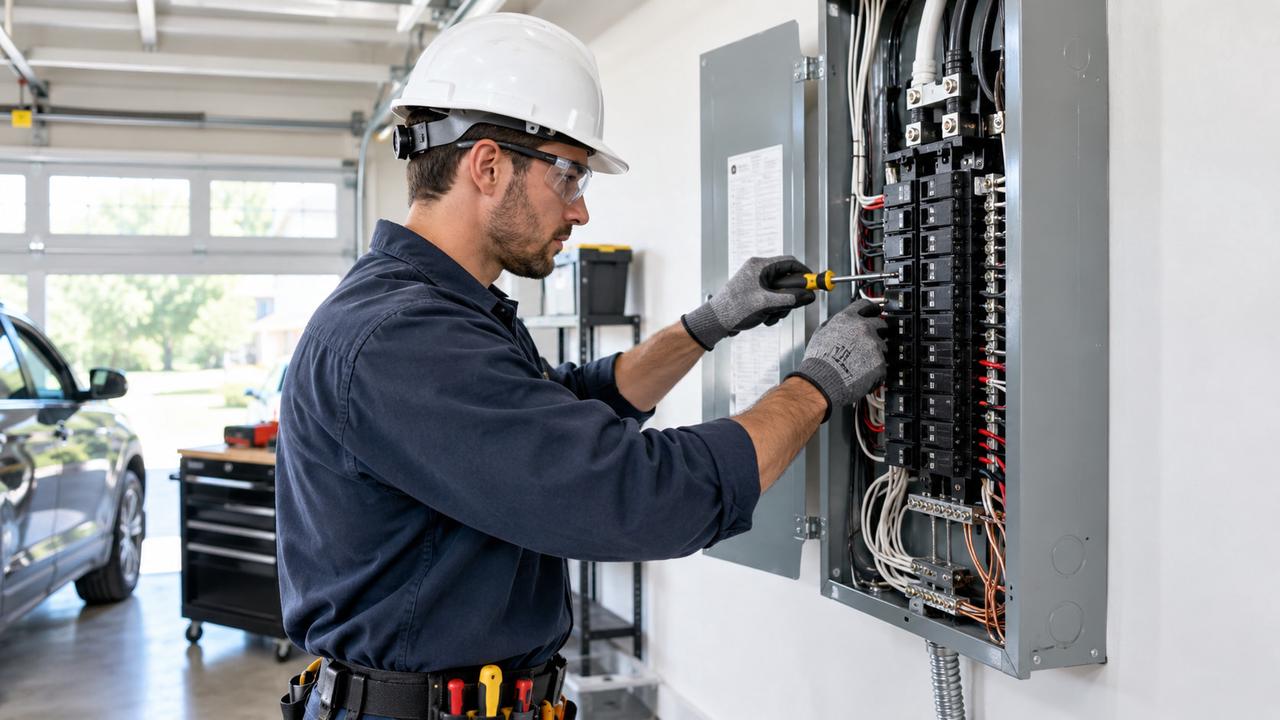
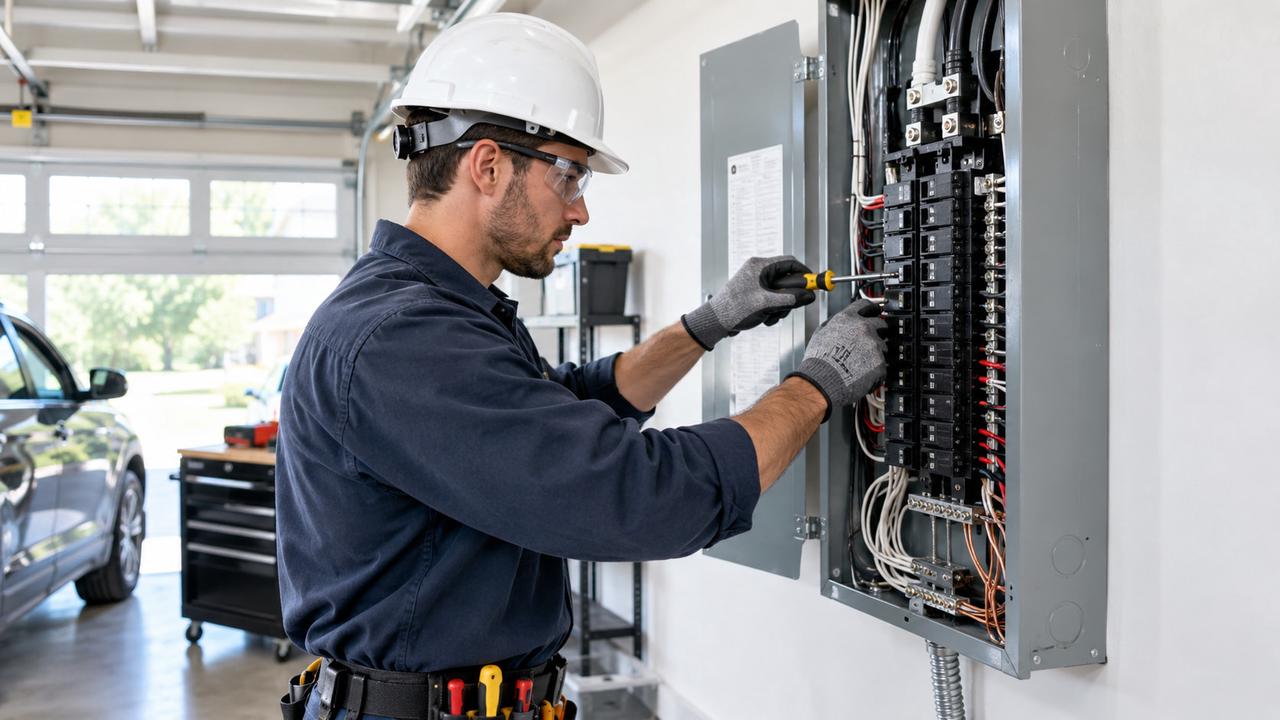
A complete quote for a panel upgrade 200 amp cost estimate should list:
Panel and breakers: The quote should cover the new breaker box and all the individual switches inside. They must match the new 200 amp capacity of your home.
Meter base: This is the box outside your house where the power company tracks your energy use. A larger power supply usually requires a bigger meter base.
Grounding and surge protection: Modern safety rules require grounding rods to prevent electric shocks. A whole-house surge protector is also often needed to protect your electronics from power spikes.
Permits and inspection fees: Your contractor must get a local permit to make sure the work is legal. The quote should also include the cost of the city inspector checking the final job.
Wall repair after the work: Electricians often have to cut into the wall to fit a larger panel. The quote should clearly state if patching and painting those holes is included.
Utility coordination for the shutoff: The power company must turn off your electricity before work begins. Your electrician should handle this scheduling, so you don't have to worry about it.
Homeowners should also expect the power to be off for most of a workday while the crew completes the swap. Planning around that outage, especially for households that work from home or rely on medical equipment, avoids an unpleasant surprise.
Price is only half the question, though. The other half is whether the upgrade is actually needed yet.
Signs You Need a 200 Amp Service Upgrade
Many older homes still run on 60, 100, or 150 amp service. That was often enough decades ago, but it can fall short once modern electric appliances enter the picture.
Common signs include:
Breakers trip often, even during normal use
An EV charger, heat pump, or induction range is being added
The home still has an old fuse box instead of breakers
The panel is an older brand with known safety recalls
Lights flicker when large appliances start up
A basement finish or room addition is planned


Any one of these can justify looking into the cost to upgrade to 200 amp service before a bigger problem develops, such as an overloaded panel that overheats.
What a 200 Amp Breaker Panel Can Handle
A 200 amp breaker panel supports most modern, all-electric homes, including central air conditioning, an EV charger, and an electric range running at the same time. That said, every home is different, and stacking too many high-draw appliances can still stretch a 200 amp panel thin.
A load calculation performed by a licensed electrician confirms the right panel size for a specific home rather than relying on a rule of thumb. This step matters even more for homes planning induction range retrofits, since induction cooktops draw more power than older electric or gas ranges.
Panel Upgrade vs. Adding Battery Backup
Not every home needs a full service upgrade right away. Some can delay or avoid one with smarter load management, and a home battery system adds outage protection on top of that.
Smart panel technology can shift or limit certain loads so that large appliances, like a water heater and a dryer, do not run at full power at the same moment. This reduces the peak demand on the existing service without touching the meter or the utility line. EcoFlow's smart home panel is one example of how load management and backup power can work together inside a standard breaker box.
Whole-Home Backup Options
Pairing a newer panel with a home battery system keeps essential circuits, and sometimes the whole house, running during an outage instead of relying only on utility power. For households that want backup lasting several days rather than a few hours, a larger capacity system is usually the better fit.
The Ecoflow DELTA Pro Ultra suits households that want whole-house backup lasting for days. Homes that mainly need to keep a central AC and a handful of 240V circuits running, though, can start with a smaller, wheeled system instead.
Permits, Incentives, and Hiring an Electrician
A service upgrade almost always requires a permit and a follow-up inspection from the local building department. The electrician handling the job typically coordinates the temporary shutoff with the utility company as well, since that step is not something a homeowner can do alone.
Tax incentives have shifted recently. The federal 25C credit that previously covered some panel upgrade costs ended after 2025 under recent federal tax law changes affecting several energy-related credits, according to IRS documentation. Some utilities and states, however, still offer rebates for panel work, particularly when it's tied to a heat pump or EV charger installation. Checking with the local utility before signing a contract can reveal savings that aren't obvious upfront.
Tips to Lower Your Cost
While a panel upgrade is a significant investment, a few smart planning strategies can help keep your final bill in check.


Get Multiple Quotes: Do not just accept the first price you receive. Comparing at least three bids helps you find the best deal and spot overpriced estimates.
Bundle Upgrades Together: If you need an EV charger or a heat pump, install them at the same time. Doing the work together can save you money on overall labor costs.
Check for Utility Rebates: Many local power companies offer money back for upgrading your electrical service. Call them to see what savings you might qualify for before you start.
Schedule in the Off-Season: Electricians are often less busy during the spring or fall. Booking your project then might help you negotiate a better price.
Explore Load Management: A smart device can balance when your heavy appliances run so they do not overlap. This might let you avoid the high cost of a full panel upgrade entirely.
Conclusion
A panel-only swap to 200 amps typically costs between $1,500 and $3,000, while a full service upgrade runs higher once the meter base and service wires are involved. The best next step is a load calculation from a licensed electrician, followed by a few quotes for comparison and a quick check with the local utility for rebates. For homes that want backup power alongside the new panel, options like the EcoFlow DELTA Pro Ultra and DELTA Pro 3 offer different levels of capacity depending on the household's needs.
FAQs
How much does it cost to upgrade an electrical panel to 200 amps?
A panel-only swap typically runs $1,500 to $3,000, while a full 200 amp service upgrade price can reach $2,500 to $5,000 or more depending on location and scope.
What is the difference between a panel upgrade and a service upgrade?
A panel upgrade replaces just the breaker box, while a service upgrade also replaces the meter base and the wires connecting the home to the utility line.
How long does a 200 amp service upgrade take?
Most jobs take a single workday, though power is usually off for several hours during the swap.
Does a 200 amp upgrade require a permit?
Yes. Nearly every jurisdiction requires a permit and a follow-up inspection for this type of electrical work.
Is there still a tax credit for panel upgrades?
The federal 25C credit that covered some panel work ended after 2025, though some state and utility rebates may still apply.
Can a battery system help avoid a panel upgrade?
A smart home panel paired with a battery system can manage peak loads and sometimes delay the need for a full service upgrade, though a licensed electrician should confirm this is safe for a specific home.
For press requests or interview opportunities, reach out to our media team
media.na@ecoflow.com