What Happens to Solar Panels When Your Business Moves?
- Your Three Options: Move, Sell, or Upgrade Your Commercial Solar Panels
- Moving Your Solar Panels: Planning, Safety Steps, and Expected Costs
- Selling or Upgrading: Resale Value, Installation Costs & Incentives
- Permits, Warranties & Compliance: What Businesses Must Know Before Moving Panels
- How EcoFlow Portable Power Helps Your Business During Solar Downtime
- End-of-Life & Recycling Options for Panels You Don’t Move
- Frequently Asked Questions
- Ready to Keep Your Business Powered Through Any Move?
When moving your business—whether it’s going cross-country or moving to another continent—one thing is for sure: the move can be stressful. If you have commercial solar panels, you might be wondering if it’s worth transporting them to your new location. Throwing in the costs, logistics, and whether it’s worth the stress, whether to move your solar gear can be a tricky decision to make.
In this guide, we’re showing you your options for moving, selling, or upgrading solar panels, as well as planning, safety tips, and end-of-life recycling options for any panels that are left behind.
Your Three Options: Move, Sell, or Upgrade Your Commercial Solar Panels
When considering what to do with your solar panels, it breaks down into three options.
You can move your existing business solar panels to your new location if you think they’re worth the cost of transportation.
You can sell the solar panels if you want to try to recover the costs and put them towards installing new panels at your new site.
Or, you can upgrade your solar panels to a newer, more efficient system at your new business location.
Each option has different costs and considerations, which we’ll break down below.
Moving Your Solar Panels: Planning, Safety Steps, and Expected Costs
Moving your solar panels isn’t always as easy as packing them up and setting off. Most likely, you won’t be able to take matters into your own hands. You’ll need to enlist the help of skilled workers and movers to dismantle and transport your commercial solar panels. It’ll take some careful planning, but it can be done.
Trying to move the panels by yourself is a recipe for disaster. Panels can easily crack if they’re not handled properly, which can damage cell efficiency. Instead, get the help of professionals—they’ll safely disconnect all electrical components and remove each panel one by one. Then, they’ll carefully pack away your panels with the right protective materials before loading them onto specialized vehicles for transportation. At your new site, the workers will assess the site for suitability—such as the roof being able to handle the weight—and you’ll also need to acquire a permit from your electrical company to hook everything up. Costs for this process will vary.
Selling or Upgrading: Resale Value, Installation Costs & Incentives
Commercial solar panels can be a hefty investment, so it’s no surprise that there’s a market for second-hand panels. Your panels should ideally still have around 10 years of use left to make the sale worthwhile; however, the amount you make will also depend on the brand and cell efficiency rate. Selling your used panels is a great option if the estimated costs of moving are too much or outweigh the benefits.
Upgrading your panels to a newer, more efficient model might be a good option if your current panels are aging. Newer models are reaching even higher efficiency rates, which can improve your long-term returns. The cost of upgrading your solar panels will vary greatly, but some can cost between $1 and $2.50 per watt.
It’s a big upfront investment, but there are some incentives to help you cover the costs. These include tax credits and rebates, such as the Federal Investment Tax Credit (ITC), which allows commercial businesses to claim up to 30%. Other incentives include depreciation benefits, State and local rebates, and government grants for certain industries, like farming.
Permits, Warranties & Compliance: What Businesses Must Know Before Moving Panels
Moving solar panels involves numerous rules and regulations. Transporting panels to a new site requires obtaining new electrical permits to ensure everything is conducted safely. You can fill out the forms yourself or get a contractor to do so, as they’re usually approved faster.
Once approved, you’ll then need to review your warranties and verify that you’re entitled to move your equipment by writing to the manufacturer and providing them with 30-90 days’ notice. Otherwise, the warranty may become void if it’s transported to a new location that doesn’t follow the same regulations.
How EcoFlow Portable Power Helps Your Business During Solar Downtime
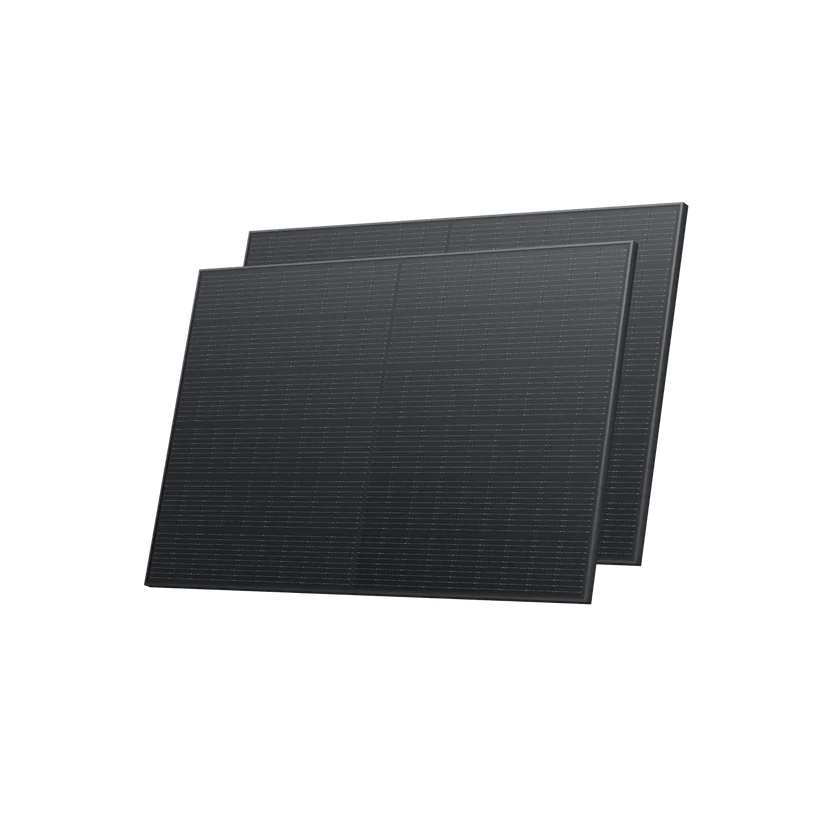
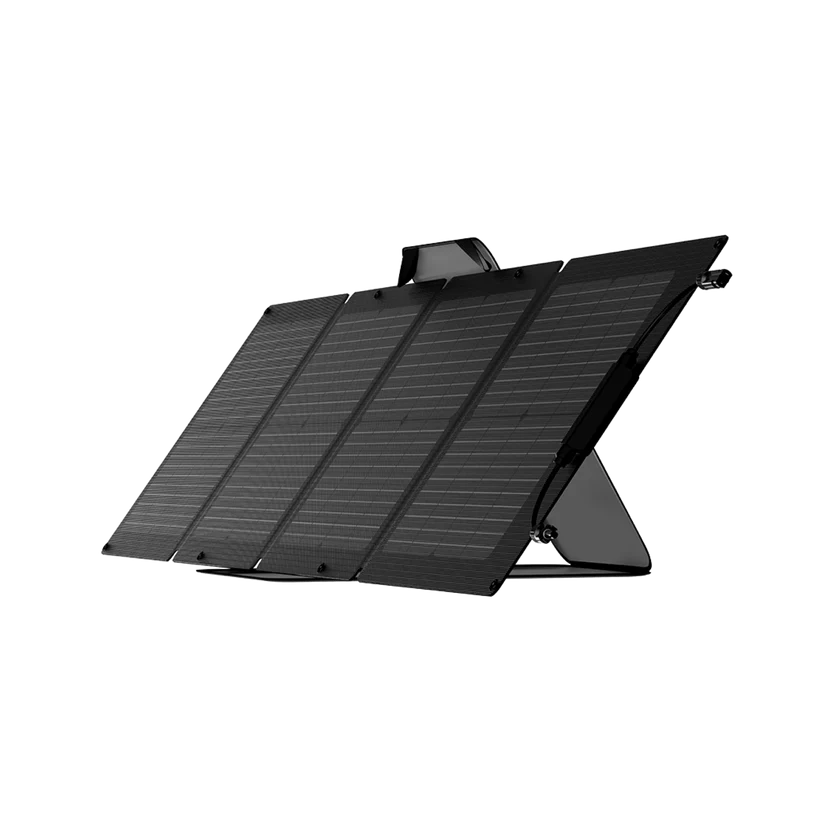
Moving solar panels can be done, but it requires a significant amount of preparation and planning. During the move, you can use a foldable solar panel, like the EcoFlow 110W Portable Solar Panel, to avoid solar downtime and keep business life running smoothly. It’s compact and lightweight, has an easy setup, and doesn’t require professional installers. Both the 110W option and the EcoFlow 400W Rigid Solar Panel supply an impressively high efficiency rate of 23%.
They’re waterproof and durable, and the EcoFlow 400W Rigid Solar Panel can withstand wind speeds of up to 130mph. Use as an add-on to your existing PV setup or have them as a reliable, on-demand energy source for all your business needs while you’re negotiating the transition, including powering lighting, POS systems, security systems, and more.
End-of-Life & Recycling Options for Panels You Don’t Move
If your panels are too old or damaged to re-use or sell, it’s critical that you dispose of them correctly and in adherence with waste regulations. Many regions now offer solar waste recycling programs to safely dispose of them without them entering landfills. You could also check with your manufacturer to see if they offer a take-back program, or search for State-run recycling programs.
Frequently Asked Questions
Can You Move Solar Panels When You Move?
Yes, you can take your solar panels with you when you move. Depending on the type of solar panels you’re moving, you may need professional movers to help you dismantle and transport them to your new location. If you have a foldable solar panel, you can easily pack it up and take it with you.
Are Moving Solar Panels Worth It?
This depends on several factors. If your solar panels are still relatively new, are highly efficient, and the location you’re moving to is suitable, it’s definitely worth it. However, if you factor in the cost of removal and installation, it might not be worth it. Also, if the new location is shaded, it’s probably not worth taking them with you.
What Is the Best Way To Transport Solar Panels?
To ensure safe transportation, it’s best to get the help of trained technicians and movers. They will have the correct safety precautions and transportation methods to ensure your (expensive) solar panels arrive safely and intact.
Ready to Keep Your Business Powered Through Any Move?
Whether you choose to move, sell, or upgrade your commercial solar panels, take the time to ensure you’re preparing correctly and following all necessary rules and regulations. While you’re in the midst of navigating the transition, using a portable solar panel alternative like the EcoFlow 400W Rigid Solar Panel can ensure business continues to run smoothly while everything else falls into place. Combine with a whole-home generator for greater power backup when you need it most.
For press requests or interview opportunities, reach out to our media team
media.na@ecoflow.com