Solar Pergola: Cost, Energy Output & Planning Guide (2026)
- What Is a Solar Pergola?
- How Much Does a Solar Pergola Cost?
- How Much Energy Can a Solar Pergola Generate?
- What Factors Affect Solar Pergola Output and Cost?
- Can You Add Solar Panels to an Existing Pergola?
- How Do You Plan and Install a Solar Pergola?
- How Can Battery Storage Maximize Your Solar Pergola's Value?
- Frequently Asked Questions
- A Solar Pergola Turns Backyard Shade into Reliable, Money-Saving Power
A solar pergola combines a shaded outdoor living space with clean energy production by mounting a solar array on its roof. How much it costs and how much energy it produces depends on the size of the structure and array, plus your location, shade, and other site factors. Here's what to know before you plan one for your yard.
What Is a Solar Pergola?
Pergolas are like a garden gazebo but usually have a partially open roof, used to create a partially shaded outdoor living space.
Therefore, a solar pergola is a freestanding outdoor structure that generates clean energy when solar panels are installed on its roof.
How Much Does a Solar Pergola Cost?
Cost varies with structure size and materials, number and wattage of panels, and more.
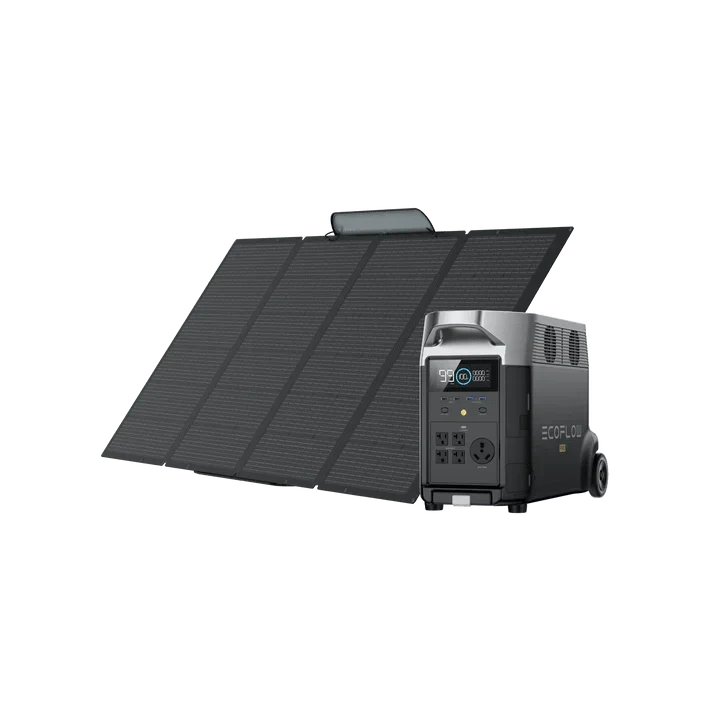
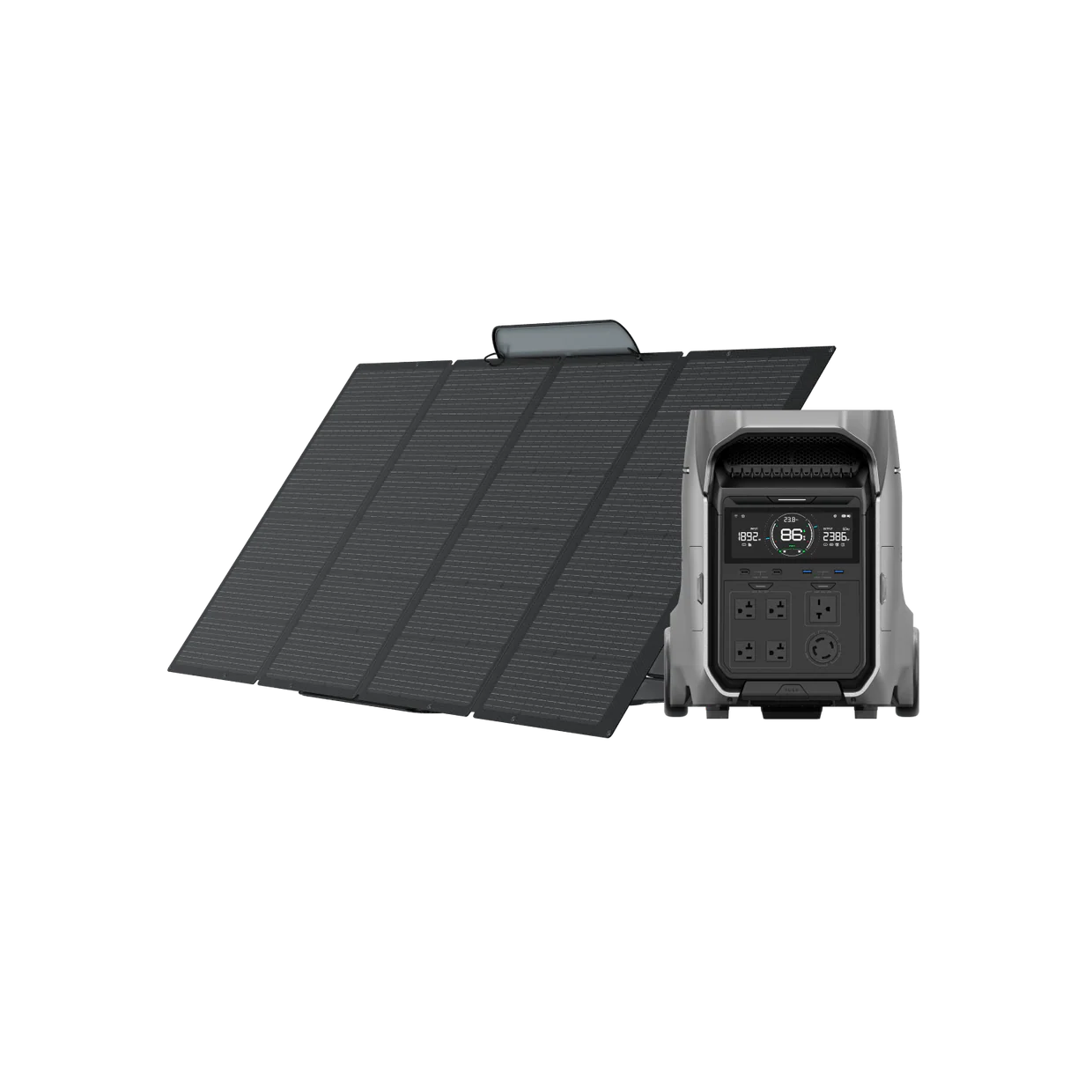
Many homeowners build around an all-in-one system like the EcoFlow DELTA Pro 3 + 400W Solar Panel, which pairs a fixed panel cost with a portable power station instead of a custom-wired array.
For context, standard rooftop solar averages roughly $2.50–$3.50 per watt installed, and pergola systems tend to run higher per watt because of the added structural build.
Small Systems (3kW and Under)
Small systems on pergolas in the 8 x 8ft (2.4 x 2.4m) to 10 x 10ft (3 x 3m) range typically cost between $3,000 and $8,000 fully installed.
Medium Systems (4kW–6kW)
Medium systems on 10 x 12ft (3 x 3.7m) to 12 x 16ft (3.7 x 4.9m) structures typically cost between $8,000 and $15,000 installed.
Large Systems (8kW and Up)
Large systems on 16 x 20ft (4.9 x 6.1m) pergolas and larger are generally in the $15,000 to $30,000 range.
How Much Energy Can a Solar Pergola Generate?
How much energy it can generate depends on several factors, but mostly the array size.
Small 3kW systems may produce 10–14kWh each day, assuming an average of 3.5 to 4.5 peak sun hours (direct sunlight).
A 5kW system with the same peak sun hours may generate 17–24kWh per day.
An 8kW solar pergola can generate 28–38kWh of electricity, enough to supply an average single-family home, depending on consumption.
What Factors Affect Solar Pergola Output and Cost?
The biggest factors affecting output are the efficiency and size of the solar array, your geographic location, shading, and tilt angle.
The biggest factors affecting cost are the materials used to build the pergola and the size of the solar array. However, permitting and custom engineering may also impact costs. This makes them a bit more expensive option per kW than balcony or rooftop solar, but you get the added outdoor living space.
Can You Add Solar Panels to an Existing Pergola?
Yes, you can turn an existing pergola or gazebo into a fully functioning solar canopy when you install EcoFlow solar panels on its roof.
Many homeowners do it to supply their outdoor living spaces with electricity. Others opt for an all-in-one solar generator (like the EcoFlow DELTA Pro 3 + 400W Solar Panel), pairing the panel with a portable power station to store energy and run appliances directly, or tie it into the household electrical panel.
How Do You Plan and Install a Solar Pergola?
Installing a solar pergola generally follows the same sequence as a standard structure, with the added steps of mounting, wiring, and connecting the panels.
Before purchasing anything, evaluate your yard, tracking shade throughout the day and planning for a roof pitch facing south if possible (in the Northern Hemisphere).
Choose the right design for your yard, aesthetics, available sun, and budget.
Then, see if you need permits. It may require both building and electrical permits, depending on the size, location, and electrical configuration.
In most cases, you'll pour deep concrete footings next to support the load and prevent it from blowing away in strong winds.
Then you (or your installer) can erect the structure according to the manufacturer's directions.
Next, mount and wire the panels on the roof.
If you use it directly, a portable power station in the pergola provides various output ports to power different devices. Alternatively, you’ll need a certified electrician, underground conduit, and a permit to run power to your home’s electrical panel.
How Can Battery Storage Maximize Your Solar Pergola's Value?
Without battery storage, you lose any power you produce that you don’t use directly. With batteries, you can store excess energy produced during the day and use it at night when your panels aren’t producing any. It can also provide a whole home backup power solution, allowing you to keep your home running if the grid fails.
The best batteries for solar power storage are modern LiFePO4 batteries for their superior longevity, depth of discharge, and ability to be used indoors and outdoors (provided the power station they’re housed in is designed to withstand the elements).
Frequently Asked Questions
How Long Does It Take to Install a Solar Pergola?
It generally takes about 2–5 days to install a solar pergola once the onsite work begins (excluding permitting, design, and utility approval for grid-tied systems), as you need time to pour cement footings, install the structure, and finally install the panels.
Do Solar Pergolas Work in Winter?
Solar panels work all year long and in virtually any weather, except when heavy snow covers them. While the sun is often lower in the sky, panels operate more efficiently in cold weather, counteracting some of that winter loss of light.
Do You Need a Permit for a Solar Pergola?
Yes, usually you need both building and electrical permits. However, it depends on the size of the structure and the permitting requirements where you live. With electrical permits, whether the power ties into your household electrical panel may also determine if a permit is required.
A Solar Pergola Turns Backyard Shade into Reliable, Money-Saving Power
Solar pergolas are an excellent way to add usable shade while also generating power you can use to reduce your monthly electricity bills.
Start with planning, and assess your yard, available sunlight, and budget to determine the size and type of structure and array you want. Be sure to check what permits might be required. Then, purchase a quality all-in-one system like the EcoFlow DELTA Pro 3 + 400W Solar Panel, complete with battery storage and a built-in inverter, and you can start saving money with the clean energy you produce.
For press requests or interview opportunities, reach out to our media team
media.na@ecoflow.com