Solar Panel Battery Installation Guide: Everything You Need to Know
- How Does Solar Panel and Battery Installation Work?
- Installing Solar Panels and a Battery Together vs. Adding a Battery Later
- How to Install a Solar Panel Battery System
- How Much Does It Cost to Install a Solar Battery?
- What Size Solar Battery Does Your Home Need?
- How Do You Maintain a Solar Panel Battery System?
- Conclusion
- FAQ
Rooftop panels make their best power around midday, when many homes are fairly quiet. Dinner, laundry, and air conditioning often come later. A battery stores some of that daytime electricity for use during higher-demand hours. With the right backup setup, it can also keep selected household circuits powered during a grid outage.
Getting there takes more than hanging a battery on the wall. The inverter, electrical panel, local code, utility rules, and the household’s energy-use patterns all affect the system design. This guide walks through solar panel battery installation, from the first electric-bill review to final testing.
How Does Solar Panel and Battery Installation Work?
Electricity changes direction throughout the day. Solar may supply the house, refill the battery, or send excess power to the grid. After sunset, the home can draw from storage instead.
How Solar Panels and Batteries Work Together
Panels produce direct-current electricity. An inverter converts it into the alternating current used by household outlets and appliances. The battery saves energy that isn’t needed right away.
The basic idea is:
Solar Array ↔ Inverter and Battery System ↔ Home Electrical Panel / Grid
This is a simplified overview. The actual power path depends on whether the system is AC-coupled or DC-coupled.
Actual wiring varies. An AC-coupled system may convert electricity more than once, while a DC-coupled setup uses a different route through a compatible inverter. Ask which arrangement the contractor proposes and why it fits the house.
There’s another point that surprises people. Standard grid-tied panels normally switch off during an outage. Otherwise, they could send power onto utility lines while a crew is repairing them. To provide backup, the system needs approved equipment that separates the home from the grid. The U.S. Department of Energy’s Homeowner’s Guide to Solar explains the basics in more detail.
Installing Solar Panels and a Battery Together vs. Adding a Battery Later
Putting in the panels and battery together is usually the cleaner job. The contractor can plan the inverter, wiring, controls, and permits as one project, avoiding some duplicate labor.
That doesn’t make a later retrofit a bad idea. Plenty of arrays can accept storage, though an older system might need an AC-coupled battery, replacement inverter, new controls, or panel work.
Look a few years ahead before deciding. Replace an aging roof first, and mention plans for an EV, heat pump, or more panels. Today’s cheapest layout can become awkward when electricity use changes.
How to Install a Solar Panel Battery System
This is not a normal do-it-yourself upgrade. A permanently installed solar battery involves high voltage, utility interconnection, permits, and fire and electrical codes. The system should be designed and installed by appropriately licensed professionals.
Assess Your Home Energy and Backup Needs
Review 12 months of electric bills before shopping, as your usage history provides a more reliable basis for estimating the solar battery size your home needs. Then ask what the battery should do, not simply how large it can be.
Some owners want their own solar after sunset. Others hope to avoid high time-of-use rates. For backup, list what truly must stay on and for how long. A refrigerator and several lights are a modest target. Add a well pump or central air, and the system changes quickly.
Motors and compressors may briefly pull far more power at startup. A battery can hold enough energy for an appliance yet still struggle to start it.
Local climate and household needs should shape the backup-load list. In Texas, cooling may be the priority. At a rural home, the well pump could matter more. Hourly or 15-minute utility records can reveal when household demand actually spikes.
Finally, picture an actual outage. Four evening hours, one stormy night, and three cloudy days are three very different design problems.
Important Considerations Before Installing a Solar Battery
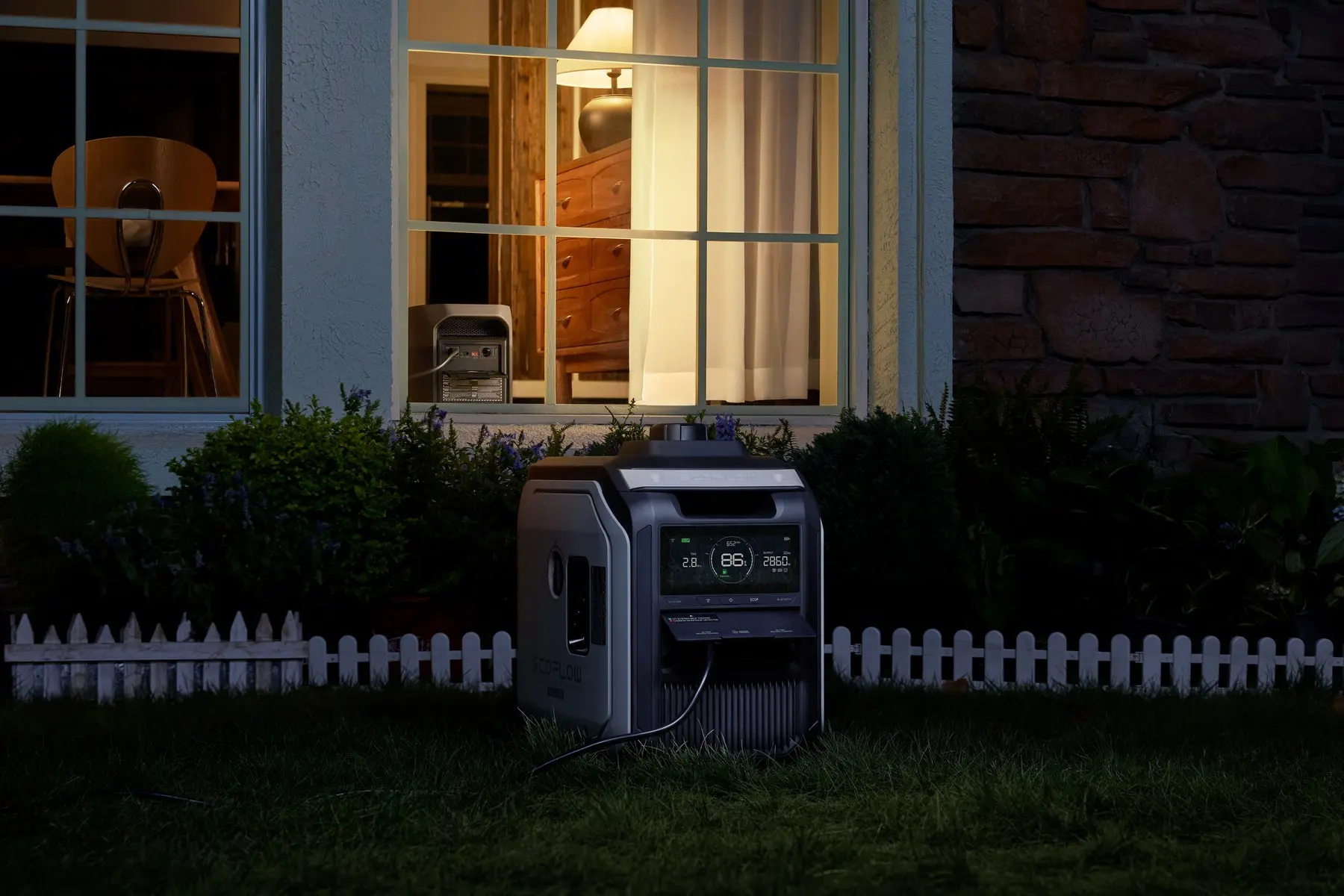
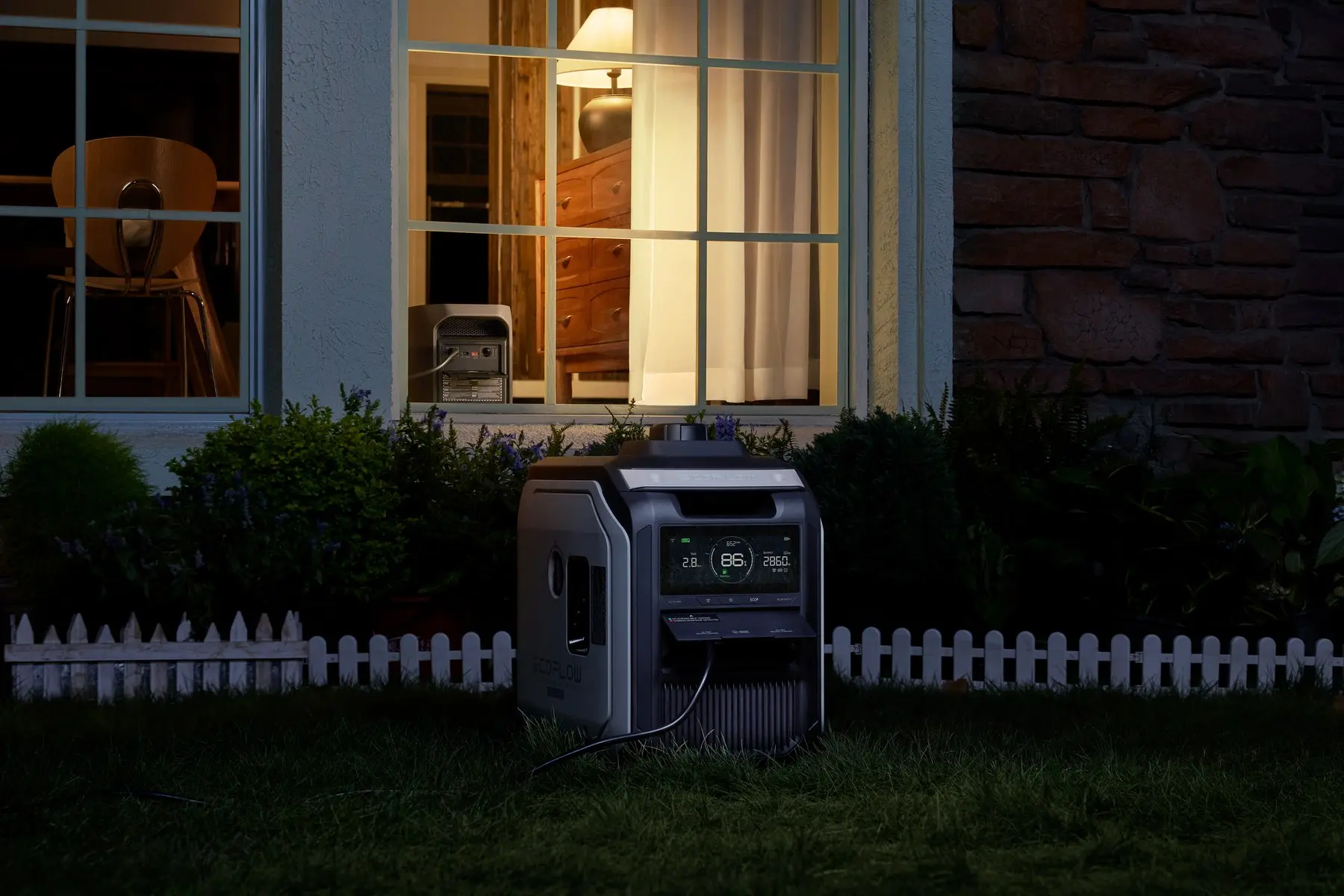
A well-planned solar battery charging setup must account for array size, winter sunlight, shade, and household demand; otherwise, even a large battery may charge slowly.
Have the contractor check the inverter, main panel, utility rules, and local code. Look past the largest number on the product page. Usable capacity, continuous and surge output, temperature limits, warranty, monitoring, and expansion options all matter.
Choose the Battery Size and Installation Location
Two ratings do different jobs. Kilowatt-hours describe how much energy the battery holds. Kilowatts describe how much equipment it can power at once. Think of one as the amount in the tank and the other as the size of the pipe.
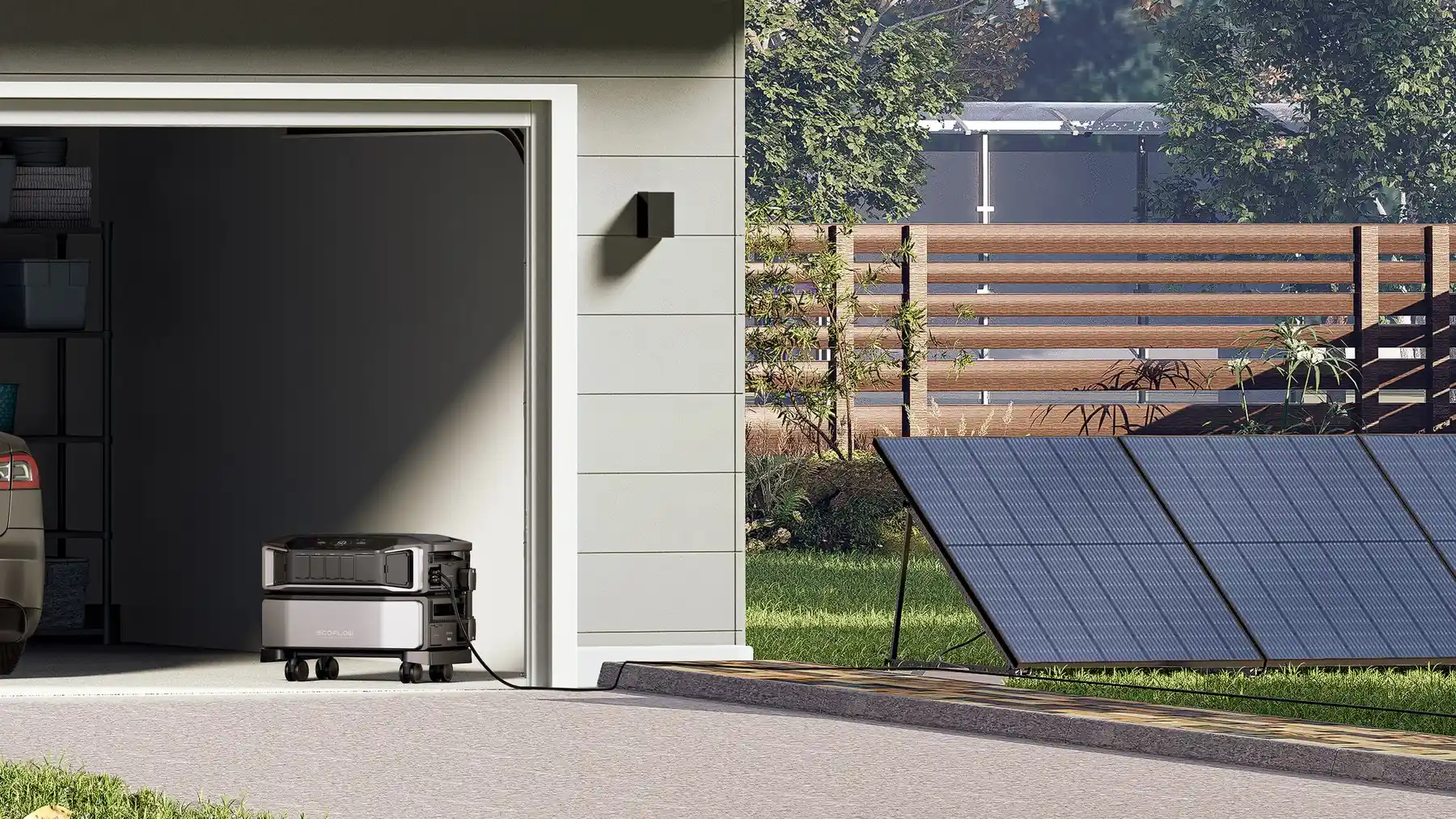
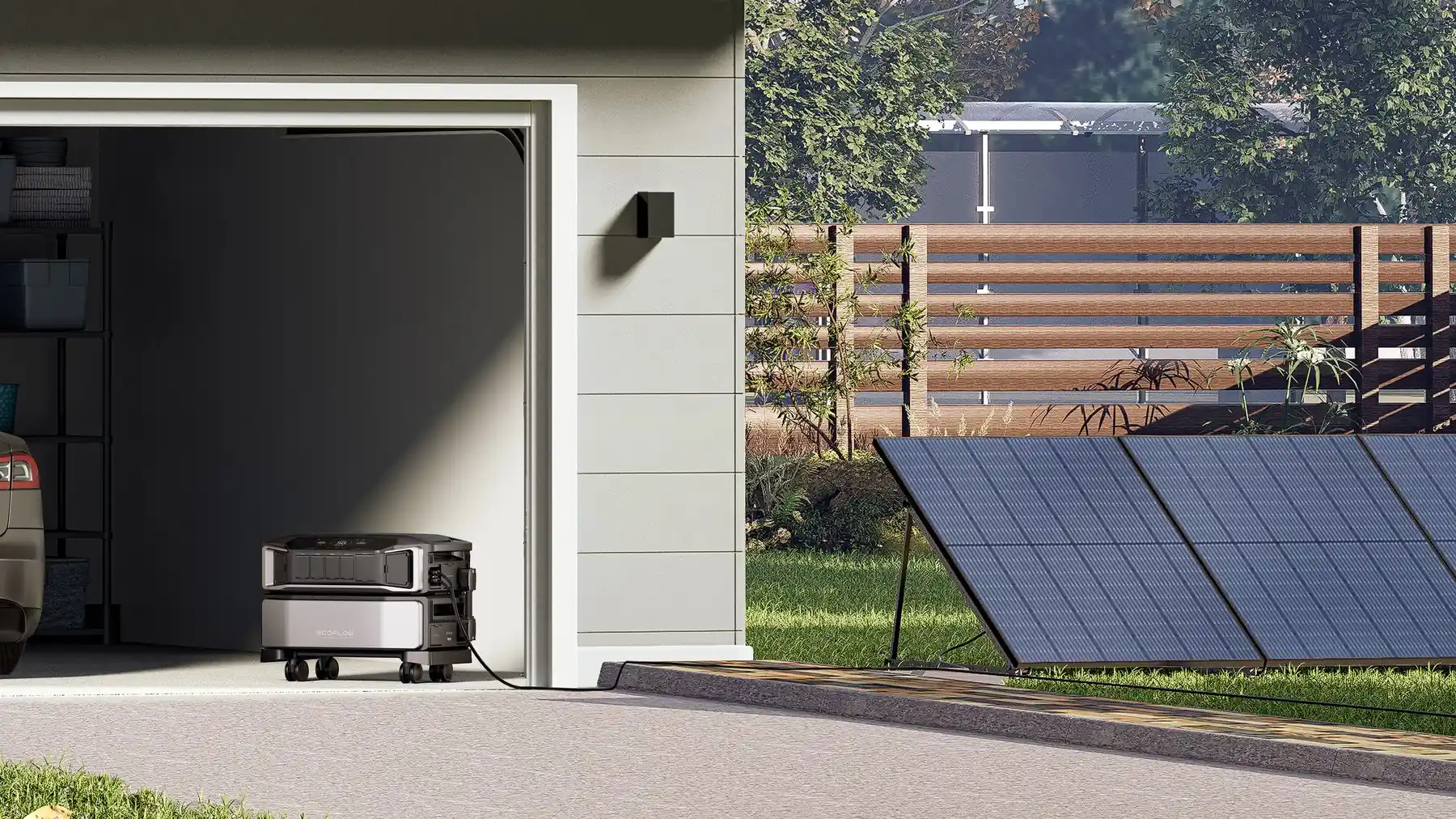
The installation location must satisfy applicable codes as well as the manufacturer’s clearance, temperature, ventilation, and weather requirements. A garage, utility room, basement, or approved outdoor wall may work, provided it meets the manufacturer’s clearance, ventilation, weather, and temperature rules.
Avoid floodwater, direct vehicle impact, extreme heat, and piles of combustible storage. In a flood-prone Florida neighborhood, for instance, mounting height may matter just as much as available wall space.
Connect the Solar Panels, Battery, and Home Electrical System
Whether the design is AC-coupled or DC-coupled, the broad path looks like this:
Solar Panels → Inverter/Battery → Electrical Panel → Home Loads
The system may include disconnects, overcurrent protection, a transfer switch or gateway, and a panel for essential circuits. During an outage, this hardware isolates the home from utility lines and routes battery power safely.
Never try to feed a battery into house wiring through a homemade connection. Backfeeding can injure line workers, ruin equipment, and cause a fire.
Complete Inspection and System Testing
Local inspection and utility approval may be required before the system is turned on. Once permission is in place, the installer should test solar charging, battery discharge, monitoring, and the switch into backup mode.
The final walkthrough should cover more than the monitoring app. Ask the crew to simulate an outage. Check which circuits work, where the charge appears, what alerts mean, and how to shut down. Make sure everyone who may use the system understands these steps before an outage occurs.
How Much Does It Cost to Install a Solar Battery?
There is no single installation price that accurately represents every U.S. household. A straightforward essential-circuit project may land in the lower five figures. Larger backup systems, especially those needing panel or service work, can pass $20,000.
Battery and System Equipment Costs
The battery is often the largest hardware expense, but a project may also need an inverter, gateway, disconnects, wiring, mounting equipment, and a backup-load panel.
Additional capacity can extend runtime, while higher output supports larger simultaneous loads. Expansion helps when today’s budget is tight, but ask what another battery and the later labor would cost.
Labor and Electrical Installation Costs
A compatible unit near a modern panel is usually easier to install. Long wire runs, multiple batteries, cramped space, or an older panel add labor and materials.
Retrofits may uncover hidden work, such as moving circuits or replacing an inverter. Labor rates also vary. A Phoenix quote won’t necessarily resemble one from Boston.
Permits, Inspection, and Electrical Upgrades
Permanent installations commonly require permits, inspection, and utility approval. An older home may first need grounding work, a larger panel, or a service upgrade.
The National Renewable Energy Laboratory’s residential battery cost model reflects that broader picture. Installed storage costs include engineering, field labor, permitting, inspection, and interconnection, not just battery cells.
Solar Battery Installation Cost Breakdown Table
These are planning ranges, not a national price list:
| Cost category | Illustrative range |
|---|---|
| Battery and related equipment | $6,000–$15,000+ |
| Labor and electrical work | $1,000–$4,000+ |
| Permits, inspection, and interconnection | $200–$2,000+ |
| Backup panel or transfer equipment | $1,000–$4,000+ |
| Electrical service upgrade, if needed | $2,000–$6,000+ |
| Potential installed total | $8,000–$25,000+ |
The real solar panel battery installation cost depends on the equipment and the house. Request itemized quotes. Incentives change, so verify federal, state, and utility programs with an official source or tax professional before counting them.
Read bids line by line. Similar totals can hide different scopes. One may include permits, commissioning, monitoring, and a backup panel while another does not. Ask who pays for inspection corrections and future warranty labor.
What Size Solar Battery Does Your Home Need?
The right size carries the chosen loads for the desired time. A neighbor’s battery is not much of a shortcut, even if the houses share a floor plan.
Calculate Your Essential Home Loads
For a first estimate:
Appliance wattage × operating hours = watt-hours required
A 100-watt device used for five hours needs about 500 watt-hours. For cycling appliances such as refrigerators, measured daily use is more useful than rated wattage multiplied by 24.
Add priority loads, leaving room for inverter losses and surprises. Then check overlap. If several motor-driven appliances may start together, the output and surge ratings must cover that moment.
A basic spreadsheet works. List running watts, hours, and likely overlap for each device. Calculate summer and winter separately; heating, cooling, and shorter days can change the result.
Choose Between Essential-Load and Whole-Home Backup
Whole-home backup sounds simple until large loads enter the calculation. Many households would rather keep a refrigerator, Wi-Fi, lights, and perhaps a pump or medical device running longer. An essential-load panel makes that choice clear.
For more focused backup, the EcoFlow DELTA Pro 3 Portable Power Station is one option. It has 4,096Wh of base capacity, 4,000W of rated AC output, split-phase 120V/240V capability, and up to 2,600W of supported solar input. Available output modes and connections depend on the system configuration and compatible accessories. Compatible equipment can expand the capacity later.
Running central air, kitchen appliances, and broader household circuits calls for a different scale. The EcoFlow DELTA Pro Ultra Whole-Home Backup Power begins with 6,144Wh in a one-battery setup. One inverter supplies 7.2kW of 120V/240V output and accepts up to 5.6kW of solar input. With the appropriate components and design, it is aimed at more extensive home backup.
Runtime will never be one fixed number for either product. It changes with appliance demand, startup loads, the battery configuration, and incoming solar power. A permanent connection to household circuits still requires compatible transfer equipment and professional installation.
How Do You Maintain a Solar Panel Battery System?
Most modern systems need little day-to-day attention. Still, an occasional app check and quick look at the equipment can reveal trouble before the next outage.
Monitor Battery Performance and System Health
Occasionally check the charge level, solar input, home demand, and system alerts. Some loss of capacity over the years is normal. A sudden change in runtime or charging behavior is not something to ignore.
Keep the Battery Installation Area Clean and Suitable
Keep the area dry and reasonably clear. Don’t block vents or turn required clearance space into storage. Outdoor units should remain protected from flooding, impacts, and weather outside their listed operating range.
Inspect Electrical Connections and Solar Components
Without opening anything, look for damaged conduit, corrosion, pest activity, loose rooftop hardware, or obvious wiring problems. Leave sealed and high-voltage compartments alone. Warning lights, unusual heat, a new odor or noise, and a sharp drop in output all justify a service call.
Follow the Battery Manufacturer’s Maintenance Guidelines
Follow the manufacturer’s directions for updates, charging, storage, and service. Keep permits, warranty records, model numbers, installer details, and system drawings together. That folder may save a technician considerable time later.
Conclusion
A successful solar panel and battery installation starts with the household, not the product catalog. Decide what must keep running, how long it needs to run, and what the solar array can realistically replace each day.
Compatibility, location, permits, and panel upgrades shape the rest. Compare itemized bids and ask contractors to explain their assumptions. A properly sized system can use more rooftop solar and provide backup that fits the way the home is actually lived in.
FAQ
Can You Add a Battery to an Existing Solar Panel System?
Usually, yes. The best retrofit depends on the current inverter, panel capacity, array layout, and the circuits selected for backup.
Some homes can add an AC-coupled battery without replacing the solar inverter. Others need a hybrid inverter, gateway, or essential-load panel. Inspect the existing system before ordering, particularly if it is older.
Do You Need a Professional to Install a Solar Battery?
For a battery tied into household wiring or the grid, yes. Professional installation is strongly recommended and often required because high voltage, permits, code compliance, and utility isolation are involved.
Where Should a Solar Battery Be Installed?
A garage, basement, utility room, or approved exterior spot may be suitable. It must meet the manufacturer’s temperature, clearance, ventilation, and weather rules while staying clear of floodwater, vehicle impact, and combustible clutter.
How Many Solar Batteries Do You Need to Power a House?
There is no house-wide rule. One battery might comfortably cover a refrigerator, Wi-Fi, lights, and a few outlets. Whole-home or multi-day backup often requires several units.
Daily use is only part of the answer. Runtime, simultaneous output, surge demand, and solar production matter too. Keeping essentials alive overnight is far easier than cooling an Arizona home all afternoon.
Is It Better to Install Solar Panels and a Battery at the Same Time?
Often, but not always. A combined project lets the contractor design the array, inverter, wiring, and storage as one package, which can simplify permits and avoid duplicate labor.
Adding storage later is practical when the original equipment supports it. A retrofit may require another permit, new wiring, a backup panel, or a different inverter. If storage is likely, ask the first installer exactly what “battery-ready” means.
For press requests or interview opportunities, reach out to our media team
media.na@ecoflow.com