EV Home Charger Tax Credit Expires June 30, 2026: How to Claim Before the Deadline
- EV Charger Tax Credit 2026 Basics: What It Covers and Who It Helps
- Eligibility Rules That Can Make or Break Your Claim
- What Costs Qualify and How Much You Can Claim
- How to Claim the Credit: Documents, Form 8911, and Timing
- Beyond the Federal Credit: Stacking State Incentives and Planning a Smarter Home Charging Setup
- Frequently Asked Questions
- Claim the Credit While It’s Still Available and Build a More Resilient Charging Plan
As electric vehicle adoption continues to grow across the United States, homeowners have had access to valuable federal incentives that help reduce the cost of installing home charging equipment. One of the most significant benefits is the federal EV charger tax credit, which can offset a portion of both equipment and installation costs.
However, this incentive is scheduled to expire on June 30, 2026, which makes now an important time for eligible homeowners to understand the requirements and take action before the deadline passes.
EV Charger Tax Credit 2026 Basics: What It Covers and Who It Helps
The federal EV charger tax credit, officially known as the Alternative Fuel Vehicle Refueling Property Credit, allows eligible taxpayers to claim a tax credit equal to 30% of qualified charging equipment and installation expenses. For residential installations, the maximum credit is generally capped at $1,000.
Unlike a rebate that provides money upfront, this incentive is a nonrefundable tax credit that reduces your federal tax liability. If you qualify, the credit can significantly lower the total cost of adding a Level 2 home charging station and make charging at home more practical.
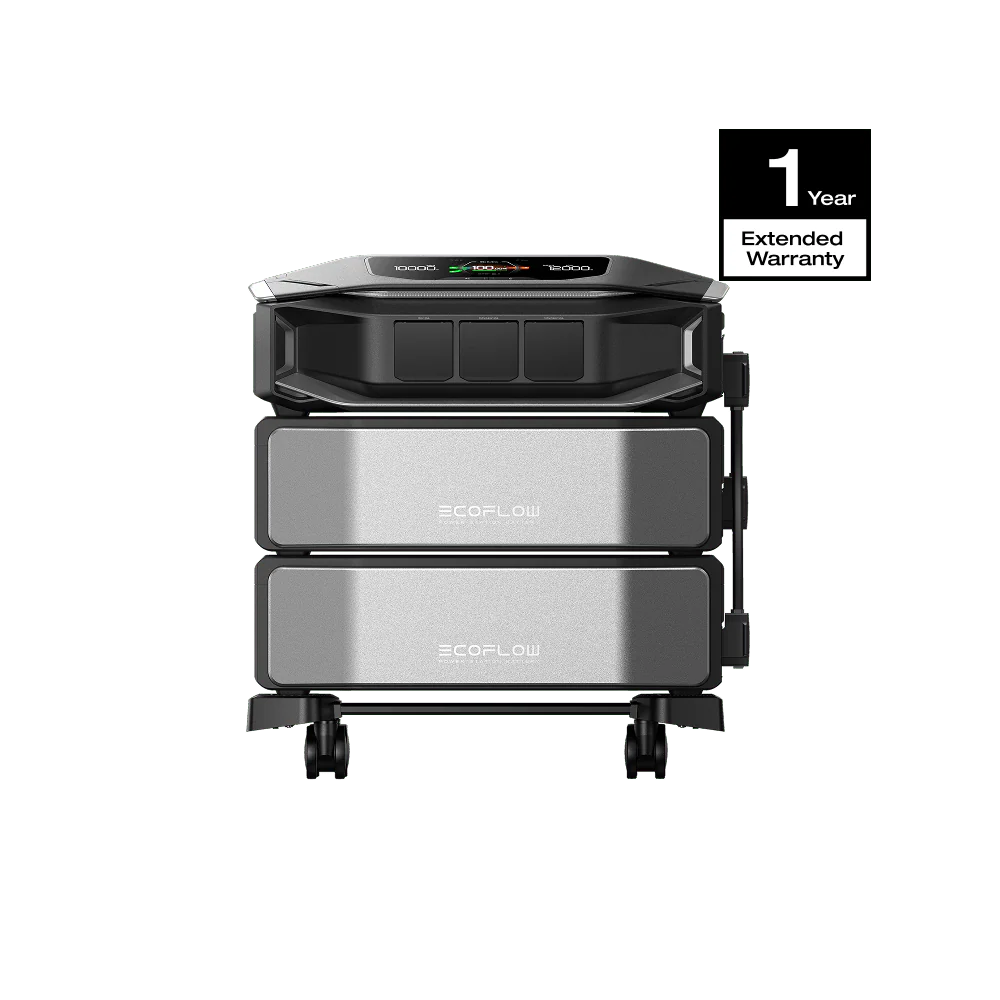
Homeowners who are also planning to add battery backup alongside their EV charger (for example, an EcoFlow DELTA Pro Ultra X to support household loads and EV charging during outages) may find additional federal and state incentives available for those systems as well.
Eligibility Rules That Can Make or Break Your Claim
Meeting the eligibility requirements is critical because even a small oversight can result in a denied credit.
One of the most important requirements involves location. Since the Inflation Reduction Act updated the program, residential EV charger installations must be located within a qualifying low-income or non-urban census tract. Many homeowners assume they automatically qualify, but eligibility depends heavily on where the charging equipment is installed.
The charger must also be placed into service before June 30, 2026. It must be installed at a property used as a residence, and you should maintain records demonstrating that the equipment was installed and operational during the tax year in which the credit is claimed.
What Costs Qualify and How Much You Can Claim
The credit generally covers both the charging equipment itself and the costs associated with installation.
Qualified expenses may include the purchase price of the charging station, electrical wiring upgrades directly related to the installation, labor costs, permitting fees, and inspection charges. Because installation expenses can represent a substantial portion of the total project cost, including them can increase the value of the credit.
For example, if a homeowner spends $2,500 on a charger and installation, a 30% credit could reduce their federal tax liability by $750. If total qualified costs reach $4,000, the credit could equal $1,200, although residential claims are generally limited to a maximum credit of $1,000.
How to Claim the Credit: Documents, Form 8911, and Timing
Claiming the EV charger tax credit requires proper documentation and tax filing procedures.
You should retain invoices, receipts, contractor agreements, proof of payment, permits, and any inspection records associated with the installation. These documents help establish both the cost and the date the equipment was placed into service.
To claim the credit, you must complete IRS Form 8911 and submit it with your federal income tax return. The form calculates the allowable credit based on qualified expenses and applicable limitations.
Beyond the Federal Credit: Stacking State Incentives and Planning a Smarter Home Charging Setup
Depending on where you live, utility companies may provide rebates for Level 2 chargers, discounted charging rates during off-peak hours, or incentives for smart charging equipment. Some state programs can provide hundreds or even thousands of dollars in additional savings.
Many homeowners also evaluate battery storage systems that can support both household loads and vehicle charging. If you're wondering whether solar panels can charge an electric car, the answer is yes, and pairing an EV charger with solar and home battery storage can reduce long-term energy costs. Knowing how to size a solar EV charging system can help you plan the right setup for your home.
Frequently Asked Questions
When Exactly Does the EV Charger Tax Credit End, and What If My Installation Isn’t Finished by Then?
The current federal EV charger tax credit is scheduled to expire on June 30, 2026. To maximize the likelihood of qualifying, the charging equipment should be fully installed and placed into service before that date.
How Do I Know If My Home Qualifies Based On Census Tract Rules?
Eligibility depends on whether your property is located within a qualifying low-income or rural census tract. Homeowners can verify eligibility using federal mapping tools and IRS guidance.
What Expenses Count Toward the Credit, and What Doesn’t Qualify?
Qualified expenses typically include charging equipment, installation labor, wiring directly related to the charger, permits, and inspections. Vehicle purchases, routine maintenance, electricity costs, and unrelated home electrical improvements generally do not qualify.
Can I Combine the Federal Credit with State or Utility Rebates?
In many cases, yes. Homeowners may be able to combine federal tax credits with state incentives, utility rebates, or local programs, depending on the rules governing each incentive.
Claim the Credit While It’s Still Available and Build a More Resilient Charging Plan
If you're planning to integrate EV charging into a broader home energy strategy, now is a good time to explore solutions that combine solar power and backup storage.
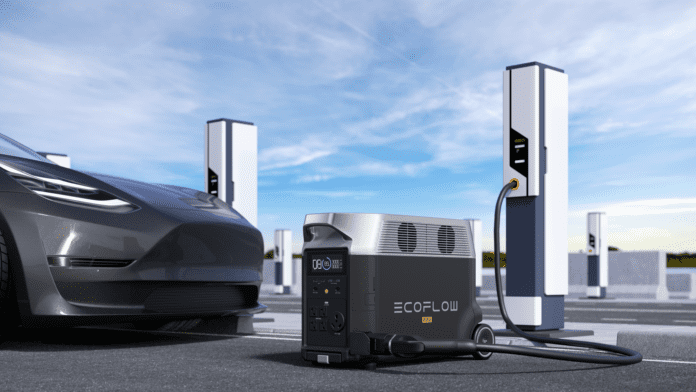
Whether you drive an electric car, own an e-bike, or take an electric RV on the road, power needs extend beyond the vehicle itself. The EcoFlow DELTA Pro travels with you and recharges fully at any EV charging station in just 1.7 hours.
If whole-home resilience is part of your plan, explore how a whole home generator from EcoFlow can keep your household, and your EV charger, running through extended outages.
For press requests or interview opportunities, reach out to our media team
media.na@ecoflow.com