When Is The First Freeze In My Area? A 2026 Guide By Region
The forecast called for 35°F, but the lawn is white when you open the curtains the next morning. It happens. The official reading comes from a thermometer several feet above the ground, while grass, leaves, and car roofs can cool more quickly overnight. Those surfaces may collect frost even though the air at the weather station never quite reached freezing.
A freeze has a more specific meaning: the measured air temperature fell to 32°F or below. Figuring out when that will first happen in 2026 is less straightforward. Even towns in the same county may get there on different nights.
Long-term NOAA records are useful for planning, but they are not a forecast. Treat the dates below as the point when it is worth checking the nighttime low more often.
When Can You Expect the First Freeze in Your Area in 2026?
Statewide freeze dates hide a lot. A home near Lake Michigan is in a different setting from a farm 30 miles inland. A valley floor can turn frosty while houses farther up the slope stay warmer. Downtown pavement holds heat after sunset; an open field does not.
For a search such as “first freeze in my area,” a nearby station is more useful than a statewide date.
The regional windows below are based on NOAA’s first-fall-freeze climatology, using the 1991–2020 U.S. Climate Normals. They show typical historical timing rather than a date-specific forecast for 2026.
Region | Typical First Freeze Window | Key Factors Influencing Timing |
Northwest | September to November | Elevation, inland exposure, and the milder influence of the Pacific and Puget Sound |
Southwest | September to December or later | Elevation, latitude, and the moderating effect of warm desert and coastal climates |
Midwest | Mid-September to Early October | Latitude, Great Lakes warmth, and the contrast between cities and open country |
Northeast | Early September to early October | Northern mountains and valleys freeze first; coastal and urban areas tend to run later |
South | October to December, with some places rarely freezing | Appalachian elevation, distance from the Gulf, and the warmth of southern Florida |
These ranges refer to the first typical reading of 32°F or below. They do not determine a first frost date. Frost sometimes develops with the air temperature in the mid-30s. At the other end of the scale is a hard freeze, generally around 28°F or colder for several hours. That is the kind of cold that finishes off many annual plants.
To estimate the first hard freeze in my area, use local 28°F climatology rather than the broader 32°F freeze window.
Northwest: September To November
Fall does not arrive evenly across the Northwest. Idaho mountain valleys, the higher Cascades, and colder inland locations may dip below freezing during September. West of the Cascades, many lowland communities in Washington and Oregon wait until late October or November.
The Pacific Ocean and Puget Sound take some of the edge off cold nights near the water. That benefit fades inland. Cold air also drains into low ground after sunset, so the garden at the bottom of a hill may frost before the one halfway up it.
Southwest: September to December or Later
Someone in Flagstaff may be covering tomatoes while Phoenix is still having pool weather. Elevation explains much of that difference. Northern Arizona, Nevada, Utah, Colorado, New Mexico, and other high-country locations may record their first freeze between September and November. Drive downhill or farther south, and the calendar changes quickly.
Most of California and southern Arizona outside the higher elevations may not record their first freeze until at least December. Central Phoenix, warmer parts of the Las Vegas Valley, and sections of southeastern California may wait even longer, while some neighborhoods avoid freezing temperatures all winter. Desert air can still cool quickly after sundown, particularly beyond built-up urban areas.
Midwest: Mid-September To Early October
The first freezes usually work south through the Midwest. Northern Minnesota, North Dakota, and colder parts of Wisconsin may get one in September. Late September to early October is a better bet across Iowa, Illinois, Indiana, Ohio, Kansas, and Missouri, although the exact timing varies by location.
The Great Lakes keep nearby shorelines milder early in the season, and cities hang on to daytime heat. A farm outside the suburbs can therefore freeze while the city station reports 34°F.
Northeast: Early September To Early October
Northern parts of the Northeast can see their first freeze as early as September, while much of the region typically reaches its first freeze from mid-September to early October. Timing can vary considerably by location. Coastal and urban areas often freeze later than rural and inland locations because nearby water and built-up surfaces can moderate nighttime temperatures.
South: October To December
Elevation puts the higher southern Appalachians first, sometimes during October. Interior sections of Tennessee, North Carolina, northern Georgia, Arkansas, and Oklahoma are more likely to freeze in late October or November.
The Gulf Coast may wait until December. Central and southern Florida do not freeze every year, and NOAA’s regional records list no recorded freeze in the Florida Keys. That does not make a rare cold snap harmless. Warm-climate landscaping is vulnerable, and water lines may be exposed in ways that would be unusual farther north.
How Can You Know When A Freeze Is Approaching?
Once the normal window gets close, watch the actual weather. Clear skies let the ground lose heat after sunset, while light wind allows cold to settle near the surface. Frost can show up even when a weather app says 35°F.
Track Official NWS Forecasts And Local Bulletins
Go to weather.gov and enter your address. The point forecast is tied to a much smaller area than the broad city forecast shown by many apps. Open the hourly view and look at how the temperature changes through the night.
Duration matters. One hour at 31°F just before sunrise is not the same as an entire night below freezing, and the hourly chart makes that distinction easy to see.
When the forecast is close, read the local Area Forecast Discussion. Forecasters may mention clouds clearing early, wind fading near dawn, or sheltered valleys likely to run colder.
Remember that the official thermometer is not sitting on your lawn. It is mounted above the ground in a standardized setting. A leaf, windshield, or patch of grass may cool faster, which is why visible frost and a reported low above 32°F can both be accurate.
Frost Advisory vs. Freeze Watch vs. Freeze Warning
The National Weather Service issues these products during the locally defined growing season. Criteria vary somewhat from one forecast office to another, so read the notice instead of relying only on its title.
Frost Advisory: Areas of frost are expected or occurring, posing a threat to tender vegetation. Air temperatures may remain above freezing.
Freeze Watch: Significant, widespread freezing is possible within the next 24 to 36 hours, but the occurrence, location, or timing remains uncertain. Find the plant covers and deal with hoses or exposed water lines now.
Freeze Warning: Widespread temperatures of 32°F or below are expected during the locally defined growing season and may damage unprotected plants.
After the locally defined growing season ends, a local office may stop issuing routine frost and freeze alerts until spring. Another 25°F night will still appear in the regular forecast, but it may not prompt a separate Freeze Warning.
Set Up Weather App Notifications
Check the saved location before trusting an alert. If the app is following downtown rather than your home outside the city, the expected low may be a few degrees off.
Turn on official weather notifications, but take a quick look at the overnight forecast yourself when plants, animals, or plumbing are at risk. A battery-powered NOAA Weather Radio is a useful fallback if a storm later interrupts internet or cell service.
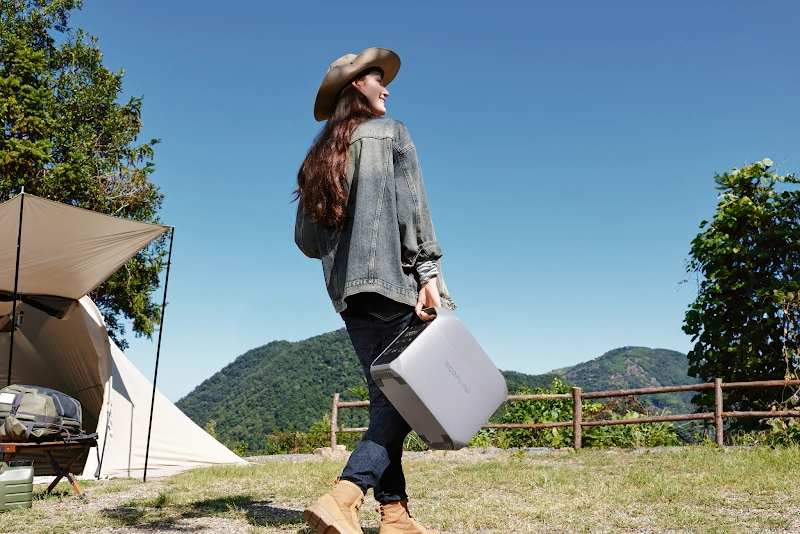
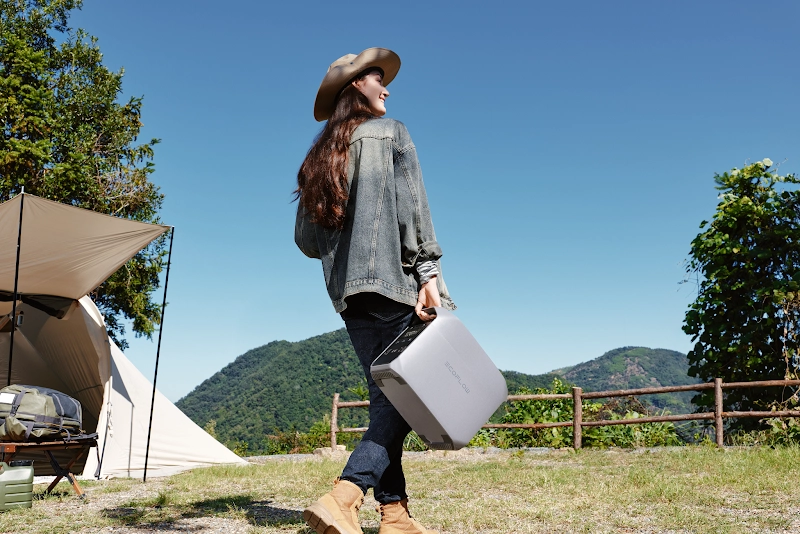
If a freeze-related outage occurs, a portable power station can keep compatible phones, weather radios, and communication devices charged.
What Damage Can a Freeze Cause Around Your Home?
Time below freezing, wind exposure, insulation, and moisture all affect the outcome. Plant damage may be obvious at breakfast; a split pipe might stay hidden until the thaw.
Frost Damage to Plants and Vegetation
Frozen leaves can look normal in the dark and collapse once the sun comes up. As they thaw, they may turn limp, dark, or slightly translucent. Tomatoes, basil, peppers, tropical plants, flowering annuals, and fresh citrus growth are especially easy to damage.
Wait before reaching for the pruners. Damaged leaves do not always mean the roots or woody stems are dead, and cutting immediately may expose living tissue before another cold night. Let everything thaw, then consult local extension guidance.
Frozen and Burst Pipes
Water expands about 9% when it freezes, but the pressure created beside an ice blockage is often what breaks the pipe. Liquid water becomes trapped between the blockage and a closed faucet. As more ice forms, the pressure in that section climbs until a fitting or weak point fails.
The ice can plug the opening until the line warms again. Check pipes in exterior walls, garages, attics, crawl spaces, and cabinets against outside walls.
Wind chill does not lower a pipe below the actual air temperature. That term describes the effect of moving air on exposed skin. A cold draft can still make plumbing lose heat faster, so seal obvious gaps around utility lines and wall penetrations.
If a faucet slows to a trickle, leave it open and inspect the accessible line. Warm the pipe gradually, starting near the faucet, with a hair dryer, heating pad, or warm towels. Never use a torch. If the pipe has split, close the main water valve. Keep away from standing water that may have reached wiring or appliances. Complete frozen pipe prevention before temperatures fall, especially around exterior walls, garages, attics, and crawl spaces.
Increased Strain on Heating Systems
The first cold spell has a way of finding the furnace problem nobody noticed in August. The system may start with weak airflow, or the heat pump may run for hours without reaching the thermostat setting.
Look at the filter first. If it is clean and the problem continues, repeated shutdowns, ignition trouble, blocked vents, or odd sounds belong to a service technician. Do not forget that most fuel-burning systems still need electricity: a gas furnace uses controls and a blower, and a boiler may need circulation pumps.
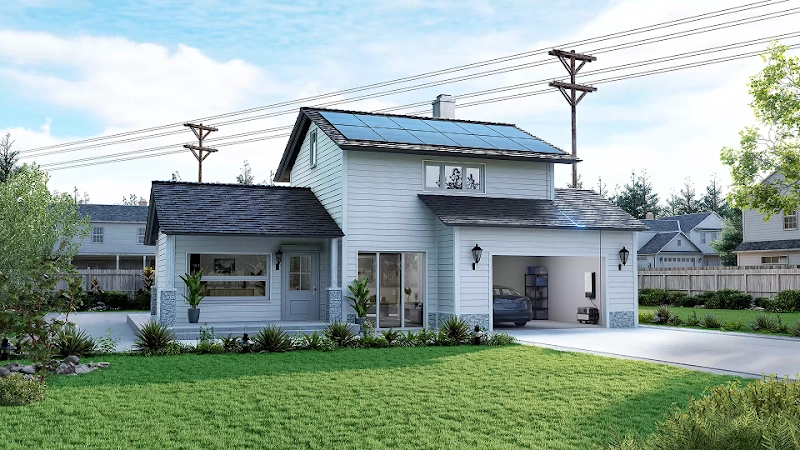
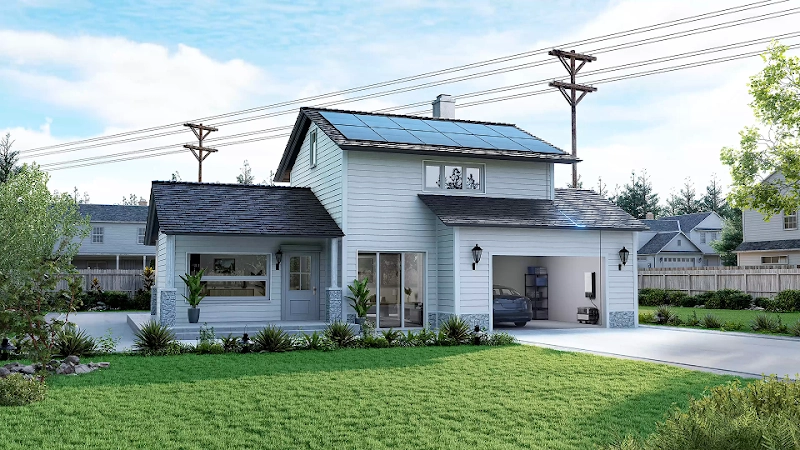
The EcoFlow DELTA Pro Ultra Whole-Home Backup Power provides 7.2 kW of continuous output. In a properly designed setup, it can support compatible heating components and selected household loads within that limit. Startup demand, equipment voltage, and other loads must be included in the plan. A permanent connection to home circuits requires approved transfer equipment and professional installation.
Cracks in Concrete and Masonry
One frosty morning is unlikely to ruin a sound driveway. Damage builds through repeated cycles as water enters a pore or crack, freezes, expands, and thaws.
Drainage helps. Redirect downspouts that empty onto walks, steps, or patios, and deal with places where water regularly sits. Fresh concrete is a separate case; follow the contractor’s cold-weather curing instructions.
How Should You Prepare Your Home Before the First Freeze?
Do not save every job for the evening a warning appears. Handle hoses, faucets, irrigation equipment, and exposed pipes a day or two earlier. Then check plants, heating, alarms, and outage supplies.
For households that depend on electric heating controls or medical equipment, a home battery can be part of a broader outage plan.
Winterize Outdoor Faucets and Water Pipes
Take the garden hose off every faucet, drain it, and put it away. A hose left attached can hold water in the connection or keep a frost-free faucet from draining through its long barrel. The resulting crack may be behind the siding rather than somewhere you can see.
If the faucet has an indoor shutoff, close it and empty the exterior section. Add an insulated cover after it drains. Check garages, crawl spaces, and other unheated areas for bare pipe or loose insulation.
Irrigation systems vary. Some drain by design; others need a compressed-air blowout. Too much pressure can damage a valve or cause an injury, so follow the manufacturer’s procedure or call an irrigation professional if the method is unclear.
Keep the main water shutoff accessible and show other adults how it works. Have a corroded or stuck valve repaired before an emergency.
Once the weather thaws, check around the inside of each exterior faucet. A damp patch, stain, drip, or unexplained sound of running water may be the first sign of a break inside the wall.
Protect Outdoor Plants
Pots lose heat quickly, so move tender ones first. Herbs, citrus, tropical plants, and seasonal flowers can go into a garage, enclosed porch, or another protected space. Check for insects before bringing them into a heated room.
For plants that remain outside, use frost cloth, burlap, or an old bedsheet. Support it with stakes around delicate stems and let it reach the soil so it can trap some warmth from the ground.
Cover the plants before the evening turns cold and secure the edges. Do not lay ordinary plastic directly on the foliage. Remove or vent the cover once the day warms. If the soil is dry, water earlier in the afternoon rather than soaking the leaves at dusk.
Seal Interior Drafts and Optimize Home Heating
Check around exterior doors and windows for moving air. Worn weatherstripping, a loose door sweep, and gaps around stationary trim are usually straightforward repairs. Avoid sealing the small drainage openings built into some window frames.
Replace a dirty HVAC filter with the size and type specified for the equipment. Move furniture and rugs away from registers and return grilles. Rattling, short cycling, weak airflow, or trouble holding the set temperature are good reasons to schedule service before the next cold front.
Test smoke and carbon monoxide alarms. Keep portable heaters clear of combustible material and plug them directly into an appropriate wall outlet. Inspect fireplaces and fuel-burning heaters as needed.
If the ceiling-fan maker recommends a winter setting, use it at low speed. The idea is to circulate warm air, not create a noticeable draft.
A winter preparedness checklist can help organize weatherproofing, heating checks, plumbing protection, and outage supplies before colder weather arrives.
Prepare Backup Power for Winter Outages
A calm freezing night usually does not take down the grid. Freezing rain, wet snow, or wind is more likely to cause trouble. Still, the first-freeze window is an easy reminder to charge the battery and test the outage plan.
List what really needs power: medical equipment, communication, a few lights, refrigeration, and essential heating controls. Check device labels because compressors, pumps, and motors may surge when starting.
Try the setup before winter. Plug in the refrigerator, router, lamp, medical device, or other equipment you intend to use and make sure the unit handles it. Put the correct cords and adapters beside the battery afterward. A test also makes one tradeoff obvious: an electric space heater can use the energy that would run small electronics for many hours.
The EcoFlow DELTA 3 Classic Portable Power Station includes Storm Guard Mode. When the feature is enabled and properly configured, a qualifying extreme-weather alert can prompt the unit to begin charging ahead of an outage. Check the app permissions, saved location, connection, and charge level beforehand.
Keep the power station dry and within its temperature and ventilation limits. Do not plug it into a household wall outlet to power home wiring. Fixed circuits require compatible transfer equipment.
Conclusion
A first-freeze map gives you a planning window, not an appointment. In 2026, your first 32°F night may come early, or mild fall weather may hold it off for weeks. Your own yard can also run colder than the station behind a weather app.
Use the regional date as a reminder to start watching. When freezing weather finally appears in the local forecast, disconnect the hoses, deal with the tender plants, make sure the heat starts, and test the backup equipment. None of those jobs is especially difficult on a comfortable afternoon. They are a different story after dark, with the temperature falling.
FAQ
What's The Difference Between First Frost And First Freeze?
Frost can form even when the measured air temperature remains above 32°F, especially on clear, calm nights when exposed surfaces cool below freezing. A freeze, by contrast, occurs when the measured air temperature reaches 32°F (0°C) or below. Frost mainly singes tender plant foliage, whereas a hard freeze penetrates deeper, threatening uninsulated plumbing and perennial root systems.
How Long Does The First Freeze Usually Last?
The first seasonal freeze often lasts only a few hours, with the lowest temperatures occurring before sunrise. However, duration varies by region and weather pattern. In colder northern, inland, or higher-elevation areas, freezing temperatures may persist longer or continue for several nights.
How Long Do You Wait Until Plants Are Cut After A Freeze?
Avoid pruning immediately after a freeze. Let the plant thaw and wait until the extent of the damage becomes clear. For many perennial and woody plants, major pruning is best delayed until the risk of further hard freezes has passed, but timing varies by species and climate, so check local extension guidance.
At What Temperature Do Pipes Freeze?
Pipes can freeze whenever the water inside them is exposed to below-freezing conditions long enough. The risk rises significantly during prolonged cold, particularly for pipes in exterior walls, crawl spaces, attics, and unheated garages. Outdoor temperatures around 20°F or below are commonly treated as a higher-risk condition, but there is no single outdoor temperature at which every pipe will freeze.
For press requests or interview opportunities, reach out to our media team
media.na@ecoflow.com