Sump Pump Not Working? Common Causes, Fixes & What to Do During a Power Outage
A sump pump is easy to forget about until you hear it struggling—or notice that it has gone quiet during a hard rain. Look into the basin and the water may already be creeping toward the rim. There is still time to act, but not much time to experiment.
Silence does not automatically mean that the motor is finished. The outlet may have tripped. The float may be caught on a cord, or mud may be blocking the intake. A pump that runs without lowering the water presents a different problem. In that case, the trouble is often in the impeller, check valve, or discharge pipe.
Before reaching for the plug, look at the floor. Water anywhere near a receptacle, appliance, cord, or electrical panel changes the situation. Do not wade across it. Cut the power only if the shutoff is accessible from a dry place; otherwise, leave the area and call an electrician or emergency service.
Why Is My Sump Pump Not Working?
The sound is a useful starting point. No sound at all sends you toward the breaker, receptacle, plug, and float switch. A steady hum often means the motor is trying to turn against an obstruction. If the motor sounds normal but the water hardly moves, follow the discharge line instead of assuming the pump itself has failed.
Take a moment to see where the water stands and whether it is rising. Then listen through one attempted cycle. Those two details usually tell you where to begin.
No Power to the Pump
Begin at the receptacle. The breaker may have tripped during the motor’s startup surge, a GFCI may have opened, or the plug may simply have worked loose. Pumps with a piggyback float switch have two connected plugs, and either connection can be disturbed while boxes or laundry are moved around the basement. If outages are common in your area, a battery backup sump pump can provide a separate pumping option when the primary unit loses power.
Reset a tripped breaker or GFCI once, provided your hands are dry and you are not standing in damp or pooled water. Never touch electrical equipment, outlets, or cords if water has reached the area around them. If the breaker or GFCI trips again, stop resetting it. Repeated trips may indicate moisture intrusion, damaged wiring, an overloaded circuit, or an internal pump fault that requires professional inspection.
Stuck Float Switch
The float is the pump’s on-off control. As water rises, the float rises with it and closes the switch. That simple motion can be interrupted by the basin wall, a cord, the discharge pipe, or debris floating in the pit.
The pump may twist slightly each time it starts until a once-clear float rubs against the basin. Tethered floats need a clear arc; vertical floats need an unobstructed path. Mineral buildup can make either style sluggish.
If moving the float starts the pump, reposition the unit and secure loose cords. Never tie or tape the float in the on position; a pump left running after the pit empties can overheat.
Clogged Pump or Impeller
The water in a sump pit is rarely clean. It brings in sand and fine gravel, and an uncovered basin may collect hair, insulation, plastic, or whatever else finds its way across the basement floor. Most of that material settles. It only takes one well-placed piece to block the intake or keep the impeller from turning.
A jammed unit may hum without pumping, cycle on thermal protection, or make a grinding sound. Disconnect power before reaching into the basin or lifting the unit. Once it is out, inspect the inlet screen and the area around the impeller according to the owner’s manual. A stick or pebble may be easy to remove; a cracked housing, damaged impeller, or seized shaft is a replacement job.
Blocked Discharge Line
The pump can be healthy and still lose the fight if the discharge line is blocked. Leaves can cover the outdoor outlet. Ice can close a poorly pitched exterior section. A crushed flexible extension, animal nest, or plug of sediment can create the same result.
Watch what happens after the motor stops. If a large amount of water rushes back into the pit, the check valve may be missing, stuck, installed backward, or worn out. A small amount of return water can be normal, depending on the piping. A full pipe draining back every cycle is not.
Some installations also require an air-relief hole in the discharge pipe below the check valve to prevent air lock. The required hole size and location are not universal, so follow the instructions for the particular pump and valve instead of drilling one by guesswork.
Burnt-Out or Failed Motor
Sometimes the pump has simply reached the end of its working life. A sharp electrical smell, harsh bearing noise, oil leaking from an oil-filled model, or a breaker that opens the moment the motor starts all point in that direction. So does a motor that receives power but never responds.
An overheated pump may come back after its internal protection cools. Treat that as a clue, not a repair. Once the intake has been cleared, another heat-related shutdown is reason to unplug the unit and have it serviced or replaced.


How Can You Fix a Sump Pump That Is Not Working?
Work from the electrical supply to the switch, then to the pump and piping. This keeps the easy checks first and your hands away from an energized pit.
What You Notice | Likely Area to Check | Reasonable Next Step |
Pump is completely silent | Breaker, GFCI, plug, receptacle, or float switch | Test from a dry area; reset once and check the connections |
Pump starts when the float is lifted | Float travel or switch position | Clear obstructions and reposition the pump or cords |
Motor hums but little water moves | Intake, impeller, air lock, or frozen or blocked line | Unplug the pump, inspect the inlet, and check the discharge route |
Water falls, then rushes back | Check valve | Inspect its direction, movement, and condition |
Pump runs almost constantly | Heavy inflow, undersized system, recirculated discharge, or worn pump | Check outside drainage and compare the installation with the pump curve |
Breaker or GFCI trips again | Electrical fault, wet receptacle, overload, or failing motor | Stop using the pump and call a qualified professional |
Check the Outlet, Plug, and Circuit
Keep your feet and hands dry. Look at the service panel for a breaker that sits between the on and off positions, then reset it once by moving it fully off and back on. If the receptacle has test and reset buttons, press reset only if the area and outlet are dry.
Test the receptacle with a small lamp or receptacle tester. On a piggyback setup, the pump cord plugs into the back of the switch plug. Some manufacturers allow the pump plug to be connected directly to the outlet briefly as a switch test. If the motor runs, the float switch may be faulty. Check the manual first, and never leave the pump bypassed.
Extension cords are a poor permanent answer. A sump pump should be connected as its manufacturer directs, usually to a grounded receptacle and a correctly sized circuit. Have an electrician evaluate repeated trips, heat at the plug, discoloration, buzzing, or a receptacle that feels loose.
Check the Pump and Float Mechanism
The pump should sit upright and stable, with room for the float to travel through its full range. It should not rest in loose gravel or sludge. If the manufacturer allows a base or stand, use one made for the job rather than a loose brick that can shift.
Lift the float gently while staying clear of the water and moving parts. If it catches, move cords and piping out of its path. If it moves normally but the switch works only intermittently, replace the switch or pump assembly.
Clear the Pump and Discharge Line
Pull the plug before the lid comes off. If the floor around the pit is wet or nearby electrical equipment has gotten wet, that is the point to stop. Under dry conditions, lift the unit by its handle. Never haul it out by the cord or float. Clear the inlet screen, but do not open the pump housing unless the manual shows that it is serviceable.
Next, follow the pipe. Look for a wet coupling or a check valve installed with its arrow facing the pit. Go outside and find the outlet as well. Water should have a clear route downhill and away from the foundation. If it lands beside the house, some of it may circle through the soil and return to the sump.
Cold-weather trouble often starts in an exposed section that holds water after the pump stops. A sag or low spot can freeze solid. Leave the torch in the toolbox; direct flame can ruin plastic pipe and set nearby material on fire. A plumber can thaw the blockage and correct the slope that let water sit there.
Reset the Pump or Seek Repairs
When the manual mentions thermal protection, leave the pump unplugged for the recommended cooling period. Do not reconnect it until the intake and float have been checked. If it starts again, add clean water and stay for a complete cycle. The water should fall, the motor should shut off on its own, and every fitting should remain dry.
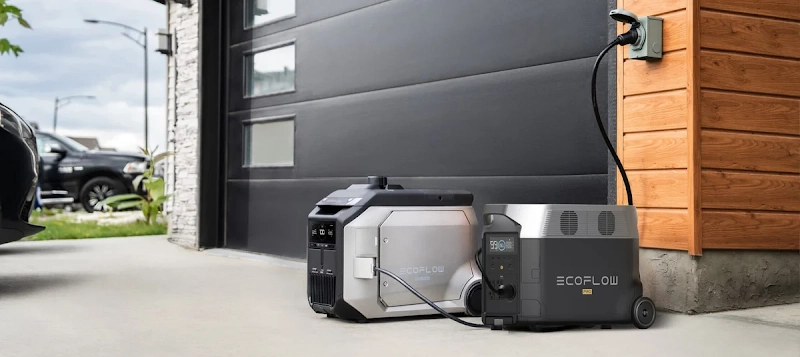
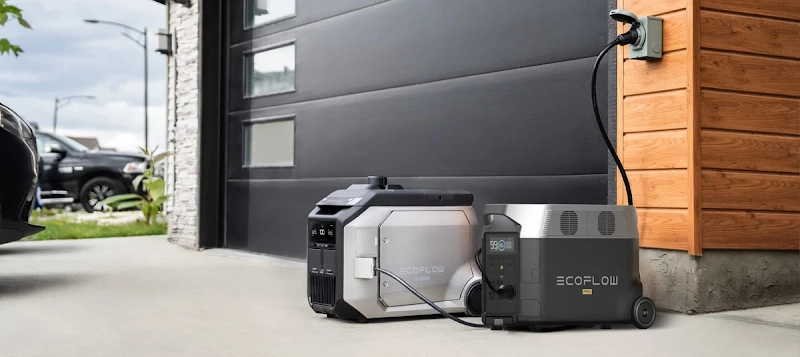
If the pump itself is working properly but the grid power is out, a portable power station can provide temporary backup power if its output and connection method are suitable for the pump.
Some problems are no longer sensible do-it-yourself work. These include wiring under water, a scorched or unusually hot receptacle, a split fitting, repeated breaker trips, and water rising too quickly to manage. Bring in the appropriate electrician, plumber, or pump technician.
What Should You Do If Your Sump Pump Stops During a Power Outage?
Rain may continue feeding the footing drains for hours after power fails. Find out how quickly the pit is filling before choosing a response.
Mark the water level and check it five or ten minutes later. If it is near the top or climbing rapidly, move valuables and call for help while arranging safe water removal.
Remove Water From the Sump Pit
A hand-operated transfer or marine bilge pump can move water without household electricity. A properly rated battery-powered transfer pump may also help. Discharge the water outdoors, downhill and far enough from the foundation that it does not flow straight back to the sump.
As long as the surrounding floor is dry, a bucket can buy time. A shop vacuum is not automatically a safe substitute; its manual must permit wet pickup, and its power source has to remain dry. Do not stretch an energized cord over damp concrete or improvise with a vehicle running in an attached garage.
Once water spreads beyond the pit and approaches a cord, outlet, or appliance, leave the area. Equipment that has been wet needs to be checked before anyone plugs it back in, even when it looks dry on the outside.
Use a Backup Power Source
A portable power station can operate many plug-in sump pumps, but the label on the pump decides whether the pairing works. Check volts, running amps or watts, and the motor’s starting requirement. The brief startup draw can be several times higher than the power used after the motor is running.
The EcoFlow DELTA 3 Max Portable Power Station has a 2,048Wh battery, 2,400W rated AC output, and 4,800W surge rating. Those figures give it room for many residential sump pumps, provided the actual pump stays within both ratings. Its 10-millisecond transfer mode may also be useful in a prearranged backup setup, but the system should be tested before a storm rather than assembled while the pit is rising.
For a longer outage, the EcoFlow DELTA Pro Portable Power Station provides 3,600Wh of base capacity and 3,600W of AC output. More battery capacity generally means more pump cycles, not a guaranteed number of hours. Groundwater inflow, vertical lift, pipe friction, battery temperature, inverter losses, and how often the pump starts all change runtime.
A rough planning calculation is:
Usable AC energy (Wh) ÷ average pump power (W) ≈ estimated runtime (hours)
The number printed on the motor is only part of the runtime calculation. A 700W pump that runs for one minute and rests for four uses much less energy than one running almost nonstop. That distinction disappears during a downpour, when the basin may refill as soon as it empties. Base the backup plan on a busy night, and keep some battery capacity in reserve.
Place the power station on a dry surface where air can circulate around it. The edge of an open sump is not a suitable spot, nor is anywhere a loose fitting could spray water. A gasoline or propane generator requires a different setup: outdoors, at least 20 feet from the building, with its exhaust facing away from openings. An open garage door does not make the garage safe for generator use.
Monitor the Water Level
Check the battery percentage, listen for normal cycles, and look for leaks. A sump pump constantly running may mean inflow exceeds its capacity or the discharge is restricted.
A high-water alarm is a small addition, but it solves an important problem: most people cannot hear that a sump pump has stopped. Place the sensor a little above the level where the pump normally starts, leaving enough room for a warning before water reaches the rim. A battery model still works in an outage. Wi-Fi or cellular alerts are useful when no one is home, provided the alarm has power and the network is available. Include the alarm, network equipment, and pump in the home’s broader home backup power plan.
How Can You Prevent Sump Pump Problems?
Most sump pump failures leave clues before the basement floods. The trick is checking when the weather is quiet enough to fix what you find.
Test the Pump Before Heavy Rain
Every few months, and again before the wet season, pour clean water into the basin until the float rises. Watch the entire cycle. The pump should start without hesitation, lower the water, shut off at the proper level, and remain off instead of chattering on and off.
Check the outdoor discharge while the pump runs. Water should leave freely, without an indoor leak or an immediate path back toward the foundation. Test the high-water alarm and backup pump at the same time.
Keep the Pump and Sump Pit Clean
Remove debris before it reaches the impeller. A clean groundwater system may need little attention, while a basin that collects sediment will need more frequent cleaning. Never direct a clothes washer into a sump unless local rules and the system design allow it.
Use a fitted lid that accommodates the piping and cords without pinching them. A sealed cover may be required when the basin is part of a radon-control system; otherwise, follow local code and the radon contractor’s instructions. The lid should still allow proper inspection and service
With the cover off, check that the pump is upright, the float is clear, and the cords are intact. Clean an air-relief hole only if the installation calls for one. A hard bang at every stop may mean the check valve or piping needs attention.
Keep the Discharge Line Clear
Walk the outdoor route after storms and during fall cleanup. Trim vegetation, remove leaves, and make sure removable extensions have not been crushed by a mower or vehicle. In winter, keep the outlet free of snow and ice.
There is no single discharge distance that fits every lot. The line must carry water far enough away and onto a slope that prevents it from returning to the foundation, while complying with local drainage rules. Do not send sump water onto a neighbor’s property, across a sidewalk, or into a sanitary sewer unless the local authority expressly allows it. If water repeatedly returns toward the foundation, review how to waterproof a basement before treating the pump as the only solution.
When Should You Replace a Sump Pump?
A pump does not have to be dead to be unreliable. Consider replacement when faults keep returning, performance has dropped, or another repair buys little confidence.
Frequent Repairs Needed
An occasional stuck float caused by a loose cord is one thing. Regular breaker trips, repeated thermal shutdowns, new grinding noises, chronic leaks, or a switch that works only when nudged indicate a system you should no longer trust unattended.
In a finished basement, replacing a doubtful pump before storm season may cost less than one failure, even if the old motor passes another test.
Inadequate Pumping Capacity
Do not choose a replacement by horsepower alone. A 1/2 HP label does not automatically make one pump better than a 1/3 HP model. Capacity depends on total dynamic head: the vertical rise, pipe diameter and length, elbows, valve resistance, and the flow rate shown on the manufacturer’s pump curve.
Measure the lift and estimate how quickly the pit fills during hard rain. Those numbers help select a pump that delivers enough flow at the actual head. Oversizing has a downside: a powerful pump in a small basin may short-cycle, wearing its switch and motor.
If ordinary storms have begun to overwhelm a pump that once kept up, look for a blocked line, failing check valve, changed grading, clogged gutters, or a new source of groundwater before assuming the motor is too small.
Signs of Age and Wear (Over 7–10 Years Old)
Seven to ten years is often used as a planning range for a residential sump pump, but it is not an expiration date. A pump that runs several times a day ages differently from one that turns on twice a year. Water quality, installation, cycling frequency, and maintenance matter as much as the calendar.
Write the installation date on the lid and keep the model number and manual nearby. In a home with a history of water intrusion, consider a separate battery backup pump. Unlike a power source alone, a second pump can also respond when the primary motor or float fails.
Conclusion
When a sump pump stops, first decide whether the area is electrically safe. Then pay attention to the symptoms: silent, humming, running without moving water, or cycling too often. That distinction points you toward the outlet, float, intake, check valve, discharge line, or motor without turning the repair into guesswork.
The best time to learn how quickly your pit fills is on a dry day with a bucket test, not during a midnight thunderstorm. Keep the float clear, inspect the discharge, test the alarm and backup, and know where water can be sent if the power goes out.
A sump pump is a small appliance doing a high-consequence job. A little attention between storms is what keeps it boring—and boring is exactly what you want from it.
FAQ
How Long Can a Sump Pump Go Without Power?
A sump pump cannot run for a single second without electrical power unless it is connected to a battery backup system or portable power station. How long your basement remains dry depends strictly on your local water table and rainfall volume; during severe storms, an unpowered sump pit can overflow in under 30 minutes.
Why Is My Basement Flooding Even Though I Have a Sump Pump?
Basements flood despite having an active pump when the pump cannot move water fast enough to keep up with the inflow, the discharge line is frozen or clogged, or the perimeter drain tiles beneath your foundation floor are cracked or blocked with silt.
Do You Need a Plumber to Replace a Sump Pump?
No, a DIY-minded homeowner with basic hand tools can usually swap out a freestanding sump pump in about an hour. If the project requires re-routing hard PVC discharge lines, installing check valves, or setting up a dedicated electrical circuit, hiring a licensed plumber is the safer path.
Can a Sump Pump Kick a Breaker out if It Runs Too Long?
Continuous operation does not automatically trip a breaker, but a pump that runs constantly may overheat or reveal an underlying electrical or mechanical problem. A jammed or failing motor can draw excessive current, while moisture intrusion, damaged wiring, or a circuit overload can also trip the breaker. If the breaker repeatedly trips, stop resetting it and have the pump and circuit inspected.
How Common Is Sump Pump Failure?
There is no single reliable annual failure rate for residential sump pumps. Failures can result from electrical outages, stuck float switches, clogged discharge lines, worn motors, or poor maintenance. Regular testing and a backup plan are more useful than relying on a general failure-rate estimate.
For press requests or interview opportunities, reach out to our media team
media.na@ecoflow.com