Heat Pump Installation Cost: What Mini-Split to Geothermal Runs
Planning to upgrade your home heating and cooling? A modern heat pump is an efficient, all-electric choice. Heat pump installation costs range from about $2,000 for a single-zone mini-split to $35,000 for a full geothermal system. The equipment type you pick makes the biggest difference in your bottom line.
This guide breaks down installation costs by heat pump type. We will cover what drives the price up or down, look at heat pump water heater costs, and share practical ways to trim the total bill.
Installation Cost by Heat Pump Type
Not all heat pumps work the same way, and that's why the price tags look so different.
A ductless mini-split uses the same core technology as a central air-source system. The difference is scale. A mini-split typically serves one room or one zone instead of the whole house. That smaller footprint is exactly why it costs less to install.
A central air-source heat pump connects to your existing ductwork. It heats in the winter and cools in the summer, all through one system. For most American homes, this is the go-to replacement for an aging furnace and AC combo.
Geothermal (ground-source) systems cost the most upfront by a wide margin. Instead of pulling heat from outside air, they exchange heat with the stable underground temperature a few feet below your yard. That stability can mean lower operating costs for years to come.
Here's a clear look at typical installed costs in the U.S. right now:
Heat Pump Type | Installation Cost | |
Ductless mini-split | $2,000 - $8,000 | Single rooms, additions, homes without ducts |
Air-source (central) | $5,000 - $15,000 | Whole homes with existing ductwork |
Geothermal (ground-source) | $15,000 - $35,000 | Long-term efficiency, large lots, new builds |
Type is the biggest cost driver, but several other factors move the final number up or down.
What Actually Drives the Price
Two identical houses on the same block can get very different installation quotes. Contractors look at home layout, local codes, and your existing electrical setup before writing an estimate.
System Size and Capacity
Heat pump capacity is measured in tons, and cost scales right along with it. A small 2-ton unit built for a starter home costs meaningfully less than a 5-ton system sized for a larger house. Get the sizing wrong, either way, and you'll pay for it in comfort or in your utility bill.
Labor Costs
Labor isn't a small line item. According to HVAC industry data, labor typically accounts for 30 to 60% of the total installation cost. Local wage rates, how complicated the job is, and how many techs it takes all factor in.
Electrical Panel Upgrades
Older homes often weren't wired for the electrical load a modern heat pump needs. If your panel can't support the new system, expect an electrical panel upgrade to add $500 to $3,000 on top of the base installation.
A few signs your panel might need attention:
Your home still has a fuse box instead of breakers
Your panel is rated below 100 amps
Breakers trip frequently even under normal use
You're already planning other electric upgrades, like EV charging
Permits, Inspections, and Disposal
Don't forget the paperwork side of things. Permits, inspections, and hauling away your old system typically tack on another 5 to 15% of the total project cost. Skipping permits to save money is a real risk — it can come back to bite you at resale or with your insurance company.
Once installed, keeping the system running through a power outage is its own separate consideration.
Backup Power for a Heat Pump Investment
After spending several thousand dollars on a heat pump installation, losing heating or cooling during a power outage defeats much of that investment. Storms, heat waves, and grid strain hit different parts of the country every year. A whole-home battery system keeps the heat pump running through an outage without the fumes or fueling of a standalone generator.
Many central heat pumps need solid 240-volt power and enough surge capacity to start the compressor. Battery systems designed for whole-home use handle that load cleanly. They switch over in milliseconds, so the system never loses power. You stay comfortable and protect the equipment you just paid for.
Here's a proven option that matches the power needs of most heat pumps:
The EcoFlow DELTA Pro Ultra provides dependable, high-output backup power designed to handle demanding home loads, including central air conditioners and heat pumps.
For larger households with multi-ton systems or higher electrical demand, the EcoFlow DELTA Pro Ultra X delivers top-tier output and seamless power transfer.
Heat pump water heaters follow a similar but distinct cost structure worth breaking out separately.
Heat Pump Water Heater Costs Specifically
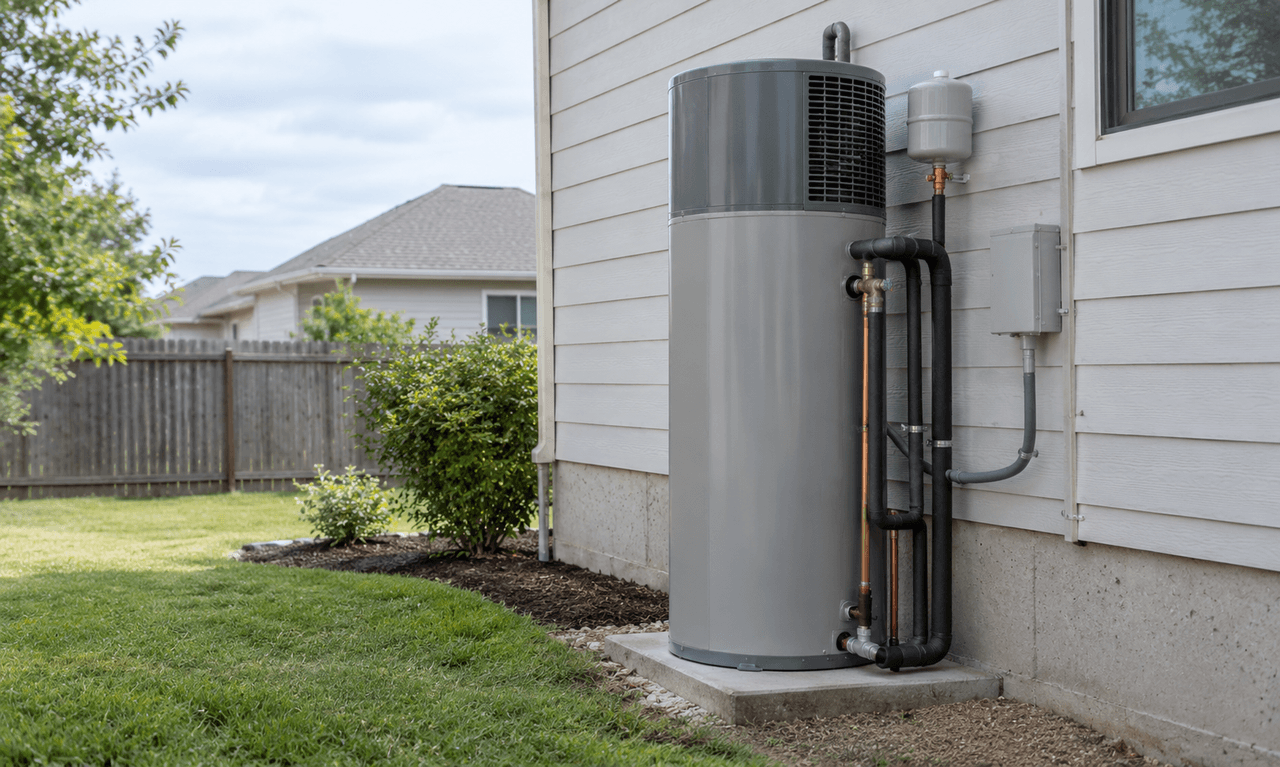
A heat pump water heater is its own category, separate from whole-home heating and cooling systems.

Typical Cost Range
Installed, a heat pump water heater typically runs from $1,800 to $5,000. That's well below what you'd pay for a full space-heating heat pump system, which makes sense given the smaller scope of the job.
What Pushes the Price Up or Down
A simple, like-for-like replacement where your electrical service already supports the unit can run as low as $1,800. But jobs that need new circuits, added ventilation, or drain modifications can climb past $5,000 fast.
Before you assume it's a quick swap, check one thing: does the new unit need a 240-volt circuit? Not every home has one sitting near the water heater, and adding one adds cost.
Don't Skip the Rebate Search
The federal tax credit that used to cover heat pumps and heat pump water heaters ended for anything installed after December 31, 2025. For a 2026 installation, state energy offices, HEAR/HEEHRA programs, and local utility rebates are where the real savings are now. Check what's active in your ZIP code before you sign a contract, not after.
Whichever type you're installing, a few practical moves can bring the total bill down.
Ways to Lower Installation Cost
You do not have to pay top-dollar for an efficient home setup. A few simple steps can trim your overall expenses.
Get Multiple Quotes
Get at least three quotes from licensed installers before you commit. Labor pricing for the exact same job can vary more than you'd expect, and a quick comparison often reveals real savings.


Get multiple quotes
HVAC contractors often have their busiest schedules during extreme summer and winter weather.
Consider planning installation during spring or fall when possible. You may have more scheduling flexibility and more time to compare contractors. Sometimes it means better pricing too, since demand isn't as high.
Don't wait until your existing system fails during a heat wave or cold snap.
Choose the Right System Size
Bigger isn't always better. Comparing mini-split and central heat pump costs side by side can help you figure out if a smaller, cheaper system actually covers what your home needs. A single mini-split zone might be plenty for an addition or a converted garage, while the whole-house still needs the central setup.
Quick Checklist Before You Sign a Contract
Confirm the contractor is licensed and insured
Ask whether your electrical panel needs an upgrade
Check current federal and state rebate eligibility
Get the sizing calculation (Manual J) in writing
Ask what the permit and disposal fees actually cover
Conclusion
Heat pump installation costs range from roughly $2,000 for a mini-split to $35,000 for geothermal. Labor, system capacity, and electrical upgrades all drive the final price. Get several detailed quotes before choosing an installer. Ask for a Manual J load calculation and confirm every added cost. Also check current state and utility incentives before installation. Once your setup is running, protect that major investment from severe storms and unexpected grid outages. Whole-home battery systems like the EcoFlow DELTA Pro Ultra and EcoFlow DELTA Pro Ultra X keep your heat pump powered, ensuring quiet, continuous home comfort.
FAQs
What is the average cost to install a heat pump?
The national average is about $8,350. A standard central air-source heat pump typically costs between $5,000 and $15,000 installed. Single-zone ductless mini-splits start at around $2,000, while complex geothermal systems can exceed $35,000 depending on home size and required electrical work.
Is a geothermal heat pump worth the extra cost?
It depends on how long you plan to stay in the home. Geothermal systems cost the most upfront but often deliver lower operating costs over time, so the payback period matters more than the sticker price.
How much does a heat pump water heater cost installed?
A heat pump water heater typically costs about $1,800 to $5,000 installed. Electrical upgrades, plumbing changes, ventilation needs, and difficult installation locations can push the total higher.
Do heat pumps qualify for federal tax credits?
The federal Section 25C credit that covered up to $2,000 for qualifying heat pumps ended for systems placed in service after December 31, 2025. State, utility, and income-qualified rebate programs remain active in many areas. Always verify current local incentives.
How long does heat pump installation take?
A single-zone mini-split usually takes one to two days. Replacing an existing central heat pump system takes two to three days, while geothermal installations require heavy ground excavation and typically take one to two weeks.
For press requests or interview opportunities, reach out to our media team
media.na@ecoflow.com