West Virginia Flooding: A Rough Year and What's Next
- This Week's Flooding in Jackson and Mason Counties
- A Summer of Tornadoes and Flooding: The July Disaster
- Why West Virginia's Mountains Make Flooding Worse
- Keeping Power and a Sump Pump Running in Rural Appalachia
- Checking Your Flood Risk and Insurance in a Non-Coastal State
- Is This the New Normal for West Virginia?
- Conclusion
- FAQs
Flooding in West Virginia has hit twice this year, and both times it hit hard. The state's steep, mountainous terrain is a big part of the reason why. On September 10, 2026, 4 to 7 inches of rain triggered water rescues and dozens of road closures across Jackson and Mason counties. That came just weeks after a July disaster that combined five tornadoes with flooding. Two people were killed and hundreds of homes were damaged. Here's what happened in both events, why the terrain makes these storms so dangerous, and how to keep your home and your power protected.
This Week's Flooding in Jackson and Mason Counties
A line of slow-moving storms stalled over the Ohio River valley on September 10, 2026. The storm dumped between 4 and 7 inches of rain in hours. Runoff quickly overwhelmed local drainage.


Rapid water rescues: Jackson County emergency teams pulled several drivers from stalled vehicles. Water rose faster than people could turn around.
Widespread road closures: Mason County emergency officials reported high water on at least 15 separate roads.
School cancellations: Mason County shut down public schools early as a safety precaution.
Infrastructure washouts: Mill Creek Road over in Gallia County, Ohio, suffered severe structural washouts along the creek bed.
The speed of this deluge highlights what actually separates a flash flood from a slower-building areal flood. Runoff moved down steep hillsides long before creeks could handle the volume.
This week's flooding was not an isolated event. It followed an even more severe disaster that struck the state just weeks earlier.
A Summer of Tornadoes and Flooding: The July Disaster
On July 21, 2026, the National Weather Service confirmed at least five tornadoes touched down across West Virginia and southeastern Ohio. They ranged from EF0 to EF2, packing winds up to 135 mph.
That same storm system dumped 4 to nearly 8 inches of torrential rain in Lewis, Upshur, and Randolph counties. The resulting flash flooding turned deadly, claiming at least two lives.


The Damage and Emergency Response
More than 950 households reported structural damage across the region. With roads and local bridges washed away, first responders and neighbors pulled off dozens of water rescues.
Governor Patrick Morrisey declared a state of emergency that evening. He later requested expedited federal disaster aid for seven counties, triggering how a governor's emergency declaration actually works to unlock federal recovery funds.
Grid Failures and Power Restoration
High winds, fallen timber, and flooded roads battered local power lines. More than 12,000 customers lost power at the peak of the storm. A full day later, 6,100 were still in the dark. That's a long stretch without a fridge, a well pump, or a sump pump.
July 2026 Storm Impact | Reported Numbers |
Confirmed Tornadoes | 5 (EF0 to EF2) |
Peak Wind Speeds | Up to 135 mph |
Rainfall Totals | 4 to nearly 8 inches |
Household Damage Reports | 950+ homes |
Peak Power Outages | 12,000+ customers |
Customers Out After 24 Hours | 6,100 customers |
Having two major flooding events in one summer isn't a coincidence. West Virginia's terrain plays a direct role in how fast and how hard these storms hit.
Why West Virginia's Mountains Make Flooding Worse
West Virginia is called the Mountain State for a reason. That beautiful landscape creates a serious hazard during heavy downpours.
Steep valleys and narrow hollows channel rainfall directly into creeks. Water rushes down rocky hillsides instead of soaking into the soil. A storm dropping two inches of rain can cause severe flash flooding in a narrow hollow.
Most usable land sits near the bottom of these hollows. That means homes, driveways, and town roads sit directly in the flood path. The danger extends well beyond mapped riverbanks. In fact, why homes far from any major waterway still face serious flood risk explains why mountain runoff catches so many families off guard.
Keeping Power and a Sump Pump Running in Rural Appalachia
Many West Virginia communities sit outside major cities. They're often at the end of long utility lines. Crews take longer to reach them after a storm.
A sump pump losing power during a cloudburst turns a damp basement into a total loss. That threat runs high for hollow-bottom homes built near swollen creeks. Understanding how a battery-backed sump pump actually works helps protect your home from devastating foundation water damage. Cell service and road access can both go down at once. A self-sufficient power source becomes even more valuable than in a typical suburban outage.
When power goes out and roads wash away, keeping essential systems running matters even more in rural areas. EcoFlow's whole-home and portable options step in right there.
The DELTA Pro Ultra X provides whole-home backup power during extended grid outages. It automatically powers heavy-draw sump pumps and essential appliances, keeping your mountain residence protected while utility repair crews clear access roads.
The DELTA 3 Max packs serious portable energy into an easy-to-carry build. It stores easily in your car, running radios, medical gear, and phones if sudden mountain road washouts force a fast evacuation.
DELTA Pro Ultra X covers a full household waiting for repairs after a flood, while DELTA 3 Max travels with you if a mountain road washout forces an evacuation.
Once immediate danger passes, the next concern for most homeowners is what their insurance actually covers.
Checking Your Flood Risk and Insurance in a Non-Coastal State
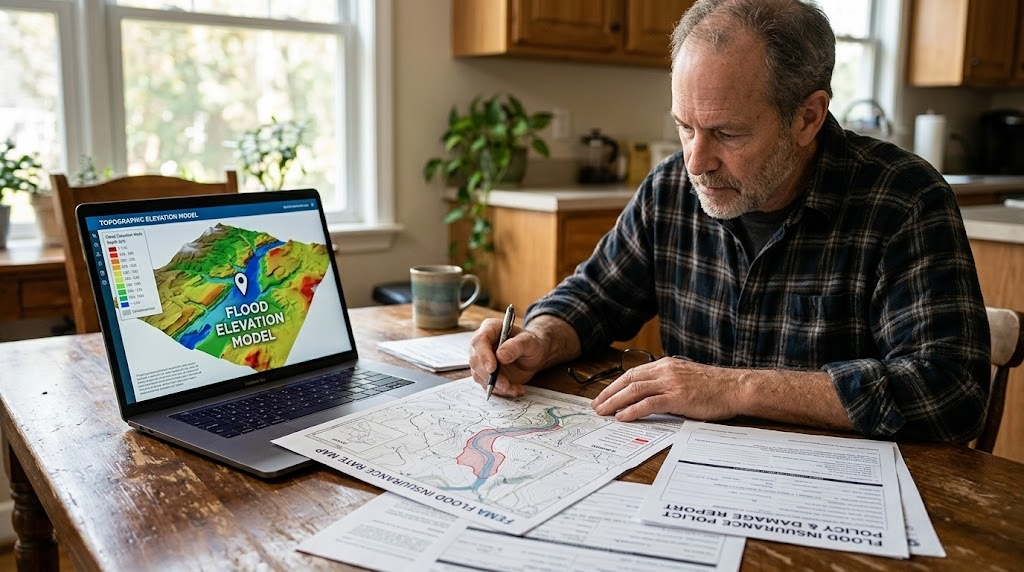
Many homeowners assume flood insurance only matters along the coast. That misconception catches inland residents off guard every single year. Standard homeowners insurance policies in West Virginia strictly exclude surface water damage. If mountain runoff pushes into your basement, a normal policy will not cover repairs.
Protecting your property requires navigating two key coverage details:
Separate flood coverage: You must purchase a standalone policy through the National Flood Insurance Program (NFIP) or private insurers to cover flash flooding.
FEMA map blind spots: Federal flood maps often overlook steep hollows. Runoff can easily swamp a home outside official high-risk zones.
Evaluating the practical differences between flood zone A and flood zone AE reveals why mountain homes carry real risk without an official warning label.

Looking at the bigger picture, this year raises a fair question about whether West Virginia should expect more summers like this one.
Is This the New Normal for West Virginia?
Two separate flooding disasters within roughly seven weeks is an alarming amount of severe weather for one state. Having one of those systems trigger a tornado outbreak makes it even harder to ignore.
The science behind this shift is straightforward. Warmer air naturally holds significantly more moisture. When saturated clouds bump into the Appalachian ridges, they dump extreme rain over tight areas.
That broader pattern explains why flooding keeps intensifying across the country rather than just in West Virginia. It does not guarantee every summer will look like this one. Still, state flood plans and homeowners cannot treat 2026 as a fluke. Preparing your property and having reliable backup power are becoming basic necessities.
Conclusion
West Virginia saw two major flooding events this year. A July tornado and flood disaster killed two people, and a September flash flood triggered water rescues across two counties. Both were driven in part by the state's steep, flood-prone terrain.
Do not wait for another storm to expose property blind spots. Check your actual flood risk today, even far from major rivers. Review your insurance policy to ensure rising water is covered. Most importantly, prepare for washed-out roads with dependable backup power.
Rural Appalachian communities often wait longer for power restoration. EcoFlow's DELTA Pro Ultra X and DELTA 3 Max both keep a sump pump and your essentials running until help arrives.
FAQs
Is West Virginia flooding right now?
The September 10, 2026 flooding affected parts of Jackson and Mason counties. The National Weather Service reported multiple water rescues and 4 to 7 inches of rainfall. Conditions can change quickly, so check current local warnings.
What caused West Virginia's July 2026 tornado and flood disaster?
A strong storm system on July 21 produced at least five tornadoes rated EF0 to EF2. The same storms dumped 4 to nearly 8 inches of rain on Lewis, Upshur, and Randolph counties, triggering deadly flash flooding that killed two people.
Why does West Virginia's terrain make flooding so dangerous?
Steep ridges and narrow hollows act like massive funnels, directing heavy rainfall straight into shallow mountain streams. Water levels surge in minutes, sweeping right through valley bottoms where most local homes and roads are built.
Does homeowners insurance cover flood damage in West Virginia?
No, standard homeowners insurance strictly excludes surface flood damage. To protect against rising creek waters or storm runoff, homeowners must buy a separate flood policy through the National Flood Insurance Program (NFIP) or private carriers.
How can rural homes in West Virginia keep power running during a flood?
Install a dependable home battery backup system like the EcoFlow DELTA series. These quiet, indoor units keep critical sump pumps, medical devices, and refrigeration running without relying on delayed utility repairs or wet fuel lines.
For press requests or interview opportunities, reach out to our media team
media.na@ecoflow.com