Gas Fireplace Battery Backup: How to Keep Your Fireplace Running During a Power Outage
A power outage does not always shut down a gas fireplace. In one house, the fireplace may start as usual while the blower remains silent. In another, nothing happens when someone flips the wall switch.
The difference usually comes down to the ignition system, venting design, and any powered accessories. A standing-pilot fireplace can often run without household electricity. A newer electronic model may need backup batteries to light. Even then, the batteries may operate only the ignition and gas controls, not the fan, lights, or every remote feature.
It is worth figuring this out before the next winter storm. Find the model number, locate the owner’s manual, and keep the correct batteries where you can reach them in the dark.
Will a Gas Fireplace Work When the Power Goes Out?
Look at what the fireplace does when the main burner is off. A small flame that stays lit usually indicates a standing-pilot system. If the pilot appears only when you turn on the fireplace, the unit probably has electronic ignition.
The answer to do gas fireplaces work without electricity depends on the ignition system and any powered accessories.
Standing Pilot Gas Fireplaces
Standing-pilot fireplaces are common in older homes. The small pilot flame stays on between uses and heats a thermocouple or thermopile inside the unit. In a millivolt system, that arrangement provides the small amount of electricity needed to operate the gas valve.
As long as the gas supply and pilot remain available, the main burner will often work during an outage. The regular wall switch may work too because it is part of the fireplace’s low-voltage control circuit rather than the home’s 120-volt electrical system.
The blower and decorative lighting are separate. Those features generally use electricity from a wall outlet and will stay off until power returns.
If the pilot has gone out, use the lighting directions on the fireplace label or in the manual. Gas control knobs do not all work alike, and the required waiting time may differ from one model to another.
Electronic Ignition Gas Fireplaces
Electronic ignition, often called intermittent pilot ignition or IPI, does not keep a pilot burning all day. The fireplace creates a spark only when heat is requested. Under normal conditions, many electronic-ignition systems receive operating power from the home’s electrical supply.
Many electronic fireplaces include an outage battery pack. Some switch to battery power automatically. Others require the receiver to be moved from REMOTE to ON. There are also models with no battery backup at all.
Age alone will not tell you which system you have. The battery holder could be empty, hidden elsewhere, or intended only for the remote. Check the manual for the exact model.
Pay particular attention to fireplaces equipped with a power vent. The vent fan may be required whenever the burner is operating. A small ignition battery cannot necessarily run that fan, and its safety controls should never be bypassed.
For compatible plug-connected accessories, a portable power station may provide temporary AC power without changing the fireplace wiring.
How to Use Battery Backup to Light Your Gas Fireplace
Do a little preparation while the power is still on. You do not need to take the fireplace apart. Just learn where the controls are, note the battery size, and read the outage instructions once.
Locate the Battery Compartment
The battery holder is often behind the lower screen or access panel beneath the fireplace glass. It may be a small plastic box attached to the receiver by a short wire.
A battery backup for gas fireplace operation must match the unit’s specified battery type and outage procedure.
That is only the most common arrangement. On some units, the holder is mounted in a nearby wall box, while on gas inserts or freestanding models, it may be placed beside the receiver or hidden behind a door.
Use a flashlight and open only the panel identified in the owner’s manual. Do not remove the sealed glass or reach around hot metal parts. If the fireplace was recently running, let it cool first.
Take a picture of the model label while the compartment is open. It can save time later if you need a manual or replacement part.
Check and Insert Fresh Batteries
Battery requirements vary by model. Read the battery-holder label and owner’s manual instead of guessing the type or quantity.
Do not mix old and new cells. A weak set may still power a display or make the receiver beep, yet fail when the ignition system calls for power.
Check stored batteries before the heating season. If the manufacturer recommends keeping them outside the fireplace until an outage, leave them in their original package nearby. Writing the fireplace battery size on the package is a small step that prevents confusion later.
Follow the Fireplace’s Backup Ignition Procedure
The exact controls will differ, but the basic process is usually straightforward:
Check for the smell of gas before touching the controls. If you smell gas, do not try to light the fireplace or operate electrical switches. Leave the home and call the gas utility or 911 from a safe location.
Wait until the fireplace is cool, then open the approved control access panel.
Install the batteries specified for the model and return the holder to its proper position.
Move the receiver or selector switch to the outage setting described in the manual. Do not assume that ON or REMOTE means the same thing on every system.
Start the fireplace with the wall switch, remote, or manual control specified by the manufacturer.
Give the ignition cycle time to finish. If the pilot does not light, turn the unit off and follow the manual’s waiting instructions before trying again.
Repeated clicking without ignition is not a reason to keep cycling the switch. Stop and check the troubleshooting section of the manual. If the fireplace still will not start, leave it off until a qualified technician can inspect it.
What Works and What Doesn’t During a Power Outage?
The backup batteries are usually there to operate the ignition and gas valve. They are not a miniature replacement for the home’s entire electrical supply.
| Fireplace Feature | Normal Grid Power | Outage (Battery Backup Only) | Notes |
|---|---|---|---|
| Main Gas Burner | Yes | Often | Requires a standing pilot or a supported battery-backup system |
| Electronic Spark | Yes | Sometimes | Depends on the ignition system and backup design |
| Distribution Blower | Yes | Usually No | Most blowers require regular AC power |
| Remote Control | Yes | Varies | The receiver may need backup power or a manual setting |
| Accent Lights | Yes | Usually No | Decorative lighting is commonly powered by a household outlet |
The Gas Burner Can Still Produce Heat
If gas service remains available and the fireplace supports outage operation, the burner can continue heating the room. What changes is the way that heat spreads.
Without the blower, the area in front of the fireplace may feel quite warm while the other side of the room stays cool. Heat still moves naturally, but more slowly. This is normal for many fireplaces during a blackout.
Keep the protective screen in place and maintain the clearances listed in the manual. Blankets, toys, furniture, and drying clothes do not belong near the glass. It can become hot enough to cause a serious burn even when the room itself still feels chilly.
A fireplace may help warm one living area, but do not assume it can heat the whole house. Close off unused rooms if practical, and never use a kitchen range or oven as an additional heat source.
A broader stay warm during a power outage plan should also cover insulation, layered clothing, and carbon monoxide safety.
The Blower May Not Run Without AC Power
The quietest clue that the electricity is out may be the missing blower. The flames may look normal, but without the fan, heat moves through the room mainly by natural convection and radiation.
Ignition batteries are not designed to run a fan motor. If the factory blower has an accessible plug and the fireplace manufacturer permits external AC power, the EcoFlow DELTA 3 Classic Portable Power Station can provide backup power for the blower. Keep the power station away from hot surfaces and place the cord where no one will trip over it.
Do not remove electrical covers or alter a hardwired fireplace connection. Power should never be fed into household wiring through a standard wall outlet.
For a longer outage, the EcoFlow DELTA Pro Portable Power Station can support a broader backup setup that includes the fireplace blower along with other compatible essentials, such as a refrigerator, internet equipment, and lights. Check the combined power requirements of the equipment you plan to run rather than simply counting the available outlets.
Remote Controls May Lose Function
The handheld remote may light up normally while the fireplace refuses to respond. That usually means the remote has power, but the receiver does not.
Some receivers draw power from the fireplace’s backup pack. Others need to be switched manually to an ON position during an outage. Certain models continue working from the remote with no change at all.
Check the receiver before replacing every battery in the house. Once the correct outage mode is selected, the remote may work again, or the fireplace may need to be operated from the physical switch until grid power returns.

How to Safely Operate Your Gas Fireplace During an Outage
A fireplace that worked properly yesterday can still have trouble after heavy snow, wind, or flooding. Before settling in for the evening, check the alarms, the vent, and the area around the unit.
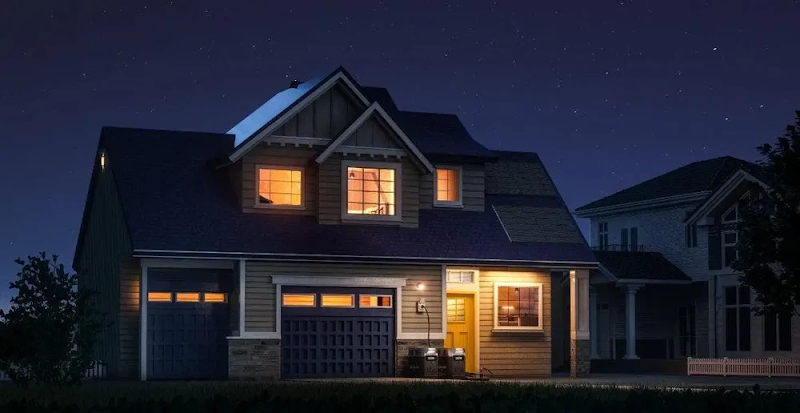
During a longer outage, a home battery can support selected compatible household loads, but the fireplace itself should still be operated only according to its manual and approved electrical configuration.
Verify Carbon Monoxide Detectors Are Active
Carbon monoxide has no color or smell. A clean-looking flame is not proof that combustion gases are leaving the house correctly.
The U.S. Consumer Product Safety Commission (CPSC) recommends installing battery-operated CO alarms or alarms with battery backup on every level of the home and outside sleeping areas. Test CO alarms monthly and check the manufacturer’s replacement or end-of-life guidance. Also check the replacement date. CO alarms do not last forever, even when the test button still makes a sound.
A complete winter power outage plan should also include working alarms, warm clothing, food, water, and a safe backup heat option.
If an alarm activates, get everyone outside and call 911. Do not stay behind to examine the fireplace or hunt for the source.
Keep External Vent Openings Clear
A direct-vent fireplace usually has a cap on an exterior wall or roof. Sidewall vents are easy to overlook after drifting snow piles against the house.
Check the vent from the ground if conditions are safe. Snow, ice, wet leaves, branches, and nesting material can interfere with airflow. Do not run the fireplace when the opening appears blocked.
Clear loose material carefully without striking or bending the cap. The required open space around a vent differs by model, so use the distance listed in the manual rather than a general rule.
Skip the ladder when the ground or roof is icy. If the vent cannot be reached safely, leave the fireplace off and call someone equipped to handle it.
Do not use a fireplace that has been exposed to floodwater or a substantial leak. Water can damage gas valves, wiring, and safety controls even after the outside has dried.
Check the Backup Battery System After Power Returns
When power returns, follow the fireplace manual’s instructions for returning the system to normal operation. Then:
Return the receiver to its usual operating setting if the manual instructs you to do so. Check that the blower, remote, and accent lights have resumed normal operation.
Follow the fireplace manufacturer’s directions for battery storage.
Look at the battery contacts while the compartment is open. A white or crusty deposit is a sign of leakage or corrosion. If the fireplace behaved differently during the outage, arrange service before relying on it again.
Conclusion
A gas fireplace may keep working during a power outage, although not always in the way homeowners expect. The burner might light while the blower, lights, and remote remain out. Another fireplace may need fresh batteries and a manual switch change before anything happens.
The ignition system provides the answer. Standing-pilot fireplaces can often operate without household power. Electronic models need a working backup system that was designed for that particular fireplace.
Keep the correct batteries nearby and learn the outage procedure ahead of time. More importantly, know when to stop. A gas odor, carbon monoxide alarm, blocked vent, damaged control, or repeated failure to ignite calls for professional help, not another attempt at the switch.
FAQ
Will a Propane Fireplace Work Without Electricity?
Possibly. Having propane in the tank does not automatically make the fireplace independent of electricity.
A standing-pilot propane fireplace can often run during an outage. An electronic model needs a functioning battery backup or another power source approved for the unit. Fireplaces with powered venting may still require household AC power.
The ignition and venting systems matter more than whether the fuel is propane or natural gas.
How Long Can You Leave a Gas Fireplace Running?
There is no universal time limit. Some direct-vent fireplaces are designed to run for long periods or cycle from a thermostat. Other models have specific operating restrictions.
Check the manual for the fireplace rather than relying on a general two-hour or three-hour rule. Keep the area in front of the unit clear, and turn it off if the flame changes, soot appears, or the controls begin acting differently.
Vent-free fireplaces require separate precautions and should not be treated like sealed direct-vent units.
Can You Sleep with a Gas Fireplace on All Night?
Whether you can safely leave a gas fireplace overnight depends on the model and manufacturer instructions. Never operate an unvented fuel-burning appliance in a room where people are sleeping, and turn the fireplace off before bed if the manual does not clearly permit overnight use.
Does a Gas Fireplace Have a Battery Backup?
Some do and some do not. Battery backup is common on many electronic-ignition fireplaces, but it is not guaranteed.
The batteries inside the handheld remote may control only the remote. A separate pack is often needed to power the fireplace receiver and ignition system. Check near the lower controls, inside a wall box, or wherever the manual directs you.
Standing-pilot fireplaces usually do not need batteries for the main burner, though their blower and accessories may still need electricity.
What Happens if I Accidentally Leave My Gas Fireplace On?
The fireplace will continue heating until it is turned off or a thermostat ends the call for heat. The room may become uncomfortably warm, and the fireplace will use more fuel than intended.
Turn it off when you notice. Make sure nothing has been placed near the glass, and check that the carbon monoxide alarms are not sounding.
A gas smell, unusual soot, or a CO alarm changes the situation. Leave the home without operating electrical switches and call 911 or the gas utility from outside.
For press requests or interview opportunities, reach out to our media team
media.na@ecoflow.com