Flood Zone A vs AE: What’s the Difference and How Should Homeowners Prepare for Outages?
Seeing flood zone A or flood zone AE on a property report can raise immediate questions. Am I facing a serious flood risk? Will insurance cost more? What happens if a storm knocks out power for a day or two? Those concerns are valid. Both labels point to high-risk flood areas, and the difference between them can affect insurance, permitting, and how you prepare your home before severe weather arrives.
What Are Flood Zone A and Flood Zone AE?
These two flood map labels sit in the same broad category, but they do not give homeowners the same level of detail. That is where confusion usually begins.

What They Have in Common
Flood zone A and flood zone AE are both part of the Special Flood Hazard Area, the area tied to the 1 percent annual-chance flood. In practical terms, that means each zone is considered high risk. In participating NFIP (National Flood Insurance Program) communities, properties in high-risk flood zones with federally backed mortgages are generally required to carry flood insurance.
What Sets Flood Zone AE Apart
The main difference is in map detail. FEMA defines Approximate Zone A as an area subject to the 1 percent annual-chance flood where detailed hydraulic analyses generally have not been performed. Zone AE, by contrast, usually includes a mapped Base Flood Elevation, or BFE. FloodSmart defines BFE as the elevation floodwater is expected to reach during the base flood, and notes that it is shown on the map for zones such as AE. That means flood zone AE usually gives you a clearer elevation benchmark, while flood zone A often leaves more for local review.
| Zone | Risk Level | BFE on the Map | What It Means for You |
| Flood zone A | High-risk | Usually not shown | You may need more guidance from local floodplain officials |
| Flood zone AE | High-risk | Usually shown | You have a clearer reference point for planning and compliance |
For a homeowner, the takeaway is simple: both zones deserve respect. The difference is that flood zone AE usually tells you more about elevation-related planning from the outset.
Why Does A vs AE Flood Zone Matter for Homeowners?
Once storm season gets close, flood map terminology stops feeling abstract. It begins to affect real decisions around insurance, renovations, and long-term property planning.
Insurance and Mortgage Rules
FloodSmart states that standard homeowners' insurance generally does not cover flood damage. It also explains that in participating NFIP communities, homeowners and businesses with federally backed mortgages in high-risk zones such as A and AE are required to purchase flood insurance. That is why the A vs AE flood zone question matters early in the buying process and again when policy costs come up for review.
Permits and Home Projects
Map detail matters during renovation work. In flood zone AE, the mapped BFE often gives local officials and property owners a clearer benchmark for elevation-related decisions. In flood zone A, FEMA’s materials explain that communities may need to determine elevation information through other methods when development is proposed because the area is approximate rather than fully studied. The risk is still serious, but the path to compliance can be less straightforward.
Buying, Upgrading, and Planning Ahead
Flood maps are also used by lenders and communities to help evaluate flood risk and manage floodplain development. FEMA’s Flood Map Service Center is the official source for checking a property’s current flood map and related hazard products. That makes it worth reviewing before a purchase, addition, major equipment replacement, or any project that could trigger local floodplain requirements.
When Does Flood Zone A or Flood Zone AE Home Face a Power-Outage Risk?
For many households, the real challenge begins after flooding starts and power goes out. Floods can cause power outages, disrupt transportation, and damage buildings. The impact spreads quickly through a home. Refrigerated food may spoil, phones and internet equipment lose power, and households with powered medical devices can face serious pressure within hours. FDA guidance also notes that an unopened refrigerator keeps food cold for about four hours, while a full freezer holds its temperature for about 48 hours.
Common problems during a flood-related outage include:
food safety concerns in the refrigerator and freezer
limited phone charging and weaker communication access
loss of Wi-Fi for work, school, and emergency updates
pressure on households using powered medical devices
added danger if people turn to unsafe generator use indoors
That last point deserves special attention. The National Weather Service warns that carbon monoxide poisoning is a leading cause of death after storms in outage-affected areas, and CPSC says portable generators must be used outdoors, away from the house and openings such as doors, windows, and vents. Power planning is a safety issue, not a comfort upgrade.
How to Prepare a Flood Zone Home Before a Storm and Outage
A useful emergency plan should lower stress, protect essentials, and keep your household functional when local conditions get messy. In a flood zone, that means checking your mapped risk, protecting critical supplies, and choosing backup power around the loads you truly need.
Check Your Property Risk
Use FEMA’s Flood Map Service Center to confirm your current map designation. If your home is in flood zone AE, review the mapped BFE and ask your local floodplain office how it affects future work. If your home is in flood zone A, ask what additional elevation information may be needed before a project moves forward. That short conversation can prevent expensive surprises later.
Protect Essential Supplies and Food
Flood and outage prep works best when key items are gathered before a warning turns urgent. Homeowners should know their flood risk, secure flood insurance where needed, and protect important documents in advance. It also helps to keep safe water on hand, avoid any bottled water exposed to floodwater, and place appliance thermometers in the refrigerator and freezer.
A simple pre-storm checklist can include:
important documents in a waterproof container
medications and medical supplies in one easy-to-grab place
bottled water and shelf-stable food kept above possible floodwater exposure
appliance thermometers for the refrigerator and freezer
flashlights, charging cables, and batteries stored together
CO alarms with battery backup where applicable
Plan Backup Power for Critical Loads
Backup power is easiest to manage when you rank your needs. Phones, lights, internet gear, refrigeration, and medical devices usually deserve top priority. It is also wise to plan for alternative ways to charge phones and other essential devices during a power outage. People who rely on powered medical devices should notify their electric company and local fire department in advance and confirm that batteries or a generator can support that equipment safely.
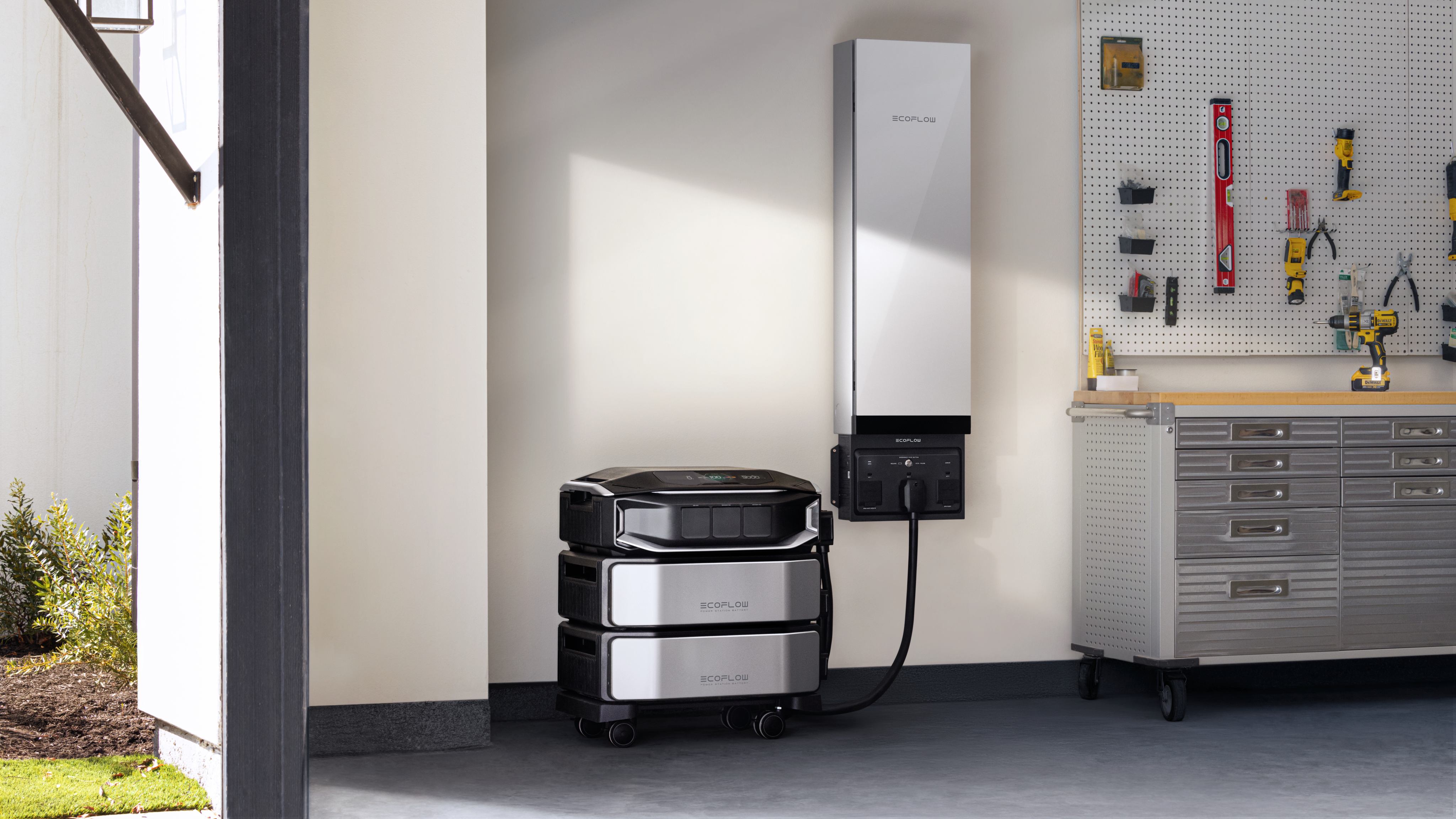
EcoFlow’s preparedness lineup fits this use case well, especially for households that want something more dependable than a basic emergency backup. For example, the EcoFlow DELTA Pro Ultra X is positioned as a whole-home backup solution built for storms and blackouts, with features centered on keeping essential home functions running and helping homeowners prepare before severe weather arrives. That makes it a practical fit for flood-prone households trying to stay ahead of longer outages without overcomplicating their setup. Keep any backup system dry, charge it before severe weather hits, and never handle wet cords or electrical equipment after flooding.
Now Take Action to Prepare for Flooding and Outages
Flood zone A and flood zone AE both signal serious flood exposure. Flood zone AE usually gives you a mapped BFE, while flood zone A often requires added local guidance. That difference matters, but the larger message is even more important: homes in either zone need a practical outage plan. Check your current map, review your insurance situation, protect the essentials, and set up backup power before the next storm puts your household under pressure.
FAQs
Q1. Can a home outside flood zone A or AE still flood?
Yes. A lower-risk map designation does not mean zero risk. Homes outside high-risk flood zones can still be damaged by heavy rain, poor drainage, overwhelmed stormwater systems, or fast local runoff. That is why flood planning should not stop at the map label alone. Even if a property is not in flood zone A or flood zone AE, it can still face meaningful flood exposure under the right conditions.
Q2. Is there a waiting period before a new flood insurance policy takes effect?
Yes. In many cases, a new flood insurance policy does not begin the same day it is purchased. A waiting period often applies, which means homeowners should not wait until a storm is already approaching to think about coverage. Some exceptions exist, but the practical lesson is simple: if flood insurance may be relevant for your property, it is better to look into it early rather than assume last-minute coverage will protect you.
Q3. Can a homeowner ask FEMA to change a flood zone designation for a property?
Yes. A homeowner may be able to request a flood map change if the property sits above the mapped flood level or if supporting elevation documentation shows the existing designation may no longer apply. This process usually requires surveys, elevation records, and a formal review. It is not automatic, but it can be worth exploring if the current flood zone appears inconsistent with the property’s actual elevation and structure placement.
Q4. Do renters need flood insurance if the landlord already has coverage?
Yes, if they want their belongings protected. A landlord’s policy generally covers the building, not a renter’s personal property. That means furniture, clothing, electronics, and other household items may still be uninsured after a flood unless the tenant carries separate contents coverage. For renters in flood-prone areas, this is an important distinction because replacing daily essentials out of pocket can become expensive very quickly.
Q5. Will FEMA disaster assistance replace flood insurance after a flood?
No. Disaster assistance is not the same as flood insurance, and it should not be treated as a substitute. Assistance is not automatically available after every flood event, and even when it is available, it is usually meant to help with basic recovery needs rather than fully cover all losses. Flood insurance is designed to provide more direct financial protection, while disaster aid depends on circumstances that homeowners cannot control.
For press requests or interview opportunities, reach out to our media team
media.na@ecoflow.com