Positive and Negative Wires: Colors and How to Tell
Getting positive and negative backwards on a wiring job can damage equipment or cause a short circuit. Memorizing standard positive and negative wire colors can prevent that mistake, but household wiring follows a completely different system, which is where a lot of confusion starts. This piece walks through the standard color rules, why house wiring works differently, and what to do when there's no color to rely on at all.
The Standard Red and Black Convention
When working with positive and negative wires, red and black are the standard identifiers in most DC circuits, with red marking the positive wire and black marking the negative. This convention shows up across automotive systems, marine electronics, and battery-based setups of all kinds. It's one of the most widely recognized rules in basic electrical work.
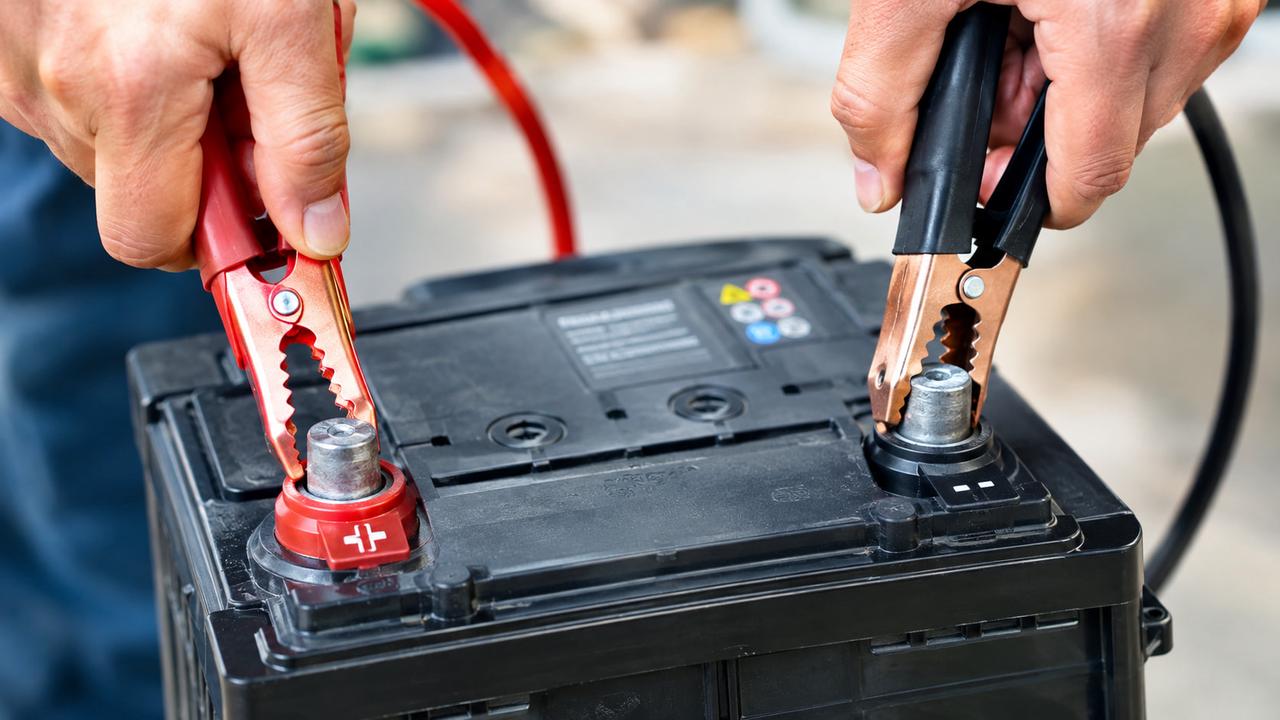
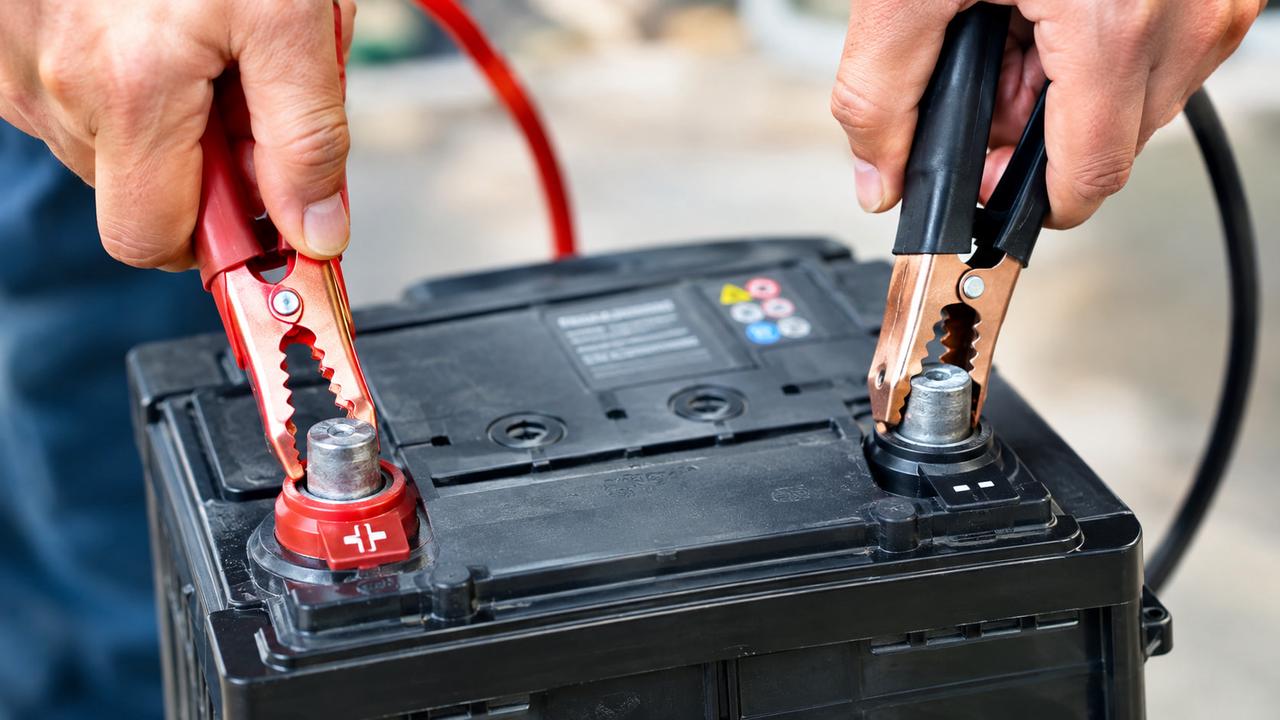
The color coding isn't a technical requirement. It's a safety convention. Red was chosen because it stands out and connects naturally with caution, the same way it does on warning labels and stop signs. Nothing about the wire's function depends on its color.
Because insulation can fade or get replaced over time, manufacturers usually add a backup marker. Terminals are often stamped with symbols or short labels as a fallback:
"+" or "POS" for the positive terminal
"-" or "NEG" for the negative terminal
These markings matter more than most people realize. A wire that started out red can turn dull pink after years of sun exposure, and a replacement wire pulled from a hardware store bin might not match the original color at all. When that happens, the stamped symbol on the terminal becomes the only reliable clue.
For anyone working with heavier gauge wiring or planning a larger DC setup, reviewing amperage and wire size charts is a useful next step once polarity is sorted out, since undersized wire can overheat even when the connections are correct.
Household wiring, on the other hand, follows a completely different color system, and mixing the two up is a common source of trouble.
Household AC Wiring Uses a Different System
In standard 120V household wiring, the colors mean something entirely different than they do in a car or a solar setup. Black typically marks a hot wire. White marks neutral. Green or bare copper marks ground.
Red wires show up in household wiring too, but they don't indicate a positive DC terminal. A red wire in a wall usually marks a second hot wire, often used for a three-way switch setup or to power a specific appliance circuit.
Wire Color | DC System Meaning | AC Household Meaning |
Red | Positive | Second hot wire (context-dependent) |
Black | Negative | Hot |
White | Not standard | Neutral |
Green/ bare copper | Not standard | Ground |
This overlap is exactly where DIYers run into trouble. Someone comfortable with car batteries might assume black always means negative, then apply that logic to a wall outlet where black is actually hot and carries a live current. That kind of mix-up is one of the more dangerous assumptions about home electrical work, since AC wiring carries risks that a low-voltage DC circuit doesn't.
Anyone brushing up on the basics of home electrical systems might also find it worth understanding the difference between single-phase and three-phase power, since it explains why some larger appliances and whole-home systems are wired differently from a typical outlet.
Solar and battery systems bring their own version of this challenge, and getting it right matters just as much.
Getting Polarity Right in a Solar or Battery Setup
Wiring a DIY battery bank or a solar array means tracking polarity across several components at once: panels, charge controllers, batteries, and inverters. A single reversed connection anywhere in that chain can damage expensive equipment or trip a safety fuse.
A portable power station removes most of that risk. The solar input, internal battery, and output ports are pre-wired and matched at the factory, so there's no separate polarity wiring to manage during setup.
If you want a plug-and-play solution that eliminates complex wiring headaches, an all-in-one power station provides immediate peace of mind. The EcoFlow DELTA 3 Plus offers a pre-wired design that is ready to safely integrate with your solar panels right out of the box.
For users needing to run heavier appliances without the risks of building a massive custom battery bank, scaling up to a high-capacity unit is the safest path. The EcoFlow DELTA 3 Max Plus delivers significantly more output while keeping the entire electrical system securely contained and risk-free.
For anyone wiring a system outside of a pre-built unit, though, knowing how to check polarity directly is still a useful skill to have.
Checking Polarity Without Relying on Color
When color coding is missing, faded, or unclear, how do you tell positive and negative wires apart? A multimeter set to DC voltage is the most reliable way to confirm polarity, and it removes the guesswork entirely.


The basic process looks like this:
Set the multimeter to DC voltage mode.
Touch the red multimeter lead to the unknown wire.
Touch the black multimeter lead to a known ground or the negative terminal.
A positive voltage reading confirms the unknown wire is positive; a negative reading means the leads are reversed.
On some devices, there's a physical clue as well. The positive terminal is sometimes longer or shaped differently from the negative terminal, a design choice meant to prevent accidental reversal during assembly.
Before connecting an unfamiliar system, it can help to look over a basic solar panel wiring diagram, especially for anyone who hasn't worked with panels before and wants a visual reference for how the connections typically run.
A few consistent habits go a long way toward avoiding polarity mistakes in the first place, regardless of the project.
Habits That Prevent Wiring Mistakes
Small, repeatable habits tend to prevent the kind of mistakes that cause real damage. A few worth building into any wiring project:
Disconnect in the right order. Always connect the negative or ground wire first, and disconnect it last, on any battery-based system. This reduces the chance of an accidental short while hands are near the terminals.
Label during disassembly. Tape or a marker on each wire prevents guesswork later, especially on projects that get paused partway through.
Test before powering on. Double-checking polarity with a multimeter before flipping a system on catches mistakes while they're still easy to fix.
These habits matter more once a system grows beyond a single battery. Anyone scaling up to multiple panels should look into parallel versus series wiring, since the two configurations affect both voltage and the way polarity mistakes can cascade through a system.
Conclusion
Red typically marks positive and black marks negative in DC systems, but household AC wiring uses a completely different color code for its own reasons. When the colors for positive and negative wires aren't clear, a multimeter remains the most dependable way to confirm which is which.
Figuring out how you tell positive and negative wires apart shouldn't come down to a guess, especially once insulation fades or a replacement wire doesn't match the original. The safest approach is to verify before making a final connection, not after.
Systems like the DELTA 3 Plus and DELTA 3 Max Plus come pre-wired at the factory, which removes the polarity guesswork from solar and battery charging altogether for anyone who'd rather not manage it manually.
FAQs
Is the positive wire always red?
In most DC systems, yes, red is the standard convention for positive. It isn't a universal law, though, so checking terminal markings or testing with a multimeter is still worth doing on unfamiliar equipment.
What color is positive and negative in house wiring?
House wiring doesn't use red and black for positive and negative at all. Black usually marks a hot wire, white marks neutral, and green or bare copper marks ground.
How do I check polarity without a multimeter?
Some devices mark terminals with "+" and "-" symbols, or shape the positive terminal differently from the negative one. Without a color code or a multimeter, though, these physical cues are the next best option.
What happens if I connect positive and negative backward?
Reversed polarity can damage sensitive electronics, blow a fuse, or in some cases create a short circuit. Many modern devices include reverse-polarity protection, but older or simpler equipment often doesn't.
Are solar panel wire colors the same as battery wire colors?
They generally follow the same red-for-positive, black-for-negative convention, since both are DC systems. It's still worth confirming with a multimeter on any new installation rather than assuming the colors match across brands.
For press requests or interview opportunities, reach out to our media team
media.na@ecoflow.com