Santa Ana Winds: When They Happen, Fire Risk & Power Outages
Southern California’s Santa Ana winds are most common from fall into winter. They arrive with very dry air and sometimes fierce gusts. When the gusts build, a minor problem can turn serious. A falling limb may cut power, while a spark in dry brush may run before firefighters can get around it. On the worst fire-weather days, utilities sometimes shut down selected circuits under a Public Safety Power Shutoff (PSPS).
For residents, timing matters. So does knowing whether an outage came from storm damage or a planned shutoff. The sections below cover both and explain what is worth doing before the wind arrives.
What Are Santa Ana Winds?
Santa Ana winds are strong, extremely dry winds that blow from inland Southern California toward the coast. The basic weather setup usually begins with high pressure over the Great Basin. That pressure pushes air southwest across the desert and down through Southern California’s mountains.
As the air drops from higher ground toward sea level, it compresses and warms without receiving heat from an outside source. This is called adiabatic compression. Relative humidity falls as the air warms and can become extremely low by the time it reaches lower elevations.
The landscape also plays a major role. Passes and canyons concentrate the moving air, much like a narrow opening increases the force of water from a hose. Cajon Pass is a well-known example. Nearby foothills, ridges, and canyon communities may receive damaging gusts even when conditions closer to the coast are less severe. Because stronger events can also disrupt electricity service, a charged portable power station can provide temporary backup for selected essential devices.
When Do Santa Ana Winds Occur?
According to the National Weather Service, Santa Ana winds are most common during the cooler months, although events can occur from September through May.
Santa Ana Wind Season and Peak Months
The Santa Ana winds season generally becomes more active through fall and winter. NOAA research identifies November through January as the climatological peak of the Santa Ana wind season, although the timing and frequency vary from year to year.
Period | General Pattern |
September–October | Santa Ana events can occur as the cooler-season pattern begins, with dry vegetation potentially increasing fire risk. |
November–January | This period includes the climatological peak of Santa Ana activity. |
February–May | Events remain possible, although frequency varies through late winter and spring. |
June–August | Santa Ana winds are much less typical during summer. |
October gets much of the attention because vegetation may still be very dry after summer, particularly before meaningful seasonal rainfall arrives. By November and December, Santa Ana setups remain an important fire-weather concern, but fire danger does not follow a simple calendar. Recent rainfall, fuel moisture and local weather conditions all matter.
How Long Santa Ana Wind Events Last
A Santa Ana event can last from several hours to several days, depending on how long the pressure pattern remains favourable. The wind does not necessarily blow at full strength the entire time. It may arrive in several bursts, with quieter stretches in between. A lull of a few hours should not be mistaken for the end of the event, particularly when warnings remain in effect. During longer wind events, utilities may continue monitoring conditions for a possible California PSPS.
Why Do Santa Ana Winds Increase Wildfire Risk?
No single condition makes Santa Ana fire weather dangerous. The wind usually arrives when vegetation is already dry enough to burn. Once something provides a spark, the flames may move well beyond their starting point before people nearby realize how quickly the situation has changed. Understanding what causes the California wildfires therefore means looking at ignition sources, dry fuels, low humidity and strong winds together rather than treating Santa Ana winds as the sole cause.
Low Humidity Dries Out Vegetation
Grass, dead leaves, and pine needles can lose moisture quickly in very dry air, especially when humidity drops into the single digits. Fire crews call these smaller materials fine fuels. Unlike thick logs or large limbs, their condition may change over the course of an afternoon.
That quick response matters. A spark that might die out after damp weather has a better chance of taking hold during a Santa Ana event. Machinery, vehicles, and damaged electrical equipment are among the possible sources.
Strong Winds Accelerate Fire Spread
Wind changes the shape and direction of a fire. It bends flames into unburned brush and carries hot air forward, giving nearby vegetation less time to resist ignition.
Then there is the terrain. A canyon can focus the airflow; a ridge may expose the fire to a fresh burst of wind. Two slopes close to each other may behave very differently.
Wind Can Carry Embers Farther
Even where crews slow the flames at a road or cleared strip, embers may keep the fire moving. Bits of burning bark and vegetation rise on the wind and fall somewhere else, sometimes beyond the visible edge of the fire.
That is why leaves in a gutter, dry landscaping, roof openings, and wooden decks deserve attention. The main fire does not have to reach a house first. An ember may get there ahead of it.


Can Santa Ana Winds Cause Power Outages?
Yes, but not every outage has the same cause. Sometimes the wind breaks or knocks something down. In other cases, the utility deliberately switches off a circuit because leaving it energized is judged too risky.
Strong Winds Can Damage Power Lines
Power lines in foothills, canyons, and tree-lined neighborhoods take the brunt of these events. Trouble may come from:
Overhanging limbs or palm fronds falling across a line, and in the worst cases, an entire tree.
Wires, poles, transformers, or other equipment damaged by repeated gusts.
Loose objects such as trampolines, patio umbrellas, canopies, or building materials being thrown into utility equipment.
The damage may happen in seconds, while the repair rarely does. Crews sometimes need a blocked road cleared, calmer wind, or both before they can safely reach the problem.
SCE advises customers to stay away from downed power lines, call 911 first, and then notify the utility.
Utilities May Use Public Safety Power Shutoffs (PSPS)
A Public Safety Power Shutoff (PSPS) is a precautionary measure used to reduce wildfire risk during potentially dangerous conditions. Both Southern California Edison (SCE) and San Diego Gas & Electric (SDG&E) may proactively shut off power in affected high-fire-risk areas when conditions warrant.
The decision may be based on conditions miles from your house. A line serving a relatively calm neighborhood could first cross an exposed hillside or windy canyon. Before switching it back on, crews patrol the route and look for damage.
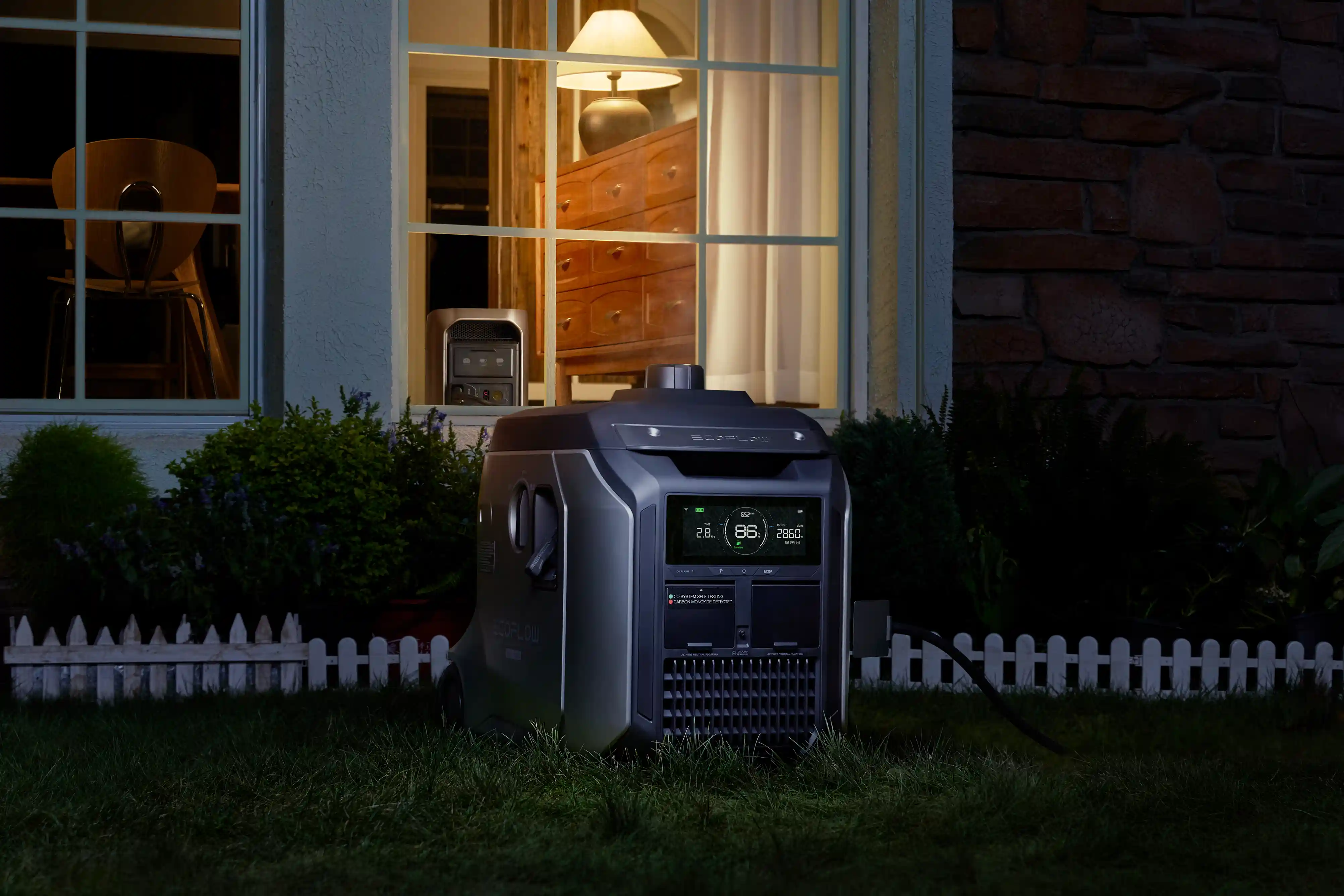
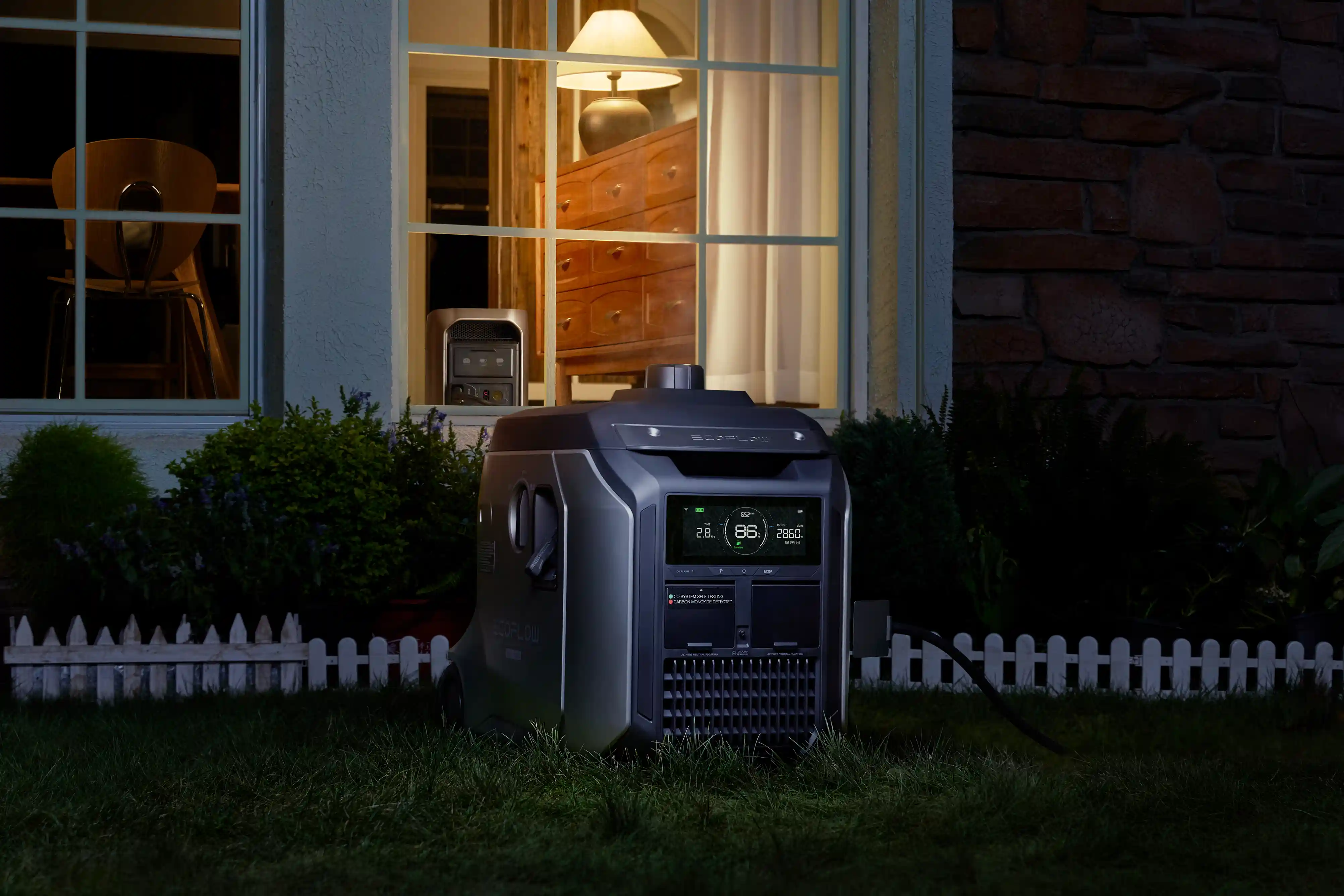
Backup power is easiest to choose by starting with the household’s actual outage plan. The EcoFlow DELTA 3 Classic Portable Power Station can cover selected essentials such as phones, lights, and Wi-Fi, with actual runtime depending on the connected loads.
For households that want more stored energy for loads such as a refrigerator alongside several smaller devices, the EcoFlow DELTA 3 Max Portable Power Station offers a higher-capacity option. What matters most is what the household needs to keep running and for how long.
How Should You Prepare for Santa Ana Winds and Power Outages?
Do the outside work while the weather is still quiet. Once the gusts arrive, a loose umbrella or half-finished yard job becomes another hazard rather than a task to finish.
Secure Outdoor Items Before Strong Winds Arrive
Take one slow walk around the property and look at it from the wind’s point of view. Chairs and cushions are obvious, but hanging planters, garden tools, lightweight decorations, and empty pots are easy to overlook. Move them into a garage, shed, or another enclosed area.
Trash cans and recycling bins may need to be moved somewhere sheltered. Trampolines, shade sails, and canopies should be secured well in advance. Balconies and narrow side yards deserve a check too, since loose items often collect there unnoticed.
Clear Dry Vegetation Around Your Home
Start at the roofline. Clear leaves and pine needles from gutters, then check decks, porches, fences, and the ground beside exterior walls. Firewood and spare lumber should not be stacked against the house.
Save mowing and heavier yard work for a calm, cool period. Metal blades and other equipment may spark, especially around dry grass. Branches close to a power line are a job for the utility or a qualified tree professional.
Check Power Outage and PSPS Information
Before wind season, open your utility account and make sure the contact information is still correct. Sign up for outage and PSPS alerts while you are there. An outdated phone number could mean missing the first notice.
Check the latest Santa Ana winds forecast alongside utility alerts so you know when stronger winds and elevated fire-weather conditions may affect your area.
During an event, use the utility’s map to check your address. Cell service and home internet may become less reliable during a widespread outage, so keep the phone charged. A NOAA Weather Radio with battery backup provides another way to receive emergency weather information if household power is unavailable.
Prepare Backup Power for Essential Devices
Top off the backup battery before the forecast window begins and make sure it works. Test the cables too. Discovering that the right cord is missing after the lights go out is too late. For households that need broader backup across multiple circuits, a home battery may be more appropriate than relying on individual plug-in devices.
Then make a short power list. Use the label on each device to check its wattage and think realistically about how long it must run. The figures below are starting points; individual models vary. Check each device’s label or manual before sizing backup power, as actual consumption and startup requirements vary by model.
Essential Device | Approximate Power Range | Impact of Keeping It Running |
Wi-Fi Router & Modem | 10W to 20W | Maintains access to alerts, messages, and work if internet service remains available. |
Smartphones / Tablets | 15W to 30W | Keeps calls, texts, maps, and emergency notifications available. |
Full-Size Refrigerator | 100W to 200W while running | Reduces food spoilage and keeps temperature-sensitive items cool. |
CPAP Machine | 30W to 60W | Provides overnight breathing support while utility power is unavailable. |
What Should You Do During Santa Ana Winds?
Once the wind reaches warning levels, stay out of exposed areas unless evacuation instructions say otherwise. Continue checking local fire and weather reports, since conditions may change faster than expected.
Stay Indoors During Dangerous Wind Conditions
Close windows and exterior doors. If a large tree or heavy branch hangs over one side of the house, spend more time in a room farther away from it. Keep children and pets away from glass doors and exposed windows.
Dust and pollen often rise with the wind. Smoke may become a concern if a fire is burning nearby. Keeping windows closed and running a HEPA air purifier can make the indoor air more comfortable.
Avoid Driving in High Winds
If a trip cannot wait, slow down before reaching exposed roads or mountain passes. Keep both hands on the wheel and allow extra room around other vehicles. A crosswind may arrive suddenly when the road leaves a sheltered area.
High-profile vehicles need particular care. RVs, vans, box trucks, and trailers give the wind more surface to push against. When the warning is severe, postponing a nonessential trip is usually the better call.
Follow Local Emergency and Evacuation Alerts
A weather warning, an evacuation warning, and an evacuation order are not interchangeable. Check updates from the agencies handling the emergency rather than relying on secondhand reports.
Know your evacuation zone before fire threatens the area, and have another route in mind in case the usual road is closed. An evacuation warning is the time to pack up and prepare. Anyone who needs extra time may want to leave then. Once an evacuation order is issued, leave without waiting for the fire to become visible.
Conclusion
Most Santa Ana days pass without a disaster. Trouble begins when a fire starts or the wind finds something loose, dry, or poorly secured. A few jobs done early can make a meaningful difference: bring outdoor items inside, clear debris near the house, check local alerts, and charge the equipment you may need. During an outage, a charged EcoFlow DELTA series power station can cover selected household essentials while crews work to restore service.
FAQs
Are Santa Ana Winds Hot or Cold?
They are often warm because descending air compresses and heats on its way toward the coast. Still, Santa Ana winds are not always hot. A cold inland air mass may produce cool or brisk winds during winter. The dryness is more consistent than the temperature.
How Fast Do Santa Ana Winds Blow?
There is no single typical speed. National Weather Service guidance notes that Santa Ana winds can easily exceed 40 mph, while stronger events can produce much higher gusts in exposed mountain passes, canyons and other wind-prone locations.
How Do I Know If My Power Will Be Shut off for Safety?
The best information comes directly from the electric utility. Keep the phone number and email address on your account current, then sign up for PSPS alerts. Notices sometimes begin several days ahead, although the affected areas may change with the forecast.
Treat an early notice as a heads-up, not a final decision. Check the PSPS or outage map for your address as the event approaches. A rapid change in conditions may also leave the utility with less time to warn customers.
Why Do Santa Ana Winds Make People Feel Irritable or Ill?
Santa Ana winds have long been associated anecdotally with headaches, irritability and fatigue, but those symptoms can have many possible explanations. Dry air, dust, smoke, noise, disrupted sleep and stress during fire weather may all contribute to how people feel.
How Long Does It Take for Power to Be Restored After a PSPS?
The restoration clock does not really begin until the dangerous weather has passed. Crews then inspect the affected lines for branches, debris, damaged wires, and broken equipment.
That inspection may take several hours. Repairs, limited access, or the need for daylight can extend the outage into the next day or beyond. Utility updates will provide a better estimate than a general time range.
For press requests or interview opportunities, reach out to our media team
media.na@ecoflow.com