Dual Fuel Heat Pump: How It Works, Pros, Cons & Costs
For much of the heating season, a dual fuel system relies on its electric heat pump. Then a colder stretch arrives and the furnace picks up the job. The thermostat handles the handoff automatically. There is nothing for the homeowner to flip or reset.
This type of setup is often easiest to consider in a house that already has central ducts and natural gas or propane infrastructure. It allows the heat pump to cover ordinary cool weather while keeping furnace heat available for colder days. In return, the owner takes on the cost and upkeep of two heating systems. Whether that pays off depends largely on local electricity and fuel prices.
What Is a Dual Fuel Heat Pump and How Does It Work?
A dual fuel heat pump is not a single piece of equipment. It is an air-source heat pump and a gas furnace installed to work as one system, sometimes under the name hybrid heat. They share the blower and ducts. In summer, the heat pump takes care of central air conditioning.
Once the heating season begins, the controls decide which unit gets the call. The heat pump usually runs through moderate weather. If conditions move past the programmed changeover point, it shuts down and the furnace starts. Choosing that point is part of setting up the system for the house.
Heat Pump and Furnace Components
Most dual fuel installations include the following equipment:
An outdoor heat pump unit: The cabinet outside resembles an ordinary central-air condenser. It holds the compressor, coil, fan, and reversing valve. Depending on the model, the compressor may operate at one stage, two stages, or a range of variable speeds.
An indoor gas furnace and blower: This is the combustion side of the system. Burners warm the heat exchanger, and the blower carries that heat through the house. The same blower also moves air across the refrigerant coil when the heat pump is running.
An indoor evaporator coil and smart controls: The name can be confusing because the coil’s role changes with the season. It absorbs indoor heat during cooling and releases heat during heat-pump operation. A compatible thermostat or control board decides when to stop one heat source and start the other.
The model numbers matter. The outdoor unit, coil, furnace, and controls should be approved to work together. An unapproved equipment match may not deliver the published system efficiency rating.
Heating and Cooling Operation
Come summer, the furnace burners stay off. Refrigerant picks up heat at the indoor coil, the outdoor unit releases that heat, and the blower sends cooled air through the house. In other words, the heat pump works as a central air conditioner.
In winter, the reversing valve changes the refrigerant flow so that the outdoor coil absorbs heat and the indoor coil releases it into the home. Below-freezing weather does not automatically stop an air-source heat pump, although heating capacity and efficiency generally decline as outdoor temperatures fall. Cold-climate models are designed to maintain more heating capacity at lower outdoor temperatures.
Automatic Switching Between Heat Sources
Homeowners should not have to stand at the thermostat deciding when to burn gas. The installer programs the changeover, sometimes using more than one setting.
A thermal balance point is reached when the heat pump can no longer produce enough heat to match the home’s heat loss. An economic balance point is different. It marks the point where operating the furnace is expected to cost less than operating the heat pump, even if the heat pump can still keep the house warm.
The thermal and economic balance points may be several degrees apart. Neither one falls at 30°F or 35°F in every home. A tight, well-insulated house may let the heat pump run longer than a drafty house next door. Equipment output, utility prices, and the local climate also change the calculation.
In a typical dual-fuel configuration, the controls stop the heat pump before bringing on the gas furnace rather than operating both heat sources simultaneously.
What Are the Pros and Cons of a Dual Fuel Heating System?
A dual fuel heat pump system sits between a traditional furnace system and a fully electric conversion. Its value depends on the house, climate, and utility prices. For homeowners comparing a heat pump vs. furnace, a dual-fuel system combines both technologies rather than requiring an either-or choice.
Pros of a Dual Fuel Heating System
Consistent year-round comfort: The heat pump supplies steady heat during moderate weather and cools the home in summer. When outdoor conditions turn much colder, the furnace is ready to take over.
Reduced reliance on resistance heat strips: Many all-electric systems use resistance strips as supplemental heat. Those strips draw substantial power. A properly designed dual fuel system generally uses the gas furnace for backup instead, though the final configuration should be confirmed with the installer.
Flexibility as utility rates change: A change in electricity or fuel prices can alter the most economical balance point. The control setting can be reviewed later, provided the thermostat and equipment support the adjustment.
Cons of a Dual Fuel Heating System
Steeper upfront investment: The homeowner is buying a heat pump, a furnace, an indoor coil, and compatible controls. That usually costs more than replacing only a furnace or only an air conditioner.
Dual maintenance responsibilities: Refrigerant components need heat-pump service. The gas side still needs its burners, venting, ignition system, and heat exchanger inspected.
Fuel infrastructure requirements: Adding gas service, propane storage, venting, or new fuel piping can change the economics of the project. A house without that infrastructure may be better served by a cold-climate electric heat pump.
Dual fuel also keeps combustion equipment in the home. It will not suit someone whose goal is to stop using gas or propane.
How Much Does a Dual Fuel Heat Pump Cost?
Two contractors can quote very different prices for systems of the same nominal size. One job may be a clean swap in an open basement. Another may involve tight attic access, new wiring, duct repairs, gas piping, or a longer refrigerant run. The figures below are useful for budgeting, but they cannot replace a written local estimate.
Expense Category | Typical Price Range | What Affects the Cost |
Equipment & Materials | Usually included in the complete contractor quote | Capacity, efficiency ratings, furnace type, compressor design, controls, and accessories |
Labor & Installation | Varies by site conditions and scope of work | Removal, site access, permits, duct changes, wiring, gas piping, and refrigerant lines |
Gross Total Installed | About $8,000 to $25,000 based on published consumer cost estimates | Local market, system size, equipment level, and installation difficulty |
Federal Tax Credit (25C) | $0 for systems placed in service after December 31, 2025 | The federal credit is no longer available for later installations under current law |
State & Local Utility Rebates | Varies by program and location | Utility territory, income rules, qualifying models, deadlines, and remaining funds |
Net Out-of-Pocket Cost | Contract price minus incentives you have confirmed | Rebates, financing expenses, and other work required at the home |
Average Equipment and Installation Cost
A reasonable planning range is $8,000 to $25,000 for a complete hybrid/dual-fuel heat pump system. That span is wide because the projects are not identical. Replacing equipment in an accessible basement while reusing sound ducts and piping is one job. Running new lines through a finished house, repairing returns, or upgrading electrical service is another.
When comparing proposals, look past the total. One bid may include permits, removal, a thermostat, and startup testing while another lists them as extras. Ask for all three equipment model numbers. Warranty coverage and promised ductwork should also be in writing.
Annual Heating and Cooling Costs
There is no honest nationwide dollar figure for annual dual fuel operation. A weatherized ranch in Maryland and a two-story house in northern Michigan will not have the same heating load. The local relationship between electricity and gas prices matters just as much.
Use recent bills for the comparison. Include electric delivery charges and time-based rates, along with the full gas price per therm and recurring fees. Propane users should work from recent local delivery prices. For separate outage planning, households with a whole home generator should also budget for generator fuel and maintenance.
The proposed changeover temperature belongs in that estimate. Moving it up sends more heating hours to the furnace; moving it down asks more of the heat pump. Claims of a guaranteed 20% or 40% savings are not meaningful without the home’s load, equipment data, rates, and thermostat settings.
Cost After Tax Credits and Rebates
The Federal Tax Credit (25C) previously covered 30% of eligible heat-pump expenses, up to $2,000. Under current federal law, qualifying work had to be placed in service by December 31, 2025. A homeowner pricing a 2026 installation should not subtract that former credit from the project cost.
For an eligible system completed in 2025, retain the manufacturer’s tax documentation and Qualified Manufacturer Identification Number (QMID), along with records showing that the installed equipment met the applicable efficiency requirements. A tax professional can address questions about a prior-year claim.
Some states, cities, and utilities still offer heat-pump rebates or financing. Check before signing the contract because a program may require an approved contractor, a particular equipment match, or advance application.


How Do You Know If Dual Fuel Is Right for Your Home?
Whether dual fuel heat pumps are a good fit usually comes down to winter weather, energy prices, duct condition, and the home’s heating load. Existing gas service helps, but it does not settle the decision.
Evaluate Your Local Climate and Winter Temperatures
Look at winter conditions for the city or county, not the state as a whole. Coastal and inland areas can have very different design temperatures, even when they share the same state line.
Dual fuel is often considered in regions that experience both moderate heating weather and periods of colder winter temperatures. Climate zone alone should not settle the decision. A cold-climate heat pump may work well farther north, while an inefficient house in a milder zone may still have a demanding heating load.
In places with short, gentle winters, the furnace might run only a handful of times. Paying for two heating systems is harder to justify there. A region that regularly moves between mild afternoons and sharp cold snaps gives dual fuel more opportunity to use each heat source where it fits best. In colder regions, preparing your home energy system for winter can also help reduce the disruption caused by outages during the heating season.
Compare Local Electricity and Natural Gas Rates
Gather a year of utility bills if possible. Note the full electric price per kilowatt-hour and the complete gas price per therm, including delivery. Customers on a Time-of-Use plan should separate off-peak and peak prices. Propane households will need recent supplier prices rather than a gas-utility rate.
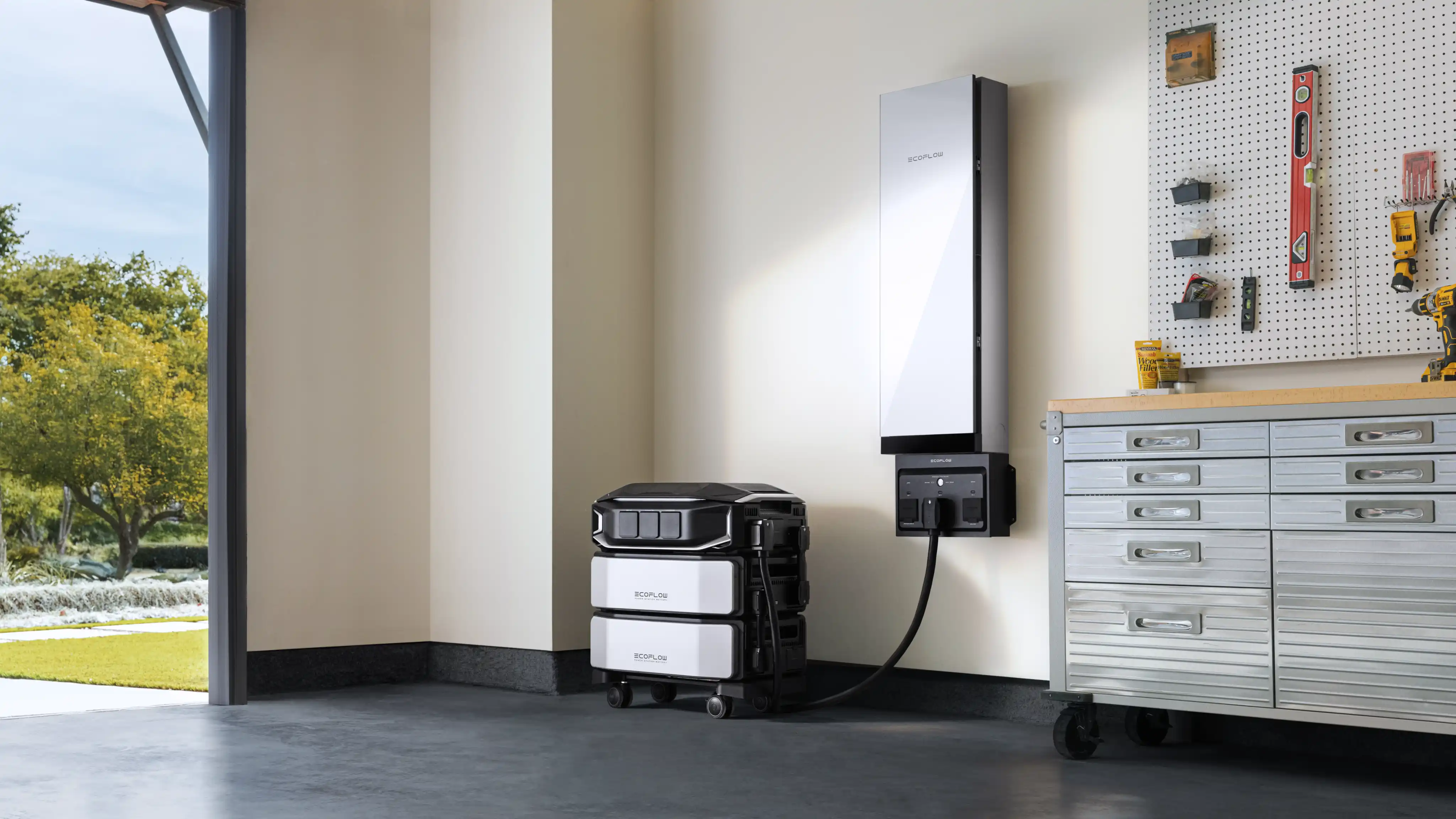
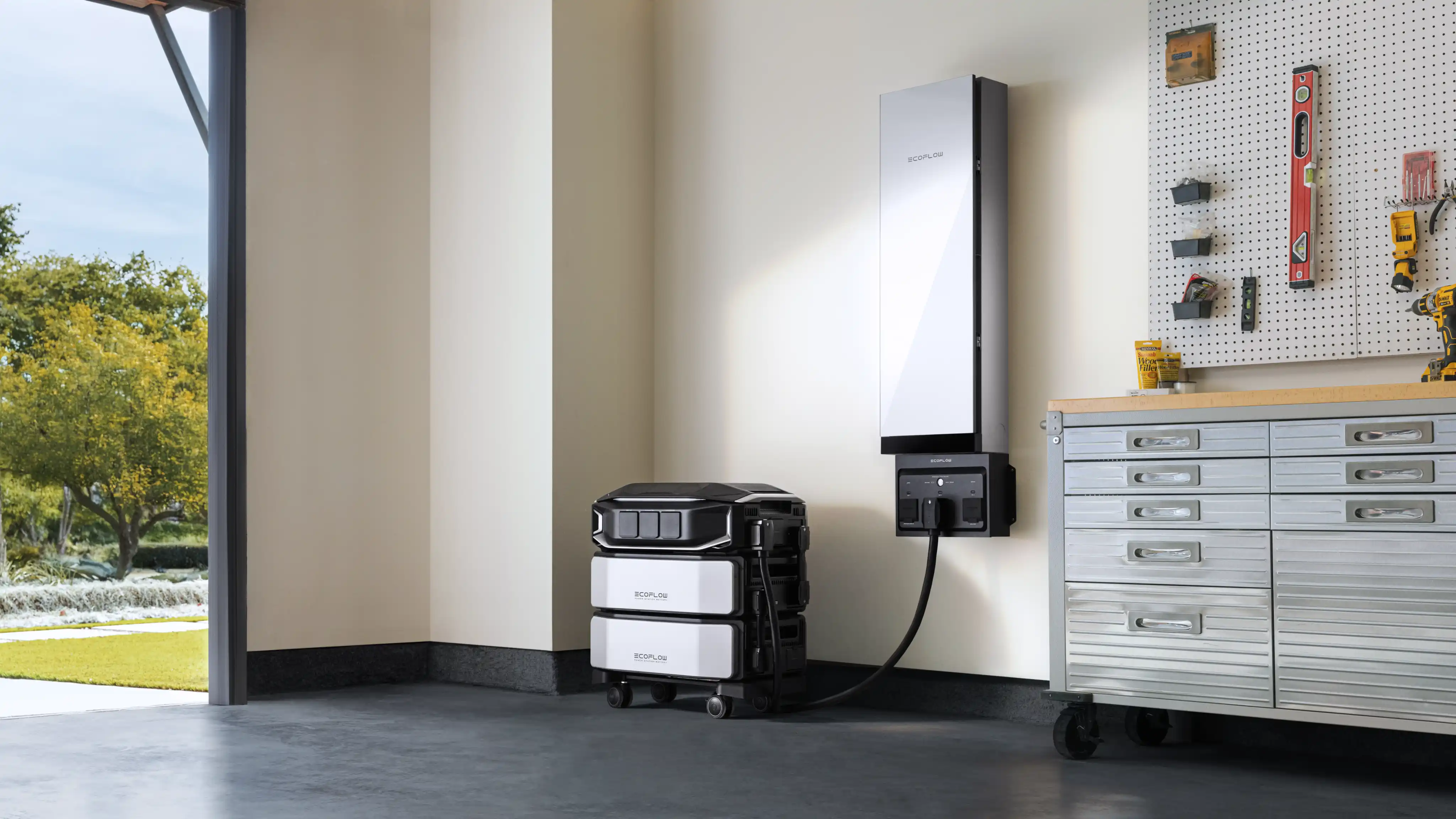
Battery storage can shift some grid use away from high-priced hours. With compatible home integration, the EcoFlow DELTA Pro Ultra can charge during a lower-cost period and supply selected circuits later. Results depend on the rate schedule, connected loads, battery settings, and installation.
Inspect Your Existing Ductwork and Electrical System
Air coming from every register does not prove that an older duct system is ready for new equipment. Crushed flex duct, an undersized return, or a restrictive filter may limit airflow even when the problem is not obvious. Before reusing the ducts, the contractor should measure airflow and static pressure.
A typical central heat-pump outdoor unit has a dedicated electrical circuit sized according to the equipment nameplate, manufacturer instructions, and applicable code. Electricity is also needed at the furnace for ignition, controls, and the blower. Because a dual-fuel system typically uses the furnace instead of electric resistance heat for backup, it may not require the large electrical circuit associated with heat-strip backup. During an outage, however, the furnace still needs electricity for components such as the blower and controls, so a home battery should be sized around the loads you actually need to keep running.
Assess Your Home's Heating Needs
Ask for a Manual J load calculation. It accounts for local weather, insulation, windows, air leakage, orientation, ceiling height, and duct losses. Replacing the old unit with the same size can repeat an earlier mistake.
Bigger is not safer. An oversized furnace may blast hot air, satisfy the thermostat quickly, and shut off before rooms even out. A large heat pump can short-cycle during mild weather and do a poorer job of managing summer humidity. Equipment that is too small brings the opposite problem on the coldest and hottest design days.
A gas furnace still stops during an electrical outage. The EcoFlow DELTA Pro Ultra X supplies 120/240-volt output and up to 12 kW of continuous power for compatible loads. Central HVAC backup requires the right transfer equipment, circuit arrangement, and starting-demand allowance. Have an electrician confirm the setup.
Conclusion
Dual fuel works best when both parts of the system have a clear job. The heat pump handles air conditioning and a large share of the heating season. The furnace covers the conditions assigned to it by a properly chosen changeover setting.
Before buying, compare local energy prices, ask for a Manual J calculation, and have the ducts and electrical service checked. Get every model number in writing and verify rebates before including them in the budget. Those details matter more than a broad claim about savings.
FAQ
Is a Dual Fuel Heat Pump Worth It?
It may be worth considering when a home already has gas or propane, usable ductwork, and winters cold enough to make furnace backup valuable. A mild-climate home may get better value from an all-electric heat pump, while a house with inexpensive gas and costly electricity may favor dual fuel.
There is no standard five-to-eight-year payback. Price, energy rates, weather, rebates, and the old system all change the calculation. Ask for an estimate based on the home’s load rather than a generic percentage.
What Are Common Mistakes to Avoid When Installing a Heat Pump?
Skipping the load calculation is near the top of the list. Other problems include choosing capacity from square footage alone, ignoring duct leakage, mismatching the indoor and outdoor equipment, and accepting a system without measured airflow or proper startup testing.
On a dual fuel job, the thermostat settings need the same attention as the hardware. If the balance point is too high, the furnace may run through weather the heat pump could handle efficiently. Set it too low, and the heat pump may run longer than is economical or fail to keep up.
Is It Okay for a Heat Pump to Run All Night in Winter?
Often, yes. Variable-speed equipment can operate for long stretches at lower output, especially when heating demand is steady. On a cold night, steady operation may hold the temperature with fewer starts and stops.
Long runtime becomes a concern when the house keeps getting colder, heavy ice remains on the outdoor coil, new noises appear, or power use changes sharply without a matching change in weather. Those signs call for service. Runtime by itself does not.
Why Is My Electric Bill So High with a Heat Pump?
Start with the weather and the utility rate. A colder billing period means more runtime, and a rate increase can raise the total even when the system uses the same amount of electricity.
Equipment and control problems are possible too. Resistance backup heat, large thermostat setbacks, dirty filters, leaking ducts, poor airflow, or a fault in the refrigerant system can all increase use. Check the thermostat for an auxiliary or emergency-heat indicator and compare kilowatt-hours, not just dollars, with the same month from the previous year. If the change still does not make sense, have a technician inspect the airflow, defrost operation, refrigerant performance, and dual-fuel settings.
For press requests or interview opportunities, reach out to our media team
media.na@ecoflow.com