Plug-and-Play Solar Panels: Simple Solar Solutions for Homes and Off-Grid Use
Plug-and-play solar panels offer a simple way to capture solar energy without the complexity of traditional rooftop solar installations. These systems can power an RV, create a simple off-grid system, or help reduce reliance on grid electricity. This guide explains how they work, where they perform best, and what to consider before buying.
What Are Plug-and-Play Solar Panels and How Do They Work?
Most plug-and-play solar systems follow a similar basic process. They capture sunlight, convert it into usable electricity, and then deliver power to where it’s needed or stored. Here’s a closer look at the key components and how they work together.
Key Components of Plug-and-Play Solar Systems
Plug-and-play solar setups are made up of several user-friendly, modular components that simplify installation and allow for flexible system configurations. Standard plug-in solar system parts are:
Photovoltaic (PV) Panels: Compact, highly efficient rigid or flexible solar panels that collect sunlight and convert it into Direct Current (DC) electricity.
Microinverter: A specialized inverter that converts DC power into Alternating Current (AC) electricity. This is the same type of power used by your standard household appliances.
Power Cables and Connections: Depending on local regulations and system design, plug-and-play solar systems may use approved connection methods, such as dedicated electrical connections or power inlets. The generated electricity can be used locally or connected to a home electrical system when installed according to applicable electrical requirements.
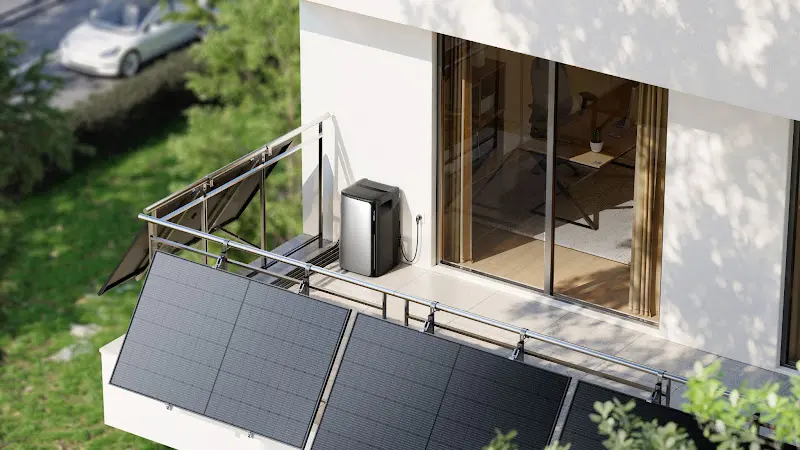
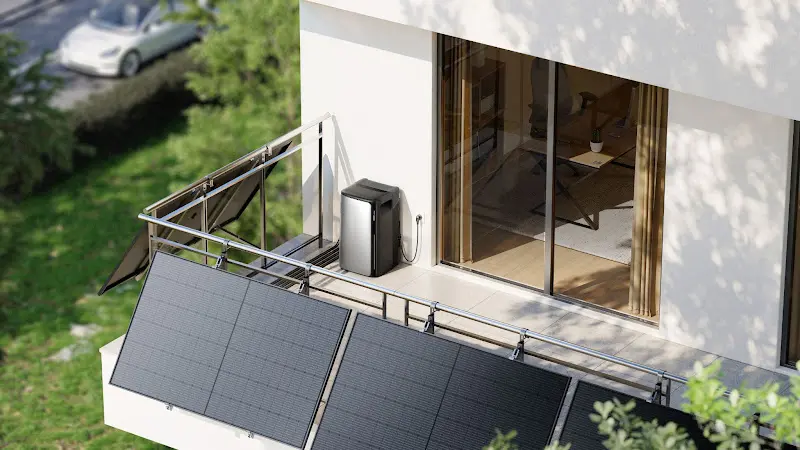
Mounting Hardware: Panels can be installed using adjustable ground mounts or balcony brackets, allowing users to optimize solar exposure without drilling into roofs.
How Solar Energy Reaches Your Home
When plug-in solar panels generate DC electricity, the microinverter converts it into AC power synchronized with your home’s electrical system. By matching the grid’s voltage, frequency, and phase, the microinverter allows solar energy to supply household loads first. If your appliances require more electricity than the solar system produces, the remaining power is supplied by the utility grid.
Certified microinverters comply with safety standards such as UL 1741 and IEEE 1547, which require built-in anti-islanding protection. During a grid outage, this feature automatically stops solar output to prevent backfeeding and protect utility workers.
Plug-and-Play vs. Traditional Solar Systems
The choice between doing a DIY plug-in solar setup or hiring professionals to install a rooftop system will be based on cost, flexibility, and how much power you need. Here is a quick comparison to help evaluate your options:
| Feature | Plug-and-Play Solar | Traditional Rooftop Solar |
|---|---|---|
| Installation | DIY-friendly setup (15–30 mins for portable systems; depends on system type) | Professional installation (Days/Weeks) |
| Upfront Cost | Low ($300–$3,000+) (Varies with battery storage) | High ($15,000–$25,000+) before incentives |
| Portability | Portable or easy to relocate; ideal for renters and RVs | Fixed, permanent home installation |
| System Size | Small to medium (100W–1200W+, depending on regulations) | Large (4kW–12kW+ residential systems) |
| Permitting & Approvals | Varies by system type and local regulations; grid-connected systems may require approval | Permits and utility approval are commonly required |
Where Can Plug-and-Play Solar Panels Be Used?
Plug-and-play solar panels are very flexible and can be used anywhere from residential homes to off-grid locations. The right setup depends on how and where you plan to use solar power.
Solar for Single-Family Homes
For homeowners living in single-family homes, plug-and-play solar can provide a flexible way to add solar generation without committing to a full rooftop solar installation. One common challenge is the mismatch between solar production and household demand, as solar panels typically generate the most electricity during sunny daytime hours while many households consume more energy in the evening.
For grid-connected homes, plug-and-play solar systems are typically designed to work with approved microinverters or hybrid systems that connect to the household electrical system. Adding compatible battery storage can help store excess solar energy for later use and increase solar self-consumption. These grid-connected systems must follow local electrical codes and utility interconnection requirements before exporting electricity to the grid. Systems such as the EcoFlow STREAM Ultra combine solar generation, battery storage, and smart energy management in one system to help homeowners optimize solar energy usage.
Note: Plug-in solar regulations, interconnection rules, and product approval vary significantly by state and local utility. Before purchasing or installing the EcoFlow STREAM Ultra, please check your local building codes and contact your utility provider to confirm specific permitting, metering, and plug-in solar installation requirements in your area.
Off-Grid Solar for Remote Locations
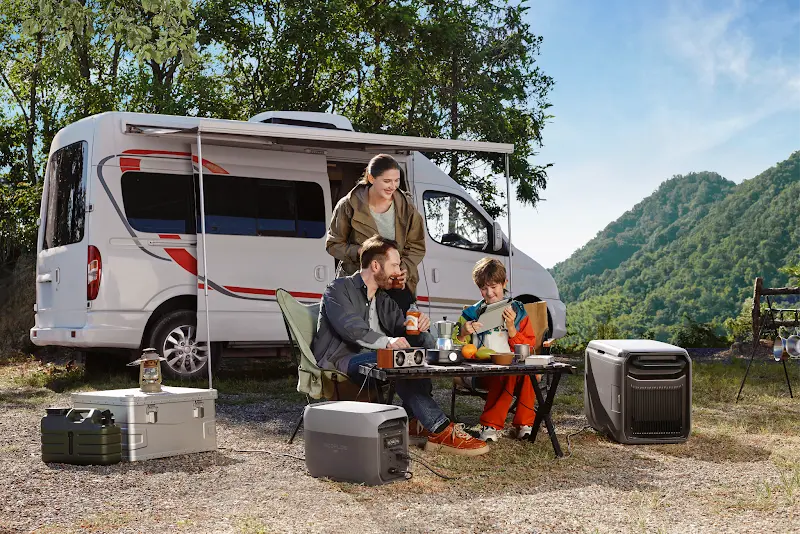
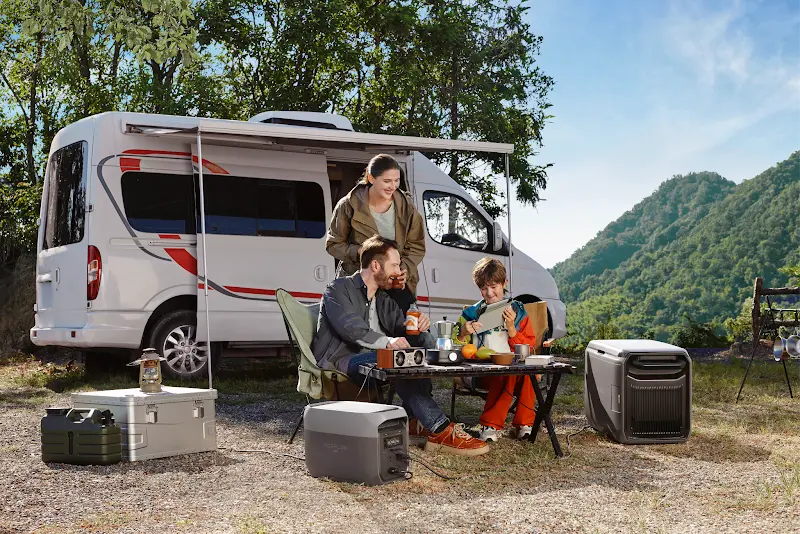
Reliable electricity is essential for off-grid living, helping power devices in remote locations such as hunting cabins, rural homesteads, and RV trips. A plug-and-play solar system provides a practical way to generate and store solar energy without relying entirely on fuel-powered generators. In off-grid applications, solar panels are typically connected to a portable power station or solar generator rather than a utility-connected inverter. These battery-based systems store solar energy during the day and provide power when sunlight is unavailable. Unlike grid-tied solar systems, off-grid systems operate independently from the utility grid and do not feed electricity back into utility lines.
For example, the EcoFlow DELTA 3 Max Solar Generator combines high-input solar charging with large battery capacity, providing a portable power solution for extended off-grid stays and emergency situations. Its flexible charging and storage options make it suitable for remote home backup and outdoor power.
Are Plug-and-Play Solar Panels Easy and Safe to Install?
Safety and ease of setup are top concerns for anyone considering a DIY energy system. Fortunately, modern plug-and-play solar hardware is designed with built-in safety features and straightforward installation procedures.
Simple DIY Solar Installation Steps
Setting up a plug-and-play solar system is generally straightforward, but grid-tied and off-grid configurations follow different connection requirements.
Step 1: Position the Panels:
Place your solar panels in a sunny location—such as a patio, open yard, balcony, or nearby shed roof. Be sure to check local HOA guidelines or placement restrictions before installation.
Step 2: Connect Solar Panels Based on Your System Type
Grid-tied setup: Connect the solar panels to a compatible microinverter or approved solar inverter. Before connecting the system to your home’s electrical system, ensure it meets local utility interconnection requirements.
Off-grid setup: Connect the solar panels to a compatible portable power station or solar generator through the dedicated solar input port. The stored energy can then power appliances independently without connecting to the utility grid.
Step 3: Monitor Energy Yield
Use integrated mobile app dashboards to monitor real-time solar generation and energy production.
Safe Connections for Home Solar Systems
Grid-tied solar systems connect directly to your household wiring to offset electricity use and must comply with local utility requirements. Without battery storage and backup equipment, they cannot provide household power during a grid outage. Unlike grid-tied systems, battery-based off-grid systems store solar energy for independent power use without relying on utility connections. For outdoor installations, use properly grounded, weather-resistant equipment and avoid overloading household circuits.
Installation Space and Sunlight Requirements
Solar panels require direct sunlight and should be placed away from shading caused by trees, roof overhangs, or neighboring buildings to maximize energy production. Position panels facing true South (or West for peak late-afternoon generation) at a tilt angle roughly equal to your geographic latitude. A small 400-watt plug-in setup typically requires around 20 to 25 square feet of unobstructed space. This can fit on decks, flat ground, or garage roofs, provided mounting systems are properly secured for local weather conditions and wind loads.
What Should You Consider Before Buying Plug-and-Play Solar Panels?
Before you purchase your system, you need to determine your energy baseline, check your house wiring setup, and check local guidelines.
Choosing the Right Solar Panel Size
The size of the system depends on what your baseline electrical load is. If you want to offset basic household standby power (“vampire loads” like Wi-Fi routers, smart home hubs, and small refrigerators), a 300W to 400W panel system is typically sufficient for basic standby loads. If you plan to power larger appliances or support extended off-grid stays, then you’ll need an 800W to 1200W expandable setup with battery storage.
Checking Grid and Outlet Compatibility
Verify that your home’s electrical wiring meets current standards. When charging your portable power station via AC, use a properly grounded outlet that matches the product’s charging requirements. Avoid using undersized or damaged extension cords, ensure outdoor receptacles have GFCI protection where required, and avoid overloading household circuits.
Reviewing Local Solar Rules and HOA Restrictions
Solar installation rules and incentives vary by state and local jurisdiction. Some state laws provide protections for certain residential solar installations. However, some Homeowners Associations (HOAs) enforce rules regarding panel placement on front-facing yards or exterior walls. If you are connecting a system to the grid, you must follow local utility interconnection requirements before exporting power. Plug-in solar legality in the U.S. depends on state regulations, utility requirements, and system type.
Are Plug-and-Play Solar Panels Worth It?
Deciding whether plug-in solar is right for you, comes down to weighing low upfront costs versus long-term energy savings. Also, you may consider what your home energy security goals are.
Benefits of Plug-and-Play Solar Panels
Plug-and-play solar offers clear advantages for typical consumers.
Affordability: Minimal upfront costs with zero mandatory installation contractor fees.
Portability: Easy to unplug, pack up, and move when renting or moving to a new home.
Emergency Preparedness: Battery-based solar generators can provide backup power during outages, while standard grid-tied microinverters shut down automatically without battery backup.
Environmental Impact: Reduces your household carbon footprint by using clean, renewable solar energy.
Limitations Compared With Rooftop Solar
Plug-in solar systems are convenient, but they aren’t designed to power an entire suburban home during a blackout. Plug-in solar systems are typically limited to smaller system sizes compared with rooftop solar, with allowable capacity depending on local regulations and electrical requirements. If your goal is to eliminate a high monthly electric bill entirely, then a full rooftop solar installation is the best solution.
Energy Savings and Long-Term Value
A standard 400W plug-and-play solar setup can generate approximately 1.5 to 2.0 kWh of electricity per day under favorable U.S. sunlight conditions. In regions with higher electricity rates, such as California, Hawaii, or some Northeast markets, where residential electricity prices can exceed $0.28 per kWh, this system size may help offset a portion of annual electricity costs.
Note: Actual energy production, savings, and payback periods vary depending on factors such as location, weather conditions, solar exposure, installation angle, electricity rates, system configuration, efficiency losses, and local utility policies.
Conclusion
Plug-and-play solar panels offer a very accessible, budget-friendly entry point into clean energy. These systems combine easy DIY installation, low upfront investment, and reliable performance. Plug-in systems provide homeowners, renters, and outdoor enthusiasts a chance to reduce reliance on the grid and help manage power costs. If you want to reduce your daytime energy use or power a remote off-grid cabin, portable solar hardware offers practical energy independence for modern living. Before installing any grid-connected plug-and-play solar system, be sure to check your local electrical codes, utility interconnection requirements, and applicable regulations.
FAQ
Are Plug-and-Play Solar Panels Legal in the U.S.?
Yes, but requirements vary by system type and location. Portable power stations and solar generators are generally allowed because they do not connect to the utility grid. For grid-connected plug-in solar systems, rules differ by state. Some states, including Utah, Maine, Virginia, and Maryland, have adopted policies allowing certain plug-in solar systems under specific conditions. Always check local regulations and utility requirements before installation.
Can I Just Plug a Solar Panel into an Outlet?
No, you cannot plug a raw solar panel directly into a standard wall outlet without an intervening grid-tied microinverter or power station. Solar panels output Direct Current (DC) power, whereas home outlets operate on Alternating Current (AC). Plugging a raw solar panel into a wall socket without a certified microinverter will short-circuit your equipment and create severe safety risks.
How Much Power Can You Get from Plug-In Solar Panels?
Most plug-in solar panel setups generate between 200 watts and 1,200 watts of power depending on system size and installation conditions. Actual output varies by location, weather conditions, shading, panel orientation, and system efficiency. Under good peak sun conditions, a typical 400W system can produce approximately 1.5 to 2.0 kWh of usable electricity per day, enough to power home office equipment, entertainment devices, and small kitchen appliances.
Is it possible to have solar power without rooftop panels?
Yes, you can easily enjoy solar power without installing panels on your roof by using ground-mounted panels, balcony racks, or portable solar generator kits. Plug-and-play solar systems offer practical alternatives for renters, homeowners with shaded roofs, or anyone looking to avoid permanent structural roof modifications.
For press requests or interview opportunities, reach out to our media team
media.na@ecoflow.com