Where Is Plug-In Solar Legal in the US? 2026 State-by-State Tracker
Plug-in solar is an accessible, low-barrier way to generate your own renewable energy, with no roof access or professional installation required. But it isn't legal everywhere in the US.
This 2026 tracker breaks down what plug-in solar is, how it works, and which states have passed laws protecting your right to use it.
What Is Plug-in Solar, and How Does It Work?
Plug-in solar panels can also be called plug-and-play or balcony solar. These compact systems are easy to install on your own, consisting of a few lightweight panels, a microinverter like the EcoFlow STREAM Microinverter*, and a standard 120V plug.
You don't need specialty scaffolding or roof mounting in order for them to work. The microinverter is key; it converts the DC energy generated by the panels into household AC.
When your home is connected to a plug-in setup, it will draw first from the panels before it pulls from the grid to offset your daytime energy consumption.
Other features of plug-in systems include anti-islanding and zero-export controls, so the unit stops producing energy if the grid goes down. It’s also well-suited to apartment renters because it doesn’t require renovations to lower electricity bills.
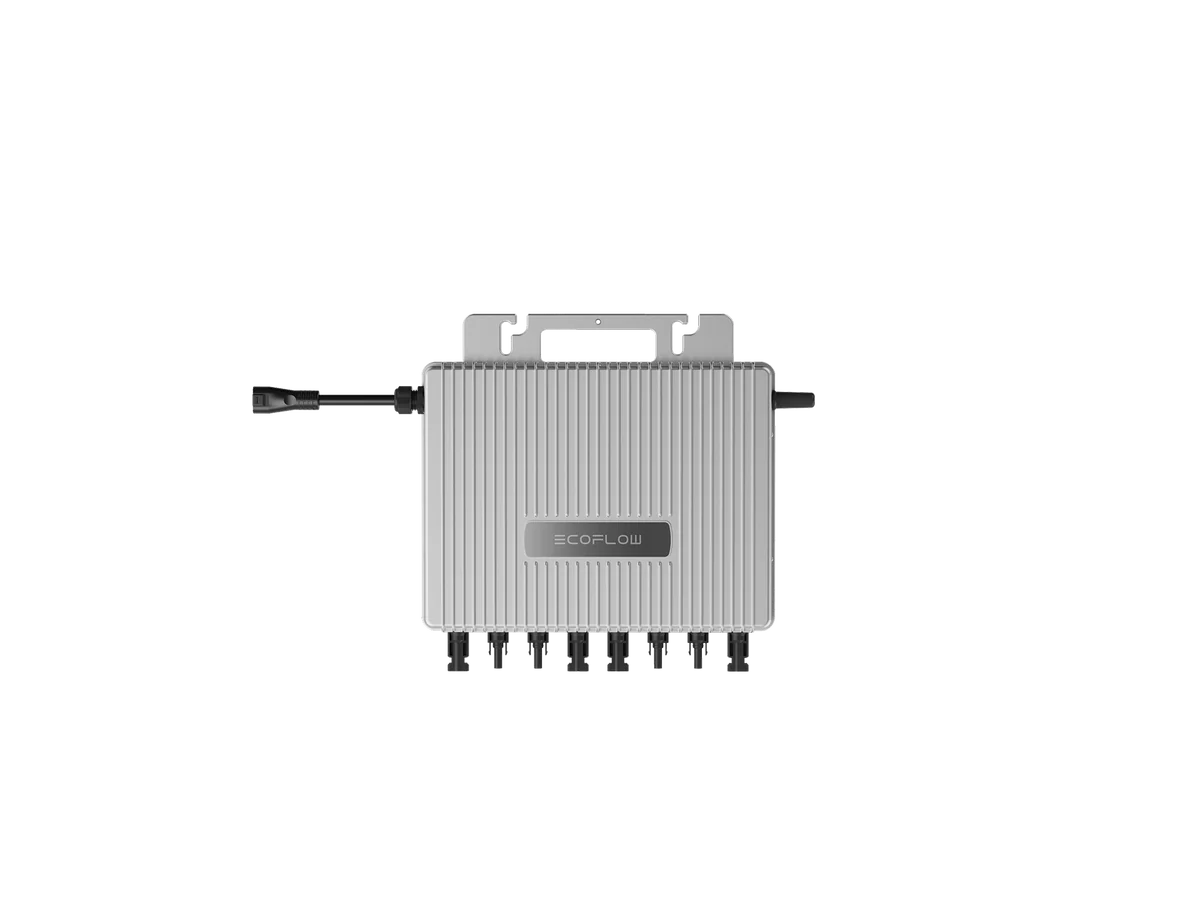
**EcoFlow STREAM Microinverter and EcoFlow STREAM Ultra are currently available for plug-and-play installation in Utah and Maryland. Check EcoFlow's site for the latest availability as legislation expands.
Are Plug-in Solar Panels Legal in the US?
The legality of this equipment varies by state in the US. Plug-in systems sat in a regulatory gray area until Utah's HB 340 created a dedicated legal category in 2025.
Historically, the barrier was interconnection approval, not the hardware, since rooftop-era rules required permits, sign-offs by electricians, and fees even for small units.
Plug-in solar is spreading throughout the US with help from UL 3700, the first US safety standard written specifically for these setups, giving states and utilities a framework to clear up regulatory uncertainty and move forward with legal plug-in solar programs.
Still, it remains a gray area in some states.
Regulatory Landscape in the US: 2026 State-By-State Guidance
If you live in a state where plug-and-play solar is in a legal gray area, these systems may not be explicitly banned, but they also don’t have legal protection.
Your utility company will likely still apply the same interconnection rules to small plug-in systems as they do to large rooftop arrays. This creates burdensome and expensive requirements before you can generate power.
Setting up a system that feeds power into your home’s circuit generally breaches traditional utility rules. There are also no renters’ rights, allowing landlords or HOAs to ban tenants or residents from using these setups.
However, plug-in solar is starting to catch on in the US. Here are five states where it’s currently legal as of June 2026:
Utah
Utah was the first state to legalize plug-in solar in May 2025. Under this legislation, residents can use devices up to 1,200W without an interconnection agreement, utility approval, or fees. However, it requires anti-islanding.
Maryland
Governor Moore signed the Utility RELIEF Act on May 12, 2026, and the law took effect immediately, making it the fifth state to legalize plug-and-play solar for renters and homeowners.
Maryland residents can currently install plug-in solar systems up to 1,200W without prior utility approval. Systems at or below 391W are exempt from UL certification requirements.
Customers must notify their utility after installation, but cannot be required to seek approval beforehand.
California
California's SB 868, known as the Plug-and-Play Solar Act, has passed the Senate and is currently moving through the Assembly. If signed into law, it would allow systems up to 1,200W and is expected to take effect in January 2027.
California hasn't passed plug-in solar legislation yet, but given the state's strong renewable energy track record, it remains one to watch.
New York
New York's SUNNY Act (A9111C) passed both chambers of the state legislature on May 28, 2026, and is currently awaiting Governor Kathy Hochul's signature. If signed, the law would take effect 90 days later and allow systems up to 1,200W, opening up plug-in solar to millions of renters and apartment dwellers across the state.
Colorado
Colorado officially signed off on plug-in solar around the same time as Maryland, but it has already set an effective date of January 1, 2027. Its wattage cap is 1920W, making it the highest in the US. The state’s HB26-1007 legislation references UL 3700 and bars landlords and HOAs from prohibiting any qualified installations.
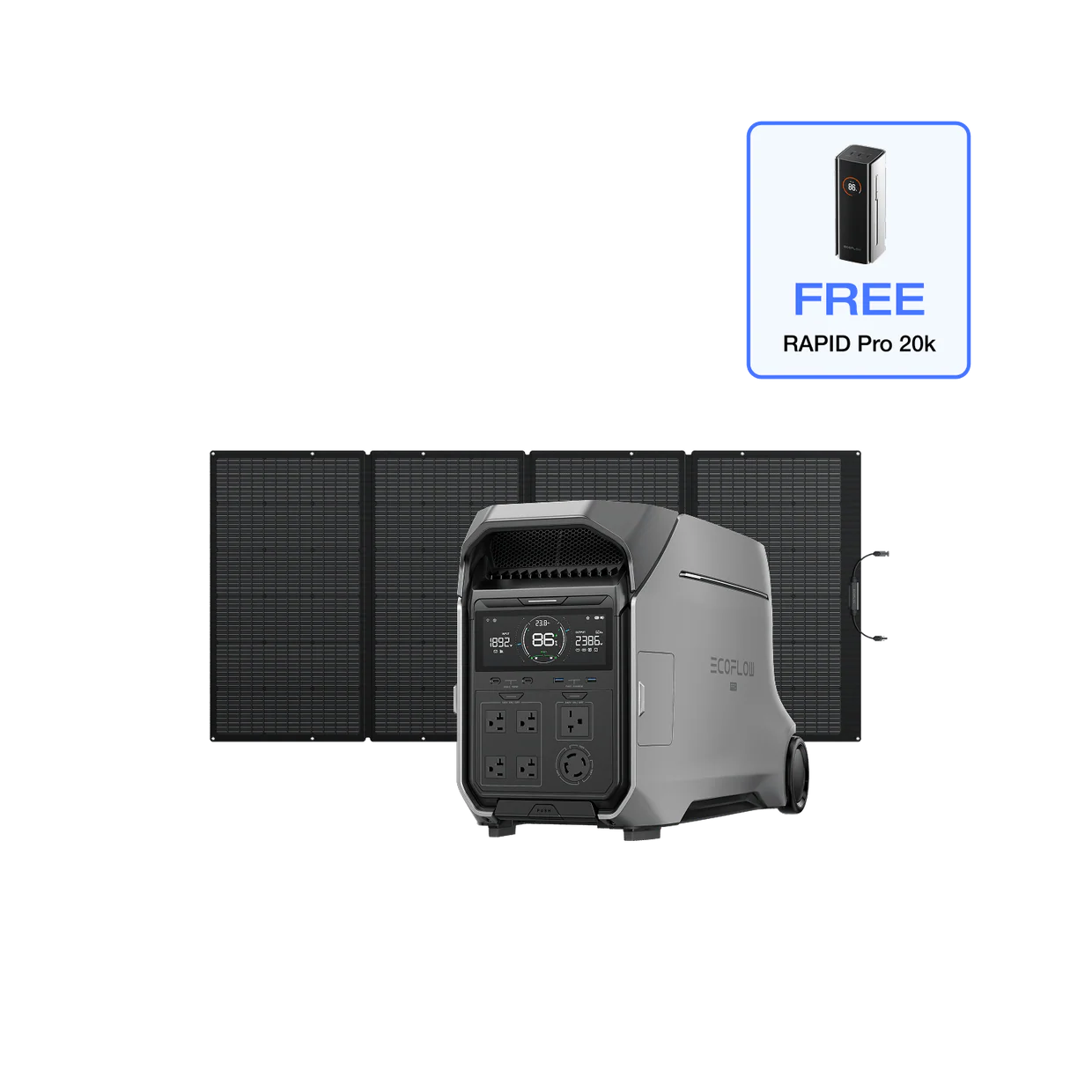
While Colorado residents wait for the effective date, you can still use off-grid setups that don’t feed into your home’s electrical panel, like the EcoFlow DELTA Pro 3 Solar Generator + 400W Solar Panel, which runs independently of your home and allows direct plug-in into the generator.
Maine
Maine's LD 1730 was signed into law on April 6, 2026, with an effective date of early July 2026.
The overall system cap is 1,200W. Systems at or below 420W can be self-installed with no utility notification required. Systems above 420W, up to the 1,200W cap, must be installed by a licensed electrician and require utility notification within 30 days of installation. Utilities cannot require interconnection agreements or charge fees.
Virginia
Virginia signed HB 395 into law on April 22, 2026. Most provisions take effect July 1, 2026, with certain consumer-facing provisions, including the full SCC notification framework, following on January 1, 2027.
The legislation allows systems up to 1,200W, removes utility pre-approval requirements, and includes strong tenant protections for landlords owning more than four units. Residents should check the State Corporation Commission's website for the current notification form before installing.
Frequently Asked Questions
Do Plug-in Solar Panels Really Work?
Yes, plug-in panels can offset daytime power consumption. For example, an 800W system can provide enough to run a small refrigerator by supplying solar-generated power used inside the home. Savings scale with higher local electricity rates and sun exposure, though panels only reduce grid draw and can’t zero out an entire bill.
Do I Need Utility Approval to Plug Solar into a Wall Outlet?
It depends on where you live. Some states, like Utah, do not require utility approval for certified devices, while others, like Maryland, require customers to notify their utility (not seek approval). In gray-area states, many utilities still apply interconnection rules to any grid-tied generation.
Save Money, Increase Resilience, Expand Energy Access
Plug-in solar can extend low-cost renewable energy systems to Americans who don’t have rooftop access because they either rent, lack a suitable roof, or can’t afford the upfront equipment and installation costs.
Plug-in solar setups are a practical, low-cost way to offset daytime energy use, but eligibility depends on where you live. Check your state and utility rules before investing to ensure it’s legal and usable.
If plug-and-play solar is legal in your state, all you need is a couple of solar panels, the EcoFlow STREAM Microinverter, and a balcony or yard space to get started.
For those who want to go further with full-home coverage that operates independently of plug-in solar rules and grid status, EcoFlow's whole-home backup power solutions are built for that purpose. The EcoFlow DELTA Pro Ultra X is one option in that range, delivering whole-home output that scales from 12kW up to 36kW depending on configuration.
Note: The state-by-state information in this article reflects plug-in solar legislation as of June 2026. This is a fast-moving area of law; rules in your state may have changed since publication, so always verify current regulations with your state's public utilities commission or official government website before purchasing or installing a system.
For press requests or interview opportunities, reach out to our media team
media.na@ecoflow.com