What Is Biomass Energy? How It Works, Pros, Cons, and Examples
Biomass energy is one of the oldest power sources humans have ever used. Long before power grids existed, people burned wood for heat and cooking. Today, it often gets left out of clean energy conversations. Solar panels and wind turbines grab most of the headlines. Yet organic matter still generates a substantial amount of electricity and heat across the United States. Understanding this resource helps clarify the broader transition to renewable power. This guide covers how biomass works, real-world examples, and the key pros and cons you should know.
Biomass Energy Definition and Examples
Biomass energy is power generated from organic materials. It pulls energy from plants, wood, agricultural residue, and organic waste. These items contain stored chemical energy from the sun, absorbed through photosynthesis.
When burned or processed, that trapped energy turns into usable electricity, heat, or liquid fuel. It is an active part of our current power mix.
Common Sources of Biomass Fuel
Biomass comes from many different feedstocks across the country.
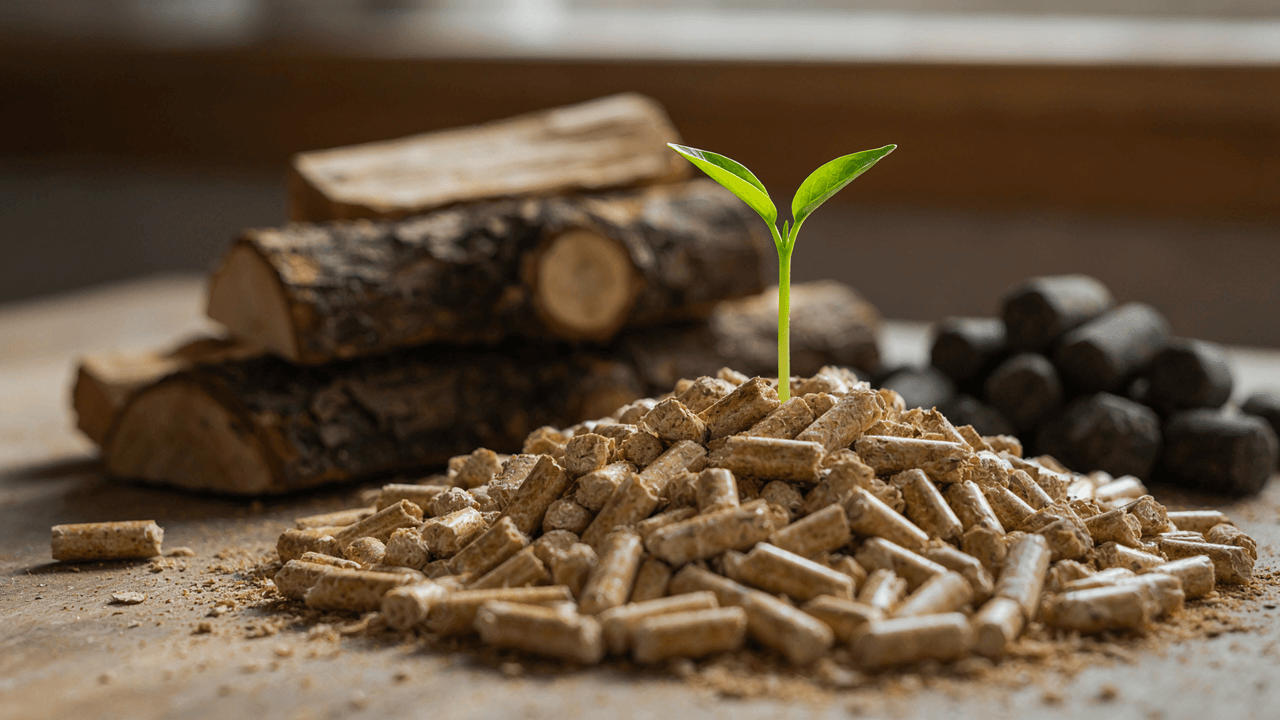
Forestry residue: Tree bark, sawdust, wood chips, and logging scraps from timber mills.
Agricultural crops and waste: Corn stalks, sugarcane bagasse, wheat straw, and rice husks.
Municipal solid waste (MSW): Food scraps, paper scraps, yard trimmings, and organic landfill refuse.
Animal manure: Livestock dung collected from dairy and hog farms.
Dedicated energy crops: Fast-growing switchgrass, willow, and hybrid poplar grown specifically for fuel.
Aquatic crops: Microalgae grown for high-yield biofuel extraction.
Real-World Examples in Everyday Life
You likely encounter biomass energy more often than you realize.
Residential wood stoves: High-efficiency wood pellet stoves heating rural homes during winter freezes.
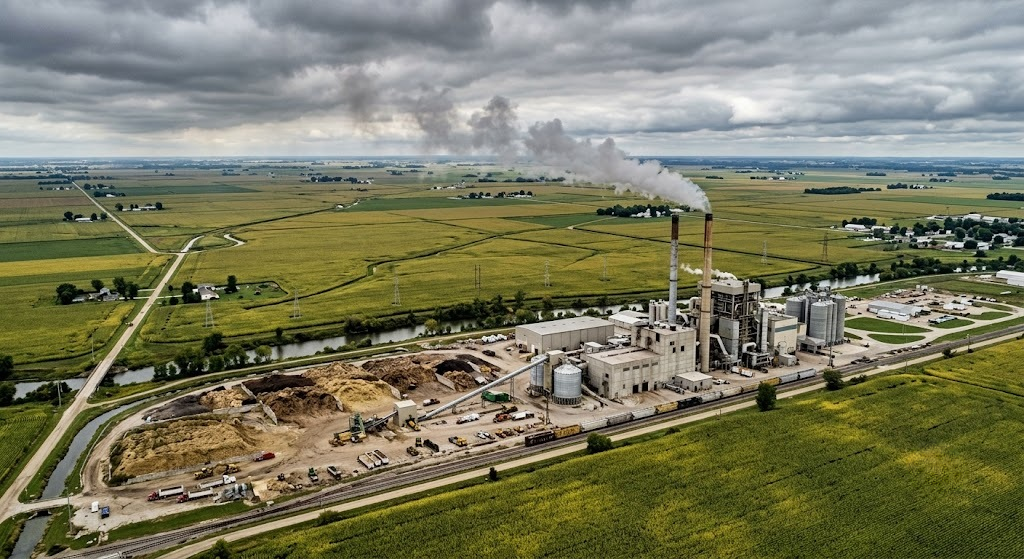
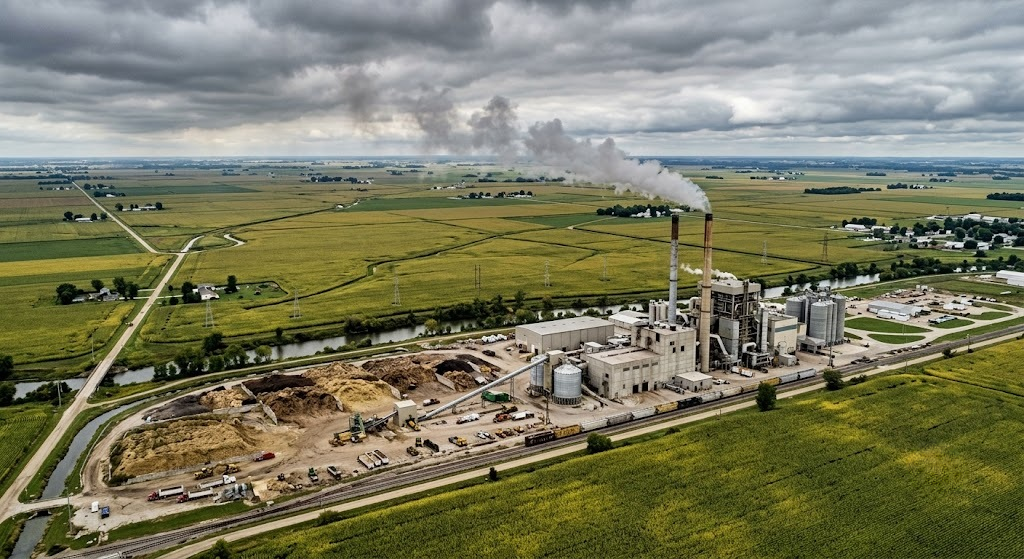
Utility power plants: Large facilities burning forestry debris to produce steady megawatt-scale electricity for towns.
Landfill gas-to-energy projects: Wells tapping municipal dumps to capture methane and power local fleet vehicles.
Biofuels in transportation: E10 or E85 ethanol blended into standard gasoline at local gas stations.
Dairy farm digesters: Enclosed systems turning livestock manure into electricity to run farm equipment.
Biomass Feedstock | Primary Conversion Method | End-Use Energy Type |
Wood pellets | Direct Combustion | Space heating, grid power |
Corn grain & stalks | Fermentation | Biofuel (Ethanol) |
Cow manure | Anaerobic Digestion | Biogas, renewable natural gas (RNG) |
Landfill trash | Gas capture | Biogas / Electricity |
Fast-growing algae | Hydrothermal liquefaction | Bio-crude oil |
Understanding how biomass stacks up against solar energy is a natural next comparison once the basics are clear. Solar generates power only when the sun shines. Biomass can run on demand as long as fuel is available.
Knowing what counts as biomass is one thing, but the process that turns it into usable power is worth understanding too.
How Biomass Energy Works
Several conversion methods turn organic material into energy. The most common ones are straightforward.
Direct Combustion
Combustion is the most common method. It burns organic material directly to produce steam that spins a turbine connected to a generator. This is how many utility-scale biomass plants work. At home, the same idea powers wood stoves and pellet boilers that heat living spaces and water.
Anaerobic Digestion
Anaerobic digestion breaks down organic waste in an oxygen-free environment. Bacteria produce biogas, primarily methane, which can be burned for heat or electricity. Farms and wastewater plants use this approach to turn manure and sewage into usable fuel. Many U.S. landfills capture the same gas and generate power with it.
Pyrolysis and Gasification
Pyrolysis heats biomass without oxygen to produce bio-oil, charcoal, and gases. Bio-oil can substitute for petroleum in some applications. Gasification uses higher temperatures with limited oxygen to create syngas (a mix of carbon monoxide and hydrogen). That gas can run engines or turbines.
At a household level, biomass boilers can heat both living spaces and water using wood pellets or chips instead of oil or gas. These systems are common in colder regions where heating demand stays high through winter.
Whatever the conversion method, the resulting power still needs somewhere reliable to go.
Storing Power Regardless of the Source
Biomass power plants can run on a schedule, but household-scale setups are not always constant. A pellet stove or wood boiler only produces heat and electricity while actively fed. During sudden winter outages or fuel delivery delays, that mechanical chain can break down.
If you generate power from off-grid biomass or pair it with residential solar solutions, you need dedicated battery storage. A heavy-duty battery bank stores daily energy surplus and smooths out voltage spikes. It ensures your lights, water pumps, and electronics run seamlessly, even when your primary fuel supply pauses.
If you need dependable power to back up small boilers, pellet feed augers, or essential household gear, the EcoFlow DELTA 3 Classic delivers quiet, compact performance.
For whole-home emergencies, running heavy power tools, or supporting high-load space heating fans, the EcoFlow DELTA 3 Max offers substantial capacity and raw output.
With storage covered, it's worth weighing biomass's real advantages against its downsides.
The Advantages of Biomass Energy
Biomass delivers distinct operational perks that intermittent renewables like wind and solar cannot always match.

1. Reliable, Dispatchable Power
Solar panels stop producing electricity at sunset, and wind turbines stall when the air settles. Biomass operates on demand.
Plant operators can add fuel to the burner whenever grid demand spikes. That dispatchable profile helps grid operators balance baseline loads without firing up dirty coal units.
2. Waste Diversion and Landfill Reduction
American cities generate millions of tons of trash every single month. When food scraps, yard waste, and cardboard sit in a municipal landfill, they decompose anaerobically. This off-gasses huge plumes of raw methane directly into the atmosphere.
Burning waste biomass or capturing landfill gas diverts tons of refuse from dumps. It extracts valuable energy from discarded scraps that would otherwise pollute local ecosystems.
3. Support for Rural Economies
Most biomass fuels originate in rural farming and forestry communities. Sourcing wood pellets, collecting crop chaff, and transporting fuel stocks keeps tax revenue and blue-collar jobs in rural towns. These supply chains provide valuable secondary income streams for American farmers and commercial loggers.
4. Carbon Neutrality Potential
Under the right forestry management practices, biomass qualifies as a closed-loop carbon cycle. Trees and grasses absorb carbon dioxide from the air as they grow through photosynthesis.
When burned, that exact amount of stored carbon returns to the atmosphere. As long as operators immediately plant replacement trees, net atmospheric carbon remains relatively balanced over time.
Those benefits come with tradeoffs that keep biomass from being a universal solution.
The Disadvantages of Biomass Energy
While the upsides are real, biomass is far from a magic bullet. It presents serious ecological, logistical, and economic headaches that limit its deployment.
1. High Land and Water Demands
Growing crops strictly for fuel requires enormous tracts of arable land. When energy companies buy vast acreage for switchgrass or corn ethanol, food crops get displaced.
This land pressure drives up food prices and often leads to deforestation. Biomass crops also demand substantial water for irrigation, placing strain on drought-prone western aquifers.
2. Combustion Air Pollution
Biomass is not an emissions-free power source. Burning organic material in a furnace releases carbon monoxide, volatile organic compounds (VOCs), nitrogen oxides, and fine particulate matter (PM2.5).
These emissions contribute to regional smog and can irritate respiratory conditions like asthma in nearby neighborhoods. Clean power setups like portable power solutions paired with solar produce clean electricity on-site with zero exhaust fumes.
3. Lower Energy Density and High Fuel Volumes
Dry wood chips hold far less energy per pound than crude oil, diesel, or natural gas. To generate the same megawatt output as a small coal plant, a biomass facility must burn mountains of wood.
Trucking those massive volumes from forest to furnace burns diesel fuel and beats up rural highways. That hauling footprint lowers the net efficiency of the entire operation.
Conclusion
Biomass energy turns wood, crop waste, and food scraps into usable heat, fuel, or electricity. It offers on-demand power. It also reduces landfill waste. However, it requires substantial land and creates smoke emissions. Weigh those dispatchable benefits carefully against emissions tradeoffs. Do not treat biomass as an exact swap for clean solar power.
If you use biomass or off-grid generation, reliable battery storage keeps that energy ready. The EcoFlow DELTA 3 Classic and EcoFlow DELTA 3 Max store electricity safely from any setup. They keep essential appliances running smoothly whenever outages hit your neighborhood.
FAQs
Is biomass energy really renewable?
Yes, because organic feedstocks naturally regrow. Plants absorb sunlight every season, and responsibly managed forests can be replanted continuously. However, harvesting must not outpace replanting rates to keep it truly renewable.
What is the most common type of biomass fuel?
Wood is the most common biomass fuel used today. This includes cordwood, compressed sawdust pellets, and sawmill scraps. Industries burn timber waste for steam, while homeowners rely heavily on pellet stoves.
Does biomass energy produce carbon emissions?
Yes, burning organic matter releases carbon dioxide into the air. However, those plants absorbed that exact carbon while growing. It remains carbon-neutral only if new vegetation is planted to absorb the emissions.
Can biomass be used to heat a single home?
Yes, modern pellet stoves and wood boilers efficiently heat individual homes. Automated augers feed compressed sawdust pellets into a fire pot. This provides steady, thermostat-controlled heat through standard vents or baseboards.
How does biomass energy compare to solar energy?
Biomass provides steady, on-demand power day or night, but it creates smoke emissions. Solar panels generate completely clean electricity with zero emissions, but they only produce power when the sun shines.
For press requests or interview opportunities, reach out to our media team
media.na@ecoflow.com