New Jersey Flooding: Why the Same Towns Keep Getting Hit
- Two Storms, One Summer: New Jersey's Recent Flash Flooding
- New Jersey's Long History of Catastrophic Flooding
- Keeping Your Home Powered During New Jersey's Flash Floods
- Why These Pop-Up Storms Hit New Jersey So Hard
- What to Do When Flash Flooding Hits
- Checking Your Flood Risk and Insurance in New Jersey
- Conclusion
- FAQs
Hawthorne, New Jersey, flooded twice in two weeks this summer. On July 28, Goffle Brook turned into rapids, and crews pulled people from stranded cars. On August 7, the fire chief called the storm "ferocious" after 25 rescues in a single night. One resident put it simply: "It's just getting worse and worse every year."
These weren't isolated freak events. They fit a longer pattern of fast-rising water in small North Jersey towns, power outages that hit at the same time, and a state history that already includes some of the region's worst floods. Here's what happened this summer, why these storms keep landing hardest in the same places, and what actually helps keep a house dry and powered when the next one arrives.
Two Storms, One Summer: New Jersey's Recent Flash Flooding
The late-summer weather pattern across North Jersey delivered severe, back-to-back flash flood events:
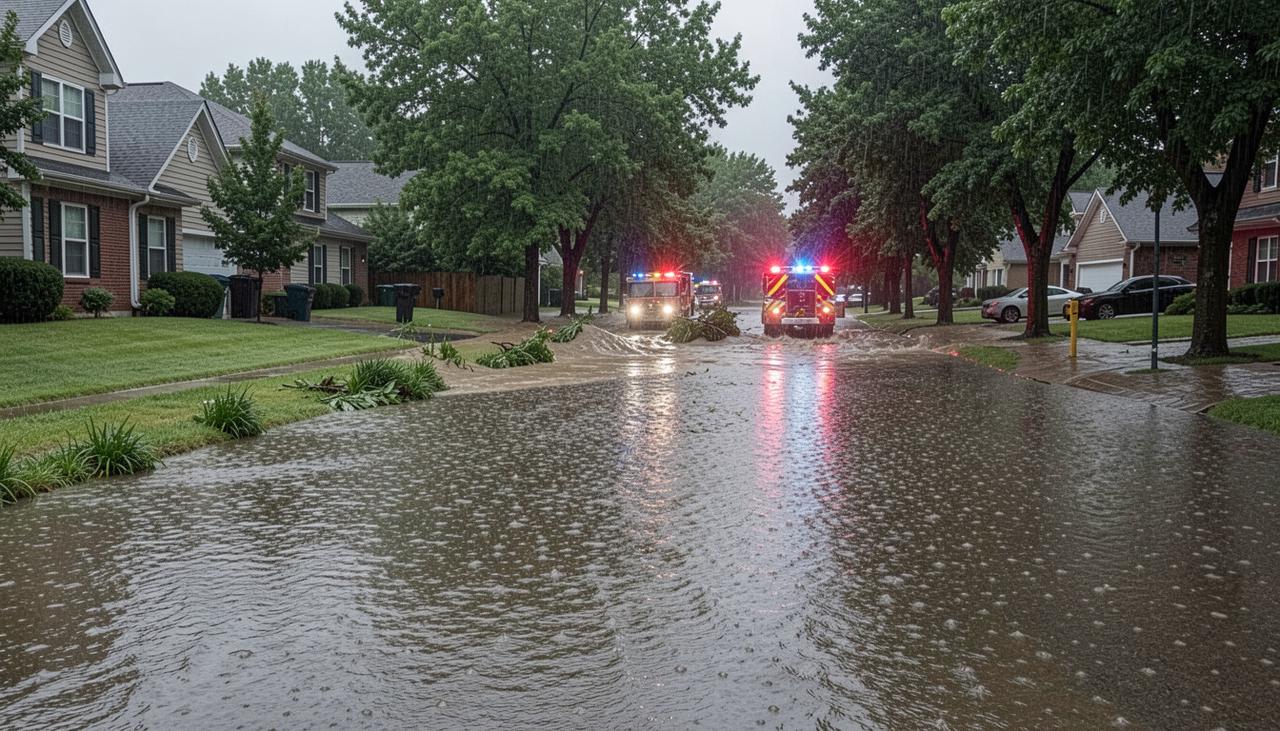
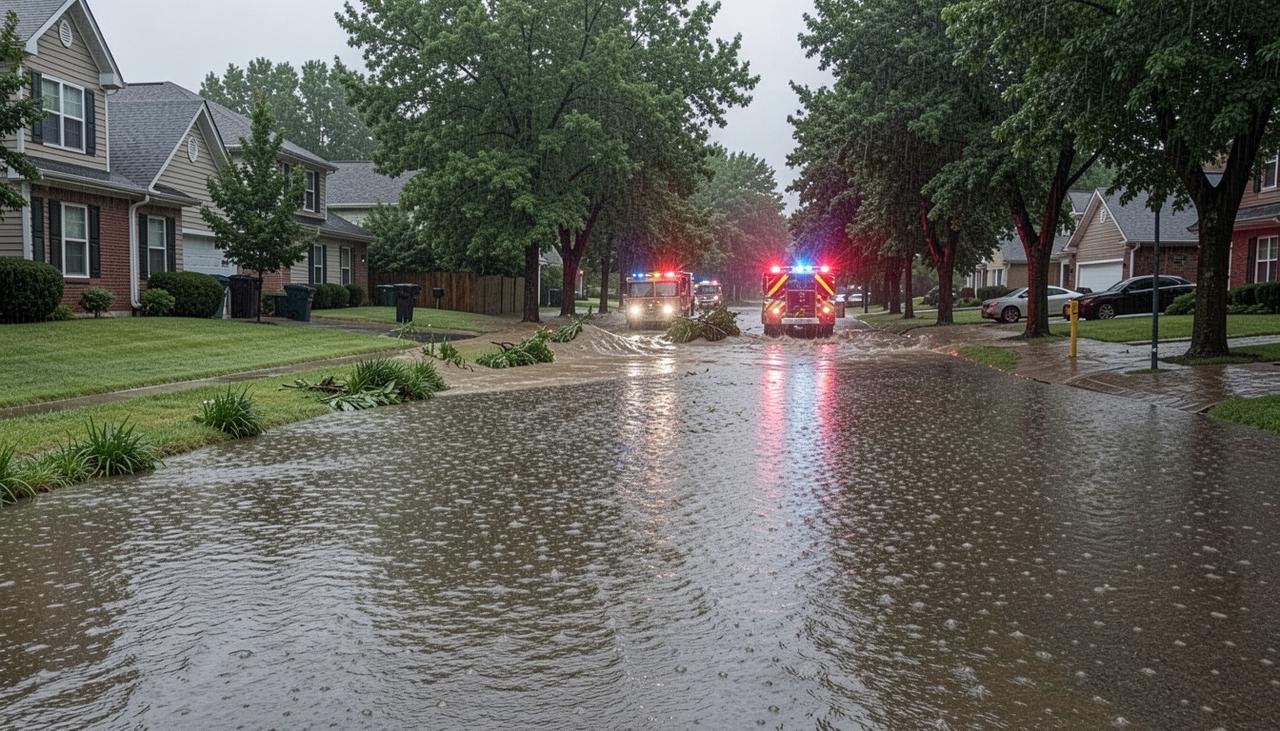
July 28, 2026: Severe storms moved through Ridgewood, Hawthorne, Franklin Lakes, Edison, River Edge, and Westwood. At least five vehicles required rescue in River Edge, while Goffle Brook in Hawthorne rose into dangerous rapids. In Ridgewood, lightning struck a building, destroyed its electric meter, and sparked a two-alarm fire.
August 7, 2026: Another round of severe thunderstorms brought roughly 1 to 2.5 inches of rain to parts of New Jersey, triggering another round of flash flooding. Hawthorne was hit again, with its fire department completing 25 rescues in a single night.
Ripple effects beyond the water: The storms also brought fallen trees, rail delays, thousands of power outages, and hail damage in communities including Franklin Lakes and Edison. The combination shows how quickly severe weather can disrupt daily life even outside the areas experiencing the worst flooding.
These sudden events illustrate how isolated thunderstorms and power outages frequently go hand-in-hand, allowing a single high-intensity storm cell to submerge one neighborhood while leaving an adjacent town dry.
As sudden as these storms feel, New Jersey's relationship with severe flooding goes back well over a century.
New Jersey's Long History of Catastrophic Flooding
New Jersey's flooding problem isn't new. Long before this summer's storms, the state built a documented history of catastrophic floods stretching back over a century, reshaping how towns prepare today.
Passaic river flood (1903)
More than 10 inches of torrential rainfall pushed the Passaic River over its banks for 12 straight days. The prolonged surge displaced roughly 1,200 residents, severed crucial transportation links, and destroyed seven regional bridges throughout heavily impacted northern New Jersey valley communities.
Delaware river flood (1955)
Back-to-back tropical cyclones dumped 10 to 20 inches of rain across the Delaware River basin within days. The catastrophic runoff triggered massive regional destruction, claimed approximately 200 lives across the Northeast, and reshaped modern emergency management and regional flood defense planning forever.
Raritan river flood (1999)
In 1999, the remnants of Hurricane Floyd dumped over 8 inches of rain across eight New Jersey counties in a single day. Bound Brook alone saw 10 feet of water rise right on Main Street, an image that still defines the town's flood risk today.
Tropical Storm Irene (2011) and Superstorm Sandy (2012)
Irene damaged roughly 200,000 New Jersey homes and left 1.5 million residents without electricity. Just one year later, Sandy generated a record 14-foot storm surge at Sandy Hook, cutting grid power statewide and inflicting over $30 billion in total economic damages.
These repeated disasters reflect broader national flood risks, reinforcing essential preparedness lessons about how quickly river basins can overwhelm surrounding communities and why understanding past floods can improve emergency planning.
With that history in mind, here's what it means to keep your own home and power running during the next storm.
Keeping Your Home Powered During New Jersey's Flash Floods
Both the July and August storms knocked out power to thousands of homes and at the same time the water was rising. When the lights go out during a flood, the priorities are usually a sump pump, refrigeration, medical devices, and phones or radios. A sump pump that keeps running through an outage is one of the biggest factors in how much water actually reaches a basement floor, which is why choosing the right home battery backup for flood protection matters as much as the pump itself.
When flash flooding knocks out the grid, a sump pump without power is the first thing to fail. A home battery backup keeps it running. The EcoFlow TITAN Plus is built for that job, delivering 7.2kW of backup output from a 5kWh base that can grow to 30kWh, so essential circuits stay live while water rises outside.
For homes with essential backup priorities rather than whole-house high-load demands, the standard EcoFlow TITAN provides an efficient alternative. Delivering 7.2kW split-phase power and 4kW solar input, it reliably keeps critical circuits like sump pumps, refrigerators, and lighting active through severe outages.
Backup power helps at home, but it's worth understanding why these storms hit small New Jersey towns particularly hard in the first place.
Why These Pop-Up Storms Hit New Jersey So Hard
Severe flash flooding in New Jersey happens frequently because modern summer cloudbursts collide with dense, historic infrastructure and compact local stream networks across the state.


Small, fast watersheds
Small, fast watersheds drive much of the risk. Streams like Goffle Brook can rise from a quiet trickle into full rapids within an hour of heavy rain, which leaves downstream neighborhoods very little warning time to move cars, sandbag doorways, or evacuate low-lying streets safely.
Dense, older downtowns
Dense, older downtowns concentrate on most of the damage. Many North Jersey towns were built close to streams and rivers long before modern stormwater planning existed, packing homes, businesses, and roads into historic town centers that end up flooding first and hardest whenever water rises quickly.
Summer storm intensity
Summer storm intensity overwhelms drainage systems built for a completely different era. Fast-moving, high-intensity summer thunderstorms can dump an inch or more of rain in under an hour, far beyond what older storm drains were originally designed to handle during much steadier, slower rainfall.
This inland, stream-driven risk extends beyond coastal communities. Homeowners can face dangerous flooding even when they live miles from the ocean, particularly near creeks, rivers, and low-lying areas. Understanding inland flash flood risks can help homeowners recognize hazards they might otherwise overlook.
Understanding why it happens matters less in the moment than knowing exactly what to do when it does.
What to Do When Flash Flooding Hits
Flash floods can become dangerous within minutes, leaving little time to react. Knowing when to move, where to go, and what hazards to avoid can help protect lives and property.
Never drive through floodwater
Officials in Hawthorne warned drivers to avoid flooded roads and never ignore barricades after multiple vehicle rescues this summer. Just six inches of moving water can sweep a car off the road. Turn around and find another route instead of testing the depth.
Get to higher ground fast
Streams like Goffle Brook can rise from normal flow to impassable in under an hour. Waiting to see how bad it gets often means waiting too long. Move to higher ground as soon as water starts rising or warnings arrive.
Stay alert after the water recedes
Flood dangers can remain after rainfall stops. Watch for downed trees, damaged roads, and exposed power lines, and avoid touching electrical equipment affected by water. When safe, photograph property damage before beginning cleanup or repairs.
These basic precautions can make a critical difference during rapidly developing flash floods, from avoiding dangerous roads to recognizing when evacuation is necessary. Following practical flash flood survival guidance can help households prepare for these emergencies before severe weather arrives.
Once the immediate danger passes, it's worth knowing what your insurance actually covers before the next storm rolls through.
Checking Your Flood Risk and Insurance in New Jersey
Standard homeowners insurance policies typically exclude water damage caused by overland flooding and storm surges. To protect your property, securing dedicated flood insurance through the National Flood Insurance Program (NFIP) or a private carrier is essential.
Determining your local exposure starts with the FEMA Flood Map Service Center. This online tool allows any New Jersey homeowner to search their specific address and view their official flood zone designation. Checking this map is critical even for residents living away from major rivers, as localized cloudbursts can quickly turn modest neighborhood streams and low-lying roadways into severe hazards.
Flood vulnerability is never static, especially across a state experiencing increasingly frequent and intense summer downpours. Rather than relying on outdated property assessments, periodically rechecking your risk classification ensures your active coverage limits adequately match current structural rebuilding costs and modern storm severity.
Conclusion
Hawthorne flooding twice in two weeks shows that New Jersey's flood risk is not slowing down. Small, fast-rising watersheds and historically flood-prone downtowns have caused major disasters for over a century, and pop-up summer storms are adding to that pattern. Know your neighborhood's flood risk, carry separate flood insurance, and have backup power ready before the next outage. With a qualified electrician installing Smart Home Panel 10, EcoFlow TITAN and EcoFlow TITAN Plus can keep up to 10 selected circuits, such as a sump pump and refrigerator, powered through an outage.
FAQs
Why does New Jersey keep getting hit by flash flooding?
Small watersheds rise fast, many towns sit beside streams, and summer storms can dump heavy rain in under an hour. Older drainage systems cannot keep up, so streets and basements flood with little warning.
Is New Jersey flooding right now?
Current conditions depend on active regional weather patterns. Check live updates from the National Weather Service, county OEM advisories, and state transportation alert dashboards for real-time flood watches, flash flood warnings, or sudden roadway closures.
What was the worst flood in New Jersey's history?
While the 1903 Passaic and 1955 Delaware floods were catastrophic, Superstorm Sandy in 2012 was the costliest, causing $30 billion in statewide damage alongside a historic 14-foot storm surge that battered coastal regions.
Does homeowners insurance cover flood damage in New Jersey?
Standard homeowners policies typically exclude flood damage. Homeowners need a separate flood policy, through the National Flood Insurance Program or a private insurer, to be covered, and it's worth checking that policy before storm season rather than after a claim gets denied.
What should I do if I'm caught in a flash flood in New Jersey?
Never drive through floodwater. Move to higher ground right away. After waters recede, avoid downed power lines and photograph property damage. For home protection, backup power such as an EcoFlow TITAN system can help keep a sump pump running during an outage when installed with Smart Home Panel 10 by a qualified electrician.
For press requests or interview opportunities, reach out to our media team
media.na@ecoflow.com