What Causes Carbon Monoxide in a House? Common Sources and Risks
Carbon monoxide in a house usually begins with a fuel-burning appliance, vehicle, or engine. A blocked flue, damaged component, or poorly placed generator can send exhaust into living areas instead of safely outdoors.
Carbon monoxide, or CO, cannot be seen or smelled. It is different from unburned natural gas, which utilities add an odorant to so leaks are easier to notice. A home can have a serious CO problem without a “gas leak” odor, making working alarms, regular maintenance, and safe equipment use essential.
What Are the Most Common Sources of Carbon Monoxide in a Home?
Any appliance or engine that burns natural gas, propane, heating oil, gasoline, kerosene, coal, or wood can produce CO. The risk increases when combustion is incomplete, exhaust is blocked, or equipment is used in an enclosed space. Common places to check include the heating system, water heater, kitchen, laundry area, fireplace, attached garage, and backup-power equipment.
For backup electricity without combustion exhaust during normal battery operation, a portable power station can support compatible plug-in loads; it does not replace CO alarms or appliance maintenance.
Furnaces and Water Heaters
Furnaces and water heaters depend on sound burners, adequate combustion air, and intact venting. A loose connector, corroded flue, blocked chimney, or malfunctioning burner can spill exhaust into a utility room. Furnaces also need professional inspection of the heat exchanger and safety controls; a homeowner cannot reliably judge their condition by sight.
Backdrafting can occur when a kitchen hood, dryer, or exhaust fan depressurizes the house and pulls gases from a naturally vented appliance into the room. Soot, scorch marks, unusual condensation, corrosion, or a pilot that repeatedly goes out warrant a service call. The absence of these signs, however, does not prove that an appliance is operating correctly.
Gas Stoves, Ovens, and Clothes Dryers
Gas ranges release combustion byproducts into the kitchen. Use an exhaust hood that vents outdoors when possible, keep burner ports clean, and never leave an oven open to heat the home.
Flame appearance can sometimes point to a dirty burner or poor adjustment, but color alone is not a dependable carbon monoxide test. Some appliances are designed to show yellow-tipped flames, and food residue or humidity may also affect appearance. A persistent change in flame, new soot, delayed ignition, or an unusual operating sound should be evaluated by a qualified technician rather than diagnosed from color alone.
A gas dryer also needs an intact exhaust path. Lint buildup, crushed ducting, separated joints, or a blocked outdoor hood can interfere with airflow. Clean the lint screen, inspect visible ductwork, and arrange cleaning or repair when the concealed run is restricted or damaged.
Fireplaces, Wood Stoves, and Space Heaters
Wood smoke contains CO. A fireplace or stove needs a clear chimney, a functioning damper, and enough draft to move gases outdoors. Creosote, animal nests, damaged masonry, snow, or a faulty chimney cap can obstruct that path. Arrange regular inspection and cleaning as needed, burn only approved fuel, and stop using the appliance if smoke enters the room or a CO alarm activates.
Portable kerosene and propane heaters require equal care. Use only models listed for indoor use and follow the manufacturer’s ventilation and fuel instructions. Patio heaters, camp stoves, charcoal grills, and construction heaters are not safe indoors simply because a window is open.
Portable Generators and Gas-Powered Equipment
A portable generator can produce a dangerous amount of CO quickly. Run it outdoors, at least 20 feet from doors, windows, and vents, with the exhaust directed away from the house. A garage, basement, shed, breezeway, carport, or covered porch is not safe, even with doors open.
Wind can carry carbon monoxide from a generator toward open doors and windows, so exhaust direction matters as well as distance.
Apply the same rule to pressure washers, pumps, lawn equipment, and other gasoline-powered tools. Exhaust can enter through a window, soffit vent, dryer vent, or nearby door.
Never warm or idle a vehicle in an attached garage. Move it fully outdoors first. After heavy snow, clear the tailpipe before starting the engine because a blockage can force exhaust beneath or into the vehicle.
Why Does Carbon Monoxide Build Up Inside a House?
CO accumulates when a source produces it faster than it can disperse. Weather, air-pressure differences, and vent condition influence whether exhaust leaves the property or moves into occupied rooms.
Blocked vents and poor draft help explain what causes carbon monoxide in homes: exhaust stays inside instead of dispersing outdoors.
Poor Ventilation and Blocked Vents
Tighter construction can improve efficiency, but fuel-burning equipment still needs the combustion air and venting specified for its design. Problems may appear when an older naturally vented furnace, boiler, or water heater remains in a house that has been substantially air-sealed.
Exterior terminations also need room to operate. Windblown snow can cover a sidewall vent. Ice may form around an intake or exhaust, leaves can collect at a low outlet, and birds or small animals may obstruct a chimney. Inspect accessible terminations from the ground after severe weather, following the appliance manual. Do not climb onto an icy roof or dismantle venting while the equipment is running.
Exhaust fans can also change air pressure. A large range hood, dryer, and bathroom fan operating together may pull more air out than planned inlets replace. A trained technician can test draft and combustion under realistic conditions.
Faulty Appliances and Damaged Exhaust Systems
Burners and vents deteriorate with age. Rust can perforate a connector, a joint can separate, and a high-efficiency appliance’s condensate drain can clog. Renovation work may also disturb a flue or reduce available combustion air.
Repairs must follow the manufacturer’s instructions and applicable code. Foil tape, a mismatched replacement vent, or a homemade draft-hood cover can create a new hazard. Leave an appliance off if it repeatedly shuts down, produces soot, or activates a CO alarm, and have a qualified professional find the cause.
Do not rely on a CO alarm as a maintenance tool. Its purpose is to warn occupants of a potentially dangerous condition, not to certify that a furnace or water heater is burning cleanly every day.
Improper Use of Fuel-Burning Equipment During Power Outage
Wood fires, vehicle exhaust, and outdoor engines can explain what causes carbon monoxide in a house without gas.
Outages create predictable CO risks. A generator is moved closer to shelter, a grill comes into the garage, or a vehicle is left running to charge phones. Exhaust may enter occupied rooms before anyone recognizes the danger.
Choose the generator location before storm season. Use only an operating cover approved by its manufacturer, keep suitable outdoor-rated cords available, and have transfer equipment installed professionally. Never connect a generator to a wall outlet with a double-male cord; backfeeding can injure residents and utility workers.
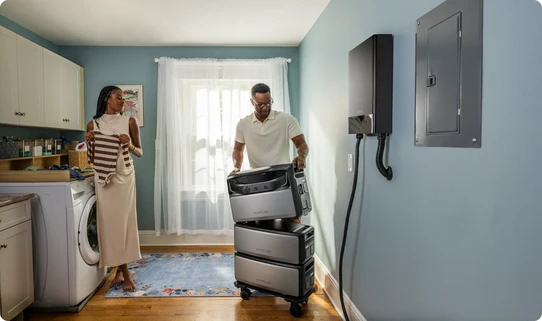
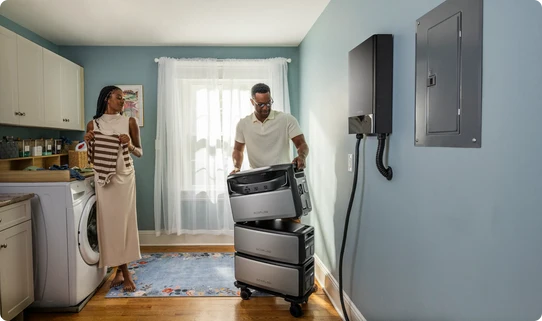
A battery system does not produce combustion exhaust while supplying electricity. For households that want to reduce generator use while supporting a broader group of compatible loads, the EcoFlow TITAN 5000 Plus starts with 5kWh of battery capacity and provides 7.2kW of battery output. Its capacity can expand to 30kWh when longer backup time is needed. Battery backup may reduce the number of hours an engine generator is required, but it does not remove other household CO risks from a gas furnace, fireplace, water heater, or attached garage. Working CO alarms remain essential.
What Are the Signs and Risks of Carbon Monoxide Poisoning?
Breathing combustion fumes is what causes carbon monoxide poisoning; the severity depends on concentration, exposure duration, and individual health.
Early CO poisoning can resemble influenza, a migraine, fatigue, or food poisoning. Common symptoms include headache, dizziness, weakness, nausea, vomiting, chest pain, and confusion. CO poisoning does not ordinarily cause a fever.
Several people becoming ill together, symptoms beginning in one building, or a pet suddenly appearing weak can point to an environmental exposure. If an alarm sounds or poisoning is suspected, move everyone to fresh air, call 911, and do not re-enter until emergency personnel say it is safe.
Exposure Level | Typical CO Concentration | Possible Effects |
Low | 1-70 ppm | Many healthy adults may notice no obvious effects, although exposure is not harmless for every person and symptoms depend on duration. |
Moderate | Around 70 ppm | Headache, fatigue, or other symptoms may become more noticeable with longer exposure. |
High | Around 400 ppm | Sustained exposure can cause serious neurological and cardiac effects; there is no reliable symptom timetable. |
Severe | Around 800 ppm | Dizziness, nausea, and collapse can occur quickly; prolonged exposure can lead to unconsciousness or death. |
Extreme | 1,600+ ppm | This exceeds NIOSH's 1,200 ppm immediately-dangerous-to-life-or-health level. Evacuate and call emergency services. |
These concentrations are illustrative examples, not official exposure categories or a symptom timetable. As the U.S. Consumer Product Safety Commission (CPSC) explains, the effects of carbon monoxide exposure depend on both concentration and duration. Individual health factors also affect risk. Workplace exposure limits, such as those published by NIOSH, should not be interpreted as safe residential exposure levels. Home CO alarms use time-based response rules and are not general-purpose air-quality meters.
Common Symptoms of Carbon Monoxide Poisoning
Headache that has no clear explanation
Dizziness, weakness, or unusual fatigue
Nausea, vomiting, or an upset stomach
Chest pain or shortness of breath
Blurred vision, poor coordination, or confusion
Drowsiness, collapse, or loss of consciousness in severe cases
Never assume a sleeping or unconscious person will wake to an alarm. Move to fresh air without putting yourself at risk, call 911, and tell the dispatcher that CO may be involved.
Short-Term and Long-Term Health Effects
Carbon monoxide binds to hemoglobin and reduces the blood’s ability to carry oxygen. The brain and heart are especially vulnerable. High exposure can lead to poor judgment, loss of coordination, fainting, heart injury, coma, or death.
Some people recover after treatment; others experience delayed problems with concentration, memory, mood, or movement. Symptoms can appear after an apparent improvement, so anyone treated for a significant exposure should follow the clinician’s discharge and follow-up instructions.
Groups at Higher Risk of Carbon Monoxide Poisoning
Anyone can be poisoned, but the same exposure may affect one household member more severely than another. Greater concern applies to:
Unborn babies and infants, who are among the groups more vulnerable to carbon monoxide exposure.
Older adults, particularly those with underlying cardiac, respiratory, or neurological conditions.
Individuals with chronic health issues, including coronary artery disease, anemia, or breathing disorders.
People who are asleep, impaired, or unable to respond independently may not recognize early symptoms. Households should plan how to assist children, older relatives, people with disabilities, and pets.
How Can You Prevent Carbon Monoxide Poisoning at Home?
Effective prevention combines working alarms, proper appliance maintenance, and firm household rules that keep engines and outdoor cooking equipment away from living spaces.
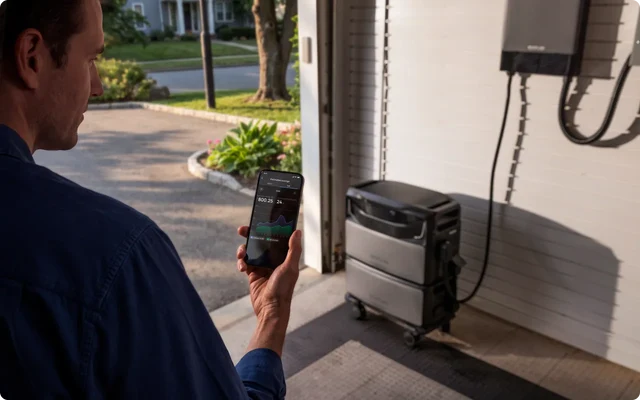
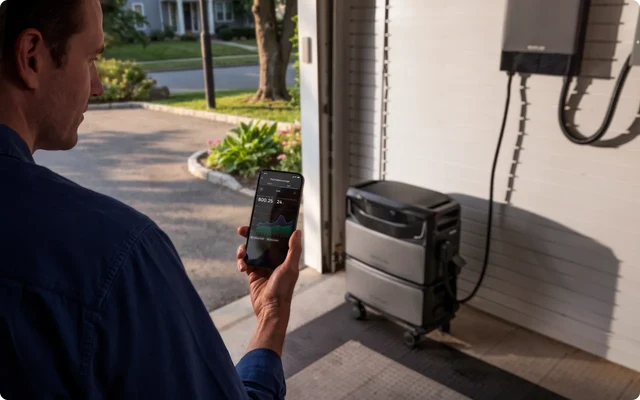
A home battery can provide stored electricity for compatible essential loads without burning fuel during normal battery operation, while alarms and appliance maintenance remain necessary.
Install Carbon Monoxide Detectors
Install CO alarms on every level of the home and outside sleeping areas, following the manufacturer’s placement instructions and local code. Some jurisdictions require additional alarms near attached garages, fuel-burning equipment, or individual bedrooms. Placement height and distance from cooking appliances vary by model, so instructions on the package take precedence over a generic rule.
Choose alarms listed or certified to the applicable U.S. safety standard. Battery, plug-in, hardwired, interconnected, and combination smoke-and-CO models are available; placement must satisfy the instructions and local code for each hazard.
Test each alarm monthly, replace batteries as directed, and learn the difference between an emergency pattern and a low-battery or end-of-life chirp. Replace the entire unit by the manufacturer’s date even if its test button still sounds.
Inspect Fuel-Burning Appliances Regularly
Have the heating system, water heater, and other fuel-burning equipment serviced by a qualified professional as recommended, commonly before the heating season. Venting, draft, burners, safety controls, and combustion performance all deserve attention.
Have fireplaces and wood stoves inspected and cleaned as needed. Keep exterior vents clear without altering them, and recheck after deep snow. Renters should promptly report soot, damaged vents, or repeated appliance shutdowns. Call emergency services first if an alarm is sounding or anyone feels ill.
Between service visits, never heat rooms with a gas oven, idle a vehicle in an attached garage, or operate a grill, camp stove, or engine generator in an enclosed space.
Reduce Reliance on Fuel-Powered Generators
List essential backup loads, such as refrigeration, communications, lighting, and other essential 120V devices. Record running wattage, startup demand, and expected daily use. A battery that starts an appliance may still lack the capacity to run it long enough.
The EcoFlow TITAN 5000 Classic is designed for essential 120V home backup. It starts with 5kWh of battery capacity and provides 4kW of 120V AC output for a compatible combination of loads such as refrigeration, communications, lighting, and computers. Capacity can expand to 30kWh when longer backup time is needed. Test intended plug-in loads before storm season, and keep the unit dry with its vents clear.
Do not improvise a connection to a furnace, well pump, panel, or permanent circuit. Such loads may require approved transfer equipment or professional installation. Battery storage can reduce generator runtime, but safe generator placement and working CO alarms remain necessary.
Before relying on stored electricity, test power station runtime before an emergency using the intended loads and record startup demand, average consumption, and measured operating time.
Conclusion
Carbon monoxide in a house is usually traced to a fuel-burning appliance, fireplace, vehicle, or engine whose exhaust is not reaching open outdoor air. The cause may be mechanical, or otherwise functional equipment may have been placed in an unsafe location.
Install and maintain CO alarms, service combustion equipment, keep vents clear, and treat generator placement as a safety requirement. If an alarm sounds or several people develop compatible symptoms, leave immediately and call 911 from outside. Emergency responders and qualified technicians can determine when the home is safe again.
FAQs
Do I Need a Carbon Monoxide Detector if My House Is All-Electric?
Yes. An all-electric house has fewer routine sources, but CO can still come from an attached garage, an outage generator, equipment carried indoors, or a neighboring unit. The U.S. Consumer Product Safety Commission recommends alarms on every level of a home and outside sleeping areas, and local code may impose additional requirements.
How Quickly Do You Get Sick from Carbon Monoxide?
There is no single timeline. Risk depends on concentration, duration, activity, age, and health. Lower concentrations may cause subtle symptoms over time, while a high concentration can lead to confusion or collapse rapidly. Never use the absence of symptoms or an online chart to declare a building safe. Leave when an alarm sounds.
Does Opening Windows Prevent Carbon Monoxide Poisoning?
No. An open window cannot make a damaged furnace, blocked chimney, indoor generator, or idling vehicle safe. Wind may also redirect exhaust toward another opening. Evacuate when an alarm sounds, and have the source corrected before using the equipment again.
How to Clear Carbon Monoxide from House Naturally?
Get every person and pet outside, call 911, and wait at a safe location. Do not delay to open windows, switch off appliances, or search for the source. Firefighters can measure and ventilate the building; a qualified trade professional can then repair and test the source. Return only after emergency personnel give clearance.
How Much Does It Cost to Have a Carbon Monoxide Detector Installed?
Battery and plug-in alarms are generally straightforward homeowner purchases where local code permits. Professional installation costs vary by alarm type, wiring needs, location, and the scope of work; obtain a current local quote. Hardwiring, new wiring, drywall repair, permits, or difficult access can raise the cost. Confirm whether the quote includes the alarm, labor, testing, cleanup, and permits.
For press requests or interview opportunities, reach out to our media team
media.na@ecoflow.com