When Should You Turn On Your Heat? Temperature Guidelines and Tips
When fall temperatures start dropping and winter is around the corner, it’s time to think about when to turn the heat on. Is it best to wait till it’s below 50°F outside, or switch on the heater as soon as you feel chilly? There’s no single outdoor temperature that works best for every home and every region. Insulation, overnight lows, your heating system and how you like your comfort all play a role. This guide helps you decide when to start heating your home, what thermostat settings make sense in winter, and how to keep heating costs under control.
At What Temperature Should You Turn On Your Heat?
Outdoor temperature is a useful reference, but your indoor temperature is a better indicator as to when heating is needed. Understanding when should you turn your heat on depends on factors such as indoor comfort, insulation, and your heating system rather than a single outdoor temperature.
Use Outdoor Temperatures as a General Guide
Outdoor daytime temperatures around 55°F to 60°F are a good reminder to start thinking about turning on the heat, especially when colder nights are expected. This can help homeowners decide when should you turn the heat on in your house based on seasonal changes and comfort needs. A well-insulated home may stay comfortable inside when it’s below 60°F outside. However, for an older, draftier house,it may need heating at night. In any case, your indoor comfort should determine when heat is needed rather than a specific outdoor temperature.
Check Indoor Temperatures Before Turning On the Heat
A well-insulated home may stay around 70°F indoors even when it’s in the low 50s°F outside. For many households, an indoor temperature of 68°F is a comfortable starting point during waking hours. If the indoor temperature consistently falls below that level and it feels chilly, then consider turning on the heat. The settings are typically personal, and each household may prefer warmer or cooler settings.
Account for Vulnerable Household Members
Infants, older adults, and people with certain health conditions may need warmer, more consistent indoor temperatures. The World Health Organization identifies 64°F (18°C) as a generally safe minimum temperature during cold seasons for healthy adults, while those vulnerable individuals may require higher temperatures. It’s important to adjust your thermostat to meet your household’s specific needs.
What Temperature Should You Set Your Thermostat at in Winter?
A thermostat setting around 68°F works for many households during the day. Setting the temperature lower at night, as well as when you’re gone, will save you energy.
Time / Activity | Recommended Setting | Comfort & Efficiency Note |
Active at Home | 68°F | Standard balance of comfort and reasonable energy usage |
Sleeping | Around 62°F–68°F | May feel more comfortable for some sleepers while reducing heating use |
Away from Home | 58°F – 62°F | Saves energy without letting the interior cool down excessively |
Extended Winter Absence | Around 55°F or higher, depending on conditions | A commonly used starting point for vacant homes; exposed pipes and extreme cold may require higher settings and additional freeze protection |
Recommended Thermostat Settings When You Are Home
According to the U.S. Department of Energy (DOE), setting your thermostat around 68°F while you’re home is a practical setting to balance comfort and heating costs. If 68°F feels too chilly, a warm soft sweater can make you comfortable while you save on energy costs. Lowering temperature by 7°F–10°F for eight hours a day can save up to 10% annually on heating and cooling costs. These thermostat adjustments are one practical approach for homeowners exploring how to lower your electric bill in winter while maintaining indoor comfort. This can work if nobody is home during the day, and also overnight. However, this strategy is not so efficient for every heating system. For conventional heat pumps, a big adjustment in temperature setting may trigger energy-intensive auxiliary heating when the thermostat is set to its normal temperature. Heat pump owners should generally maintain steadier temperatures or use a thermostat designed to manage heat pump recovery efficiently.
Lower Thermostat Settings When Sleeping
Setting your thermostat around 62°F–68°F at night can reduce heating costs while keeping most households comfortable. Some healthy adults may prefer cooler bedrooms, and warmer bedding can also help you stay comfortable at a lower setting. Your temperature setting should take into account each one’s comfort and health needs.
Adjust Thermostat Settings When You Are Away
Lowering your thermostat to around 60°F–62°F while away can reduce heating costs. If you have a heat pump system, a smaller adjustment may be better. During extended winter absences, 55°F is a common minimum setting. However, poorly insulated homes or exposed pipes may require higher temperatures and additional freeze protection. For homeowners looking to improve winter energy resilience, a home battery can provide backup power support for essential home systems during outages.
What Factors Determine When You Need to Turn On Your Heat?
Homes lose heat at different rates. Insulation, air leaks, local weather, and heating equipment all affect how quickly your indoor temperature drops when it gets cold outside.
Local Climate, Overnight Lows, and Seasonal Changes
A sunny 50°F afternoon in Denver feels entirely different than a damp, overcast 50°F afternoon in coastal New England. A steady cold wind can cool a home quickly, while cold rain and high humidity heightens the feeling of cold weather. Keeping an eye on your local multi-day forecast, particularly the nighttime lows, is a better indicator of what’s coming than a single brisk morning.
Home Insulation and Air Leaks
Many older American homes were built before today’s insulation and energy-efficiency standards became common. These homes typically have minimal attic insulation, less wall insulation, and leaky windows. If the home suffers from drafty baseboards, unsealed electrical outlets, and worn weatherstripping, then indoor temperatures can drop quickly after sundown. Conversely, high-efficiency modern homes retain passive solar heat well into the evening. Improving insulation and sealing air leaks are also important steps when learning ways to keep your house warm in winter.
Heating System Type and Heating Capacity
The type of heating system your home has also plays a role in how to manage heating.
Gas or Oil Furnaces: These systems generate heat through fuel combustion and distribute warm air through ductwork. Heating performance depends on the system’s capacity, airflow, and the home’s heat loss.
Air-Source Heat Pumps: These move heat rather than generating it via combustion. They maintain comfortable temperatures most efficiently when set to a steady temperature rather than making big adjustments in temperature settings.
Hydronic Radiators or Boilers: These take longer to reach operating temperature, meaning you need to turn them on earlier before a deep freeze arrives.
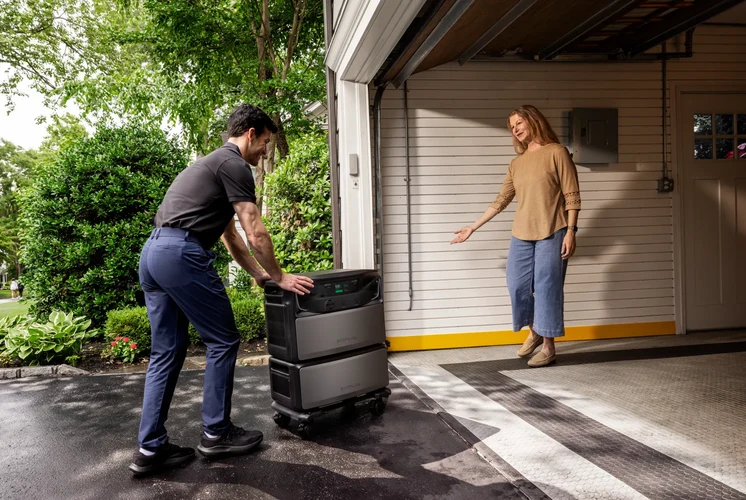
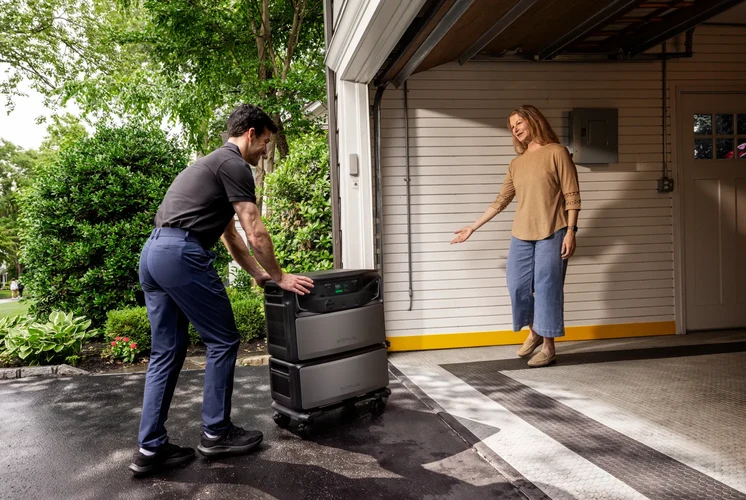
Preparing a portable power station can also be part of a winter emergency plan for households that want backup electricity during unexpected outages.
How Can You Prepare for Heating During a Winter Power Outage?
A winter outage can also shut down heating equipment that relies on electricity, including many gas and oil furnaces. Check your system’s power requirements before choosing a backup solution.
Identify Which Heating Components Require Electricity
Many homeowners assume that having natural gas or heating oil means they’ll always have heat during an electrical utility outage. Actually, central gas furnaces, oil burners, and pellet stoves need electricity to power blower motors, draft inducer fans, electronic igniters, and digital control boards. Unless you rely on a non-electric gravity-fed gas fireplace or a cast-iron wood stove, these systems generally cannot continue operating during a grid outage unless a compatible backup power source is available.
Plan Backup Power for Compatible Heating Equipment
During a winter outage, keeping the gas furnace running will depend on powering its blower motor and controls. Before choosing a battery backup for your furnace, check whether your heating system uses 120V or 240V power and how much electricity it needs to start and run. If you have an electrically heated furnace or wall heater, this requires substantially more electricity than just a motor and controls.
For Essential 120V Heating Loads:
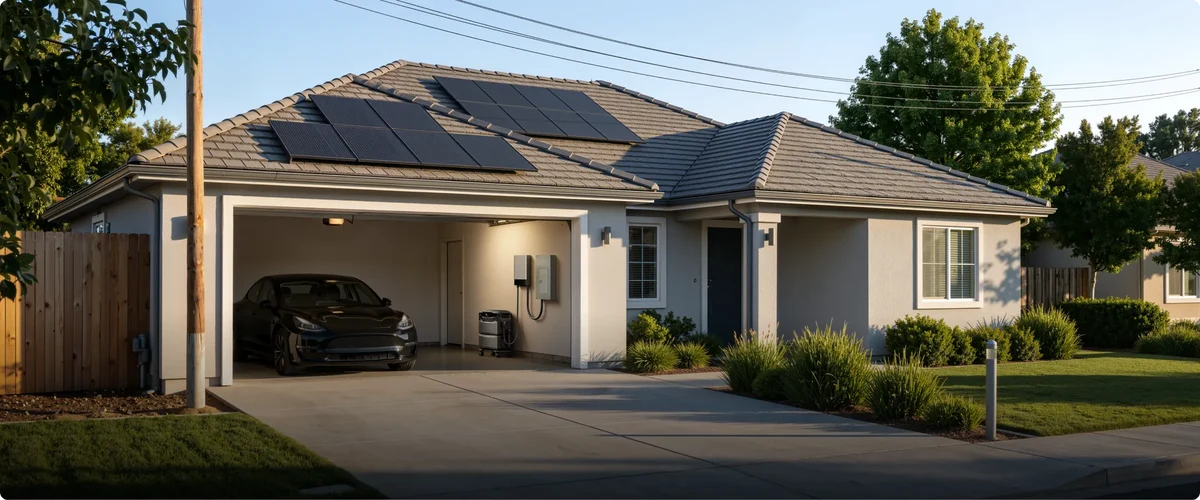
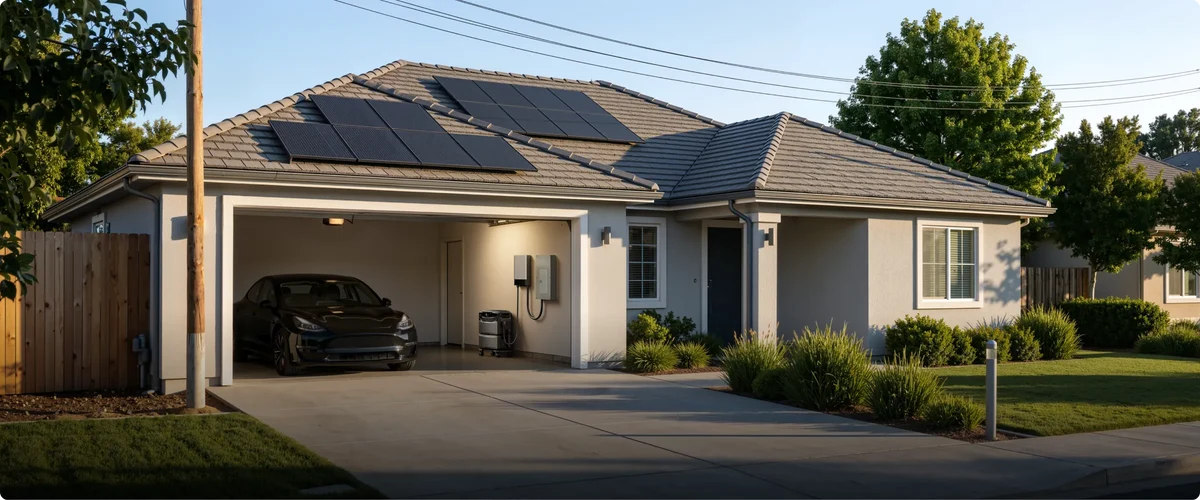
If your winter emergency backup plan focuses primarily on 120V appliances, the EcoFlow TITAN 5000 Classic combines 5kWh of battery capacity with 4kW of continuous 120V AC output. It may support compatible 120V heating-related loads, such as certain furnace blowers or circulation pumps, when their running power, startup demand, and connection requirements fall within the system’s limits. It is intended for households that do not need to support high-demand 240V equipment.
For High-Demand or 240V Heating Setups:
If your heating configuration runs on 240V circuits or requires higher amperage demand, the EcoFlow TITAN 5000 delivers 7.2kW of battery output with 120V/240V split-phase power. This gives homeowners more flexibility when including compatible higher-power heating loads in a winter backup plan. Whether it can support a particular heat pump, electric heating system, or central HVAC unit depends on the equipment’s voltage, startup demand, continuous running power, auxiliary heating requirements, and the other loads operating at the same time.
Professional Installation Note:
Plug-in devices can be connected directly when their power requirements are within the system’s limits. To supply permanently wired heating equipment or selected household circuits, TITAN 5000 Classic requires the dedicated 120V Smart Home Panel 10, while TITAN 5000 requires a compatible 120V/240V Smart Home Panel 10. The panel and household wiring must be installed by a qualified electrician in accordance with the equipment requirements and local electrical codes.
How Can You Heat Your Home Efficiently in Winter?
Small adjustments to your thermostat setting and schedule can reduce your energy bill without sacrificing comfort. Also important are insulation, and doing annual maintenance so your heating system runs most efficiently.
Set a Practical Heating Schedule
If you use a heat pump, avoid large temperature adjustments that can trigger auxiliary electric heating. A compatible smart thermostat can help manage temperature changes based on your system’s type and capabilities. When do you turn your heat on often depends on your local climate, heating system type, and household comfort preferences.
Reduce Heat Loss Around Windows and Doors
Drafty windows and doors are obvious areas that can increase heating costs. You can open the curtains on south-facing windows on sunny winter days to let some warmth in. Then after sundown, close them to reduce heat loss. Thermal curtains, fresh weatherstripping, and door sweeps can help keep cold air out. For older homes with single-pane windows, clear insulation film offers an affordable way to reduce drafts and adds another insulation barrier.
Inspect and Maintain Your Heating System Before Winter
Don’t wait until the cold weather hits to find out your heating system needs maintenance.
Replace Air Filters: Check filters regularly and replace them according to the manufacturer’s recommendations. Helpful advice is to buy several filters when you do buy. Clogged filters restrict airflow and reduce heating efficiency.
Schedule Professional Service: Have an HVAC technician inspect the heating system, check safety controls, and address any performance issues before winter.
Bleed Radiators: If your hydronic radiators have trapped air, turn off the heating system and allow the radiators to cool before carefully releasing air with a radiator key. Follow the manufacturer’s instructions to avoid burns or pressure-related problems.
Conclusion
There is no particular date or outdoor temperature that’s optimal to turn on your heat. It’s time to turn on your heat if your home is consistently uncomfortable and colder than you’d like. Start with a comfortable thermostat setting around 68°F and adjust it to suit your household. You’ll also know it’s time when overnight temperatures are consistently low. Make sure to seal obvious drafts, and have your heating system checked before winter. If power outages are common in your area, make sure you also have a plan to have backup power for any heating equipment that depends on electricity.
FAQ
What Is the Coldest You Should Let Your House Get?
Many homeowners keep their thermostats at 55°F or higher when away during winter, but this setting does not guarantee protection against frozen pipes. Homes with poorly insulated exterior walls, exposed plumbing, or unheated crawl spaces may need higher temperatures and additional pipe insulation. During extreme cold, follow local guidance and consider shutting off and draining the water supply if the property will be vacant for an extended period.
Why Is My House So Cold but the Heat Is On?
This issue typically stems from poor building envelope insulation, severe duct leakage, or an improperly operating furnace. Common culprits include a dirty air filter choking system airflow, heat escaping through unsealed attic floor joists, or registers blocked by furniture and heavy drapery.
Why Does My House Feel Colder Than What the Thermostat Says?
Low indoor humidity and cold drafts are usually why a room feels colder than the thermostat reading. Dry winter air accelerates moisture evaporation from your skin, making 68°F feel much cooler than it actually is; air drafts, uninsulated exterior walls, and single-pane window glass radiating cold also pull warmth directly away from your body.
What Is the Cheapest Way to Heat a Room?
Heating only the room you’re using can sometimes reduce costs, especially if you can safely lower the central thermostat. However, electric space heaters are not always the cheapest option. A high-efficiency heat pump may deliver more heat per kilowatt-hour of electricity. Compare your local electricity rates and heating system efficiency before choosing a room-heating strategy.
For press requests or interview opportunities, reach out to our media team
media.na@ecoflow.com