Los Angeles Power Outage: Check Outage Status, Causes & What to Do
You will enjoy sunshine year-round living in Los Angeles. But all that sunshine frequently brings a hot dry climate and strong winds. These can cause unexpected blackouts triggered by gusty Santa Ana winds, intense summer heatwaves, and seasonal wildfire risks. The power can go out anytime, whether you are working remotely in the Valley or dinner is interrupted on the Westside. You can gain some comfort knowing how to track outage updates and if you can keep your essential appliances running. This comprehensive guide walks you through how to check real-time power restoration status at local utilities and understand what triggers local grid failures. It also provides information on managing appliances safely, and how to build a reliable home backup plan.
How to Check Los Angeles Power Outage Status?
The moment your power goes out, you first need to find out if it’s a problem with your circuit breaker or is the entire neighborhood affected. In the Los Angeles area, most residents get their power from either LADWP or Southern California Edison, depending on whether they live within the City of Los Angeles or in surrounding cities. If you’re searching for power outage Los Angeles right now, check your local utility’s outage map for the latest reported incidents and estimated restoration times.
Check Your Local Utility Outage Map
Depending on your specific address, your service is handled either by the Los Angeles Department of Water and Power (LADWP) or Southern California Edison (SCE).
LADWP Customers (City of LA): For status, go directly to LADWP’s online Outage Map to view active incidents by zip code, estimated restoration times (ETRs), and the number of impacted customers.
SCE Customers (Greater LA County & Suburbs): Access SCE’s Outage Center map, which details neighborhood outages, repair crew dispatch status, and safety shutoff zones. To find where are the power outages in Los Angeles, use your electricity provider’s outage map to check affected neighborhoods and available restoration updates.
Utility Provider | Primary Coverage | Digital Outage Portal | 24/7 Phone Line |
LADWP | City of Los Angeles (and selected municipal communities) | 1-800-DIAL-DWP (1-800-342-5397) | |
SCE | Greater LA County suburbs, Orange County, Inland Empire | 1-800-611-1911 |
Report a Power Outage and Receive Updates
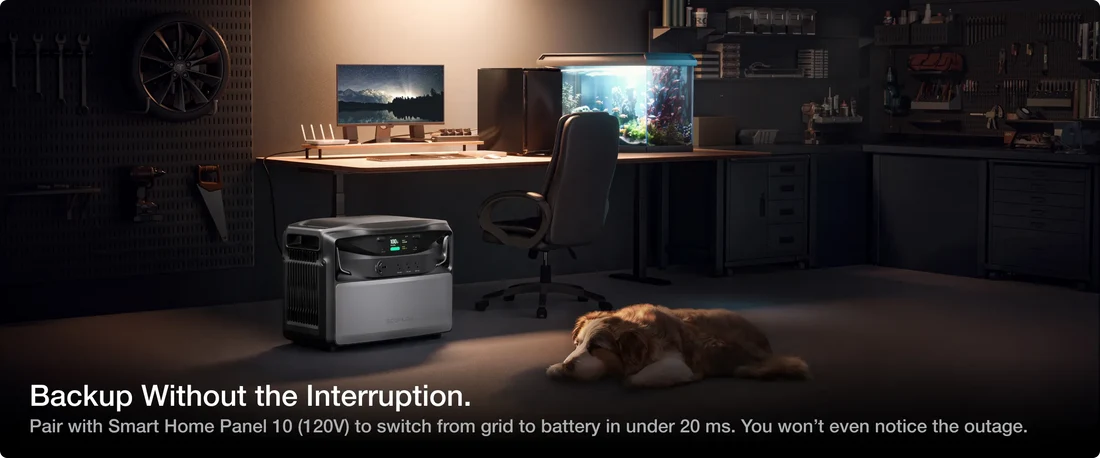
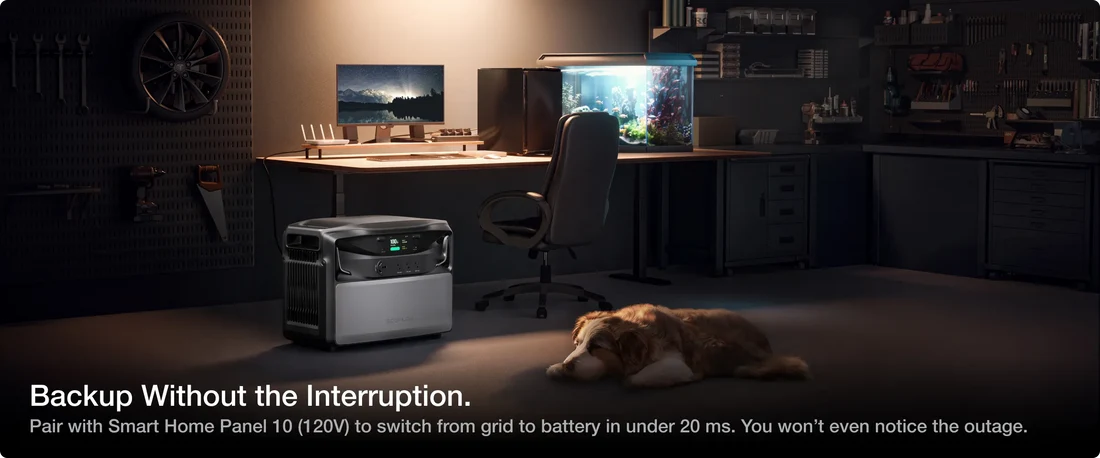
Never assume a neighbor has already reported a power outage. Fast reporting helps dispatchers assign repair crews to your specific feeder line much sooner. You can report an outage through your utility’s customer portal. You can do this on your computer, through their mobile app, or dial their automated phone systems. Once reported, you can select automated SMS or email alerts to receive real-time notifications on repair crew status and projected restoration timeframes. While waiting for utility updates, a portable power station can help keep essential devices charged during an outage.
Why Do Power Outages Happen in Los Angeles?
Grid reliability across Southern California faces several environmental issues throughout the year. There are strong winds coming off the central desert that rattle coastal basins and the aging metropolitan infrastructure are main factors routinely challenging LA’s electrical network.
Wildfires and Public Safety Power Shutoffs
Fierce Santa Ana winds can create an extreme fire danger when combined with dry brush and relative humidity below 10%. To prevent electrical equipment and blown down power lines from igniting a major fire, utilities proactively execute Public Safety Power Shutoffs (PSPS). These are no doubt inconvenient, but the intentional de-energizations prevent utility equipment from sparking unintentional wildfires. Areas that are especially high risk for fire are those in the canyons and foothill communities of the local mountains.
Extreme Weather and Infrastructure Issues
Summer heatwaves can regularly push temperatures well past 100°F, which puts enormous strain on neighborhood transformers and underground conduits. Heavy winter rainstorms also cause underground vault flooding, fallen tree branches, and downed power poles across hillside roads. In older neighborhoods, transformers simply overheat under continuous high usage, which results in localized blown fuses.
High Electricity Demand and Grid Challenges
The triple-digit heatwaves create soaring energy demand that strains not only the local grid but also the statewide grid. During critical capacity shortages, the California Independent System Operator (CAISO) issues voluntary Flex Alerts to encourage people statewide to conserve power usage.
If peak demand exceeds the power available, CAISO may mandate rotating outages, called rolling blackouts, for customers served by utilities like SCE. While LADWP operates its own independent grid balancing authority and generates much of its own power. But severe regional power shortages can still trigger localized equipment failures within LADWP and prompt requests to voluntarily conserve energy. If you’re wondering, “is there a power outage in Los Angeles?”, check the LADWP or SCE outage maps for current incidents in your area.
What Should You Do During a Los Angeles Power Outage?
When a blackout hits, take a minute to think about what action to take. First you need to keep everyone safe, protect any expensive technology, and prevent food from getting spoiled. For longer outages, a home battery can provide backup electricity for selected household essentials when utility power is unavailable.
Protect Food, Appliances and Electronics
Your immediate focus in the kitchen should be keeping your refrigerator and freezer as cold as possible for as long as possible.
Keep doors firmly sealed: An unopened refrigerator will keep food safely cold for roughly 4 hours. A packed, closed freezer can hold its freezing temperature for up to 48 hours.
Unplug sensitive electronics: Modern TVs, gaming rigs, and high-end computers are vulnerable to sudden voltage spikes that frequently occur when utility power surges back on line.
Leave one interior light switched on: Keep a single ceiling fixture flipped “on” so you instantly know when the main power is back on.
Stay Safe During a Power Outage
Walking around in a dark house with a candle poses obvious tripping and fire hazards. Don’t use candles, but use battery-operated LED lanterns or flashlights to eliminate open-flame risks. If temperatures are high inside, relocate to the ground floor or an outdoor shaded patio. Remember to stay thoroughly hydrated. If you operate a gas powered generator outdoors, place it at least 20 feet away from any windows, doors, or vents to avoid fatal carbon monoxide buildup.
Keep Essential Devices and Communication Systems Running
If the power suddenly goes out, you’ll want to maintain baseline power for your refrigerator, LED lighting, Wi-Fi router, and smartphones. This way your family can stay connected to monitor emergency announcements, and continue basic household routines.
The EcoFlow TITAN 5000 Classic serves as an emergency backup power station for this scenario. This system provides 5kWh of battery capacity with 4kW of continuous 120V AC output. It can support a compatible combination of essential appliances, helping keep perishables chilled, home network routers active, and phones charged. Actual runtime depends on the connected devices and their energy use. Because it uses stored battery power without fuel combustion, it also avoids the engine exhaust and fuel handling associated with gas generators.
Keep Larger Home Loads Running During Longer Outages
Blackouts can stretch from a couple of hours into multiple days, which often happens after severe storm damage or widespread fire shutoffs. In this case, households need to power heavy-draw appliances like central air conditioning, refrigerators, washing machines, home office equipment, and other kitchen appliances.
For these extended outages, the EcoFlow TITAN 5000 Plus offers an expandable backup system. It starts with a base 5kWh battery capacity and output power up to 7.2kW. It uses rechargeable battery power to handle demanding home electrical loads. The system is modular and can be expanded to add auxiliary battery packs as needed. This gives you the flexibility to customize overall runtime and capacity based on expected outage duration and real-time household consumption.
How Can You Prepare for Future Power Outages in Los Angeles?
Preparation is the most effective emergency response. This should happen long before your lights start to flicker. Proactive preparation makes sure your household knows what to do and can easily transition into off-grid mode.
Stay Informed with Local Outage Alerts
Sign up for NotifyLA. This is the City of Los Angeles’ official mass notification system that sends out urgent neighborhood-level safety bulletins. Register your current cell phone number and email with LADWP or SCE. You will receive early warning notices whenever high-wind events or PSPS shutoffs are being considered for your area. For customers in SCE-served communities around Los Angeles, SCE outage management resources can provide information about outage response and restoration updates.
Build an Emergency Power Plan
Take inventory of what your household genuinely cannot function without for 24 to 72 hours. Identify the household essentials that may need power for 24 to 72 hours, including communication equipment, refrigeration, lighting, and device charging. Locate emergency flashlights, portable chargers, and backup units in an easy to remember and to reach place so family members can get to them in total darkness.
Choose the Right Backup Power Solution for Your Home
Selecting home backup power comes down to determining which appliances are essential, your property type, and neighborhood noise ordinances. During an extended outage, a home battery backup in Los Angeles may help keep essential appliances running. The backup capacity needed depends on which devices you use, how long the outage lasts, and whether recharging is available.
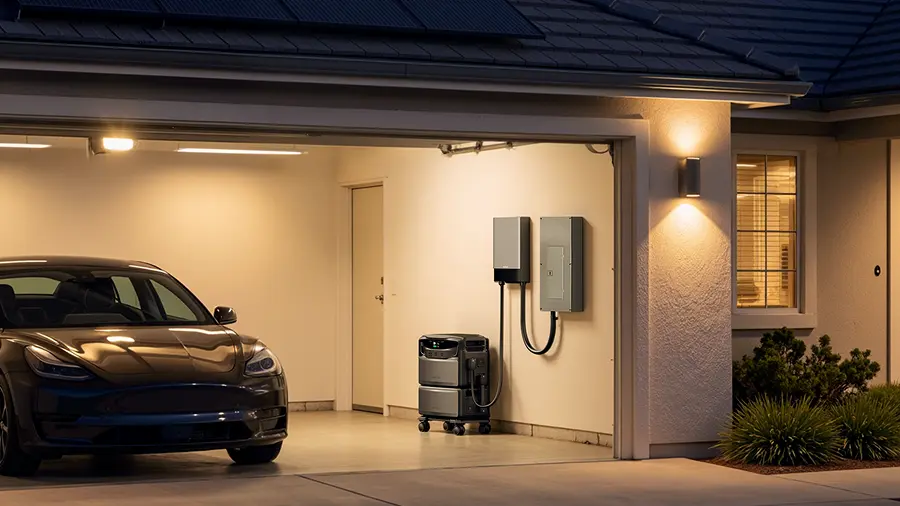
Plug-and-Play Station vs. Transfer Switch: Essential devices can be plugged straight into portable battery stations during an emergency. For seamless operation, you can include a manual or automatic transfer switch installed by a licensed electrician. The switch allows the backup system to energize entire breaker panels directly.
Solar Charging Add-Ons: If you combine portable lithium battery systems with rooftop or portable solar panels, you can continuously recharge your batteries day after day. This has many benefits when outages last for days, namely you can stay cool and keep food safe.
Conclusion
Los Angeles outages are easier to handle when you already know where to check for updates and be prepared for when power goes out. Bookmark your utility’s outage page, keep flashlights and battery banks somewhere easy to reach. Then have a plan to manage your essential devices like refrigeration, phones, internet, lights, and cooling during hot weather. For households that face repeated outages or PSPS warnings, an expandable battery system such as the EcoFlow TITAN series can help cover essential loads while you wait for utility power to return.
FAQ
How Long Does A Power Outage Typically Last?
Most localized urban power outages in Los Angeles last between one and four hours, though severe storm damage, underground cable repairs, or Public Safety Power Shutoffs (PSPS) can occasionally leave neighborhoods without power for 24 to 48 hours or longer.
Why Do They Shut Off Power During Wildfires?
Utilities proactively cut electricity during extreme wind and low-humidity events to prevent live electrical lines from snapping, sparking, and igniting dry brush into catastrophic wildfires.
How Long Will My Fridge Be Ok Without Power?
A standard household refrigerator will keep food safely cold for up to 4 hours if the door remains completely closed throughout the outage.
How Much Backup Power Do I Need For My House?
Most households require between 3kWh and 5kWh of daily battery capacity to maintain critical essentials like a refrigerator, Wi-Fi, lights, and phones, whereas running central air conditioning or large electric appliances requires 5kWh to 15kWh+ paired with an inverter capable of handling 5kW to 7.2kW power draws.
What Should You Have In Your House If You Lose Power?
You should keep fresh drinking water, non-perishable foods, high-lumen LED flashlights, a first-aid kit, a battery-powered emergency radio, charged portable battery banks, and a dedicated home backup power station.
For press requests or interview opportunities, reach out to our media team
media.na@ecoflow.com