How Can You Prevent Carbon Monoxide Poisoning? Essential Safety Tips
Carbon monoxide (CO) gives a household no reliable warning that it is present. The gas has no color or odor, and early symptoms can resemble the flu, a migraine, or ordinary fatigue. It forms when gasoline, natural gas, propane, oil, wood, charcoal, or another carbon-based fuel burns.
Properly installed and maintained fuel-burning appliances should operate according to their ventilation and exhaust requirements. Risk develops when equipment malfunctions, a vent is blocked, exhaust is drawn back inside, or an outdoor engine is used in or near an enclosed space. Prevention depends on working alarms, regular maintenance, clear exhaust paths, and safe generator placement—especially during heating season and power outages.
What Are the Most Common Sources of Carbon Monoxide in Your Home?
Any fuel-burning device can produce carbon monoxide. Some sources are permanent parts of a house; others, including generators and camp stoves, appear during an emergency. The danger rises when equipment is damaged, poorly vented, or used for a purpose its manufacturer did not intend. Understanding hidden dangers of carbon monoxide can help homeowners recognize common risks and take preventive steps before exposure occurs.
Gas Furnaces, Water Heaters, and Fireplaces
Furnaces, boilers, gas water heaters, fireplaces, wood stoves, and fuel-burning dryers need combustion air and an unobstructed exhaust route. A damaged heat exchanger, disconnected vent, blocked chimney, or failed draft component can allow combustion gases to enter living areas.
Soot, corrosion, unusual moisture, repeated shutdowns, or a shifted vent pipe should be evaluated promptly, although a system can be unsafe without visible clues. Open a fireplace damper before lighting a fire and leave it open until the ashes are cool. Have chimneys and flues inspected and cleaned as appropriate for the fuel and frequency of use.
Portable Generators and Gas-Powered Equipment
Portable generators are a major CO hazard during outages. A garage, basement, crawl space, shed, carport, or enclosed porch is not safe, even with a door or window open. Exhaust can enter through windows, doors, soffits, and air intakes. Understanding the risks of carbon monoxide from a generator is especially important during outages when temporary power equipment is often used.
Gasoline-powered pumps, pressure washers, saws, and compressors also belong outdoors, away from occupied buildings. Any weather cover must follow the manufacturer’s instructions and must not enclose the engine or direct exhaust toward a structure.
Gas Stoves, Charcoal Grills, and Camping Heaters
A gas range or oven is for cooking, not space heating. Leaving burners on for warmth or opening an operating oven can increase indoor combustion pollutants, including CO. A range hood does not turn the appliance into a safe heater.
Never use a charcoal grill, hibachi, propane grill, or camp stove in a house, tent, camper, garage, or partly enclosed area. Use a portable fuel-burning heater indoors only when its listing and instructions expressly permit it, and follow every clearance and ventilation requirement.
Vehicles and Other Fuel-Powered Engines
Do not run a car or truck in an attached garage, even with the overhead door raised, and never activate remote start there. After heavy snow, clear the tailpipe before starting a vehicle. Boats, RVs, and other engine-powered equipment can also expose occupants when exhaust collects near cabins or sheltered seating.
How Can You Prevent Carbon Monoxide Poisoning at Home?
Use several layers of protection: early detection, proper equipment use, routine maintenance, and attention to changes in household airflow. A strong carbon monoxide safety plan combines prevention, detection, and safe operation of household equipment.
Install Carbon Monoxide Detectors in the Right Locations
The U.S. Consumer Product Safety Commission (CPSC) recommends installing carbon monoxide alarms on every level of the home and outside each sleeping area. Choose battery-operated alarms or hardwired models with battery backup. Local codes may require additional alarms. Follow the manufacturer’s placement instructions, including the specified distance from cooking appliances, bathrooms, vents, and fuel-burning equipment.
Choose alarms listed to the applicable safety standard. Interconnected models are useful in multistory homes because one detection point activates every alarm. Test them monthly, change removable batteries as directed, and replace each unit at the end of its dated service life. A successful button test does not extend the life of the sensor.
Inspect Heating Systems and Fuel-Burning Appliances Annually
Have heating equipment, water heaters, chimneys, and other fuel-burning appliances inspected by a qualified professional annually or as the manufacturer directs. Depending on the system, service may include the heat exchanger, vent connectors, draft, safety controls, combustion air, and evidence of spillage. Flame color alone is not a dependable safety test.
Stop using equipment that repeatedly shuts down, produces soot, or leaves scorch marks or unexplained moisture around its vent. Arrange service promptly; renters should notify the property owner or manager.
Keep Chimneys, Vents, and Exhaust Pipes Clear
Check accessible outdoor vent terminations after heavy snow, wind, or ice. Sidewall furnace and water-heater pipes can be blocked by drifts, leaves, vegetation, or stored items. Maintain the manufacturer’s required clearance and never cover or alter an opening.
Inspect chimneys from the ground. If a cap, flue, or vent appears damaged or repeatedly ices over, call a professional rather than climbing an icy roof. Substantial air-sealing or ventilation changes can also affect draft, so include combustion-safety testing in those projects.
Never Use Outdoor Fuel-Burning Equipment Indoors
Never operate a generator, grill, gasoline tool, or outdoor heater in a home, garage, basement, crawl space, shed, or screened porch. Opening windows or running a fan does not make the location safe. A portable fuel-burning heater may be used inside only when its listing permits it, and all instructions are followed.
Avoid Idling Vehicles in Attached Garages
Move a vehicle fully outdoors before starting it. Maintain the connecting door, but do not rely on it to stop exhaust. If a vehicle has been left running in a garage, keep everyone out, call 911 from fresh air, and follow emergency responders’ instructions.
How Can You Prevent Carbon Monoxide Poisoning During a Power Outage?
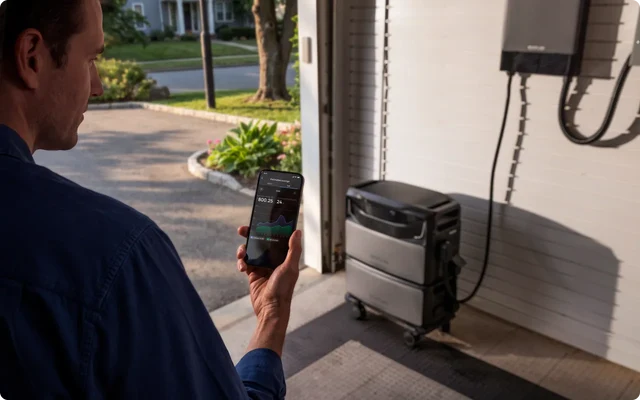
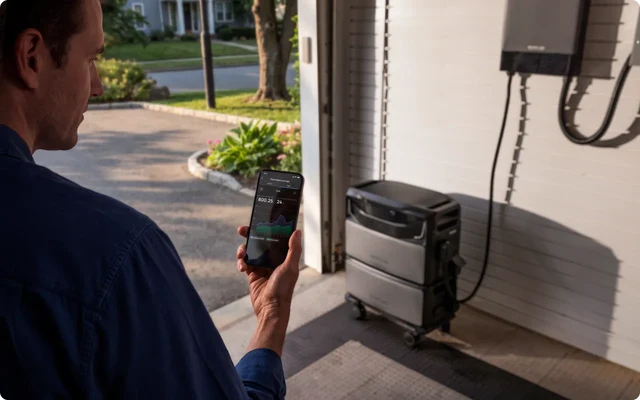
Outages encourage dangerous improvisation. Before a storm, decide how the household will cook, stay warm, and power essential devices without bringing combustion equipment indoors. A portable power station can provide electricity for essential devices during outages without producing combustion exhaust during normal operation.
Power Source / Appliance | Carbon Monoxide Risk | Safe Operating Location | Primary Use Case |
Portable Gas Generator | Severe and potentially fatal if exhaust enters an occupied space | Outdoors, 20 ft or farther from the home, with exhaust directed away from doors, windows, and vents | Compatible emergency loads connected according to the manual |
Gas Kitchen Range / Oven | Produces combustion gases and becomes hazardous when misused for heat | In the kitchen as installed, for cooking only, with required ventilation | Short-term meal preparation |
Charcoal / Propane Camp Grill | Severe in any enclosed or partly enclosed space | Fully outdoors in open air and away from building openings | Outdoor cooking only |
Home Battery Storage System | Produces no CO while discharging because it does not burn fuel; electrical and fire precautions still apply | In a dry, protected location allowed by the manufacturer, product listing, and local code | Selected-load or whole-home backup within the system's ratings |
Battery storage systems do not produce carbon monoxide during normal operation because they do not burn fuel. However, CO alarms remain essential because gas furnaces, fireplaces, water heaters, and other fuel-burning equipment can still pose a risk. It can reduce generator use, but it does not remove hazards from a gas furnace, fireplace, water heater, or attached garage. Properly installed and maintained CO alarms are an important part of efforts to prevent carbon monoxide poisoning at home.
Keep battery equipment dry, maintain required clearances, and use approved cables. Permanent connections to household circuits require listed transfer equipment or a compatible home power system. Never energize a home through a receptacle and improvised cord.
Keep Portable Generators at Least 20 Feet Away From Your Home
Operate a generator outdoors at least 20 feet from the house, with exhaust directed away from your home and neighboring buildings. Account for windows, doors, soffit vents, crawl-space vents, and outdoor-air intakes. A porch, carport, or attached awning is too close.
Follow the manual for rain protection, cooling, and refueling. A built-in CO shutoff may add protection, but it does not replace correct outdoor placement and working alarms inside.
Never Use Gas Ovens, Grills, or Camp Stoves for Indoor Heating
A gas oven, stovetop, grill, or camp stove is not a space heater. Using cooking equipment for indoor heating can produce dangerous levels of carbon monoxide and create an additional fire risk. Use layers, blankets, and manufacturer-approved indoor heating equipment instead, and never bring an outdoor fuel-burning heater inside. If the home cannot be kept at a safe temperature, relocate to a designated warming center or another safe location.
Make Sure Carbon Monoxide Alarms Work During Outages
Hardwired alarms should have battery backup. Test all units monthly, replace batteries as directed, and review the manual so the household recognizes CO, low-battery, and end-of-life signals. If an alarm sounds, move outside immediately and call 911 from fresh air.
Consider Battery Backup Power to Reduce Generator Use
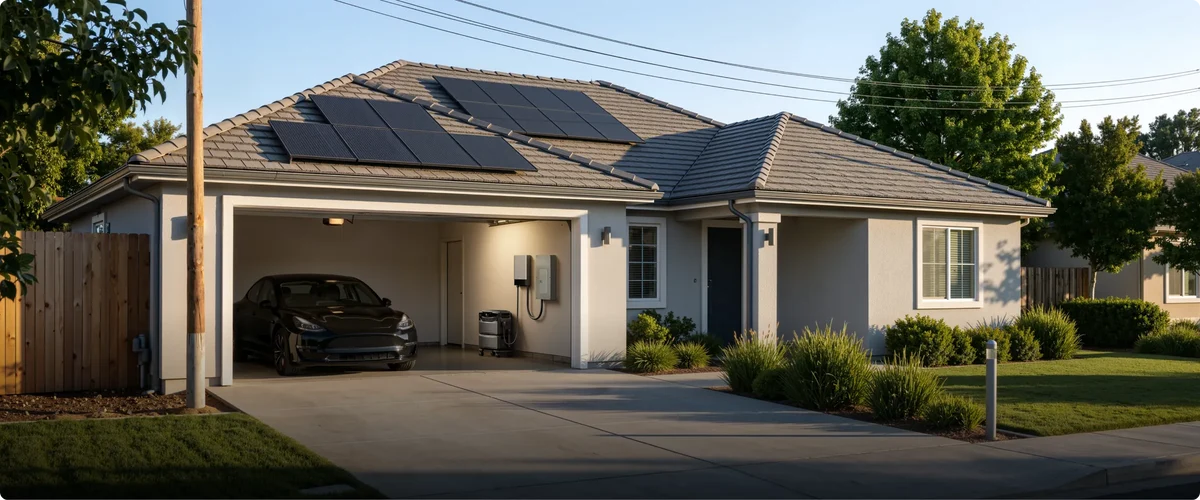
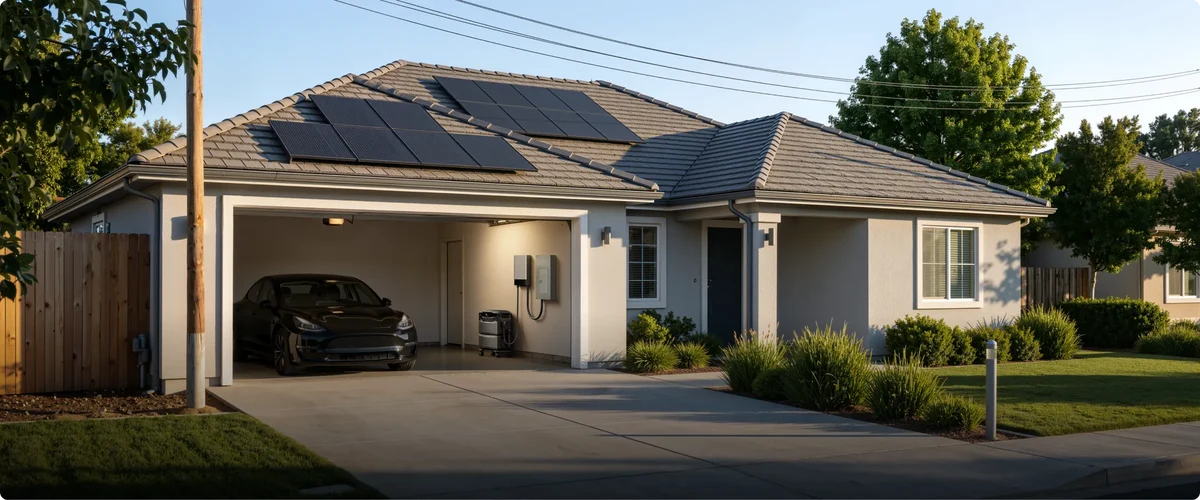
Battery backup can keep selected appliances operating without combustion exhaust, but it should be sized from a written load list. Record each device’s running wattage, startup demand, voltage, and expected hours of use. Homeowners may compare battery-based backup solutions with a home battery based on their energy needs, fuel preferences, and installation requirements. Capacity, measured in watt-hours or kilowatt-hours, affects runtime; inverter output, measured in watts, determines which loads can operate at the same time.
For Essential Circuit Protection: The EcoFlow TITAN 5000 Classic provides 4kW of 120V AC output for a compatible combination of household essentials such as refrigeration, lighting, communication equipment, and computers. It is intended for households that want to maintain basic electricity needs during an outage without planning to support larger 240V appliances. Actual runtime depends on the combined energy use of the connected equipment.
For Higher-Power Household Backup: A system such as the EcoFlow TITAN 5000 may be considered when a household needs broader backup or expects to serve equipment with more demanding startup requirements. It provides 7.2kW of battery output with 120V/240V split-phase capability. Well pumps, furnace blowers, and other motor-driven loads should still be checked for voltage, running power, and startup demand and, where appropriate, reviewed by a qualified electrician or HVAC professional.
Charge and test the system before storm season. Run priority appliances through a normal cycle and confirm that motor startup does not overload the inverter. Keep working CO alarms and a separate plan for heat and an extended outage.
What Are the Symptoms of Carbon Monoxide Poisoning and What Should You Do?
Carbon monoxide interferes with the body’s ability to deliver oxygen. Exposure can affect people differently, and severe poisoning may occur before everyone in the building reports the same symptoms. Knowing how to prevent carbon monoxide poisoning starts with reducing exposure risks and responding quickly when warning signs appear. A sleeping person or someone who has consumed alcohol may not recognize the early warning signs at all.
Treat a sounding alarm or a cluster of unexplained symptoms as an emergency. Do not wait for a headache to become severe, and do not assume the problem is resolved because the alarm becomes quiet.
Common Symptoms of Carbon Monoxide Poisoning
According to the CDC’s carbon monoxide poisoning guidance, common symptoms include:
Headache
Dizziness or lightheadedness
Weakness or unusual fatigue
Upset stomach, nausea, or vomiting
Chest pain
Confusion or difficulty thinking clearly
Higher exposure can cause shortness of breath, loss of coordination, fainting, loss of consciousness, coma, and death. A pattern involving several people in the same building, symptoms that begin without a fever, or illness that seems to improve outdoors should raise concern, but none of those clues is a substitute for an alarm or medical evaluation. Pets may also become ill before their owners recognize a problem.
Get Outside Immediately and Call 911
If a CO alarm sounds or anyone may be experiencing carbon monoxide poisoning:
Evacuate immediately: Move everyone, including pets, to fresh air outdoors. Help children, older adults, and anyone with limited mobility, but do not delay to gather belongings.
Do not search for the source: Do not walk through the home opening windows, checking burners, or shutting down appliances. Those actions prolong exposure and may place the person investigating at greater risk.
Call 911 from outside: Report the CO alarm and any symptoms. Follow the dispatcher’s instructions and seek prompt medical evaluation. A person who is dizzy, confused, weak, or otherwise symptomatic should not drive.
Do not silence the alarm and remain inside to see whether it activates again. Carbon monoxide levels can change as appliances cycle or wind affects a chimney, so a temporary drop does not establish that the home is safe.
When Is It Safe to Re-Enter Your Home?
Stay outside until emergency responders or another authorized official says the home may be entered. Fire personnel can measure the air and investigate immediate hazards, but the appliance or venting defect may still require service before the equipment is used again.
Arrange for a qualified technician to inspect suspected fuel-burning equipment and correct the cause. If the alarm sounds again after re-entry, leave immediately and call emergency services again. Do not remove the alarm, relocate it to another room, or assume it is defective simply because the source was not obvious.
Conclusion
Carbon monoxide safety rests on several layers of protection. Working alarms provide warning, annual service helps identify appliance and venting problems, and disciplined generator placement prevents exhaust from being drawn into the home. None of those measures should be treated as optional because another one is already in place.
Before heating season or severe weather, test every alarm, check its replacement date, schedule overdue appliance service, and review the household outage plan. If a CO alarm ever sounds, move outside first and call 911 from fresh air. The source can be investigated after everyone is out of danger.
FAQs
Can Carbon Monoxide Poisoning Happen While You Sleep?
Yes. A sleeping person may not notice headache, nausea, dizziness, or confusion before the exposure becomes severe. People who have consumed alcohol or taken sedating medication may also be less likely to recognize early symptoms. Working CO alarms outside sleeping areas are therefore essential, and interconnected alarms can provide earlier warning throughout a larger home.
How Often Should You Replace Carbon Monoxide Detectors?
Replace a CO alarm at the end of the service life stated by its manufacturer or when its end-of-life signal appears. Depending on the model, that life may be several years, so check the date printed on the back or side rather than relying on memory. Test alarms monthly and replace removable batteries according to the instructions. A successful button test does not cancel the alarm’s replacement date.
Can Electric Heaters Cause Carbon Monoxide Poisoning?
An all-electric space heater does not burn fuel and therefore does not generate carbon monoxide during operation. It can still cause a fire, burn, or electrical overload if it is damaged or used improperly. Plug a portable heater directly into a suitable wall outlet, keep combustible material at least the distance specified by the manufacturer, and do not use a unit with a damaged cord or plug.
Fuel-burning portable heaters are different. Kerosene, propane, or gas heaters can produce CO and should be used indoors only when specifically listed for that purpose and operated exactly as directed.
Can Opening Windows Prevent Carbon Monoxide Poisoning?
No. Opening a door or window does not make it safe to run a generator, grill, vehicle, or other outdoor engine in an enclosed or partly enclosed space. Those sources can produce CO faster than ordinary airflow removes it. If an alarm sounds, leave the building and call 911; do not remain inside while attempting to ventilate the room.
How Quickly Can Carbon Monoxide Poisoning Happen?
There is no single timetable. The result depends on the concentration, length of exposure, a person’s health, and activity level. A high concentration can cause collapse or death in a short period, while a lower concentration may produce less specific symptoms over a longer time. Because people cannot see or smell CO, an alarm should always be treated as an emergency rather than a cue to wait for symptoms.
Who Is Most at Risk of Carbon Monoxide Poisoning?
Anyone can be poisoned. Infants, children, pregnant people and unborn babies, older adults, and people with anemia, sickle cell disease, chronic heart disease, or respiratory illness may be more vulnerable to serious effects. Sleeping people and those who have consumed alcohol may die before recognizing symptoms. Homes with a vulnerable resident should include CO safety in medical and outage planning, but every household needs the same core protections.
For press requests or interview opportunities, reach out to our media team
media.na@ecoflow.com