When Is Tornado Season in Oklahoma? Peak Months and What to Expect
Tornadoes frequently occur in Oklahoma throughout the year, with the highest risk being in the Spring, especially May. Severe storms can also occur in October and November, bringing damaging winds, large hail, and possible power outages. Homeowners need to know when tornadoes are most likely and how to prepare for them and their effects.
This guide covers Oklahoma’s tornado season month by month. It identifies risks that severe storms pose to homes, gives practical steps to stay safe and how to prepare for potential power outages.
When Are Tornadoes Most Active in Oklahoma?
Oklahoma’s primary tornado season generally extends from March through June, with May historically recording the highest number of tornadoes. National Weather Service records also show a smaller secondary increase in October and November. However, tornadoes have occurred in every month, so these seasonal patterns should not be treated as fixed start or end dates.
Start in Spring
Tornado activity often picks up in March and April as temperatures are rising and warm, moist air from the Gulf of Mexico meets colder air moving south. These conditions can produce severe thunderstorms, including supercells that can create tornadoes, large hail, and damaging winds.
Peak in May
May is typically Oklahoma’s most active tornado month. Warm, humid air, atmospheric instability, and strong wind shear create perfect conditions for severe thunderstorms. These are the kind of systems that can produce multiple tornadoes over a short period. Some of those tornadoes can be quite powerful and travel long distances.
Continue Into Early Summer
Tornado activity generally begins to fall off in June, although severe storms are still quite possible across central and northern Oklahoma. As the jet stream shifts northward, warm, humid conditions can still cause severe thunderstorms. These often occur into July and bring damaging winds, heavy rain, and occasionally tornadoes.
Tornadoes Outside Peak Season
Oklahoma can also experience tornadoes in October and November as cool fall weather from the north meets up with warm, moist air masses. Tornado activity in the fall varies from year to year, but severe storms can still develop during this period. Tornadoes are less common in winter, but unseasonably warm, moist conditions can sometimes cause severe weather even in December or January.
Period | Typical Tornado Activity | Primary Weather Characteristics |
March – April | Increasing activity | Early supercells, golf ball hail, fast-moving storms |
May | Peak Activity | High tornado frequency, violent long-track supercells |
June – Early July | Declining activity | Scattered afternoon tornadic cells, intense derecho winds |
October – November | Secondary fall activity | Fall transition fronts, fast-moving cold front lines |
Winter (Dec – Feb) | Relatively low activity | Rare, temperature-spike driven surprise systems |
Source: National Weather Service Oklahoma tornado statistics (1950–2025). These patterns reflect historical tornado frequency, not a forecast of tornado risk in any particular year.
What Risks Does Tornado Season Pose to Oklahoma Homes?
Tornadoes aren’t the only concern during severe weather in Oklahoma. During tornado season, strong winds, large hail, and flash flooding can cause power outages and damage homes.
Tornadoes, Destructive Winds and Hail
Straight-line winds running along the leading edge of a squall line can frequently be measured at 60 to 80 mph. This is almost as strong as some weak tornadoes. If you combine these winds with golf ball- or baseball-sized hail, they can do real damage. They can break apart asphalt shingles, shatter windows, and slam unsecured lawn and patio furniture straight into your siding or windows.
Flash Flooding and Road Hazards
Storm cells repeatedly “training” over the same terrain can dump three to five inches of rain in a couple of hours. Oklahoma’s clay-dense red soil does not absorb sudden downpours. Consequently, residential streets are quickly turned into muddy channels of water and sometimes flooding highway underpasses across the OKC and Tulsa metro areas.
Power Outages and Electrical Infrastructure Damage
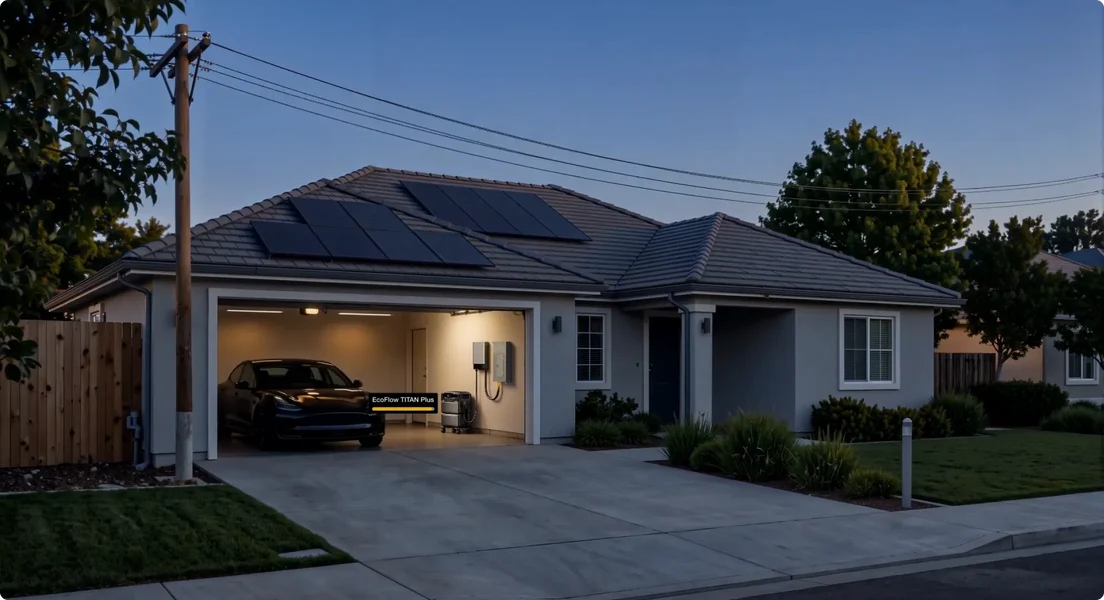
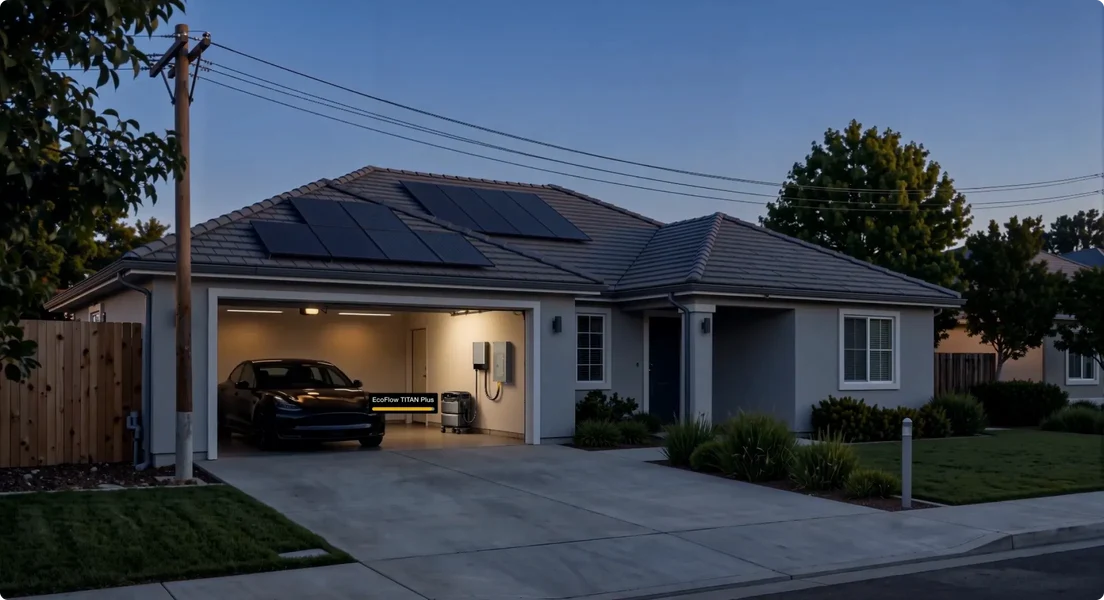
Strong winds and saturated ground can cause trees to fall. When this happens, power lines and utility poles often come down too. Large hail and flying debris can also affect electrical equipment. Depending on the extent of the damage, power outages may last from several hours to several days. This leaves homes without lighting, refrigeration, and internet access. A home battery backup system can help homeowners maintain essential electricity during extended outages caused by severe storms.
How Can You Prepare Your Home for Oklahoma's Tornado Season?
You shouldn’t wait until spring to get ready for tornadoes in Oklahoma. Taking steps to prepare your home before severe weather arrives can reduce risks and improve emergency readiness. Severe weather is possible almost year round, so it’s best to prepare now. Check that you can receive emergency alerts, review your emergency shelter plan, and make sure essential supplies are ready before the next storm.
Monitor Tornado Watches and Warnings
Staying informed about approaching severe weather requires more than relying solely on outdoor sirens which can be missed if you’re indoors. This is especially important during the peak tornado season in Oklahoma, when severe storms are more likely to develop. Make sure your mobile phone has Wireless Emergency Alerts (WEA) enabled. Also, keep a battery-operated NOAA Weather Radio tuned to your local frequency.
Tornado Watch: Means weather conditions are favorable for severe storms and tornadoes across a large area. This is your chance to review emergency plans, clear out the shelter, and top off vehicle fuel tanks.
Tornado Warning: A tornado has been sighted or indicated by weather radar. Danger is imminent and you should seek underground or interior shelter immediately.
Prepare an Emergency Kit and Backup Power
Severe weather routinely brings destructive winds and large hail, and these violent storms frequently cause widespread power outages. Regional outages are a reality. Households should prepare emergency food, water, medications, and first-aid supplies. But beyond this, they need a way to maintain basic electricity during an extended blackout. This is just as critical. Essential appliances like refrigerators, indoor LED lamps, and Wi-Fi routers often depend on a reliable backup power source. A solar generator can provide a flexible backup power option for keeping essential devices running when tornado-related outages interrupt normal electricity.
Backup power should be charged, tested, and placed in a dry indoor location before severe weather arrives. For households mainly concerned with maintaining basic 120V electricity, the EcoFlow TITAN 5000 Classic combines 5kWh of battery capacity with 4kW of AC output. During an outage, it can support compatible essentials such as refrigeration, lighting, internet equipment, and phone or computer charging. Actual runtime depends on which devices are used and how much power they draw.
Plan Which Household Circuits Receive Backup Power
During a longer outage, powering household circuits through a planned backup system can be more practical than connecting individual devices after the storm. Before tornado season, households should decide which loads matter most, such as refrigeration, communications, lighting, or a sump pump where flooding is a concern.
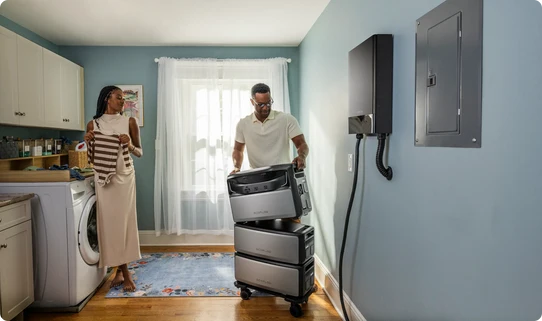
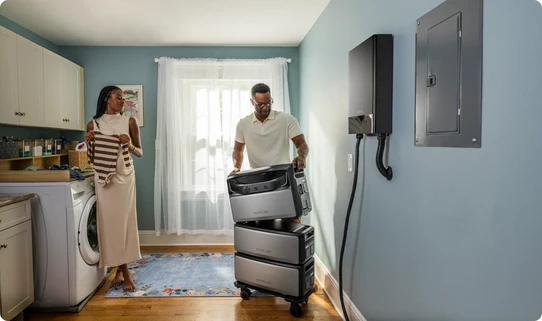
The EcoFlow TITAN 5000 Plus can be paired with a compatible 120V/240V Smart Home Panel 10 to provide backup power to as many as 10 selected household circuits. Its 7.2kW battery output supports broader household power needs than a basic 120V backup system, while expandable capacity allows additional stored energy to be added for longer outages. The system should be installed and tested before severe weather season by a qualified electrician in accordance with local electrical codes.
Device Category | Typical Wattage Range | Backup Power Priority | Notes for Outage Scenarios |
Wi-Fi Router & Modem | 10W – 25W | Critical | Maintains home internet access when local broadband service remains available; keep a battery-powered weather radio as a separate alert source |
Full-Size Refrigerator | 150W – 400W (Running) | High | Prevents hundreds of dollars in food spoilage |
LED Floor/Desk Lamps | 10W – 15W per bulb | Medium | Keeps interior hallways and shelter pathways safe |
Sump Pump | 800W – 1,050W (Surge 2,000W+) | Critical (If flooding) | Essential for keeping basements or safe rooms dry; may run only intermittently. |
What Should You Do During and After a Tornado?
Knowing how to react in the heat of the moment protects yourself and home, while cautious post-storm behavior keeps you safe after the skies clear. Understanding how long is tornado season in Oklahoma can also help residents maintain preparedness beyond the most active months.
Take Shelter When a Tornado Warning Is Issued
When you’re under a tornado Warning, you must act without hesitation. If you have an underground storm shelter or safe room, go there with sturdy shoes, helmets for the kids, and your pets on leashes. If you don’t have an underground shelter, head to the lowest floor, choose an interior room (such as a bathroom, hallway, or closet) with no exterior walls or windows, and cover yourself with a mattress or thick blankets.
Stay Away From Damaged Buildings and Downed Power Lines
Once the storm passes, resist the urge to immediately investigate any structural damage outside. There may be weakened rafters and sagging roof trusses that can collapse without warning. Look broadly for downed power lines that could still be energized. Stay away from standing floodwater and chain-link fences until you know they’re safe. Treat all fallen power lines as though they’re live and report them immediately to your local utility company.
Check for Hazards Before Restoring Power
Before turning on main breakers or connecting devices to backup generators, inspect your home for structural or environmental red flags. If you smell gas or suspect a leak, leave the building immediately and contact your gas utility or emergency services from a safe location. Do not operate any electrical switches or attempt to make repairs yourself.
Conclusion
Oklahoma’s busiest month for tornadoes is May, but severe weather doesn’t always follow the same pattern. A secondary period of tornado activity can also occur in fall. So be sure to keep emergency alerts enabled, know where to take shelter, and have backup power available. This way your household can stay safe and prepared throughout the year.
FAQs
Why Is Oklahoma Prone to Tornadoes?
Oklahoma sits directly in the center of “Tornado Alley,” a geographic collision zone where dry air descending from the Rockies, cold air dropping from Canada, and warm, moist air rushing from the Gulf of Mexico clash over flat plains. This unique geography provides the high instability, warmth, and strong low-level wind shear necessary for supercells to generate tornadoes.
Does a Tornado Warning Mean a Tornado Has Touched Ground?
No, a tornado warning does not necessarily mean a visible funnel has already touched the ground. The National Weather Service may issue a warning when a tornado is sighted or indicated by Doppler radar. Anyone in the warned area should move to safe shelter immediately.
How Does a Tornado Get Its Rating?
Tornadoes receive their rating on the Enhanced Fujita (EF) Scale only after surveying teams inspect the ground damage left in the storm’s wake. Meteorologists evaluate structural failures across 28 specific damage indicators—ranging from single-family homes to transmission towers—to estimate the storm’s peak 3-second wind gusts, assigning ratings from EF0 (light damage, 65–85 mph) up to EF5 (incredible damage, >200 mph).
What Type of Insurance Covers Damage from a Tornado?
Standard homeowners insurance policies typically cover wind and hail damage caused directly by tornadoes, including structural repairs and damaged personal belongings. However, related water damage caused by ground-level flash flooding requires a separate flood insurance policy through the National Flood Insurance Program (NFIP) or a private flood underwriter.
How Long Do Power Outages Last After a Tornado?
Power outages can last anywhere from a few hours to well over a week depending on the severity of the damage to high-voltage transmission towers and local substations. In widespread outbreaks with thousands of downed poles, utility crews must rebuild lines segment by segment before individual neighborhoods can safely come back online.
For press requests or interview opportunities, reach out to our media team
media.na@ecoflow.com