Backup Power: Types, Uses & How to Choose the Right System
Power outages are no longer rare. They are becoming more and more common along the east coast and gulf coast due to hurricanes and in the north from ice storms. Outages are also occurring now prompted by utility required shutoffs, like California’s Public Safety Power Shutoffs (PSPS). Consequently, more homeowners are looking for reliable backup power that can keep essentials running when the grid goes down.
This guide explains what backup power is and will compare some common options. These include portable power stations, home battery systems, and fuel generators. The guide will also show you how to choose a system based on your essential appliances, expected outage length, installation needs, and budget.
What Is Backup Power and How Does It Work?
Backup power is a secondary source of electricity that takes over when the utility grid goes down. Backup systems can come in different sizes, and can keep a few essentials running or even power your whole home. You can choose to keep just a refrigerator, Wi-Fi router, lights, and sump pumps going. A larger system might supply selected home circuits through a transfer switch or smart panel. Also, depending on the type of equipment you use, the backup power system will work a little differently.
Battery-based systems store electricity in a rechargeable battery that often uses Lithium Iron Phosphate (LiFePO4) chemistry. When needed, an inverter converts the stored Direct Current (DC) into standard alternating current (AC). Most systems can power regular 120V household outlets, while larger home backup setups may also support 240V loads such as central AC, electric dryers, or EV chargers.
Fuel-driven generators use gasoline, propane, diesel, or natural gas to run an engine that generates electricity. Because they release carbon monoxide, they must be used outdoors and kept at least 20 feet away from windows, doors, vents, and garages.
What Are the Different Types of Backup Power Solutions?
Backup power systems generally fall into three categories: portable power stations, home backup batteries, and fuel generators. The right choice first depends on where you plan to use it, for example in the home or RV, or outside camping. The choice also depends on how much power you need, whether you want automatic backup, and whether you need to use and operate it indoors.
Portable Power Stations
Portable power stations are rechargeable battery units that combine a battery, AC power inverter, built-in plug outlets, and charging inputs in one device. They can power everyday essentials such as phones, laptops, routers, lights, refrigerators, and small appliances without fuel or fumes. Most can be recharged using a wall outlet, vehicle outlet, or compatible solar panels.
Home Backup Battery Systems
Home backup battery systems are larger battery systems designed to support selected household circuits or, in some cases, a whole household. They usually connect through a transfer switch, subpanel, or smart home panel. This makes them better suited for homeowners who want fewer extension cords and more automatic control during outages.
Portable Generators
Portable generators use gasoline, propane, diesel, or natural gas to generate electricity. They can provide substantial output for tools, appliances, and emergency loads, but they are noisy and must run outdoors because of carbon monoxide risk. They also require fuel storage, oil changes, and regular maintenance. A battery backup vs. generator comparison should consider installation, fuel availability, runtime, noise, maintenance, and where the equipment can operate safely.
Comparison: Choosing Between Power Types
System Type | Typical Capacity / Output | Primary Fuel / Energy Source | Indoor Safe? | Maintenance Level | Best Suited For |
Portable Power Station | 1 kWh – 5 kWh / 1 kW – 4 kW | Utility Grid, Solar, DC Car Outlet | Yes (Fume-free & quiet) | Low | Apartments, DIY setups, road trips, and immediate plug-and-play outage relief |
Home Backup Battery | 5 kWh – 30+ kWh / 4 kW – 10+ kW | Utility Grid, Rooftop / Ground Solar | Yes (Clean, indoor/garage rated) | Low to Moderate | Hands-free subpanel backup, smart load shedding, multi-day outages |
Portable Generator | 2 kW – 10 kW+ continuous | Gasoline, Propane (LPG), Diesel | No (Outdoor operation only) | Moderate to High (Oil, spark plugs, carburetors) | Heavy-duty job sites, budget-first bulk wattage, emergency fuel access |
What Are the Common Uses of Backup Power?
Backup power is not only a big benefit during major storm outages. The right system can also support camping, remote work, home projects, and everyday devices when access to the utility grid is limited.
Emergency Backup During Power Outages
When the grid fails, backup power for fridge and freezer loads can help protect food, while a few lights and communication devices can make a stressful night more manageable. For homeowners seeking reliable, exhaust-free emergency backup power, a home battery system can help keep essential devices running without relying on fuel.
The EcoFlow TITAN 5000 Classic, for example, provides 5kWh of battery capacity and 4kW of 120V AC output. It can support a compatible combination of household essentials such as a refrigerator, Wi-Fi router, lighting, computers, and some kitchen appliances, depending on their combined power and startup requirements. It also supports up to 3.2kW of solar input through its own solar connection.
Compatible solar panels can help recharge the battery during daylight hours, although actual charging performance depends on the solar configuration, weather, and available sunlight. It does not support AC coupling with an existing third-party solar inverter system.
Outdoor Recreation and Off-Grid Power
Besides emergency use, portable power units are great for mobile power for weekend get-a-ways. Use them for tailgating before Sunday football, operating an induction cooktop at a national park campsite, or running a 12V portable fridge. They’re simple to use and provide clean battery power. Their relatively quiet operation makes them suitable for many camping environments, although users should still follow individual campground rules.
Home Projects and High-Power Equipment
Anyone who has ever needed to use power tools on rural acreage knows that daisy-chaining many 100-foot extension cords back to a power source is not easy. A high-output portable power station or dual-fuel generator supplies heavy starting currents for tools right at the workpiece. A portable power source lets you run a 15-amp table saw, an air compressor, an electric pressure washer, or a shop vac. Being able to use the right tools with portable power significantly speeds up your DIY projects.
Backup Power for Remote Work and Essential Devices
More and more professionals are now working from home, and an unstable electrical grid does not just threaten comfort, it can stop your work. During a single 10-minute brownout, you risk corrupting files or losing an important client video conference. A battery backup system with a suitable UPS or EPS function can help keep routers, computers, and other work equipment powered during short interruptions. Check the transfer time and equipment requirements, as internet connectivity may still be affected by outages outside the home.
How to Choose the Right Backup Power System?
Choosing backup power for home starts with three questions. First is what you need to power, then how long you need them to run, and finally how do you want to connect it to your home. Once those are decided, it becomes much easier to compare portable power stations, home battery systems, and fuel generators.
Identify Your Backup Power Needs and Usage Scenarios
Start your decision making with where and how you plan to use backup power. If you live in an apartment or need indoor backup, a battery power station is usually the safest and simplest option. If you want to run selected home circuits without extension cords, choose a system that can connect through a transfer switch or smart home panel. If your priority is low-cost high wattage for outdoor use, a fuel generator may still make sense, as long as you can operate it safely outside.
Match Power Output and Battery Capacity to Your Appliances
Check both KW output and Wh capacity before choosing a system. Output, measured in watts or kilowatts, determines how many devices the system can run at the same time. This usage must also include short motor startup surges from refrigerators, sump pumps, or portable AC units. Capacity, measured in watt-hours or kilowatt-hours, determines runtime. Use each appliance’s wattage and expected runtime to calculate power needs in Wh or kWh before selecting a system. As a simple estimate, usable runtime equals battery capacity multiplied by an assumed efficiency factor, then divided by the connected load. For example, a 5,000Wh battery at 85% usable efficiency would support a steady 500W load for about 8.5 hours, although real appliances may cycle.
Consider Backup Power Integration and Control Features
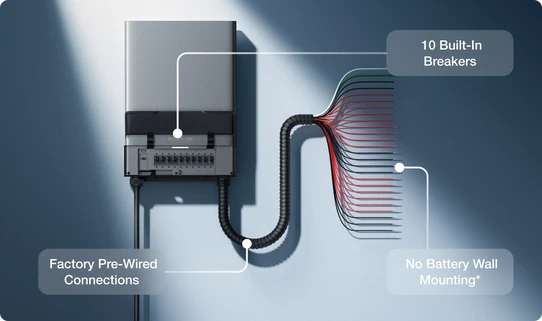
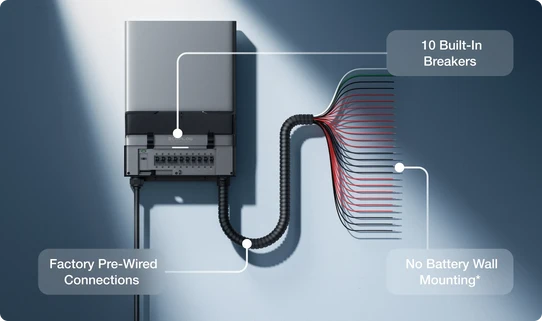
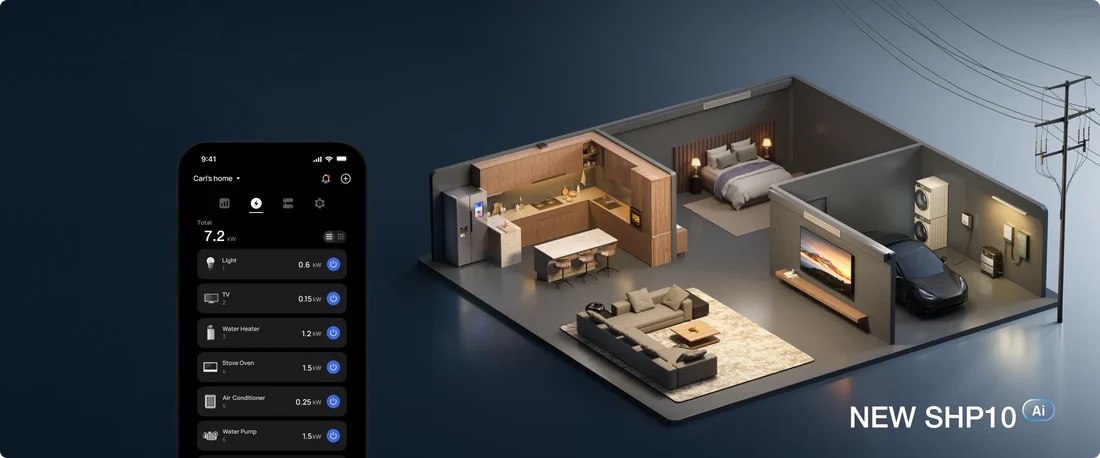
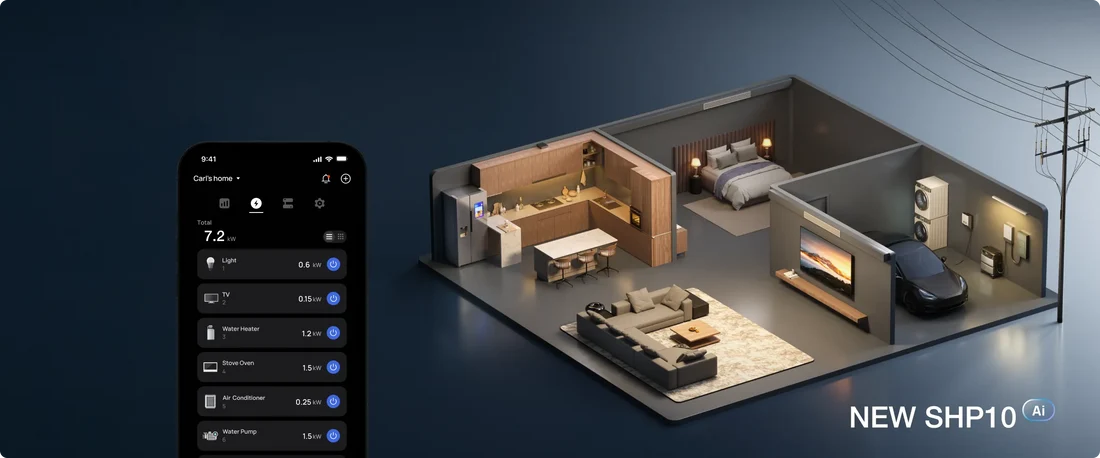
For a basic backup setup, you can plug devices directly into the power station, with extension cords or not. It can handle Wi-Fi, lights, laptops, a refrigerator, and other essentials without changing your home wiring. If you want to power selected circuits and their associated wall switches and plugs, look at a panel-connected system instead. The EcoFlow TITAN 5000 Plus paired with a compatible EcoFlow Smart Home Panel 10, for example, can manage up to 10 backup circuits. It starts with 5kWh of battery capacity, with up to 7.2kW of battery AC output for heavier household appliances.
Supplying selected 120V/240V household circuits requires EcoFlow TITAN 5000 Plus to be paired with a compatible 120V/240V Smart Home Panel 10 and installed by a qualified electrician in accordance with local electrical codes. Before adding an appliance to the backup plan, confirm its voltage, running and starting power, and the combined load of the connected circuits.
Consider Runtime, Recharge Options, and Future Expansion
Finally, you must consider how the system recharges itself after the first few hours of use. Compatible solar panels for backup power may help replenish the battery during longer outages when sufficient sunlight is available. Using a modular system lets you start with a smaller system and expand your battery capacity later. Using a flexible, expandable system is most beneficial if you live in an area where hurricanes, winter storms, or utility PSPS events can keep the grid down for more than a day.
Conclusion
The best backup power system for your home depends on what you need to keep running, how long outages usually last, and whether you want portable or panel-integrated backup. A smaller battery station may be enough for Wi-Fi, lights, and refrigeration for shorter outages. For longer expected outages, a larger expandable system with solar input and smart circuit control may provide more flexibility, with actual backup duration depending on battery capacity, household loads, and available solar charging.
FAQ
What Is the Best Portable Power Station for Emergency Use?
The best portable power station for emergency use combines safe LiFePO4 battery chemistry, at least 2kWh to 5kWh of capacity, and an inverter powerful enough to surge past motor loads. Units in this class strike the ideal balance between mobile versatility and sufficient capacity to keep major refrigerators and communications fully operational.
How Much Backup Power Do I Need?
For basic essentials such as refrigeration, Wi-Fi, lighting, and device charging, a system with 2,000W to 4,000W of output and 2kWh to 5kWh of storage may be suitable, depending on the appliances. Actual runtime depends on average power consumption. For example, a 5kWh battery supporting a steady 200W load could provide about 21 hours of backup using an 85% usable-energy factor.
How Long Can a Battery Backup Power a House?
A residential battery backup may support selected essential circuits for several hours to multiple days, depending on battery capacity and household energy use. For example, a 10kWh battery supporting an average 300W load could provide about 28 hours of backup using an 85% usable-energy factor. Solar charging may extend runtime when available generation is sufficient to replenish the energy consumed.
How Does a Solar Generator Provide Backup Power for a Home During Power Outages?
Solar panels turn sunlight into DC power, which an integrated MPPT controller manages to safely recharge the generator’s internal battery. An onboard inverter then converts that energy into standard AC electricity to run household appliances silently and without fossil fuels during an outage.
Can a Portable Power Station Power a Whole House?
A high-output portable power station can support selected household circuits when connected through compatible, properly installed transfer equipment. Some expandable systems may provide broader whole-home backup, but this depends on the home’s total load, 120V/240V requirements, inverter output, starting power, and battery capacity.
For press requests or interview opportunities, reach out to our media team
media.na@ecoflow.com