Is Sleet Dangerous? Risks for Drivers, Roads, and Homes
Sleet often gets treated as the lesser problem in a winter forecast. Snow is easier to see, and freezing rain has the more alarming name. Ice pellets can still turn an ordinary trip or a walk to the mailbox into a problem.
They roll when they first land. Later, tires and shoes press them into a firmer layer. A road that was only wet at the start of the storm may have very little grip an hour later, and the change is not always obvious from behind the wheel.
What Is Sleet and Why Can It Be Dangerous?
Sleet reaches the ground already frozen. It comes down as small, hard pellets rather than flakes or liquid drops. Some bounce into the gutter or scatter across the driveway; the rest begin collecting in tire tracks, along curbs, and on steps.
Even a shallow coating deserves attention. Loose pellets move under a shoe, while packed sleet acts more like ordinary road ice. If freezing rain fell earlier, the pellets may also hide the smooth glaze underneath.
What Is Sleet?
American forecasters use “sleet” to define ice pellets. They are usually tiny—closer to coarse salt than hail—and vary from clear to cloudy or white, freezing solid before impact rather than sticking like wet snow.
Elsewhere, the wording changes. In the United Kingdom and some Commonwealth countries, “sleet” commonly refers to wet snow or a rain-and-snow mixture, while the frozen pellets are called “ice pellets.” Graupel is different as well. It is softer and more crumbly, with a texture somewhat like a small foam bead.
How Does Sleet Form?
The temperature beside the front door cannot tell you what is happening through the full depth of the atmosphere. Sleet depends on several layers of air stacked above one another.
The precipitation normally begins as snow high above the ground. It falls through warmer air, melts, and then reaches another cold layer near the surface. If that lower layer is deep and cold enough, the drops freeze again before landing.
With freezing rain, there is not enough cold air near the ground to complete that last step. The drops remain liquid until they hit a cold road, tree, or railing and freeze there. Snow follows a different route: it never spends enough time in warm air to melt.
A storm can move from one type to another without much change on the porch thermometer. The warm layer overhead may deepen, shrink, or shift. Pavement has its own timing too. Asphalt warmed earlier in the day can melt the first pellets, then freeze as colder air settles in.
Sleet vs. Freezing Rain vs. Snow
Look at the surface and listen to the window. Sleet clicks and bounces. Freezing rain arrives as liquid and leaves a hard, smooth coating. Snow falls with little noise and usually keeps its soft texture until it melts or is compressed.
Feature | Sleet (Ice Pellets) | Freezing Rain | Snow |
Physical Form | Hard pellets that freeze before landing | Liquid drops that freeze after touching a cold surface | Individual ice crystals gathered into flakes |
Behavior on Impact | Bounces and scatters in low areas | Spreads across the surface before turning to glaze | Settles, drifts, and packs beneath traffic or footsteps |
Primary Danger | Poor footing and loss of tire grip | Nearly invisible road ice plus weight on trees and wires | Low visibility, drifting, and deep or heavy accumulation |
Sound | Noticeable tapping or rattling | Similar to an ordinary rainfall | Usually quiet |
People asking “is sleet or freezing rain more dangerous?” should know that freezing rain generally creates the greater risk of widespread glaze ice, fallen branches, and power-line damage. However, both can make roads and walkways hazardous. A real storm may not fit one column for long. Sleet sometimes lands over glaze ice. Snow may turn wet, partially melt, and harden again after sunset. If the railings look glazed while pellets are bouncing on the ground, plan for both kinds of ice.
If freezing rain is expected alongside sleet, prepare for an ice storm before conditions deteriorate.
Why Is Sleet Dangerous for Driving and Road Travel?
If you are wondering is sleet dangerous to drive in, the answer is yes. Loose ice pellets can reduce tire grip, while traffic may compress them into a harder and slicker surface. Roads rarely change all at once. One stretch may be wet and treated, while the next is shaded, colder, and covered in packed pellets. That unevenness is what catches drivers out.
How Sleet Creates Slippery and Icy Roads
Fresh pellets get between tire tread and pavement. Before they pack down, they can shift a bit like loose gravel. Repeated braking and traffic then crush them into a denser strip, particularly near stoplights, intersections, ramps, and the bottom of hills.
A winter preparedness checklist can help coordinate vehicle checks, emergency supplies, and home tasks before roads become slick. The wheel tracks may not match the rest of the lane. Heavy traffic creates slush in one spot while sleet remains loose between lanes. Meltwater can also run across the road and freeze below the newer accumulation.
If you need to gauge traction, do it gently. On a straight, clear section at very low speed, lightly touch the brake and notice how the vehicle responds. Never wait for a curve, steep grade, or crowded intersection to find out. Steering that suddenly feels loose is already a reason to slow down and reconsider the trip.
Why Bridges and Overpasses Are Especially Hazardous
Ground beneath a regular road stores some warmth. A bridge has cold air moving across its top and underside, so the deck may cool faster. That is why the highway can appear wet right up to the point where it rises onto a bridge.
Slow before reaching the deck, while the tires still have better grip. Braking sharply after the car is already on ice asks too much of them. Elevated ramps, shaded curves, and hilltops deserve the same treatment.
Watch how traffic ahead behaves. A brief drift within the lane or brake lights appearing well before the bridge may be the only advance notice you get. Increase the gap and let the other car show you where the slippery patch begins.
Can You Drive Safely in Sleet?
There is no vehicle setting that makes ice harmless. All-wheel drive can help with pulling away from a stop, but all four tires still depend on the same limited grip when the driver brakes. When officials recommend staying off the road, take that advice seriously.
For a trip that cannot be postponed, pay attention to three things:
Tire quality: Check pressure and tread before the weather arrives. Winter tires stay more flexible in low temperatures and can improve grip, although they cannot make a glazed road behave like dry pavement.
Vehicle speed: Choose speed from the conditions, not a preset fraction of the limit. Visibility, treatment, grades, curves, and traffic all count. If you cannot steer or slow with small, smooth inputs, you are going too fast.
Momentum control: Complete your speed adjustment early and ease smoothly through turns. Combining sharp steering, sudden braking, or heavy acceleration on packed sleet makes a skid far more likely.
Check highway cameras, closures, and transportation-department reports before starting. Treated main roads may add time to the route, but they are generally a better choice than an untreated shortcut.
What to Do If Sleet Starts While You Are Driving
Make changes as soon as the pellets begin striking the glass. Waiting until the car slips wastes the best opportunity to slow down gradually. Remember that the vehicle thermometer measures nearby air, not the exact temperature of a shaded ramp or bridge deck.
Disengage cruise control instantly. Keep direct control of the throttle and ease off instead of allowing the system to adjust speed on a slick surface.
Turn on low-beam headlights and defrosters. Other drivers need to see the car, and windshield heat helps prevent ice from collecting around the wipers.
Increase your cushion. Open a much larger following gap and watch several vehicles ahead rather than focusing only on the nearest bumper.
Exit the highway safely. Use a maintained exit, rest area, or parking lot if the steering feels uncertain or visibility deteriorates. Avoid stopping on an exposed shoulder when a safer option is available.
During a skid, look where you want the car to go and ease off the accelerator. Avoid a sharp steering correction. Follow the owner’s manual for braking; on most vehicles with anti-lock brakes, steady pressure is preferable to pumping. If a crash occurs, keep in mind that approaching traffic may be unable to stop in time.
Can Sleet Damage Your Home?
Sleet alone is not normally a major structural threat. Problems are more likely when it collects with wet snow, blocks drainage, melts and freezes again, or arrives during a storm that also brings wind and freezing rain.
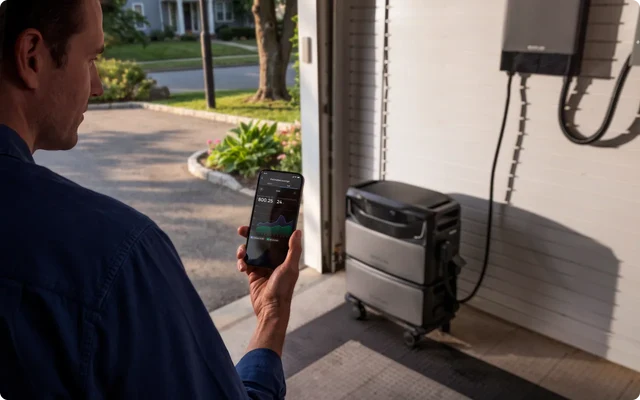
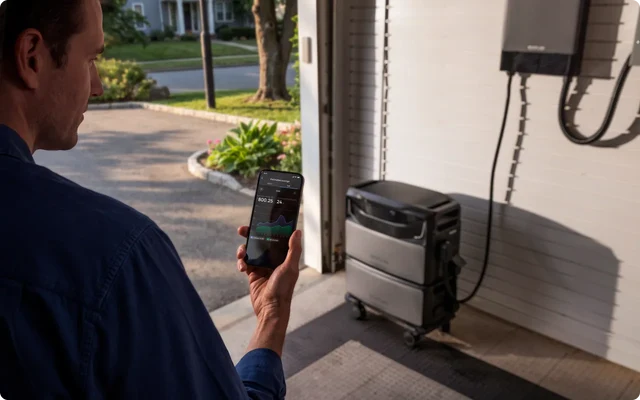
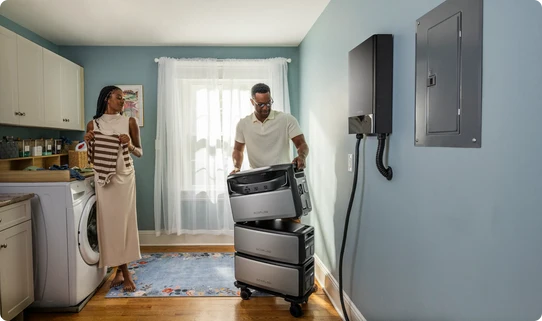
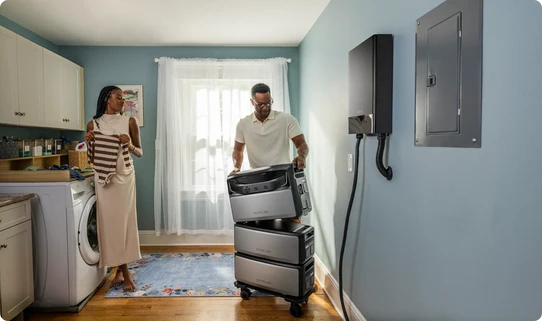
Households exposed to recurring winter outages may include a home battery in a broader emergency plan.
Can Sleet Damage Roofs and Gutters?
Ice pellets contain less trapped air than fluffy snow, so the same depth is heavier. A modest coating is not usually a concern for a sound roof. A long mixed-precipitation event is different, especially on flat sections, porch roofs, sheds, and structures that already sag or leak.
Gutters often show trouble first. Leaves catch the pellets, and the mixture can freeze into a stubborn plug. When temperatures rise, meltwater may spill beside the foundation or back up near the roof edge.
Remove leaves before the storm rather than climbing a ladder afterward. If the roof has solar panels, include them in the ground-level inspection once conditions improve, but do not climb onto an icy roof. A new stain, active drip, visible sag, or cracking noise needs professional attention.
Can Sleet Damage Windows, Siding, or Vehicles?
Ordinary sleet does not strike with the energy of damaging hail. Well-maintained windows and siding should tolerate it. Water is more likely to enter through trim that was already loose, a failed seal, or an existing crack.
Cars tend to freeze shut rather than suffer impact damage. Pellets collect at the base of the windshield and around handles, mirrors, and wiper arms. Use the defroster and give the ice time to release. Pulling on a frozen wiper can harm its mechanism, while hot water may crack cold glass.
Move the car away from unhealthy branches before the storm if possible. During mixed winter weather, falling wood loaded with snow or glaze poses a much greater threat than the pellets themselves.
Does Sleet Cause Power Outages?
Because pellets usually bounce, they do not build a heavy coating on power lines in the same way freezing rain does. Most outages during a sleet event are connected to other parts of the storm, such as glaze ice, wet snow, high wind, or falling limbs.
Plan backup power around individual appliances. Check what the refrigerator, communications equipment, and heating controls draw while running. Motors and compressors may briefly require more power at startup. Never use a double-male cord or plug a power source into a receptacle to energize household wiring.
A longer winter outage may require more than charging phones and running a few lights. EcoFlow TITAN 5000 Plus provides 7.2kW of battery output, giving a properly configured system more flexibility to support a practical mix of essential appliances and selected higher-demand loads. Its capacity can expand from 5kWh to 30kWh, allowing households to add more stored energy if extended outages are a recurring concern. Hardwired heating equipment and household circuits require compatible transfer equipment and installation by a qualified electrician.
Run a trial before the forecast turns bad. Make sure the intended appliances start normally and that cords reach without crossing a wet area. Keep part of the battery in reserve; an electric space heater can use stored energy surprisingly quickly.
How to Prepare Your Home Before Sleet Arrives
Finish the outdoor list before the porch becomes slippery. The work is simple in daylight on dry pavement and considerably less appealing after ice begins forming.
Clear perimeter gutters and downspouts: Remove leaves, check the lower elbows, and make sure runoff empties away from the foundation.
Protect sensitive outdoor plumbing: Take off garden hoses, drain seasonal lines as directed, and insulate exposed pipes in unheated areas.
Pre-treat pathways: Choose a deicer compatible with the surface and expected temperature. Sand can improve traction but will not melt ice. Follow any precautions for pets, vegetation, and concrete.
Secure emergency indoor power: Make a list of the devices that need to remain available and charge the battery before travel conditions deteriorate. EcoFlow TITAN 5000 Classic provides 4kW of AC output for compatible 120V essentials such as refrigeration, lighting, communications, and heating controls. This gives households a fuel-free way to cover basic needs while utility crews work to restore power.
Charge lights and phones, bring in loose outdoor items, and test the home’s heating system while grid power is still available. If a hardwired furnace or heat pump is included in the backup plan, confirm its electrical and connection requirements with a qualified installer before the storm.
Keep engine-driven generators outdoors at least 20 feet from doors, windows, and vents. Point exhaust away from the building. A garage remains unsafe even when the main door is open.
How to Stay Safe During Sleet
The best plan is often to stay put and let treatment crews do their work. Keep checking the forecast, though. Sleet can change to freezing rain, or wet pavement can freeze after the precipitation moves out.
Check Winter Weather Alerts Before Traveling
Use the point forecast at weather.gov and read the alert rather than relying on a single icon. The details should explain the timing, likely precipitation, and areas expected to have the greatest trouble.
A Winter Weather Advisory usually points to inconvenient or hazardous travel. A warning signals more serious conditions. An Ice Storm Warning concerns significant freezing rain, not sleet alone, and local thresholds are not identical everywhere.
Look beyond the time when precipitation ends. Clearing skies and falling temperatures may freeze leftover water during the evening or early-morning commute.
Avoid Unnecessary Driving When Roads Are Icy
The view from the front window is not a road report. The neighborhood street may be wet while the bridge, highway ramp, or higher ground outside town is already frozen.
Delay errands until treatment crews have made progress. If the trip is necessary, share the route and arrival time, use maintained roads, and be willing to turn around. Reaching the destination is not worth pressing on after the vehicle begins losing grip.
Slow Down and Increase Following Distance
Begin slowing well before a light, curve, or line of traffic. Try to brake while the wheels are straight, and leave enough room for the car in front to slide or stop unexpectedly.
Give plows and treatment trucks plenty of space. They make frequent speed and lane changes, and the driver may need to work around a stranded vehicle. Staying behind also keeps you on the section that has already been treated.
Keep Walkways and Steps Clear
Remove loose sleet before shoes press it into a hard layer. Work in small sections, use the handrail, and add appropriate traction material afterward. If the surface is already glazed or pellets are falling too heavily, wait rather than risking a fall.
Check the path again later. Water coming off a roof or melting in the afternoon can cross a cleared step and freeze after dark. Boots with proper tread help, but they do not make clear ice safe.
Prepare for Changing Winter Weather Conditions
“Wintry mix” covers weather that can change over a short distance and in a short time. Rain in town may become sleet on a hill, while freezing rain develops a few miles farther north. Keep alerts on during a lull.
The car kit should include gloves, a blanket, scraper, flashlight, charging cable, small shovel, and basic first-aid supplies. Before driving, clear every window, mirror, and light—not just a viewing slot in the windshield.
At home, keep the water shutoff accessible and check smoke and carbon monoxide alarms. During a blackout, use battery lighting when possible, keep refrigerator doors closed, and never heat a room with a gas oven, grill, or outdoor propane appliance.
Conclusion
Sleet rarely looks impressive. That is part of the problem. A modest layer can roll under a shoe, pack beneath tires, conceal glaze ice, and turn a familiar bridge or set of steps into a hazard.
Treat the first tapping at the window as a cue to check the road report and finish any remaining preparation. Postpone the trip that can wait. If driving is unavoidable, slow down before the bridge, create plenty of room, and be ready to stop somewhere safe. The storm does not need to be dramatic to cause a bad fall or a difficult drive.
FAQ
Is Sleet More Dangerous Than Snow?
Sleet can be more hazardous than light snow for driving because ice pellets can create a slick, compacted surface. However, heavy snow can present its own serious risks, including poor visibility, deep accumulation, and difficult travel.
Can Sleet Cause Black Ice?
Strictly speaking, true black ice forms from a thin, transparent layer of liquid water—such as freezing drizzle or light runoff—freezing smoothly over dark asphalt. Sleet usually compacts into a visible, bumpy, or semi-translucent crust of ice rather than invisible black ice. However, if traffic friction and road warmth completely melt the ice pellets into water that later refreezes across the pavement, dangerous patches of clear ice and black ice can still form.
Does Sleet Stick to Roads?
Yes, sleet sticks to roads, especially once passing tires compress the pellets into hard, frozen crusts or when ground temperatures sit well below 32°F (0°C).
Can Sleet Damage a Roof?
Sleet alone rarely damages a sound roof, but heavy mixed precipitation can add weight, block gutters, and contribute to ice dams or water intrusion.
Is Sleet the Same as Freezing Rain?
No, sleet consists of raindrops that completely refreeze into hard ice pellets before landing, whereas freezing rain falls as liquid and freezes on contact with cold surfaces.
For press requests or interview opportunities, reach out to our media team
media.na@ecoflow.com