Flooding in Iowa: Today's Risks, Major Past Floods, and How to Stay Safe
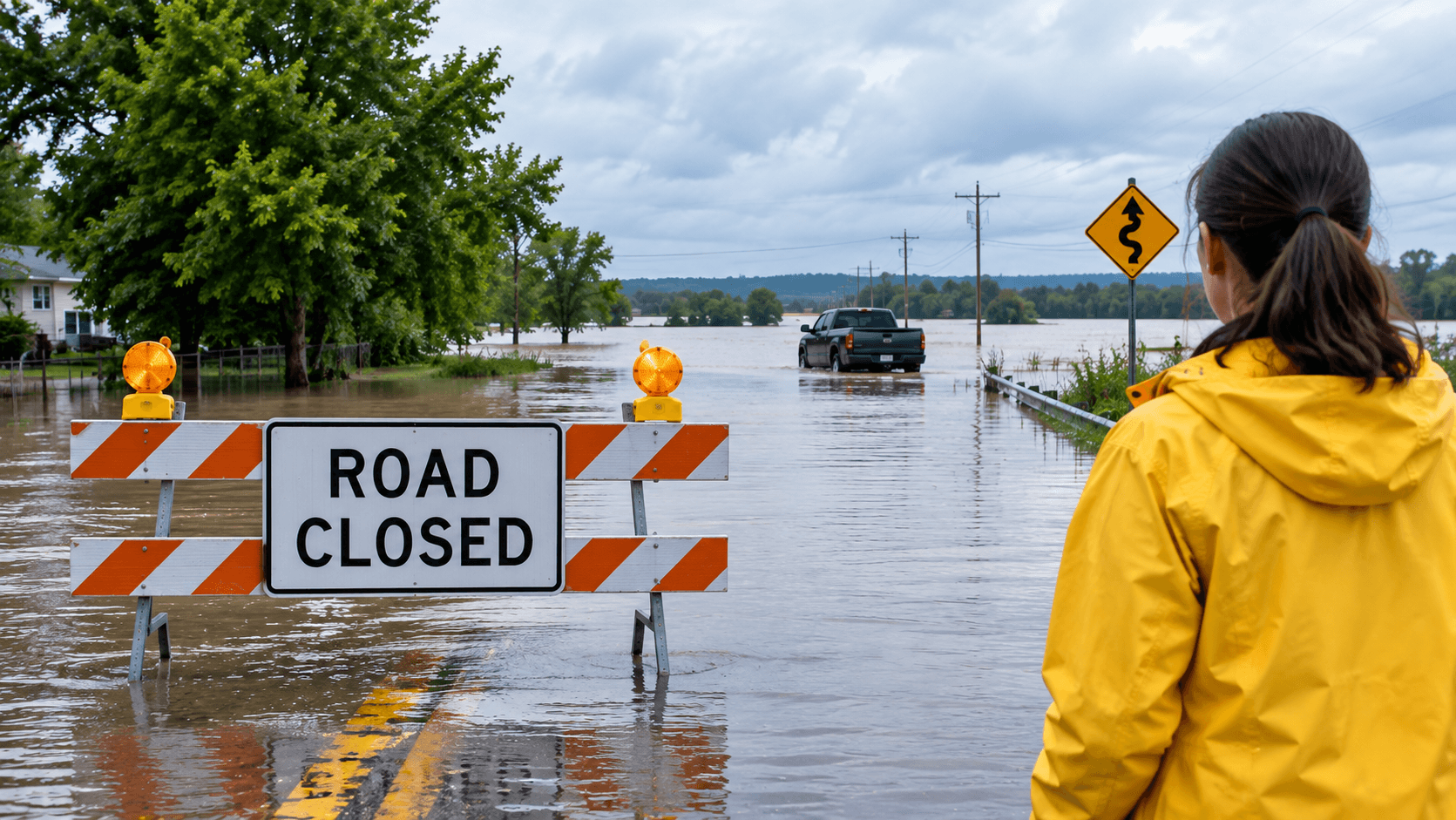
Rising rivers and heavy rain can turn a normal day into a flood emergency fast. In September 2026, parts of Iowa have already seen flood watches and warnings after periods of heavy rainfall. Flooding remains one of Iowa's most common and costly natural hazards.
Knowing what is happening now can help you make better decisions before water rises. This guide covers current Iowa flood risks, major floods in state history, why Iowa floods so often, home preparation, flood insurance, backup power, and flood safety.
Iowa Flooding Today: What's Happening Now
Heavy rainfall in mid-September 2026 brought flood watches and warnings to parts of Iowa. Conditions can change within hours, so always check the latest alerts first.
Recent activity includes:
A flood watch covered central and southern Iowa on September 16 and 17, 2026.
Minor flooding hit the East Nishnabotna River near Riverton on September 16.
The Raccoon River in Des Moines crested above flood stage on September 9 and 10.
Check NWS Des Moines river forecasts for the most current stages and crests.

How to Check Iowa Flood Alerts
Staying ahead of rapid water rises requires dependable data. Rely on official state and federal warning systems rather than casual social media reports:
National Weather Service (NWS): Provides up-to-the-minute localized watches, warnings, and flood statements.
Iowa Flood Information System (IFIS): Built by the Iowa Flood Center, this online platform lets you track real-time stream gauges statewide.
County emergency management: Sends targeted county-level evacuation alerts, road closures, and shelter notices.
Wireless Emergency Alerts (WEA): Delivers automatic, high-priority emergency notifications straight to your smartphone.
Local TV and radio broadcasts: NOAA weather radios and regional news desks track localized crest times and immediate street closures.
Before storms arrive, make sure you understand the difference between a flash flood watch and warning so your family reacts without delay.
Today's flood risks make more sense when you look at Iowa's long flood history.
Iowa's Biggest Floods
Iowa has faced several historic floods. Each one changed how the state plans for high water. The table below shows some of the most damaging events.
Year | Where | What Happened |
1993 | Statewide | The legendary Great Flood submerged millions of acres across the Midwest for months. |
2008 | Eastern Iowa | The Cedar River smashed crest records, inundating over 10 square miles in Cedar Rapids. |
2019 | Southwest Iowa | Missouri River levees failed, wrecking small towns, rail corridors, and massive corn acreage. |
June 2024 | Northwest Iowa | Historic downpours triggered record crests across 10 USGS river gauges, causing over $310 million in damages. |
The June 2024 flood shows how fast conditions can turn. A heavy, multiday rainstorm hit between June 20 and 22. Ten USGS stream gauges hit new record highs that week. Three of them, including the Little Sioux River at Linn Grove, doubled their old records. The damage was severe enough to trigger a major disaster declaration two days later.
Why Iowa Floods So Often
Several natural factors can combine to make Iowa vulnerable to flooding.
Many rivers and streams: Iowa has an extensive network of rivers and tributaries. Water from heavy rain can quickly move into these channels.
Heavy spring and summer rainfall: Thunderstorms can drop several inches of rain over a short period. Repeated storms can be even more problematic because the ground has less time to absorb additional water.
Saturated soil: Once the soil is already wet, more rainfall produces greater surface runoff instead of soaking into the ground. The 2008 flooding showed how wet conditions before major rainfall can contribute to extreme runoff.
Snowmelt: Winter snow can add another source of water to rivers and soil during the spring thaw.
Flat farmland: Much of Iowa has relatively gentle terrain. Water can spread across broad areas when drainage systems and rivers cannot handle the volume.
Severe storms often bring tornadoes and flooding together. Watch for both when the weather turns ugly. Iowa's tornado season overlaps with peak flood risk in spring and early summer. Understanding tornado risks helps you prepare when multiple hazards hit at once.
How to Prepare Your Iowa Home for Flooding
A little preparation before a storm can reduce both damage and stress. Focus on water entry, important belongings, insurance, and electricity.


Before flooding becomes an immediate threat:
Know your flood zone before a storm hits.
Clean gutters, downspouts, and nearby drains.
Test your sump pump before heavy rain arrives.
Raise electrical panels and HVAC gear off the floor.
Store important documents somewhere high and dry.
Prepare a go-bag with medications, identification, chargers, water, food, and other essentials.
Know where you can go if local officials order an evacuation.
Flood Insurance Basics
Standard homeowners insurance does not cover rising water or flood damage. You need a separate flood insurance policy for that. Most NFIP policies come with a 30-day waiting period. Before storm season arrives, check your property's flood zone using FEMA's Flood Map Service Center to secure the right policy in time.
Backup Power for Flood Season
Storms that cause floods often knock out power right when sump pumps are needed most. Water rises. The lights go out. A whole-home battery keeps pumps and essentials running without the noise or fumes of a gas generator.
The EcoFlow DELTA Pro Ultra X provides robust whole-home backup power during severe storms. It keeps critical sump pumps, appliances, and lights running seamlessly when grid power fails during floods.
The EcoFlow DELTA Pro Ultra X provides full, long-lasting power for an entire household. However, you might want a portable option for targeted basement backup instead. A 2 kWh portable power station easily runs a sump pump, fridge, and lights.
Staying Safe During and After an Iowa Flood
Floodwater can hide damaged roads, debris, contaminated water, and electrical hazards. Never assume shallow-looking water is safe to cross.
Most importantly, never drive or walk through floodwater. The National Weather Service recommends turning around rather than attempting to cross flooded roads.


During a flood:
Move to higher ground when flooding threatens your location.
Follow evacuation orders from local officials.
Stay away from rivers, creeks, and rapidly moving water.
Never drive across flooded roadways, bridges, or culverts under any circumstances.
Stay away from downed power lines.
Do not touch electrical equipment while standing in water.
Keep children and pets away from floodwater.
Keep your phone charged and monitor official alerts.
If you are told to evacuate, leave promptly. Do not wait until roads are already flooded.
After the Water Goes Down
The end of rainfall does not necessarily mean the danger is over. Learning the core steps for preparing your home for a flood can also help you assess damage safely and reduce the risk of mold. Wait for officials to say the area is safe before returning.
When it is safe:
Photograph damage before moving or discarding damaged items.
Contact your insurance company.
Wear appropriate protective equipment during cleanup.
Remove wet materials and begin drying the property as soon as safely possible.
Watch for mold growth.
Do not use wet electrical equipment.
Have an electrician inspect wiring and electrical systems affected by water.
Power can remain out after floodwaters begin receding. That can make cleanup harder because sump pumps, fans, dehumidifiers, and refrigerators all need electricity.
Conclusion
Iowa faces frequent river and flash flooding. Major events in 1993 and 2008 caused widespread damage across the state. The record June 2024 floods showed that severe flooding remains a serious risk. Stay prepared by checking local alerts and securing flood insurance early. Also, plan for power outages before severe weather arrives. The EcoFlow DELTA Pro Ultra X can provide whole-home backup power. For portable backup, the EcoFlow DELTA 3 Max can keep essential devices running.
FAQs
Is there flooding in Iowa today?
Yes. As of September 19, 2026, parts of eastern Iowa are under flood watches. The National Weather Service also reports ongoing flash-flood concerns in parts of northeastern Iowa. Conditions can change quickly, so check local alerts before traveling.
What was the worst flood in Iowa history?
The 1993 Great Flood caused the most damage statewide, hitting nearly every river basin in Iowa at once. The 2008 Cedar Rapids flood and the 2024 northwest Iowa flood both set local records even today.
Where can I check Iowa river levels?
Track real-time river gauges through the Iowa Flood Information System, developed by the Iowa Flood Center. You can also view official river stages and local crest forecasts via the National Weather Service Des Moines website.
Does homeowners insurance cover flooding in Iowa?
No, standard homeowners insurance policies exclude flood damage completely, even in Iowa. You need a separate flood insurance policy, usually through the National Flood Insurance Program, and most policies carry a 30-day waiting period too.
What parts of Iowa flood the most?
River basins across eastern, central, and western Iowa flood most often. Low-lying agricultural valleys and towns along the Cedar, Iowa, Des Moines, Missouri, and Mississippi rivers regularly face the highest recurring flood risks.
How do I keep my sump pump running during a power outage?
A battery backup, like the EcoFlow DELTA 3 Max, keeps your sump pump running through an outage without gas or fumes. Whole-home systems like the EcoFlow DELTA Pro Ultra X can power your pump, fridge, and lights too.
For press requests or interview opportunities, reach out to our media team
media.na@ecoflow.com