Flooding in Kansas: Flash Flood Risks, Recent Events, and Safety Tips
In late June 2026, a sudden flash flood emergency swept across Wichita. Fast-rising floodwaters stranded dozens of cars on major roads and trapped drivers. It served as a stark reminder for residents statewide. Flash flooding is one of the most dangerous weather threats Kansas faces every single year. A quiet afternoon can turn into an emergency in under an hour. This guide covers recent Kansas flood events and why Kansas floods so often. We will also explore past historical disasters, home preparation steps, reliable backup power, and vital life-saving safety tips.
Flooding in Kansas Today
Kansas has experienced repeated flash flooding across multiple counties throughout 2026. Weather conditions shift rapidly here when severe storms stall out. Always check local weather alerts before heading out on the road.

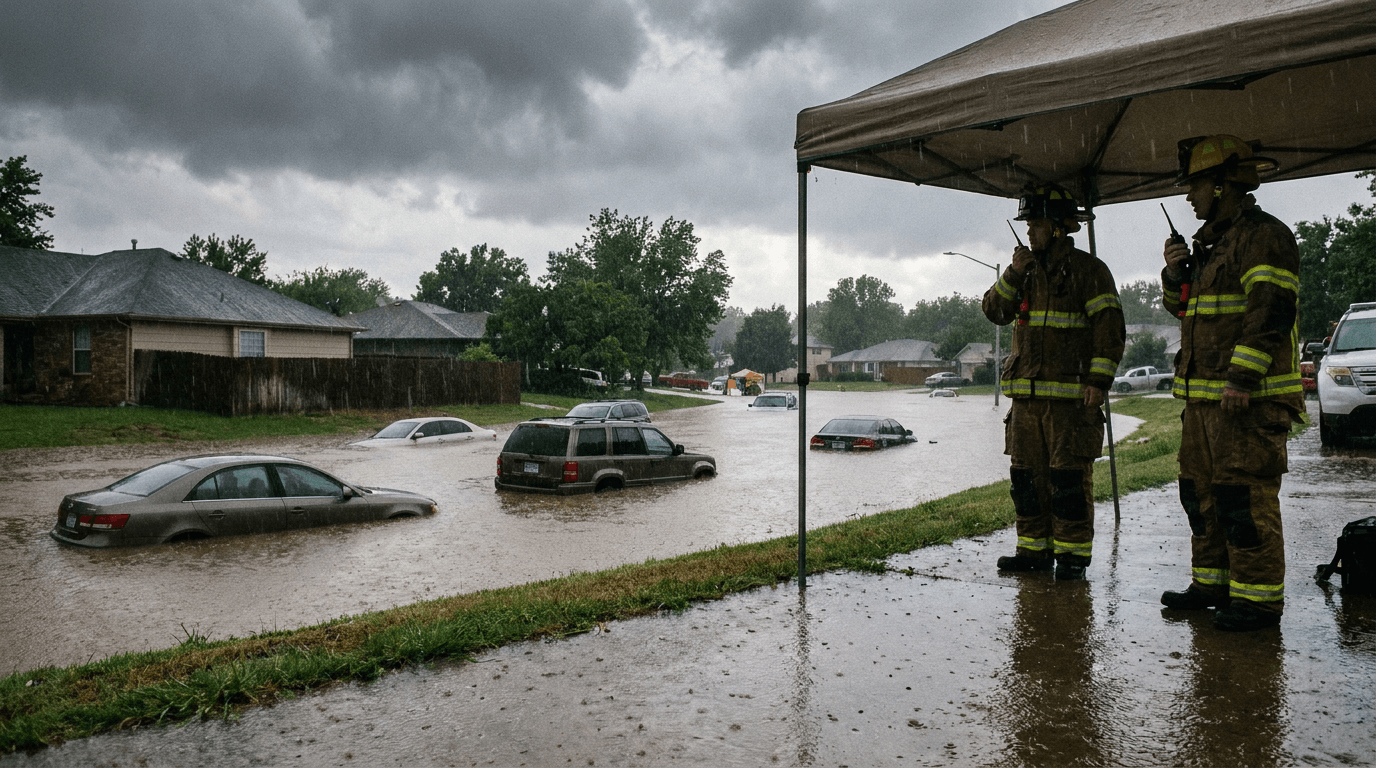
Here's what's happened recently:
June 25–26, 2026: A flash flood emergency hit Wichita. Sedgwick County fielded 112 calls about flooded vehicles in a single stretch.
Mid-September 2026: Doniphan County saw flash flood warnings after 4 to 7 inches of rain fell in a short period.
Ongoing: A flood warning covered Stranger Creek near Easton as water levels climbed past safe thresholds.
Where to Check Kansas Flood Alerts
Do not wait for water to pool in your driveway before checking updates on active flooding in KS. Monitor real-time weather warnings through several dependable public safety sources:
National Weather Service (NWS): Visit the NWS Kansas flooding page for links to local NWS forecast offices covering Kansas, including Dodge City, Goodland, Topeka, Wichita, and Kansas City/Pleasant Hill.
Kansas Division of Emergency Management: Check state emergency management updates for major flooding, evacuation information, and statewide emergency notices.
County emergency alerts: Sign up for alerts from your county's emergency management office for local flood warnings, road closures, and evacuation instructions.
Wireless emergency alerts: Keep emergency alerts enabled on your phone to receive urgent warnings about dangerous flooding in your area.
Local TV and radio: Follow trusted local stations for updates on flooding, road conditions, weather warnings, and emergency instructions.
Getting a jump on alerts matters more than most people think. Good flash flood disaster prevention planning starts with knowing what's coming before the water does.
Kansas floods for a few clear reasons, and history shows how bad it can get.
Why Kansas Is Prone to Flash Flooding
Kansas sits right in the path of intense spring and summer thunderstorms. When a storm system stalls over the state, it can dump inches of rain in just a few hours. Creeks fill up fast. City streets turn into shallow rivers before storm drains can keep up.
A few factors make this worse:
Slow-moving storms: When a system parks over one area, rain keeps falling on the ground that's already saturated.
Urban runoff: Pavement and rooftops don't absorb water. It all runs downhill into the nearest low spot, and fast.
Major rivers: The Kansas, Arkansas, and Neosho rivers all drain large watersheds. When their tributaries flood, the effects show up miles downstream.
Spring downpours also regularly pair with tornado risks in Kansas. Severe storms frequently deliver damaging wind, tornadoes, and blinding, torrential rainfall all at once.
Notable Kansas Floods
Kansas has flooded before, and some of those events still shape how the state prepares. A few stand out for their scale and damage.
Year | Location | What Happened |
July 1951 | Kansas River Valley | The historic Great Flood struck Manhattan, Topeka, and Kansas City. It submerged rail yards, ruined thousands of homes, and caused catastrophic economic loss. |
June 3, 2025 | El Dorado and Wichita | Sudden torrential rains caused rapid flash flooding. Waters forced swift neighborhood evacuations and stranded dozens of vehicles across Butler and Sedgwick counties. |
June 2026 | Wichita Metro Area | A widespread flash flood emergency swamped major highways. First responders handled over one hundred calls for submerged cars in a single overnight period. |
The National Weather Service summary of the June 3, 2025 event highlighted rainfall rates exceeding 2.5 inches per hour. When that volume hits, a sudden flood in Kansas city streets can trap drivers before they realize the depth.
Preparing Your Kansas Home for Floods
Flood preparation works best before water starts rising. A few basic steps can reduce the chance of serious damage and help your household respond faster. Start with your home's location and drainage. Then think about insurance, emergency supplies, electricity, and important belongings.
Key steps include:
Check your flood zone on FEMA's Flood Map Service Center
Buy flood insurance early, since most policies have a 30-day waiting period
Clear gutters, downspouts, and nearby storm drains
Test your sump pump and make sure it has a reliable power source
Raise appliances and electrical panels if possible
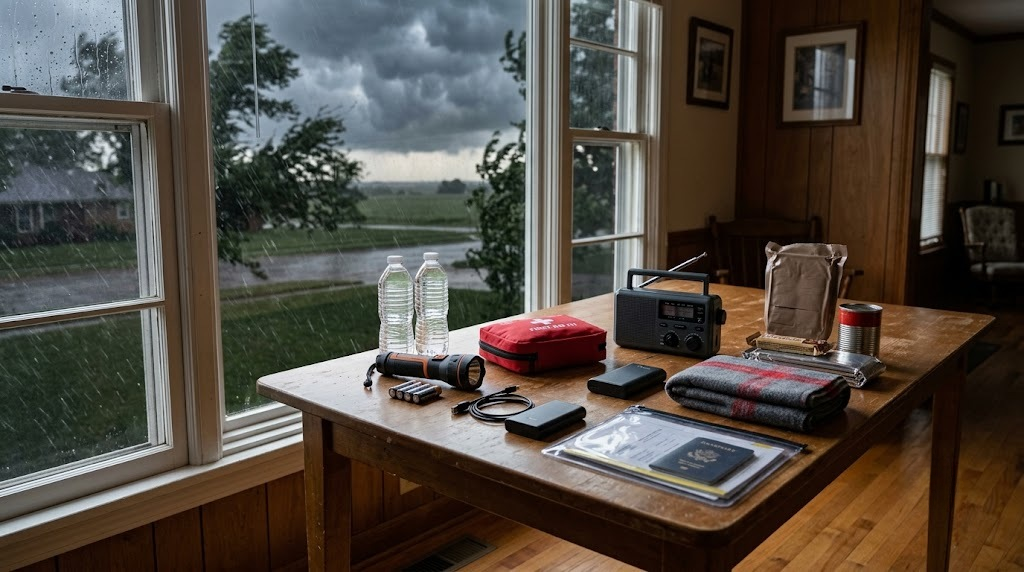
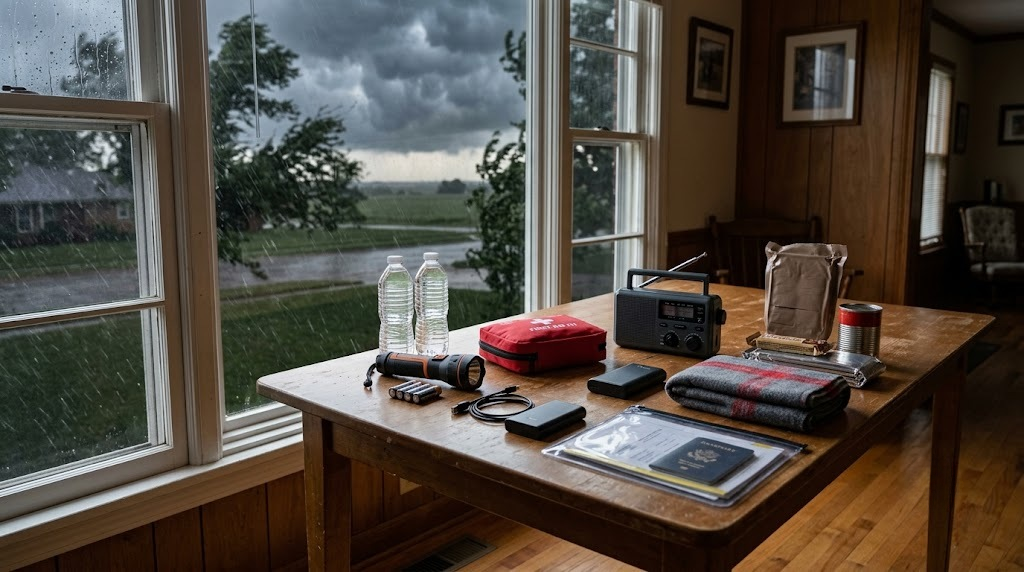
Keep a go-bag ready with essentials for a quick exit
Backup Power for Storm Season
Severe storms can knock out electricity when you need your sump pump, refrigerator, lights, and weather radio most. A whole-home battery can keep essential circuits running during an outage, while a portable power station can provide backup for individual appliances.
For homeowners who want whole-home coverage, the EcoFlow DELTA Pro Ultra X provides 12 to 36 kW of output and 12 to 180 kWh of capacity. It is designed as a whole-home backup system with automatic switchover and a plug-and-play installation approach.
While the EcoFlow DELTA Pro Ultra X easily powers an entire residence, some homeowners prefer a lighter, portable unit. A compact power station can easily move upstairs or run essential appliances on the fly.
Having dependable backup power safeguards your home against flooded basements, but staying safe when water rises outside requires split-second decisions.
Staying Safe in Kansas Flash Floods
Flash floods develop rapidly and give families very little warning. According to National Weather Service data, more than half of all flood-related fatalities occur inside motor vehicles. Drivers consistently underestimate the sheer weight and force of moving water.
Keep these practical rules in mind whenever dangerous flooding in Kansas threatens your community:
Turn around, don't drown: Never attempt to drive or walk through standing or moving water.
Respect road closure barricades: Driving past road closed signs is illegal and puts first responders at risk.
Seek higher ground immediately: If water begins rising around your vehicle, abandon it safely and climb to elevated ground.
Use extreme caution at night: Darkness hides washed-out pavement and deep pools at low-water crossings.
Avoid downed power lines: Standing water conducts electricity from downed utility lines. Stay far away and alert emergency crews immediately.
Review official flood safety guidance on the NWS flood safety page before the storm season peaks.
After the Flood
Once the water recedes, the danger isn't necessarily over.
Wait for officials to give the all-clear before returning to an evacuated area. Floodwater can contaminate homes, damage electrical systems, and weaken structures.
Wait for official clearances: Do not re-enter your neighborhood until local officials confirm it is completely safe.
Document all property losses: Take clear photos and videos of water lines, damaged drywall, and ruined personal belongings before starting cleanup.
Wear protective gear: Always wear heavy work boots, thick leather gloves, and N95 masks when entering a water-damaged building.
Begin drying out fast: Remove soaked carpets and drywall within 24 to 48 hours to prevent mold growth.
Inspect the electrical system: Have a licensed electrician check wet breaker panels, submerged wiring, and outlets before restoring power.
Setting up a reliable home battery backup for flood protection helps you power fans and shop vacs during cleanup, even if the neighborhood grid stays offline.
Conclusion
Kansas faces frequent flash flooding, including the recent Wichita emergency and heavy rain in northeast counties. Watch National Weather Service alerts closely. Get flood insurance before the next storm season. Never drive into floodwater. For homes that need steady power for sump pumps and essentials during outages, the EcoFlow DELTA Pro Ultra X offers whole-home coverage while the EcoFlow DELTA 3 Max gives a portable option that's easy to move. Staying prepared turns a dangerous weather threat into a manageable one.
FAQs
Is there flooding in Kansas today?
Flood conditions can change quickly across Kansas. Check the National Weather Service for current flood watches, warnings, and advisories. Local emergency management agencies can also provide updates about road closures and evacuations.
What was the worst flood in Kansas history?
The Great Flood of 1951 is widely considered the worst in Kansas history. It devastated the Kansas River valley, causing severe damage in Manhattan, Topeka, and Kansas City, and it remains historically and economically significant.
Why does Wichita flood so often?
Wichita can flood when intense thunderstorms drop heavy rain quickly. Slow-moving storms can overwhelm drainage systems. Low-lying roads, urban runoff, and nearby waterways can increase the flooding risk.
Where can I get Kansas flash flood alerts?
Check the National Weather Service for official flood watches and warnings. You can also use Wireless Emergency Alerts, county emergency notifications, local television, and radio for timely updates.
Does homeowners insurance cover flood damage in Kansas?
Standard homeowners insurance policies typically don't cover flood damage. Kansas residents need a separate flood insurance policy, often through the National Flood Insurance Program. Remember that policies usually require a 30-day waiting period.
How much water does it take to float a car?
Just 12 inches of moving water can float most cars, and only 2 feet of moving water can carry away larger vehicles like SUVs and trucks. That's why you should never drive through flooded roads.
For press requests or interview opportunities, reach out to our media team
media.na@ecoflow.com